
The Moment You Open That Envelope
I still remember the feeling vividly. I had just returned home from a routine check-up, feeling perfectly fine, when a thick envelope arrived in the mail. I opened it, expecting a standard receipt, but instead, I was staring at a document filled with codes, jargon, and a total amount that made my heart race.
It was my first "Explanation of Benefits," and I felt completely lost. I stared at lines like "contractual adjustment," "coinsurance," and "deductible," trying to figure out what I actually owed and why. I felt a surge of frustration, not just because of the money, but because I felt like I was being charged in a secret language I didn't understand.
Does this sound familiar to you? You go to the doctor for help, you get fixed up, and then you are slapped with a bill that feels impossible to read. It makes you feel vulnerable. It makes you want to just pay it and walk away, even if the math seems wrong.
I spent hours on the phone with billing departments back then, just trying to get a straight answer. It was exhausting. It kept me up at night, worrying that I was making a mistake by paying too much or, worse, ignoring something that would eventually hurt my credit.
The truth is, medical billing is designed to be confusing. It is a system built on complexity, not clarity. But here is the secret: you do not need a degree in finance to master it. You just need to know what a few simple terms actually mean for your wallet.
Breaking Down the Language of Your Bill
Let’s stop letting the numbers scare us. When you break these terms down, you realize they are not trying to trap you. They are just trying to manage how money moves between you, the doctor, and the insurance company.
Understanding the "Deductible"
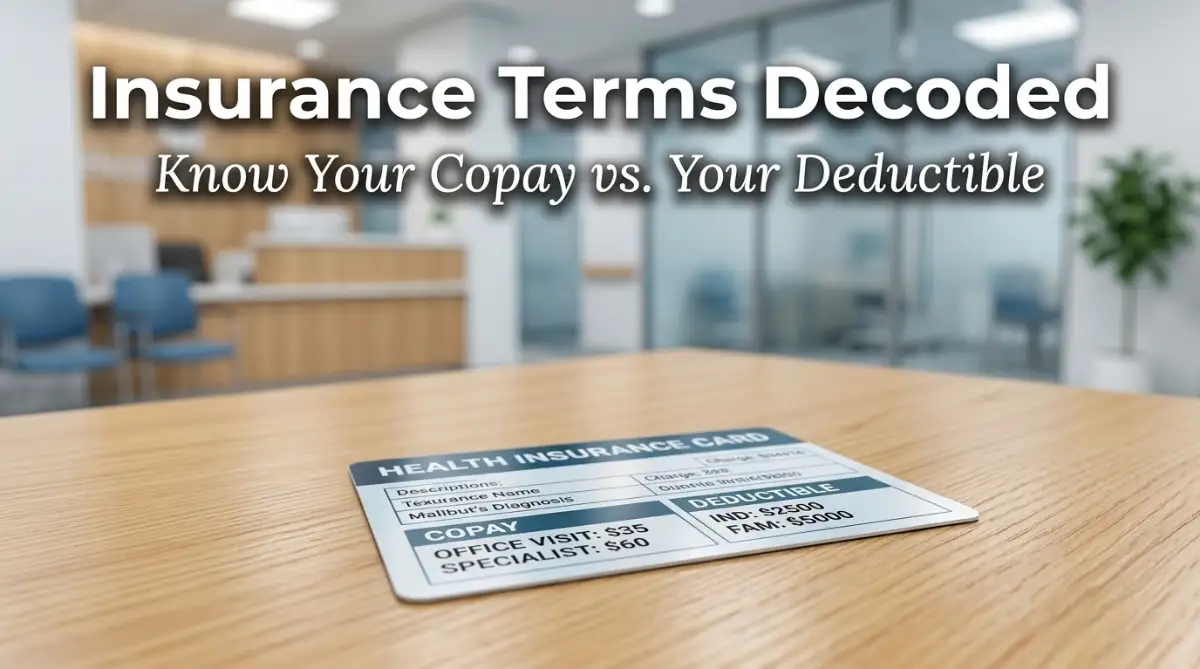
Think of your deductible like a gatekeeper. It is the amount of money you have to pay out of your own pocket before your insurance company starts chipping in. If your deductible is one thousand dollars, you are responsible for the first thousand dollars of your medical expenses for the year.
Once you hit that number, the "gate" opens, and your insurance begins to cover a larger portion of your bills. It is important to know your number. Knowing this helps you plan your spending throughout the year.
The Mystery of the "Copay"
This is probably the most common term you will see. A copay, or copayment, is a flat fee that you pay for a specific service. You might pay twenty dollars every time you see your primary care physician, or fifty dollars for a specialist visit.
This is simple because it is predictable. You usually know exactly what this will be before you even walk into the office. It does not count toward your deductible in most cases, but it is a consistent cost of staying healthy.
What is "Coinsurance"?
This is where people get confused the most. Once you have met your deductible, your insurance company starts paying for your care. However, they rarely pay one hundred percent of the bill.
Coinsurance is the percentage of the bill that you are still responsible for. If the coinsurance is twenty percent, the insurance company pays eighty percent, and you pay the remaining twenty. It is a shared responsibility model.
[Pro Tip]: I used to make the mistake of paying the first bill I received without looking at it. I learned the hard way that hospitals make errors. Always ask for an "itemized bill" if the total looks high. When you ask for an itemized list, it forces the billing department to show every charge, and many times, the "unknown" fees suddenly disappear from the final total.
The "Out-of-Pocket Maximum"
This is the number that acts as your safety net. The out-of-pocket maximum is the absolute most you will have to pay for covered services in a single year. Once you reach this amount, your insurance company picks up one hundred percent of the tab for the rest of the year.
It is a great number to know if you are facing a major medical procedure or a chronic condition. It gives you a ceiling for your financial risk. It is a relief to know that even in the worst-case scenario, you have a cap on your spending.
Decoding the EOB (Explanation of Benefits)
You will often get a document in the mail that says, "This is not a bill." This is the EOB. It is a breakdown of what the doctor charged, what the insurance company paid, and what remains as your responsibility.
Never confuse this with the actual invoice from the doctor’s office. The EOB is a message from your insurance. The invoice is a message from your provider. Always wait for the actual invoice before you send any money.
Why You Need to Check for "Contractual Adjustments"
You will often see this phrase on your EOB. A contractual adjustment is a pre-negotiated discount between your doctor and your insurance company. This is a good thing!
It means your insurance company has negotiated a lower rate for that service. If you see this on your bill, it is proof that you are getting the "in-network" price. It is the system working exactly the way it is supposed to.
The Difference Between In-Network and Out-of-Network
This is a big one. Doctors and hospitals sign contracts with insurance companies. If a doctor is "in-network," they have agreed to accept the insurance company's rates.
If they are "out-of-network," they can charge whatever they want, and your insurance company might refuse to pay any of it. Always try to stick to in-network providers. It is the easiest way to keep your costs down without doing any extra math.
The Role of "Allowed Amount"
This is the maximum amount an insurance company will pay for a specific service. Even if your doctor charges more than this, the insurance company will only pay based on the allowed amount.
If the doctor charges one hundred dollars but the allowed amount is eighty, the doctor often has to "write off" that extra twenty dollars. You should never be billed for that extra twenty if the doctor is in your network. Check your EOB to make sure you aren't being overcharged.
Common Myths About Medical Billing
One big myth is that the "list price" is what you have to pay. Almost nobody pays the list price. It is the starting point for negotiation between the hospital and the insurance company.
Another myth is that you cannot fight a bill. You absolutely can. If you see a charge for something you didn't receive, or if you think the coding is wrong, you can call the billing office. Be polite, be firm, and ask for an explanation.
Staying Organized
I suggest keeping a small file or a folder just for medical paperwork. When you get a bill, check it against your EOB. Make sure the dates match. Make sure the services listed are things you actually remember having.
If you are organized, you catch mistakes early. A mistake caught in the first thirty days is easy to fix. A mistake caught after six months is a nightmare.
Leveraging the Power of Patience
When you call a billing office, they are busy. They are trying to get through as many calls as possible. If you are patient and polite, you are much more likely to get the person on the other end to actually help you.
Ask them to explain the code. Ask them why the charge is so high. Sometimes, they can offer a discount if you offer to pay the bill in full right away. It never hurts to ask for a "self-pay" discount if you don't have insurance coverage for a specific service.
Watching the Video Below
To help you visualize how this all fits together, I have found a great resource.
This video explains exactly how to read a medical bill so you never pay a cent more than you owe:
Planning for Future Medical Expenses
If you know you have a major surgery or procedure coming up, talk to the hospital's financial counselor ahead of time. They have departments dedicated to helping patients figure out the costs.
They can give you an estimate of your responsibility. They can even set up payment plans. Do not wait until after the surgery to figure out how you are going to pay for it. Dealing with it early takes away a huge amount of the stress.
The Importance of Preventive Care
One of the best ways to keep your medical bills low is to use your preventive care benefits. Most insurance plans cover annual check-ups and screenings at one hundred percent.
These visits are free for you, and they can catch problems before they become expensive. Do not skip these visits. They are the best investment you can make in your long-term health and your long-term bank account.
Why You Should Never Pay Immediately
Unless you are absolutely sure that the bill is correct, do not pay it the second you receive it. You have time to review it. You have time to call the insurance company to verify that they processed it correctly.
Billing offices are not perfect. Mistakes happen. Once you pay the money, it is much harder to get it back. Take a breath, review the document, and make sure the numbers make sense.
Understanding the "Coding" System
Everything in your medical record has a code. There are codes for diseases, codes for procedures, and codes for equipment. These codes determine how the insurance company processes the claim.
If a code is entered incorrectly—like saying you had a knee surgery when you only had a consult—the entire claim will be denied or priced wrong. This is why checking your EOB is so important. It shows you the codes they used.
Your Advocate in the Process
You are the primary advocate for your own finances. Do not rely on the system to get it right. Trust your gut when something feels expensive.
If you don't understand a charge, ask for clarification. You are the customer in this relationship, even if the system doesn't always make it feel that way. You have the right to know exactly what you are paying for.
Keeping Your Financial Health in Check
Managing your medical bills is just one part of your financial health. If you are struggling with a large bill, don't let it ruin your other financial goals. Many hospitals have charity care programs.
If your income is below a certain level, you can apply for these programs to have your bills significantly reduced or even wiped out. It is not something to be ashamed of; it is a service designed to help you stay afloat.
The Path to Clarity
The more you engage with your medical billing, the easier it becomes. The first time is the hardest. After you have reviewed a few EOBs and managed a few bills, you will start to see the patterns.
You will know what to look for. You will know which questions to ask. You will move from being a victim of the system to being a master of your own medical finances.
A Final Thought on Empowerment
Taking control of your healthcare costs is a big step toward overall financial stability. Don't let the fear of jargon keep you from managing your money.
You are capable of understanding this. Take it one bill at a time, stay organized, and always ask for help when you need it. You are doing a great job.
Common Questions About Medical Bills
What should I do if my insurance denies a claim?
You have the right to appeal. Call your insurance company and ask why the claim was denied. Often, it is just a missing piece of information, like a doctor’s note, that can be easily fixed.
Is it okay to ask for a payment plan?
Yes, absolutely. Most hospitals prefer that you pay something rather than nothing. Call their billing department and explain your situation; they will often work out a monthly payment plan that fits your budget.
Why is the bill so much higher than the estimate?
Estimates are just that—estimates. Sometimes complications happen during a procedure that require more tests or resources. If the difference is huge, ask for a detailed breakdown and compare it to the initial estimate.
Can I negotiate my medical bill?
Yes, especially if you are paying out-of-pocket or have a high deductible. Call the billing office and ask if they offer a discount for paying in full or if they can lower the rate for self-pay patients.
Taking Charge: Advanced Strategies for Managing Your Costs
You have learned the basic terms, but now it is time to move from being a passive patient to an active participant in your own financial health. Most people treat a medical bill like a tax statement; they see a number, assume it is correct, and pay it. That is a dangerous habit that keeps many households in a cycle of avoidable debt.
The healthcare system often relies on the fact that you are too tired or confused to challenge an invoice. When you decide to look deeper, you gain a massive advantage. You are not just paying for a service; you are participating in a transaction where you have rights.
If you ever feel that your insurance company is being unfair or you are getting the run-around, remember that there are protections in place. You can look at official guidelines on hospital price transparency to see what hospitals are required to disclose before they treat you. Having this information on hand changes the power dynamic significantly.
Mastering the Art of Negotiation
Believe it or not, medical bills are often negotiable. You do not have to accept the first number that appears on the invoice. Hospitals and clinics have established "charge master" lists, which are basically the initial price tags, but they rarely expect to get that full amount from everyone.
Start by calling the billing department and asking, "Is this the lowest possible rate for this service?" You would be surprised how often they have a lower "self-pay" rate that they can apply to your bill if you simply ask. If you are uninsured or have a high deductible, mentioning your financial hardship can also unlock discounts or payment plans.
I recall a time I had a routine diagnostic test that cost twice what I expected. Instead of paying, I called the office, stated that I was paying out of pocket, and asked for a discount. They reduced the total by nearly thirty percent because I was willing to pay the remaining balance right then over the phone.
Leveraging Health Savings Accounts (HSA) and FSAs
If you have access to a Health Savings Account (HSA) or a Flexible Spending Account (FSA), you have a powerful tool for tax savings. These accounts allow you to pay for qualified medical expenses with pre-tax dollars. This effectively gives you a discount on your healthcare costs equal to your tax bracket.
It is easy to forget about these funds, but they are a great way to handle expected medical expenses. If you are struggling with how your costs interact with your coverage, understanding the gap between deductibles and out-of-pocket limits is a necessary step. When you understand your specific plan limits, you can time your medical procedures to maximize these tax-advantaged accounts.
The Power of the "Itemized Bill" Request
Never settle for a "summary" invoice. A summary might say "Laboratory Services: $500," which tells you nothing. You need to know what specific tests were run, what equipment was used, and if there are any facility fees included.
When you ask for an itemized bill, it forces the hospital to justify every single charge. This often leads to the discovery of duplicate entries or charges for items you never received. It is a simple administrative request, but it is one of the most effective ways to save money.
You can also cross-reference your itemized bill with guidelines provided by patient advocacy groups to see if the charges align with standard practices. If you spot something odd, ask for it to be removed. Be polite, be firm, and keep records of every single person you speak to.
Keeping Detailed Records
This might feel like a chore, but it is the best defense you have. Every time you call a billing department, write down the name of the person you spoke with, the date, and exactly what they promised you. If they say a bill will be adjusted, get a confirmation number or an email summary.
Companies often have high turnover in billing departments. If you call back a month later and the person you spoke to is gone, your record of the conversation will be your only proof. This saved me from a major billing error where I was being double-billed for the same visit.
Long-Term Management of Medical Debt
If you have ongoing medical issues, try to handle your billing in batches. Do not rush to pay every single small invoice as it arrives. Wait until you have your EOB (Explanation of Benefits) for the month and compare them all at once.
This helps you see the "big picture" of your health spending. It also reduces the time you spend writing checks or logging into payment portals. If you find yourself in a situation where you simply cannot pay, understanding how home insurance companies deny claims and how to stay protected can sometimes help you identify if you have other insurance avenues, though medical and home insurance are different, the mindset of reading the policy fine print remains the same.
You should also be aware that medical debt, if left unpaid, can eventually affect your credit. However, it usually takes a significant amount of time before this happens. Do not panic if you are a few weeks late, but always communicate with the provider before they send your account to a collection agency.
Communication is your best friend. A billing department would almost always prefer a small monthly payment over a debt that never gets paid. Keep the lines of communication open, and you will find that most providers are willing to work with you.

Common Pitfalls That Lead to Overpayment
It is heartbreaking to see good people lose hard-earned money simply because they felt overwhelmed by the billing process. Most of the mistakes people make are rooted in fear and a lack of information. You do not need to be a victim of these common traps.
The "Panic Pay" Trap
The most common mistake is paying the first bill that arrives in the mailbox. This bill is often just a "statement" rather than an actual final invoice, and it usually hasn't been processed through your insurance company yet. When you pay this bill early, you often overpay because the insurance "contractual adjustment" hasn't been applied yet.
Always wait for your Explanation of Benefits (EOB) from your insurance company before you pay the doctor. The EOB tells you exactly what your responsibility is. If you pay before the EOB arrives, you are essentially flying blind.
Ignoring the Fine Print on "In-Network" Providers
Many people assume that because a hospital is in their network, every doctor inside that hospital is also in-network. This is a common and dangerous misconception. You could go to an in-network hospital but be treated by an out-of-network anesthesiologist or radiologist.
Always ask, "Is every provider who will be involved in my care in-network with my insurance?" It sounds awkward, but it is a question that can save you thousands of dollars. You have a right to know who is treating you and how they will be billed.
Failing to Record Your Calls
When you spend thirty minutes on the phone negotiating a bill, do you write anything down? Most people don't. That is a mistake.
If the billing representative tells you, "We will waive that fee," but you have no name, date, or reference number, that promise effectively does not exist. Keep a dedicated notebook for your healthcare finances. Treat these calls like business meetings because, in the end, that is exactly what they are.
Letting the "Medical" Label Intimidate You
People often assume that because the bill is from a doctor, it must be accurate. They worry that questioning the bill implies they are questioning the doctor's medical expertise. This is not true.
Billing and medicine are two very different departments. When you question a bill, you are not questioning your doctor’s clinical judgment. You are questioning the administrative accuracy of the office. Do not let the "medical" label stop you from being a smart consumer.
Ignoring Potential Charity Care
Many hospitals are non-profit organizations that are required to provide a certain amount of charity care to the community. If you are struggling financially, you might qualify for a program that writes off your debt entirely. But you have to apply for it.
Most people never ask because they feel embarrassed. You should not feel embarrassed for asking for help. This is a program designed specifically for people in your situation.
Your Path to Financial Peace of Mind
Navigating the world of medical billing is not about being a financial expert; it is about being a persistent advocate for yourself. Every time you ask a question, request an itemized bill, or check your EOB, you are winning. You are taking the mystery out of the system.
The healthcare costs might seem high, but you have more control than you think. By staying organized, communicating clearly with providers, and refusing to panic over initial invoices, you protect your bank account. You deserve to focus on your recovery and your health, not on confusing paperwork.
I have been exactly where you are, staring at those confusing letters and feeling like the numbers made no sense. I want you to know that it gets easier. Once you start seeing the patterns, you will realize that you are just as capable of managing your medical bills as you are of managing any other part of your life.
Take a deep breath. You have the tools, you have the knowledge, and you are taking the right steps today. You are doing a great job, and staying on top of this will provide you with a sense of calm that is worth more than any discount you might get.
Common Questions About Managing Healthcare Costs
What if I disagree with the bill even after talking to them?
If you still disagree with the bill, you can file a formal dispute with the hospital's billing department. You can also contact your state’s insurance commissioner, who acts as a regulator and can help you if an insurance company is acting unfairly.
How long do I have to pay a medical bill?
There is no universal deadline, but most providers expect payment within thirty days. However, if you are struggling, call them before that deadline passes to request an extension or a payment plan; they are usually very flexible.
Can I look up the price of a service before I have it?
Yes, you can and should. Most hospitals are required to provide a "good faith estimate" for planned procedures. Call their billing office, provide your insurance details, and ask for a written estimate of your out-of-pocket costs.
What is a "surprise bill" and can I avoid it?
A surprise bill often happens when you receive out-of-network care that you didn't choose, such as in an emergency room. Recent laws have increased protections against these, but the best way to avoid them is to stay in-network whenever you have the choice.
Disclaimer: This content is for educational purposes only and does not constitute financial, legal, or professional medical advice. Healthcare billing is complex and policies vary significantly by provider and insurance plan. Always verify information directly with your healthcare provider and insurance company, and consult with a professional advisor regarding your specific financial situation.