

Quick Action Plan: Getting Your Deposit Back
-
Document Early: Take timestamped photos of every room on day one and the final day.
-
Know Your Lease: Verify if professional cleaning is legally required before paying for it.
-
Wear vs. Tear: Don't accept charges for natural aging (fading paint, light carpet wear).
-
Paper Trail: Always request a written receipt for keys and any final walkthrough reports.
-
Stay Firm: If deductions seem unfair, ask for an itemized receipt of repair costs in writing.
The Anxiety of Moving: Why Your Deposit Feels Like a Gamble
Walking out of your apartment for the last time shouldn't feel like a high-stakes poker game. Yet, for many tenants, the fear of losing a security deposit is the most stressful part of moving. You’ve paid your rent, kept the place tidy, and honored your lease—so why does the return of your own money feel so uncertain? This guide strips away the mystery, showing you exactly how to defend your rights and get your deposit back without the drama.
The process felt like a guessing game where the rules were hidden, and I was the only one losing. I spent hours scrubbing baseboards until my hands were raw, wondering if it would actually make a difference. Every time my phone buzzed, I jumped, hoping it wasn't an email detailing a list of unfair charges. I felt helpless, not knowing exactly what was considered fair and what was a . That anxiety is something no tenant should have to carry. You pay your rent on time, you respect the space, and yet, there is this persistent fear that you are going to be penalized for simply living in the apartment.
You are not alone in this feeling. This stress is a common part of the moving process, and it often stems from a lack of clear communication and understanding of your rights. It feels personal because that money—your money—is on the line. When you don't know the boundaries between legitimate cleaning costs and predatory deductions, you feel vulnerable. My goal here is to turn that anxiety into confidence so you can walk away from your rental knowing you did everything right.
Decoding Your Lease: The First Line of Defense
Before you even start packing your first box, you need to go back to the beginning. Your lease agreement is the foundation of your entire rental relationship. Most tenants sign it, file it away, and never look at it again until a dispute arises. This is a mistake. Your lease likely contains specific clauses about the condition the apartment should be in when you leave.
Read it carefully to see if it requires professional carpet cleaning or specific paint touch-ups. Some landlords try to enforce "move-out fees" that might be illegal in your area, so know what you agreed to. If the lease mentions a professional cleaning requirement, you are bound by it. If it doesn't, do not let a landlord bully you into paying for services that aren't stipulated in the contract.
Knowing your lease is about power. When you can point to a specific section of your contract during a conversation, you change the dynamic. You move from being a confused tenant to an informed one. Keep a digital copy of this document on your phone or in the cloud. You will need it later when you are standing in your empty apartment, ready to hand over those keys.
 The Art of the Walkthrough: Protect Your Future Self
The walkthrough inspection is the single most effective way to protect your deposit. Many landlords will offer to do this with you, and you should always, always say yes. If they do not offer, request it in writing. This is your chance to see exactly what they are looking at and to explain any potential issues before they become permanent charges.
Walk through the apartment with the landlord or property manager. Be present, be engaged, and ask questions. If they point out a scuff on the floor, ask if it is considered normal wear and tear. You might be surprised at how many things they ignore if you are there to explain them. Bringing a friend along as a witness can also be very helpful.
If they find something you didn't notice, address it immediately. Sometimes, a quick fix or a simple explanation can prevent a deduction. If they are not willing to do a walkthrough with you, do your own. Make sure you are prepared to document everything you see.
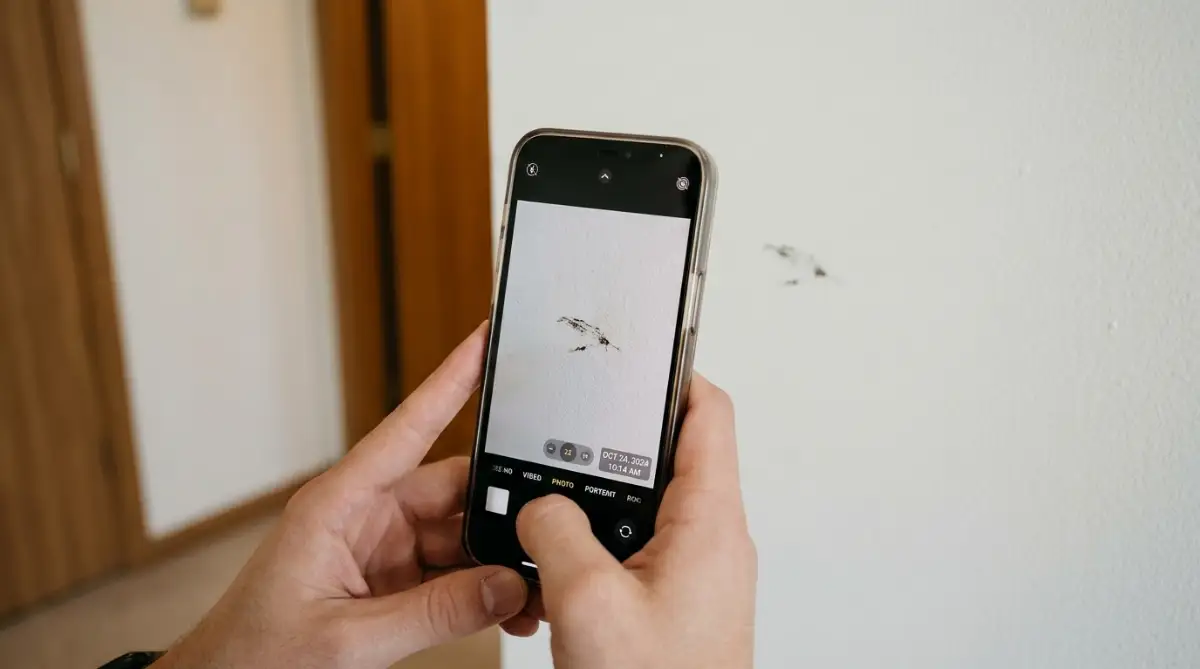
Document Everything: The Digital Paper Trail
In the age of smartphones, you have zero excuses for not having visual proof. Before you move a single piece of furniture into the new place, take photos. When you are moving out, take even more photos. I learned this the hard way after being charged for a broken drawer I never touched. Now, I record a video walk-through of the entire apartment on the day I vacate.
Open every cabinet, turn on every light, and flush every toilet while the camera is rolling. Capture photos of the clean carpets, the scrubbed oven, and the pristine walls. If there were existing damages when you moved in, make sure those are included in your photos. Time-stamp these files. They are your absolute best evidence if a dispute ever reaches a small claims court or a rental tribunal.
Pro Tip: I once made the mistake of deleting my move-out photos after I moved to my new city. Two months later, I received a bill for damages I knew I didn't cause, but I had lost the proof. Now, I keep a dedicated folder in my cloud storage titled "Rental Records" for every single place I live. Keep your photos for at least one year after you move out, just in case.
Why Photos and Written Records Matter
When it comes to getting your security deposit back, having clear evidence can make a real difference. A landlord might point to a stain on the carpet, a damaged wall, or another issue and claim it happened during your tenancy. If you have photos from the day you moved in showing the original condition, you have something concrete to support your side of the story. It helps keep the discussion focused on facts rather than conflicting memories.
That's why it's worth taking photos or videos of every room before moving your belongings in. Pay attention to existing scratches, stains, broken fixtures, and anything that doesn't look quite right. Keep those files somewhere safe, along with any inspection reports or move-in checklists. You can do the same when moving out to show the condition in which you left the property.
It's also a good idea to put important conversations in writing. If your landlord agrees to make a repair, approves a change, or discusses a deduction from your deposit, ask for confirmation by email or text. Verbal conversations can easily be forgotten or misunderstood, but written records give both sides something to refer back to if a disagreement comes up later.
You don't need to approach every conversation as an argument. Simply keeping good records from the beginning can save you a lot of stress when it's time to move out.
Differentiating Between Damage and Wear and Tear
o make it crystal clear, I’ve broken down the difference between what landlords can charge for and what is strictly your responsibility. Keeping this table handy will save you from unfair deductions: