The Illusion of the Popular Website
I remember sitting in my home office, coffee in hand, refreshing my analytics page every five minutes. The numbers were climbing steadily, and I felt like a king. I had thousands of visitors hitting my site every single day. I thought I had finally cracked the code to success.
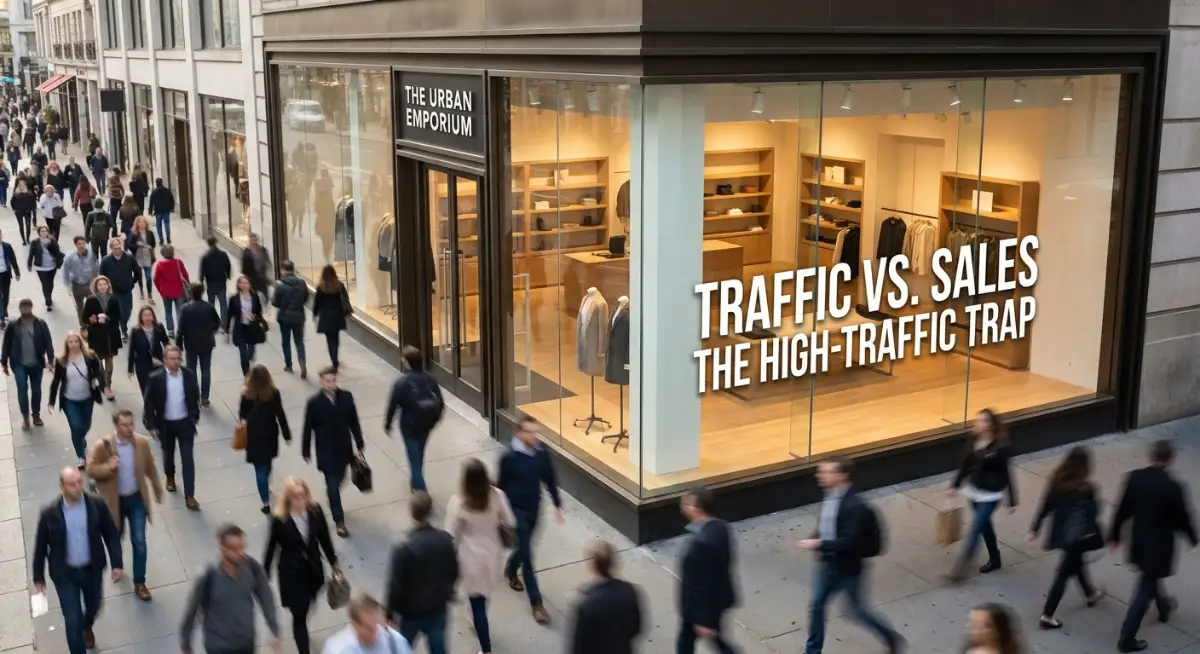
But then I checked my bank account. It was practically empty. I had all this "popularity," yet no one was buying what I was selling. It was a humiliating realization that hit me like a ton of bricks. I had built a busy street, but I hadn't built a shop that people actually wanted to walk into.
You might be in this exact spot right now. You are doing the hard work. You are writing blog posts, posting on social media, and chasing those SEO rankings. When the traffic spikes, you think you’ve won. But if the register isn't ringing, you haven't won anything yet. You’ve just built a very expensive hobby.
This is the hidden struggle of the modern online business owner. We are fed the idea that traffic is the end-all-be-all. We are told to "get eyes on our site," as if that alone will generate profit. When those eyes don't lead to dollars, it drains your motivation. It makes you feel like you are doing everything right, but getting absolutely nothing for it.
The pain comes from the effort you put in. You spend hours researching keywords and designing posts. You lose sleep over why your traffic isn't converting. You start to doubt the product, the price, and your own ability to run a business. But the truth is, the product and the price might be fine. You just haven't looked at who is actually visiting your site.
Let’s be honest with ourselves. Not all visitors are created equal. Some people are there to steal your ideas, some are there for free stuff, and some are just lost. If you are inviting the wrong people to your party, don't be surprised when they don't buy the drinks. We need to stop chasing numbers and start chasing intent.
Why Your Visitors Leave Without Buying
The biggest reason for the traffic-to-sales gap is a mismatch between intent and experience. You are attracting people who want one thing, but your site is trying to sell them another. It’s like opening a high-end steakhouse but advertising "Free Water" to everyone who walks by. Of course, you’ll get a crowd—but they are all there for the wrong reason.
The Problem of "Freebie Seekers"
If your content is all about "How to do this for free," you are attracting an audience that wants to avoid paying for anything. When these people arrive at your site, they see your product price tag and they bounce. They were never your customers in the first place.
You need to shift your content to talk about the results of your product. If you sell a tool that saves people time, your content should talk about how much time they are currently wasting. That attracts the person who is frustrated enough to pay for a solution. Don't write for the crowd; write for the buyer.
Friction: The Silent Killer of Conversions
Imagine you walk into a store, and the checkout counter is at the very back of a labyrinth, the staff ignores you, and the doors are locked. Would you buy anything? Probably not. That is what your website feels like when it is hard to navigate.
Check your site on a mobile phone. Is the checkout button hidden? Do you have pop-ups that block the entire screen as soon as someone lands? If you force a visitor to fight with your site to make a purchase, they will just leave. It’s not that they don't want your product; it’s that they don't have the patience for your broken checkout process.
The Trust Factor: Why Strangers Don't Buy
Would you walk up to a stranger on the street and hand them your credit card? No. That is exactly what you are asking people to do when they land on your site for the first time. They don't know who you are, why you are qualified, or if your product even works.
You need to earn their trust within the first five seconds. Show testimonials, display clear pricing, and tell your story. Make sure your "About" page feels human. People buy from people, not from faceless servers. If your site feels like a corporate robot made it, you are losing sales to competitors who actually sound like they care.
Myth vs. Reality: The Traffic Metrics
Pro Tip: The "Why" Check
Before you write your next post, look at your product. Ask yourself, "What pain does this solve?" Now, write a post that focuses only on that pain. If you sell specialized running shoes, don't write about "Top Ten Tips for Running." Write about "How to Fix Shin Splints with Proper Foot Support." The first post brings in people who want a generic list. The second post brings in people who are in pain and are ready to buy a solution. This one shift will change your conversion rate overnight.
Optimizing the "Above the Fold" Experience
The space on your website that people see before they start scrolling is the most valuable real estate you own. This is called "above the fold." If a new visitor lands on your site and the first thing they see is a giant logo or a blurry photo that has nothing to do with your product, you have failed.
Your top section should immediately say: What I sell, who it is for, and how they can get it. If you have to scroll down to figure out what you are selling, you have already lost half your visitors. Keep it simple and keep it clear. Make your call to action (like a "Shop Now" or "Get Started" button) stand out in a bright color.
Aligning Keywords with Commercial Intent
Not all keywords are equal. Some keywords are for information, others are for action. If someone searches for "What is an e-commerce platform," they are learning. If someone searches for "best e-commerce platform for small business," they are shopping.
Stop trying to rank for generic terms that bring in the "looky-loos." Focus your SEO efforts on terms that imply the user is ready to solve a problem. These are called "High-Intent Keywords." They might have less traffic than the broad terms, but the visitors you get will actually reach for their wallets.
The Role of Social Proof in Closing the Sale
If you are a new business, you don't have a lot of history. That’s okay. You can still use social proof. Ask your first few customers for honest feedback. Put their quotes on your product page.
People feel much safer when they know someone else has already taken the plunge and survived. It reduces the perceived risk of the purchase. If you don't have customers yet, offer a free trial or a discount in exchange for a review. You need to build a library of reasons for people to trust you.
Simplifying the Buying Journey
Go through your own website and try to buy your own product. Time yourself. How many clicks does it take from the homepage to the "Thank You" page? If it takes more than four clicks, you have work to do.
Every extra click is an opportunity for a customer to change their mind. Remove the fluff. Strip away the extra steps. If you don't need their phone number to process the order, don't ask for it. Every field in your form is a barrier. Make it as easy to give you money as it is to leave the site.
The "High-Traffic" Trap
Sometimes, you get lucky and a post goes viral, bringing in tens of thousands of people. It feels great, but it can actually be a trap. If these people aren't interested in your actual product, they just inflate your server costs and lower your conversion rate percentage.
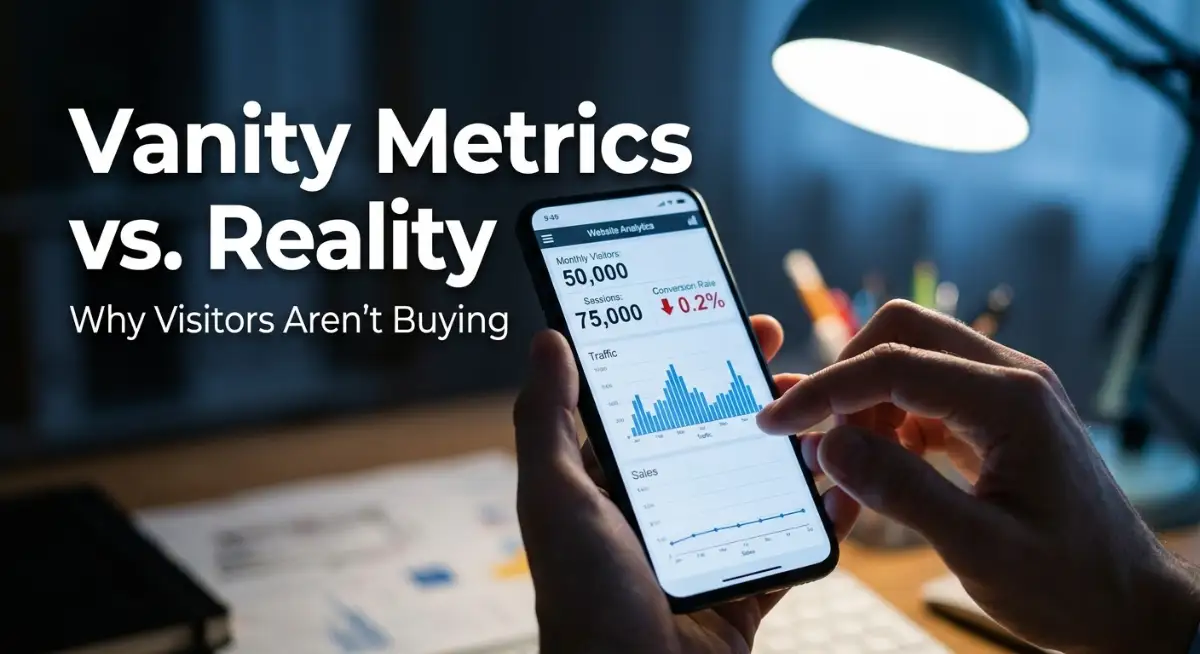
Don't let vanity metrics fool you. If your conversion rate drops when your traffic spikes, it means you have brought in a crowd of window shoppers. Don't change your business model to suit the crowd. Keep your focus on the small group of people who are actually willing to pay you. That is where your growth will come from.
Focusing on Lifetime Value
A sale is not the end of the relationship; it is the beginning. If you get a customer, treat them like gold. Send them a thank you email. Check in with them to see if they liked the product.
A customer who trusts you is much more likely to buy from you again. It is much easier to sell to someone who has already bought than it is to find a new person on the street. Focus on the long-term value of your users, not just the single transaction. This is how businesses become brands.
Your Path to Profitable Traffic
You don't need millions of visitors to make a great living. You need a few thousand visitors who actually care about what you do. You need traffic that knows why they are there and what they want to solve.
Stop looking at the traffic graphs with a sense of desperation. Look at them with curiosity. Figure out who is buying and why. Then, do more of that. You have the tools, and you have the product. Now, just align your focus.
A Quick Look at the Analytics
The data inside your dashboard can tell you the whole story if you know how to read it. Here is a quick video that explains why you should care more about "conversion rate" than "total page views."
Final Thoughts on Scaling Your Revenue
You are doing the right thing by questioning why your traffic isn't translating to sales. Most people never get that far. They just keep burning money on ads or content that doesn't work. By asking this, you are already ahead.
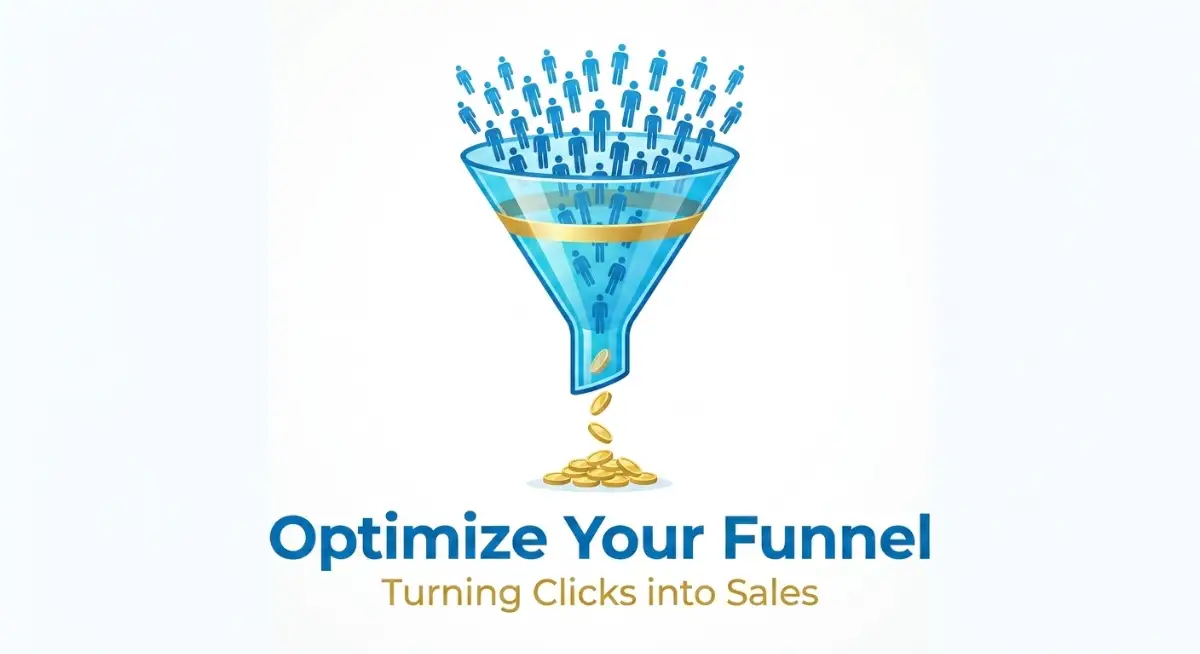
Don't let the lack of sales get you down. It is a puzzle, not a tragedy. You have the ability to fix the links in your funnel. You have the ability to make your site a better place for your buyers.
Keep testing. Keep tweaking. Keep talking to your customers. If you treat your site as a living, breathing partner in your business, it will start to pay you back. I know you can build something that not only gets a lot of traffic but also puts money in your pocket. Keep working at it, and keep it simple.
Refining Your Strategy for Sustainable Growth
You have already begun to identify the gap between sheer visitor numbers and actual revenue. Now, let’s talk about the sophisticated strategies that shift your site from a "traffic hub" to a "profit engine." Most website owners get stuck because they focus on what the search engines want, completely forgetting what the actual human on the other side of the screen needs.
If you want to move the needle, you have to prioritize user intent optimization. When someone lands on your page, do they find the answer they were seeking within the first three seconds? If not, they are gone. You should focus on writing for intent because aligning your content with what your visitors are truly searching for is the single most effective way to improve your conversion rate.
Another secret is to use automation to qualify your leads before they even reach your checkout page. Many business owners waste hours manually answering questions that could be handled by a simple bot or a well-placed FAQ section. By learning how to bridge the professional skill gap by mastering basic automation tools, you can filter out the tire-kickers and spend your time helping the buyers who are ready to take action. You aren't just saving time; you are creating a smoother experience for the customer.
I also recommend that you keep a very close eye on your site's technical health. A slow website is a conversion killer. Users today have zero patience for a page that takes more than three seconds to load. You can check the latest industry benchmarks on page speed and user experience at the Google Search Central Blog, which provides excellent updates on how speed affects rankings and revenue.
Finally, think about your mental approach to data. Do not let a few bad days of sales distract you from your long-term plan. Just like when you are dealing with investments, you need to stay calm during market volatility and stick to your strategy. If your data shows that a specific channel is underperforming, adjust your plan. Don't panic, and don't make impulsive changes to your entire site based on one week of stats.
- Expert Insight: I use a "Heat Map" tool on my most important sales pages. Seeing where people actually click—and where they stop—is far more valuable than just looking at a list of numbers. Often, a button that I thought was obvious is being completely ignored, while users are clicking on an image that isn't even a link. Fixing these small navigation gaps can double your conversion rate overnight.
Traps That Turn High Traffic into Empty Carts
I have seen countless startup founders lose their way because they got obsessed with vanity metrics. The biggest error is believing that "more is better." You might bring in fifty thousand visitors a month, but if those visitors aren't interested in your unique offer, you are just burning resources.
This is exactly why the silent killers and unspoken reasons startups fail in cycle one often point back to poor market fit. If you are selling high-end leather goods, but your blog posts are all about "how to save money on cheap alternatives," you are attracting the wrong crowd. You are working hard, but you are not working smart.
Another devastating mistake is failing to test your checkout process on mobile devices. I see so many sites that look perfect on a desktop but are a complete mess on a phone. The buttons are too small, the text overlaps, and the checkout page refuses to load. If your mobile experience is frustrating, you are throwing money away.
Do not assume your customers will work as hard as you do to find the "buy" button. They won't. They will just hit the back button and go to your competitor. Test your site on every device you can get your hands on.
Avoid the temptation to clutter your page with too many choices. A visitor who is presented with ten different products to click on often chooses none of them. This is the paradox of choice. Keep your sales pages focused. If you want them to buy a specific item, make sure that item is the star of the show.
Lastly, be wary of ignoring your existing customers to chase new ones. The person who already bought from you is the most likely to buy from you again. If you don't collect emails or reach out to your previous buyers, you are leaving your easiest profit on the table. Focus on building that relationship instead of just hunting for fresh traffic.
Your Path to Profitable Growth
You have the ability to transform your site from a traffic-heavy, sales-poor platform into a well-oiled machine. It won't happen by accident, and it won't happen overnight. It happens when you look at the data, understand the human behind the click, and make small, thoughtful changes.
You don't need to be a marketing wizard to make this work. You just need to be a careful observer of your own business. Every time you see a visitor drop off, ask yourself why. Every time a sale is made, ask yourself what worked.
I have faced these same hurdles. I have spent months chasing the wrong audience before I finally realized that my content wasn't speaking to my ideal buyer. But once I made the change, the results were incredible. You can do the same.
Action Plan for Tomorrow
- Audit Your Top 3 Pages: Look at your top-trafficked pages and ensure they have a clear, singular goal.
- Fix Mobile UX: Go through your checkout process on your phone and remove any step that feels unnecessary.
- Test Your CTAs: Change the color or the text of your main button and see if you get a different result over the next week.
- Talk to a Customer: Send one email to a past buyer and ask them what made them decide to purchase from you.
I know how frustrating it is to put in the work without seeing the return, but keep going. My own success came only when I stopped focusing on the vanity numbers and started focusing on the person on the other end of the screen. I believe your site has massive potential, and by applying these changes, you are going to unlock it.
Common Questions About Traffic and Sales
Why does my traffic spike but my sales remain flat?
Usually, this means your traffic source isn't aligned with your product. You might be ranking for keywords that people search for when they are just curious, rather than when they are ready to buy.
How do I know if my website design is the problem?
Check your "bounce rate" on your sales pages. If a huge percentage of people leave your site after seeing only one page, your design or your messaging is likely not keeping them interested.
Should I change my pricing if traffic is low?
Not necessarily. Pricing should reflect the value you provide. If you have traffic but no sales, it is usually a trust or messaging issue, not a price issue. Fix the trust first.
Is social media traffic better than SEO traffic?
SEO traffic is usually higher quality because the person is actively searching for your solution. Social media traffic is often passive, meaning those people may just be browsing and not ready to spend.
Can I fix conversion issues without being a tech expert?
Yes. You can fix most conversion issues with simple language changes, clearer images, and better button placement. You don't need to code to make a website more persuasive.
Disclaimer: This content is for educational purposes only and does not constitute professional business, legal, or financial advice. E-commerce success depends on many factors, including market conditions, product quality, and individual strategy. Always perform your own research and consult with a professional if you have concerns about your business's financial performance. By following these steps, you acknowledge that you are responsible for your own business outcomes.