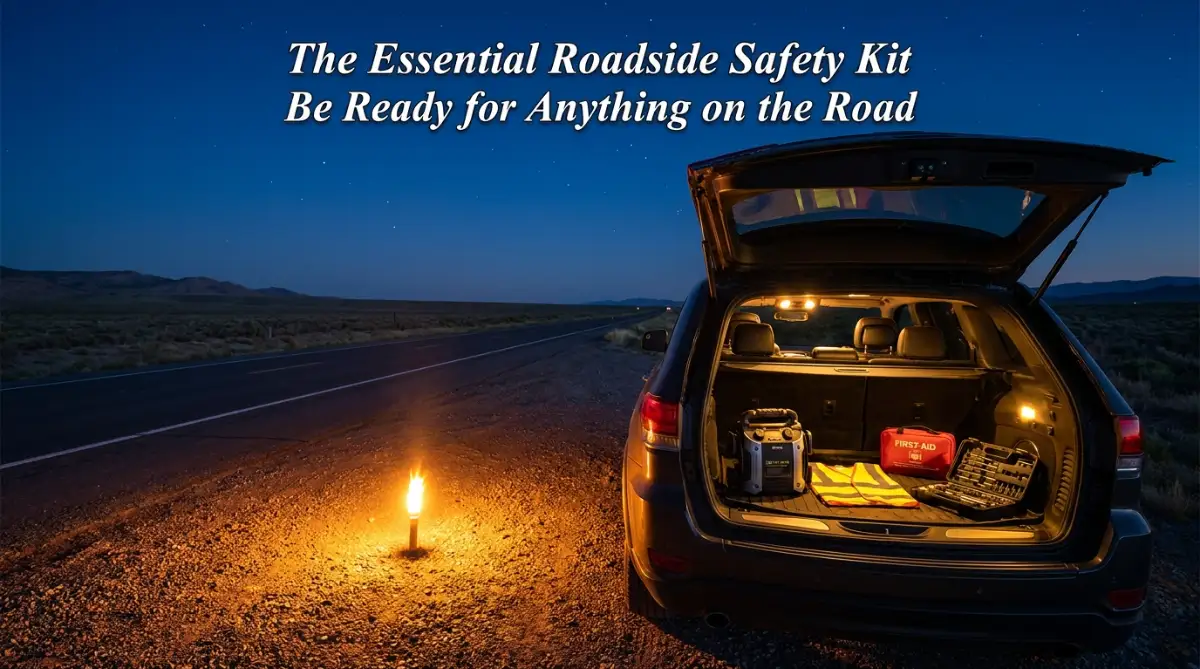
Emergency Readiness Checklist:
- Visibility First: A reflective vest and a powerful flashlight are your primary defense against highway hazards.
- Mechanical Basics: Keep a jump starter and tire inflator in your trunk; they solve 90% of minor breakdowns.
- Personal Survival: Always carry enough water and a warm blanket for unexpected, long wait times.
- Routine Checks: Test your batteries and check tire pressure every 90 days.
The Long Night I Will Never Forget
Your car is dead, the highway is pitch black, and there isn't a single streetlamp in sight. Panic sets in the moment you realize your trunk is empty and you have no way to signal for help. Don't wait for a midnight breakdown to discover your lack of preparation. Let’s build a safety kit that ensures you never feel helpless on the road again.
I sat there for a long time, watching the occasional set of headlights zip past, wishing I had thought ahead. I didn't have a flashlight, I didn't have water, and I didn't even have a blanket to keep the chill out. My frustration wasn't just with the car; it was with myself for being so careless. I had treated the journey as a simple drive rather than a situation that required preparation.
That night changed how I approach every single trip I take. It wasn't about being paranoid or expecting the worst. It was about respect for the road and the reality that machines can fail when you least expect it. I felt completely helpless, and I vowed never to put myself or my family in that position again.
You might have felt this same sinking feeling. Perhaps you have popped a tire on a rainy day or found yourself needing a jump start when you were already running late. The fear isn't just about the breakdown; it’s about the vulnerability of being stuck. Your mental peace is shattered the moment you realize you are out of control.
Most of us assume help is just a phone call away, but that isn't always the case. Dead batteries, no signal, and bad weather are real problems that affect thousands of drivers every year. You deserve to feel confident behind the wheel, knowing that if the worst happens, you have the means to handle it.
Building Your Personal Roadside Survival Blueprint
You don't need to overcomplicate this. The goal is to keep yourself safe, visible, and comfortable until help arrives or until you can fix the problem. Start by thinking about the "big three" areas: visibility, mechanical help, and personal needs.
Lighting the Way in the Dark
If you are stuck on a highway at night, you are invisible to other drivers. This is the biggest danger you face. You need to be seen from a distance, long before a car reaches your location.
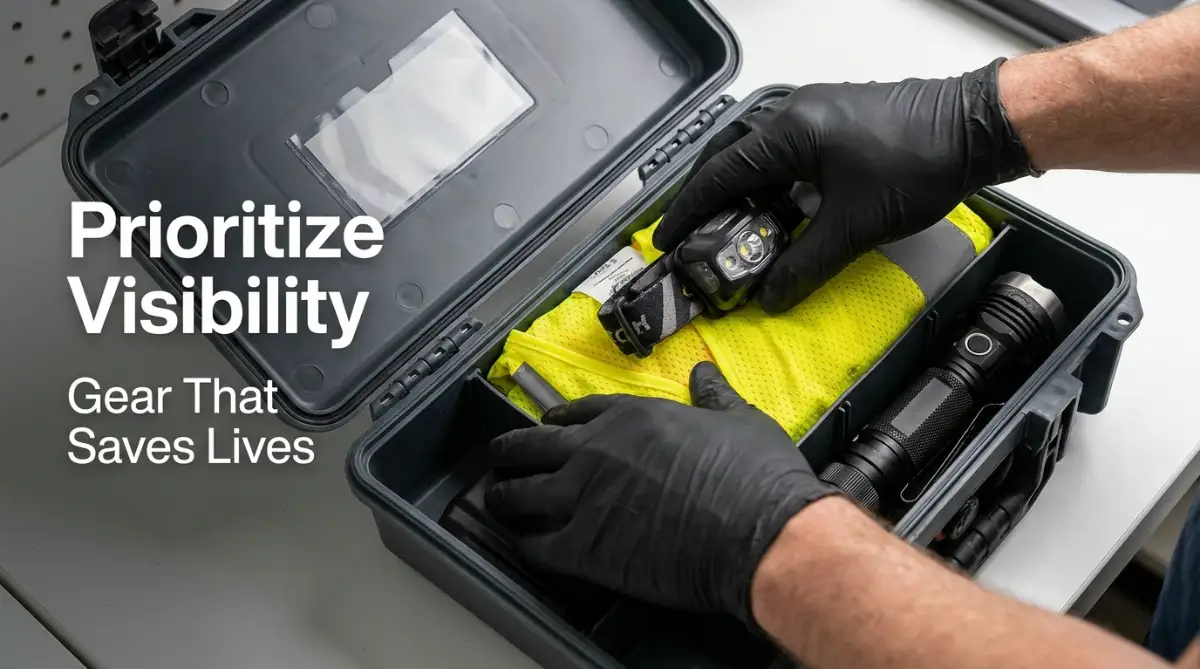
Start with a high-quality, heavy-duty flashlight. Do not rely on your phone’s light; it will drain your battery, and you might need that for a call. Look for a flashlight that has a flashing red signal mode. If you can, get a magnetic work light that can stick to the side of your car.
Add reflective gear to your kit. A reflective vest is one of the smartest things you can own. If you have to step out of your car to check a tire, wearing that vest makes you stand out to oncoming traffic. It is a simple item, but it is one of the most effective safety tools you can buy.
Handling the Mechanical Basics
You don't need to rebuild an engine, but you should be able to handle the common issues that stop a car dead. A flat tire and a dead battery are the two most common reasons for a breakdown.
Make sure you have a portable jump starter. These modern devices are small, hold a charge for months, and eliminate the need to flag down a stranger for a jump. They are much safer and easier to use than traditional jumper cables.
For tires, keep a portable tire inflator. Many times, a "flat" is just a slow leak that you can pump up enough to drive to the next service station. A quality gauge to check your tire pressure is also a must-have. You cannot fix what you cannot measure, so keep these tools handy.
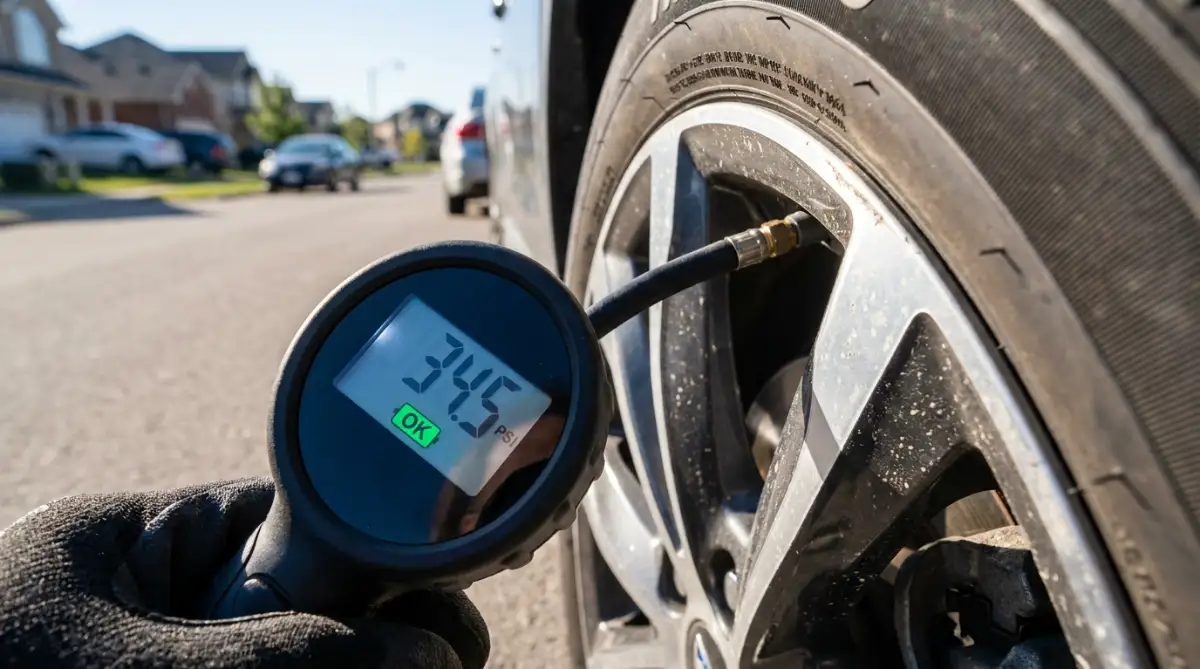
The "Hidden Battery" Reality:
Most drivers forget that the portable battery in their kit is just like their phone. If it sits in a hot trunk for a year, it will drain and become useless. I make it a habit to check my jump-starter levels every time I change my car's oil. Never assume a tool is "ready to go" just because it’s in your kit.
The Personal Comfort Layer
When your car stops, the heater or air conditioner stops with it. This is why you must have personal supplies that protect you from the elements. If you are traveling in a cold area, a wool blanket or a foil emergency blanket is non-negotiable.
Keep a few bottles of water in your trunk at all times. If you are stuck for a few hours, dehydration will set in quickly, especially if the sun is beating down on your windshield. A few high-protein snack bars are also a great idea. They stay good for months, and they keep your energy up if you find yourself waiting for a tow truck.
Pro Tip: My "Out of Sight" Realization
I once spent an hour trying to find my flashlight in the dark because it was buried under a bag of gear. My pro tip for you is to keep your roadside kit in a single, dedicated bin that sits on top of everything else in your trunk. If you have to dig for it, it isn't a safety kit; it’s just storage. Make sure your kit is the very first thing you can grab in the dark.
The Power of Being Prepared
Being prepared changes your attitude. When you know you have the right gear, you don't panic when you hear a strange noise or feel a tire go soft. You know you have the tools to evaluate the situation.
This confidence makes you a better driver. You won't make rash decisions because you are scared of being stranded. You will stay calm, pull over safely, and use your tools. That level-headedness is the single greatest safety feature you can have.
Getting Help When You Need It
Sometimes, the kit is not enough, and you need to call a professional. Keep a written list of emergency contacts in your glove box. Do not just rely on your phone’s contacts. If your phone dies, you need to be able to see those numbers on paper.
Write down your insurance company’s roadside assistance number, a local towing service, and a number for a family member or friend who can help. It sounds old-fashioned, but it works every single time. It is a foolproof backup plan for when your technology lets you down.
Setting Up Your Emergency Signals
If you have a flat tire, you might need to leave the car to move safely away from traffic. Before you do that, make sure your hazard lights are on. If you have reflective triangles, place them a good distance behind your car.
The rule of thumb is to place them far enough back so that approaching drivers have plenty of time to see you and move over. If you don't have triangles, road flares are a great alternative. They are highly visible, especially in low-light conditions.
Keeping Your Kit Updated
A safety kit is not a one-time thing. Every six months, go through your supplies. Check the expiration date on your snacks. Test your flashlight batteries to make sure they haven't leaked.
If you have used any items from your first-aid kit, replace them. A safety kit with missing supplies is only half as effective as a complete one. Treat this like a routine chore, just like changing your oil or rotating your tires. It is part of owning and driving a car responsibly.
What About First Aid?
A basic first-aid kit is something every car should have, even if you are just driving to the grocery store. Keep it stocked with bandages, antiseptic wipes, sterile gauze, and a pair of scissors. If you have any specific medical needs, make sure you have extra supplies in the kit.
You don't need a medical degree to be helpful in an emergency. Being able to clean and cover a small cut can prevent an infection, and having access to basic supplies can keep a minor issue from becoming a major one. It is all about having the basics ready when they are needed.
Planning for the Road Ahead
Travel is about the journey, not just the destination. When you build a safety kit, you are acknowledging that the journey can be unpredictable. You are taking responsibility for your own well-being.
This mindset is what separates an experienced traveler from a novice. The novice hopes for the best. The experienced traveler prepares for the possible. Which one do you want to be?
Using the Right Tools for the Right Job
Don't just buy the cheapest gear you find. Your safety is worth the investment in quality tools. A flashlight that breaks the first time you drop it is useless. A tire inflator that stops working after one use will leave you stranded.
Read reviews, look for durable designs, and choose items that are meant for rough use. You want these tools to last, and you want to be able to trust them when the pressure is on. Quality tools are a part of your insurance policy against bad luck.
How to Organize Your Kit
Efficiency matters when you are stressed. Group your items by how you use them. Put your flat-tire tools together in one compartment of your bin. Keep your first-aid kit in its own pouch.
When you open your kit, you should know exactly where to reach for the flashlight or the jumper cables. This organization reduces the time you spend outside your car, which keeps you safer. Spend an hour organizing your kit this weekend. It is the best hour you will spend on your car all year.
The Real Value of Peace of Mind
Peace of mind is not a luxury. It is a necessary part of enjoying your travels. When you aren't worried about the "what ifs," you can actually focus on the beauty of the trip. You can enjoy the music, the conversation, and the view.
You built a kit so you could stop worrying. Use that freedom. Drive with the knowledge that you have done everything you can to prepare. That is how you turn a potentially bad day into a manageable situation.
A Quick Look at Roadside Preparedness
The act of being ready for the road is a skill that saves time and money. Here is a quick video that walks you through the essential items every driver should have in their trunk, ensuring you are ready for any surprise.
Final Thoughts on Road Safety
You have the power to stay safe, no matter where your travels take you. Building this kit is a simple task, but it speaks volumes about how much you value your safety and the safety of those riding with you.
Don't wait for a breakdown to start this project. Go to your car today, open the trunk, and see what you are currently missing. You will feel a real sense of accomplishment once you know you are prepared for whatever the road throws your way. I am confident that once you have your kit in place, you will feel a new level of ease on your next long-distance adventure.
Common Questions About Roadside Safety
What is the most important item in a roadside kit?
While it depends on your specific needs, a high-quality flashlight and a way to charge your phone or jump-start your car are usually at the top of the list. Visibility and the ability to restart your engine are the two biggest factors in getting help.
How often should I check my tire pressure?
You should check your tire pressure at least once a month. Proper inflation not only improves your safety and prevents flats, but it also improves your gas mileage.
Should I carry a fire extinguisher in my car?
Yes, a small, car-rated fire extinguisher is a smart addition to any kit. If you ever see smoke coming from under your hood, having the ability to put out a small electrical fire can save your vehicle.
What should I do if I have no signal?
Stay with your vehicle. It is much easier for help to find a car than it is for them to find a person wandering on foot. Use your hazard lights and if it’s dark, keep your dome light on so you are visible to passing cars.
Is it safe to change a tire on the side of a busy highway?
Only if you can get completely off the road and have a safe, flat surface. If the shoulder is too narrow or there is heavy traffic, do not attempt it. Stay in your vehicle with your seatbelt on and call for professional roadside assistance.
Mastering Your Roadside Strategy: Beyond the Basic Kit
You have the flashlight and the jumper cables, but true preparedness involves thinking about the "what-ifs" that most drivers ignore. Professionals don't just carry gear; they carry a system. When you are miles from the nearest town, you need to rely on your habits rather than your memory.
The Digital Backup Plan
Your phone is likely your primary tool for calling for help, but it can fail. Batteries die, screens crack, and signals drop in remote areas. A pro-level secret is to keep a physical "Emergency Folder" in your glove box. This should contain photocopies of your insurance policy, your medical info, and local emergency numbers. If you need help with decoding medical bills later on, having your history handy is a major advantage. Treat your paper records with the same care you give your digital ones.
Managing Fatigue and Mental Clarity
Long-distance travel is taxing on your mind. You might have the best tools in the world, but if you are too tired to use them, they won't help. I treat driving fatigue like I treat physical injury. Just as why mental health check-ups are just as essential as physical screenings, I ensure I have mental breaks every few hours. Pull over, walk around, and reset your brain. If you are struggling to stay focused, don't push through it. That is when mistakes happen.
Securing Your Tech and Communications
While we are on the road, our devices are often exposed to unsecured public Wi-Fi or Bluetooth threats. It sounds strange, but you should keep your tech security in mind even when traveling. Think about how you protect your data at home and apply those same principles. You can find more info on protecting your connections in the home network security guide to protect your privacy at home. Keep your devices powered, updated, and secure, so your communication lines remain open.
The Art of Staying Calm
Panic is the enemy of survival. When something goes wrong, your instinct might be to rush, but rushing causes accidents. I practice a simple technique when a mechanical issue arises: I stop, breathe, and count to ten. It sounds simple, but it stops the adrenaline from clouding my judgment. It is the same mindset I use when how to stay calm and invest wisely during market volatility requires a clear head. Stay calm, and you will think of solutions you would have missed if you were freaking out.
- Expert Tip: Keep a small, sealed bag with a few "just-in-case" items that don't involve the car. I include a spare pair of glasses, a phone charger that doesn't rely on the car's battery, and a laminated map of the region. Maps don't run out of power. The U.S. Department of Transportation offers extensive resources on safe driving practices that every long-distance traveler should review before hitting the road.
The Pitfalls of Overconfidence
The biggest mistake is the "It won't happen to me" mentality. I once thought my new car was so reliable that I didn't need to check my spare tire for a year. The one time I actually needed it, the spare was completely flat. That simple oversight turned a thirty-minute repair into a three-hour ordeal.
People often neglect their emergency gear because they find it boring. They pack it once, throw it in the trunk, and never look at it again. This is dangerous. Batteries in flashlights leak, snacks expire, and tires lose pressure. If you don't check your gear every few months, you aren't actually prepared; you are just pretending to be.
Another trap is failing to tell anyone your plan. We live in a world where we can track each other, but don't assume your family knows where you are. Tell someone your route and your expected arrival time. If you go silent, they should know where to look. Failing to share your plans is a massive risk when you are driving through areas with limited cell service.
Some drivers get into trouble by trying to fix things they don't understand. If you don't know how to change a tire or jump a battery, buy the tools but also watch a video on how to use them before you leave. Fumbling with a jack on the side of a busy highway is not the time to learn the mechanics. It leads to frustration, broken parts, and bruised egos.
Lastly, don't ignore the warning signs your car gives you before the breakdown. A weird sound, a slight vibration, or a light on your dashboard are not suggestions. They are messages from your vehicle. Ignoring these because you are "almost there" often turns a minor repair into a major breakdown. It is much cheaper to check the car at a service station than to be towed off the shoulder at midnight.
A Safer Journey Awaits
Taking charge of your road safety is one of the smartest things you can do for your peace of mind. It isn't about being afraid; it is about being ready. When you have your kit, your plan, and your calm mindset, you control the outcome.
I have learned that the road is much more enjoyable when you know you have a backup plan. I don't dread the possibility of a flat tire anymore because I know I have the gear to handle it. You can have that same feeling of total control.
My journey to being prepared was full of small lessons, but each one made my trips safer. Start building your kit today, even if it is just a few items to get you started. Your future self will thank you the moment you need that flashlight or that spare blanket.
I want you to feel empowered every time you get behind the wheel. Don't just drive; travel with intent. Pack your safety kit, check your car, and get out there with the confidence that you are ready for anything the road throws your way.
Common Questions About Road Safety Kits
Does every car need the same safety kit?
No. You should adjust your kit based on the climate and the distance you travel. If you are driving in a snowy area, you need more cold-weather gear. If you are driving in a desert, you need more water. Always tailor your kit to your environment.
Where is the best place to store my safety kit?
It needs to be in a place where you can reach it quickly, even if your trunk is full. A dedicated bin or a specialized car organizer works best. Make sure it doesn't shift around while you drive.
Can I use a portable power bank for my car?
Yes, modern lithium jump starters are excellent. Just make sure you keep them charged, as they lose their power over time if they sit in a cold or hot car for too long.
What should I do if I am traveling alone?
Being alone means you have to be extra careful. Having a way to signal for help—like a bright reflective triangle or flares—is even more important. Always keep your phone charged and share your location with a trusted contact.
Should I keep my old tools in the kit?
Only if they still work. Old, rusted, or damaged tools are a liability. If a tool isn't reliable, replace it. You only get one chance to use these tools when things go wrong, so they must be in perfect condition.
Disclaimer: This content is for educational purposes only and does not constitute professional automotive or emergency safety advice. Roadside emergencies present significant risks, and you should always prioritize your safety by moving away from traffic if possible. I recommend verifying your roadside assistance coverage with your insurance provider and consulting with a mechanic to ensure your vehicle is equipped for your specific travel needs. By preparing a safety kit, you agree that you are responsible for maintaining your equipment and handling roadside situations with caution.