The Night I Realized I Was Not Alone
It was three in the morning when I woke up to check my emails. I sat there in the dark, scrolling through my phone, when I noticed something odd in my home network management app. There was a device listed that I didn't recognize. It was labeled as an generic smart device, but I knew for a fact that I didn't own anything like it.
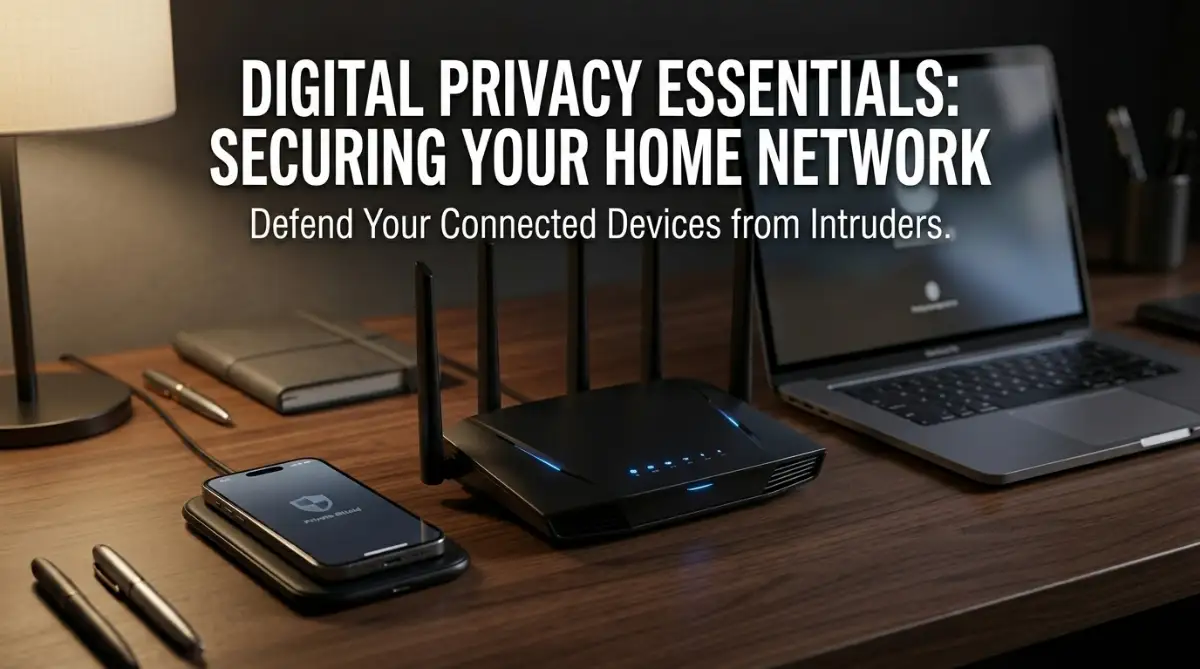
My heart started racing. I looked around my quiet living room, suddenly feeling like an intruder was watching me through my own digital front door. I realized that my router, which I had set up months ago, was still running on default settings. I had never bothered to change the name, the password, or the security protocol.
I felt a wave of frustration and embarrassment. I consider myself tech-savvy, yet I had left my home completely wide open to anyone with a signal scanner nearby. That feeling of violation—of knowing that someone, somewhere, could have been peaking at my traffic—changed my entire perspective on home security.
You might think that your home is just a place for casual browsing, but it is actually the hub of your entire digital identity. From your banking passwords to the photos of your family, everything flows through that connection. When you ignore your network security, you are leaving your front door unlocked in a crowded neighborhood.
The mental stress of wondering "who is on my Wi-Fi?" is unnecessary. It creates a constant, low-level anxiety that distracts you from your day. You deserve the peace of mind that comes from knowing your home is your digital fortress. Let me show you how to close those gaps and keep the digital burglars away.
Strengthening Your Digital Perimeter
Securing your network is not as hard as it sounds. You do not need to be a computer engineer to make your connection safe. You just need to follow a few standard practices that act as a high-tech deadbolt for your home.
Turning Your Router into a Fortress
The router is the gateway to your home. If it is weak, everything behind it is weak. Most people make the mistake of leaving the default admin credentials exactly as they were when they took the device out of the box. This is the first place a hacker looks.
Go into your router settings today and change the admin username and password. Do not use your pet's name or your birthday. Use a long, complex string of characters that has no relation to your personal life. Write it down and keep it somewhere safe, or better yet, use a password manager.

Locking Down Your Wi-Fi Signal
Next, look at the network name, also known as the SSID. Is it still the model number of your router? Change it to something unique that does not identify you, your address, or the specific model of your hardware. A generic name like "BlueSky" is much better than "John-Smith-Netgear-Router."
After that, enable the strongest encryption available in your settings. This is usually labeled as WPA3. If your devices are a bit older, WPA2-AES is the industry standard for a good reason. Never, ever use "WEP" or "WPA" (the old versions) as they are extremely easy to break.
Separating Your Guests and Your Gear
Most modern routers allow you to create a "Guest Network." This is a hidden gem for home security. When friends or family come over, give them the password for the guest network instead of your main one. This isolates their devices—which you don't know the status of—from your main computer and smart home devices.
If one of their phones happens to be infected with malware, it won't be able to "jump" onto your main network and infect your primary computer. This is a simple separation tactic that creates a second layer of defense. It takes about two minutes to set up, but it protects you for a lifetime.
A Personal Lesson from My Network Setup
I once made the mistake of connecting my smart light bulbs to my primary Wi-Fi network without checking their firmware. I learned the hard way when I read a report about that specific brand having a vulnerability that allowed access to the main network. My realization was simple: treat every single device, no matter how small or "dumb," as a potential weak point. I now keep all my smart home devices on a separate, isolated network segment.
The Power of Firmware Updates
Software updates are not just for your phone or your laptop. Your router has its own operating system, and it needs regular maintenance. Manufacturers often release updates to patch security holes that hackers have discovered. If you aren't updating, you are essentially driving a car with a known defect.
Check your router's administrative page once a month to see if there is a pending firmware update. If your router supports "auto-update," turn it on immediately. This ensures that the manufacturer can patch a vulnerability the moment they find one, without you needing to lift a finger.
Want to see these network security strategies in action? Watch this video to learn exactly how to configure your router settings for maximum protection!
Disabling Features You Don't Use
Routers often come with features that sound convenient but are actually security risks. One of the most famous is WPS (Wi-Fi Protected Setup). This is the button you press on the router to connect a device without entering a password. It sounds great, but it has a documented flaw that makes it very easy for attackers to brute-force their way into your network.
Go into your settings and turn off WPS. Also, turn off "remote management." This feature allows you to access your router settings from outside your home. While it sounds useful, it is a massive hole in your security if someone manages to find your login credentials. Only allow router configuration from inside your local network.
Monitoring for Unwanted Guests
Every now and then, take a look at the "Attached Devices" list in your router's app. You should recognize every single device listed there. If you see a phone, a tablet, or a smart TV that doesn't belong to you, it is time to take action.
If you don't recognize a device, change your Wi-Fi password immediately. This will force every device to disconnect and re-authenticate. If the intruder was connected to your Wi-Fi, they will be kicked off and unable to get back in without the new password. It is a harsh but necessary reset.
Using a Strong Password for the Wi-Fi Itself
We already talked about the admin password, but the Wi-Fi connection password needs to be equally strong. Think of this as the key to your front door. If you give this key to everyone who visits, you have no idea who has a copy.
Avoid sharing this password freely. If you must share it, create a QR code for your guest network and keep it in a frame or on a piece of paper. This way, guests can connect without you needing to say the password out loud or type it into their devices. It keeps the "key" much safer.
Hiding Your Network (With a Caveat)
Some experts suggest "hiding" your SSID (network name) so it doesn't broadcast to the public. While this makes your network invisible to a casual scan, it doesn't make it invisible to a determined attacker. It is a form of "security through obscurity."
It is a helpful step, but do not rely on it as your only protection. It is like locking your door but not checking the window; it helps, but it isn't enough on its own. Pair this with strong encryption, and you have a much better setup.
The Importance of Device Isolation
If you have a lot of smart devices—like cameras, speakers, or smart plugs—consider a more advanced setup. Many of these devices are notoriously insecure because they don't get regular security updates. They are the "weak links" in your digital home.
If your router supports VLANs (Virtual Local Area Networks), create a separate network specifically for these IoT (Internet of Things) devices. This keeps them away from your main computer where you do your banking and work. If a camera is compromised, the hacker is stuck in the "camera network" and cannot easily jump to your main computer.
Preparing for the Future of Connectivity
As we add more devices to our homes, our network complexity grows. The basics I have outlined here—strong passwords, updated firmware, and guest networks—are the foundation. They will cover ninety percent of your security needs.
The remaining ten percent comes down to vigilance. Be mindful of what you connect. If a device seems cheap and the manufacturer doesn't have a clear privacy policy, think twice before letting it join your network. Your network is only as secure as the weakest device you allow to connect to it.
Stay curious about your settings. Technology changes, and so do the ways hackers try to get in. But if you maintain these core habits, you will be well ahead of the curve. You will be able to enjoy your connected life without that nagging fear in the back of your mind.
Why This Matters for Your Sanity
Security isn't just about preventing a hack. It is about removing a source of stress. When you know your home is secure, you don't have to worry every time you log into your bank account. You don't have to wonder if a smart device is recording your conversations.
This control gives you confidence. It allows you to use technology as it was meant to be used: as a tool to improve your life, not a threat to your privacy. Take these steps one by one. You don't have to do it all in one afternoon. Start with the password, then the updates, then the guest network.
Small, consistent actions lead to long-term safety. Your home is your sanctuary. Keep the digital doors locked, keep the intruders out, and enjoy the peace of a truly private space. You have the power to protect your digital life, and it starts with your home router.
Final Thoughts on Your Digital Fortress
You have taken the first step by learning what needs to be done. The only thing left is to take action. Set aside thirty minutes this weekend. Grab your router manual, log into that admin page, and start securing your network.
It feels great to know that your setup is locked down. It feels even better to know that you are the only one in control of your data. Keep updating, keep monitoring, and keep your network safe. Your digital privacy is worth every second you spend protecting it.
Going Beyond the Basics: Professional Steps to Network Hardening
If you want to keep your home network safe long-term, you need to think like someone who manages security for a living. Most people set their router up once and then forget about it for years. That "set it and forget it" mindset is the biggest risk to your digital privacy.
To stay safe, you must treat your home network as a living system. It needs attention, maintenance, and regular check-ups. Here are the pro-level steps that move you from "basic user" to "network guardian."
Segmenting Your Devices for Better Isolation
One of the best secrets professionals use is network segmentation. This means you split your devices into different virtual "neighborhoods" on your Wi-Fi. It is much easier to manage than it sounds.
Your router likely has a feature for a Guest Network. Use it for your smart home gadgets. Many smart bulbs, plugs, and cameras are made with very little security. If you keep them on their own "guest" lane, they cannot access your main computer or your smartphone if they get hacked.
For more technical details on why you should limit access across your devices, you can look at the official guidance on IoT security from CISA, which highlights why separating your hardware is a smart move. When you limit what a device can see on your network, you stop a potential breach in its tracks.
Using a Hardware Firewall or Advanced Gateway
If you are serious about privacy, consider looking into routers that offer more robust security features. Some routers allow you to install specialized software like OpenWrt or pfSense. These tools provide a much stronger barrier against attacks than the software that comes pre-installed by your internet provider.
By controlling your own gateway, you can block malicious traffic at the source. This is exactly how you bridge the professional skill gap by mastering basic automation tools in your digital life. It puts the power in your hands rather than the hands of a massive corporation.
Implementing DNS-Based Filtering
You can also change your DNS settings to add a layer of protection that works before you even load a page. Your DNS is like a phonebook for the internet. If you use a privacy-focused DNS service, it can block requests to known malicious or tracking websites automatically.
This doesn't just stop hackers; it stops trackers from following your habits. It is a powerful way to reclaim your data without needing to install dozens of complicated apps. You can set this up directly in your router settings so every single device in your home benefits instantly.
Why Your Behavior Matters More Than Your Hardware
You can have the most expensive, high-tech firewall on the market, but it won't help if you give away the keys. Digital security is ninety percent behavior and ten percent technology. You must be careful about what you download and which permissions you grant.
This applies to your home network just as much as your smartphone. If you are constantly granting unnecessary permissions to newly installed android apps, you are creating holes in your security. Be the gatekeeper of your own data and stop clicking "Allow" on every popup.
Regular Audits for Your Connected World
Set a recurring event in your calendar once a month to "audit" your network. Spend ten minutes checking your router app. Look at the device list and remove anything you don't recognize.
Think of it like checking your bank statement. If you notice the silent threat preventing unauthorized domain transfers, you act fast. The same urgency should apply to your network. If you aren't looking, you won't see the problem until it is already too late.
Keep an Eye on Your Home Insurance Implications
While we talk about digital locks, consider the real-world impact of a breach. Did you know that cyber-related losses can sometimes impact your home security status? It is worth understanding why home insurance companies deny claims and how to stay protected if your home setup is found to be negligent. Keeping your network updated is a form of risk management.

Common Pitfalls That Put Your Network at Risk
We often assume that because we have a password, we are protected. That is a dangerous lie. People fall into traps every day that make their networks easy pickings for anyone with a little patience.
The Myth of "Hidden" Networks
Many people hide their network name (SSID) thinking it makes them invisible. This is not true. Anyone with basic scanning software can still "see" that a network exists, even if the name is hidden.
Relying on this is like locking your screen door but leaving the house wide open. It does not stop a dedicated attacker. It only creates a false sense of security that makes you less likely to use strong encryption.
Using Shared Passwords Everywhere
If you use the same password for your router as you do for your social media or email, you are inviting disaster. If one of your online accounts gets compromised, the attacker will immediately try that same password on your home network devices. This is a common attack method known as "credential stuffing."
You must use a unique, complex password for your network gateway. If you find this hard to manage, use a password manager. There is no excuse for reusing weak, predictable passwords in this day and age.
Ignoring the Fine Print on Smart Devices
When you buy a cheap smart camera or a "smart" toaster, you are often buying a privacy nightmare. Many of these low-cost devices are rushed to market with zero security updates. They are essentially open doors into your home network.
If you don't research the security reputation of the manufacturer, you are taking a huge gamble. Always look for brands that have a history of releasing patches. If you can't find information about security updates, do not bring that device into your home.
Overlooking the "Default" Settings
Default settings are the number one friend of a hacker. Manufacturers set them up to be easy to use out of the box, not to be secure. They almost always use simple passwords like "admin" or "password."
If you leave these alone, you are leaving the door unlocked. It takes less than a minute to change them, yet people ignore this step constantly. If you want to see how your gaps in understanding financial tools can lead to trouble, read about understanding the gap how deductibles and out of pocket limits work. Just like deductibles, the "cost" of a breach is much higher than the time it takes to prevent it.
Assuming a VPN Solves Everything
A VPN is great for privacy, but it doesn't fix a bad router setup. Many people think, "I have a VPN, so I am safe." Your VPN protects your traffic from your Internet Service Provider, but it does not stop an intruder who is already on your Wi-Fi from attacking your devices.
Do not use a VPN as an excuse to be lazy with your network settings. You need a strong base layer first. Think of the router settings as the foundation of your house, and the VPN as the alarm system. You need both.
A Path Forward for Total Digital Safety
You have the knowledge now to make your home network a difficult target. It is not about being paranoid; it is about being prepared. You are the defender of your own digital space.
Your Daily Routine for Security
Start by making small changes. Today, check your router login. This weekend, check your firmware. Next month, scan your connected devices.
By making these small steps, you build a habit of security. You stop worrying because you know you have taken the necessary steps to protect your family and your data. That control is worth more than any fancy gadget.
Final Thoughts on Staying Vigilant
You are now equipped with the strategy to keep your home network locked tight. Remember that security is not a one-time setup; it is a consistent practice of checking, updating, and being mindful of what you connect. I have seen the stress of a compromised network firsthand, and I promise that the time you invest today is a gift to your future self. Take charge of your router now, keep your software updated, and enjoy the peace that comes with a truly private and secure digital home.
Common Questions About Home Network Security
Is it really necessary to change my router password?
Yes, absolutely. The default passwords that come with routers are public knowledge and are the first thing hackers try. Changing it is the single most effective way to prevent unauthorized access.
Does my router's firewall protect me from everything?
No, a firewall is just one layer of defense. It helps filter traffic, but it won't stop you from visiting a malicious website or clicking a bad link. You still need to be smart about your browsing habits.
What should I do if I think someone is already on my network?
Change your Wi-Fi password immediately, which will force every device to disconnect. Then, log into your router and check the attached devices list to see if any unknown devices attempt to reconnect.
Why do some people say to turn off UPnP?
UPnP is a feature that lets devices open ports on your router automatically. It is convenient, but it can be exploited by malware to bypass your security. If you don't absolutely need it, it is safer to turn it off.
Disclaimer: The information provided in this blog post is for educational purposes and is intended to help you improve your home network security. I am not a professional cybersecurity expert, and these steps do not guarantee 100% protection against all threats. Please consult with IT professionals or specific hardware documentation for your unique equipment to ensure safe and proper configuration.