The Moment I Realized My Roof Was Suffering
I remember the day I climbed onto my roof, feeling proud of the shiny new solar panels I had installed just months before. I expected to see a perfect, energy-saving setup that would make my neighbors jealous. Instead, what I found made my stomach turn. I noticed dark, damp patches around the mounting brackets and a subtle sagging near the center of the array.
I had assumed that paying for a professional installation meant the job was done perfectly. I trusted the process, assuming that solar panels were essentially "set it and forget it" technology. But staring at those water stains, I realized I had been wrong. My excitement quickly turned into stress, and I spent the rest of that afternoon worrying about the long-term health of my home.
It was a tough lesson to learn. I realized then that solar energy is about more than just electricity production. It is also about the structural integrity of the roof beneath it. I was no longer thinking about monthly savings; I was thinking about potential repair costs and ceiling damage.
The anxiety was real. Every time it rained, I found myself checking the attic for leaks, my peace of mind completely shattered. I realized that my home, the biggest investment I own, was potentially at risk because of a few inches of improper placement. It felt like I had traded my comfort for a system that was slowly causing more harm than good.
Have you ever looked up at your panels and wondered what is happening underneath? Many homeowners share this exact feeling of helplessness once they notice something is off. It is not just about a leaky roof; it is about the nagging doubt that you might have made a mistake. You want to save money, not spend thousands on roof repairs.
This situation drains your energy and makes you regret the decision to go green. You deserve better than a system that compromises your shelter. You deserve to know how to spot these problems before they become nightmares. Let’s look at the reality of this situation and how you can take control.
Why Your Roof Health Comes First
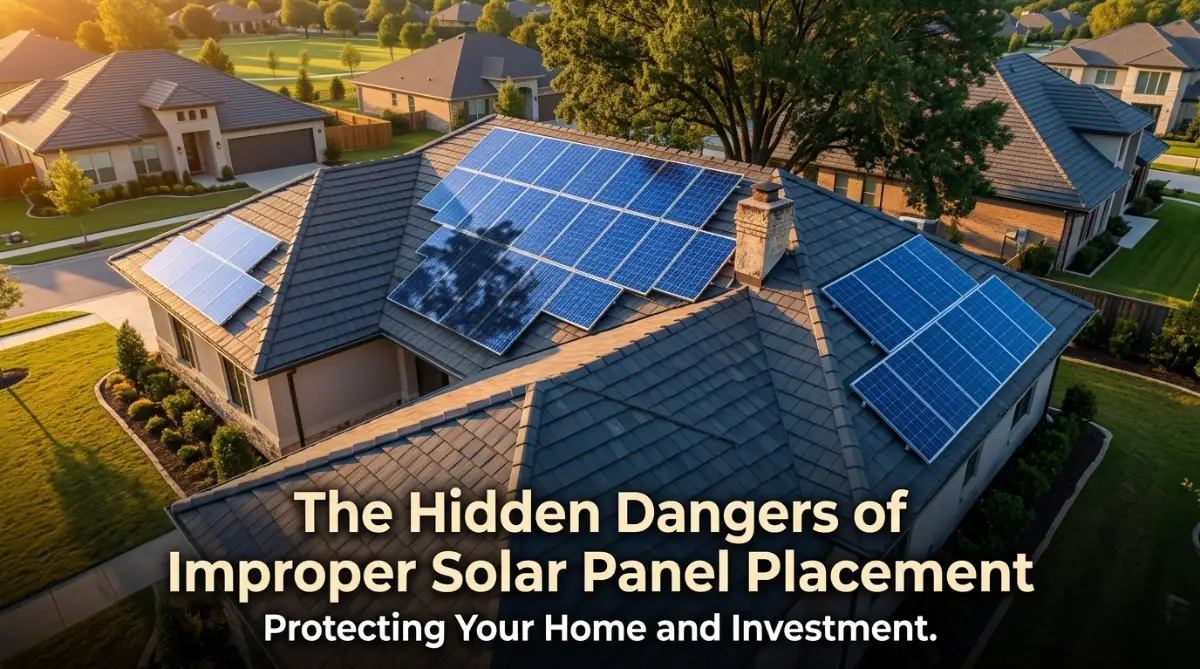
Solar panels are heavy. When they are placed incorrectly, they can put immense stress on specific points of your roof structure. Imagine putting a heavy backpack on a fragile wooden shelf. Eventually, that shelf will begin to bend or crack, and that is exactly what happens when weight is not distributed properly.
Most people focus only on where the sunlight hits the panels. While energy production is important, structural support is even more so. If installers do not anchor the panels into the structural rafters, they are just drilling into the sheathing. This mistake can lead to sagging shingles and, eventually, a compromised roof deck.
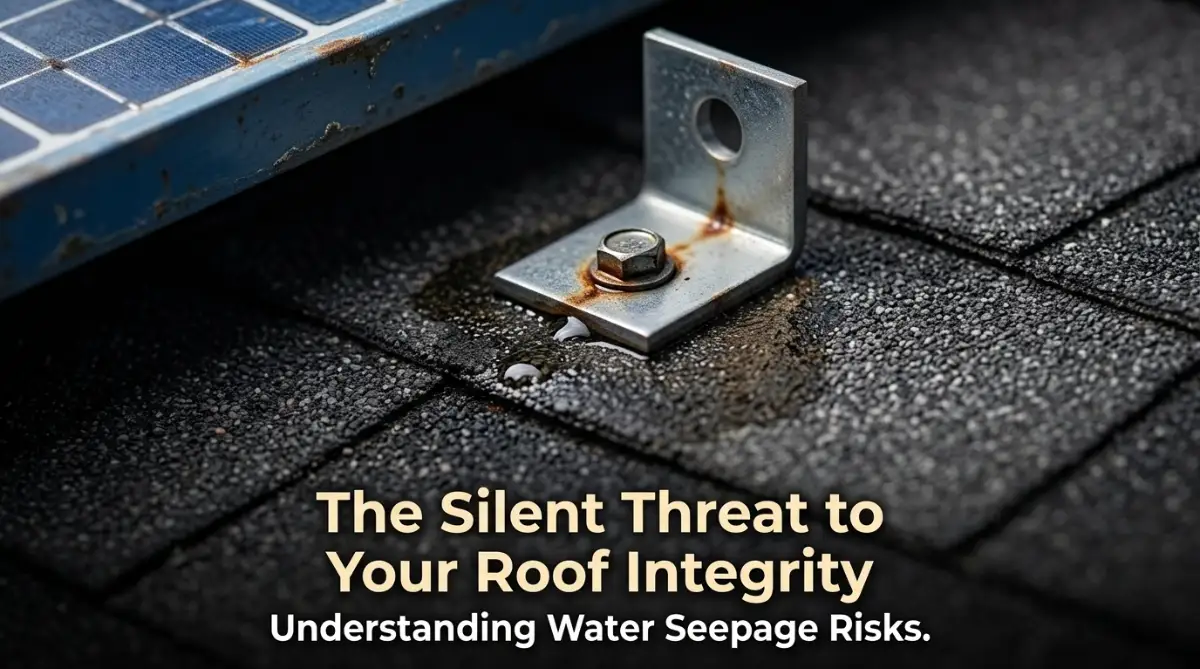
Water management is another invisible enemy. Your roof is designed to shed water like an umbrella. When you bolt frames onto it, you create new pathways for moisture to travel. If the flashing—the seal around the bolts—is not done with precision, water will find its way into your home.
This water does not just appear as a puddle on the floor. It often works its way into the insulation, the drywall, or the wooden rafters. You might not see a drip for months. By the time you notice mold or a stain on your ceiling, the damage behind the walls could be significant.
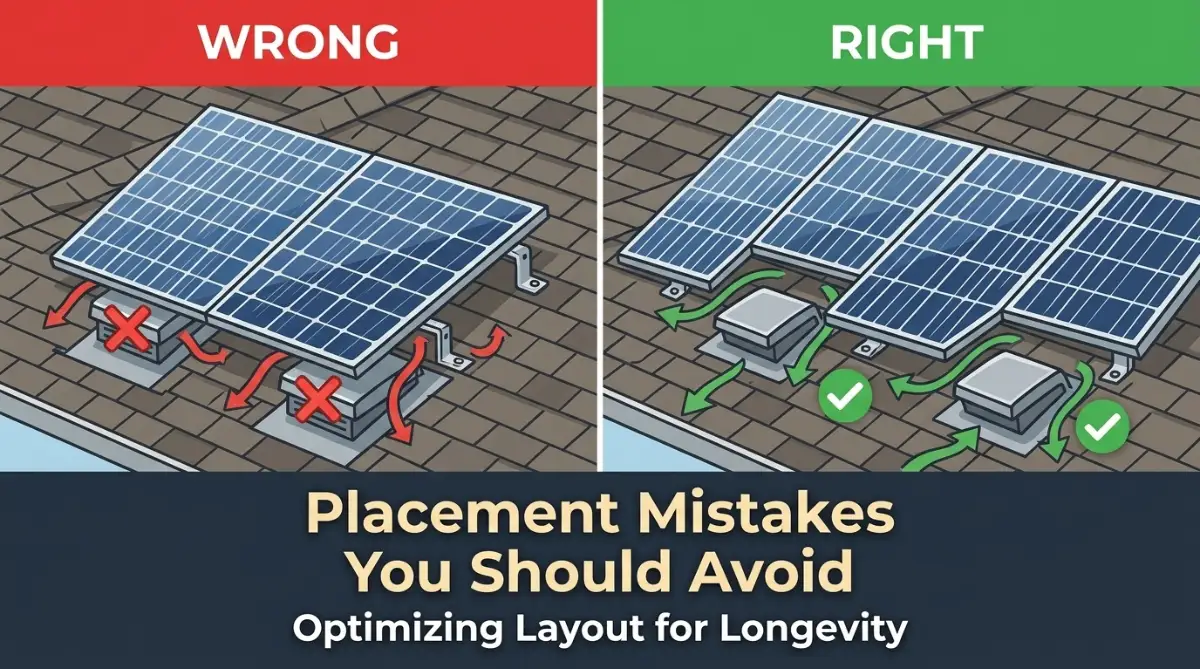
Heat buildup is also a factor that gets ignored. Solar panels absorb a massive amount of solar radiation. If they are placed too close to the roof surface without enough air gap, the space beneath them becomes an oven. This extreme heat can accelerate the aging of your roofing material, causing shingles to become brittle and crack prematurely.
Proper ventilation is key to cooling the space between the panels and the roof. Without it, the life expectancy of your roof shingles will drop significantly. It is a slow, silent process, but the results are expensive to fix. You need to ensure your installation plan accounts for air movement.
How to Audit Your Own Installation
You do not need to be an engineer to notice red flags. Start by doing a visual inspection from the ground with a pair of high-quality binoculars. Look for panels that appear to be sagging or hanging unevenly. A perfectly installed array should look uniform and flat.
Check the edges of the panel array. Are the panels overhanging the edge of the roof too much? If they are, they become sails in high winds, putting extra force on the bolts and the roof deck. This movement can loosen the seals, creating a highway for rainwater to enter your attic.
Look for debris accumulation. If the panels are placed too close to valleys or chimneys, leaves and twigs can get trapped. This buildup holds moisture against the roof and prevents the system from working efficiently. A well-designed layout keeps these problem areas clear and accessible for cleaning.
Pro Tip: In my own experience, I realized I never asked for a post-installation structural report. I trusted the word of the salesperson entirely. Looking back, I should have asked for photos of the mounting hardware before the panels were finalized. If you are ever in doubt, ask your installer for pictures of the flashings and the connections. It saved me a lot of trouble later on when I finally had to correct the seals.
The Dangers of Blocked Vents
Many houses have attic vents or plumbing pipes sticking out of the roof. If solar panels are placed directly over these, they block the airflow. This can cause humidity to build up in your attic. Moist, warm air in an attic is a breeding ground for mold and can rot your roof rafters.
Make sure your installer provides a layout map that clearly marks these vents. If the panels are too close, they disrupt the ventilation system. You might think you are gaining electricity, but you are losing the health of your home’s air circulation. Never let an installer cover a vent for the sake of fitting one extra panel.
Understanding the Flashing Process
The connection points, where the bolts go into the roof, are the most vulnerable spots. Good installers use metal flashing that slides underneath the shingles to prevent water from touching the screw hole. Cheap installation often relies on just using sealant or caulk around the screw.
Caulk dries out, cracks, and peels over time. Metal flashing lasts as long as the roof itself. When you are discussing the project, ask specifically about the flashing method. If they mention using sealant as the primary defense, be very cautious.
Watching a professional explain the mounting process can give you a better perspective on what to look for. This video demonstrates the difference between a high-quality installation and a shortcut-ridden one that leads to leaks.
The Importance of Rafter Alignment
Your roof is held up by rafters or trusses. These are the strongest parts of the roof structure. Solar mounting systems need to be drilled into these, not just the plywood decking. If the installers miss the rafters, the panels are not securely attached.
Over time, vibrations from wind can cause loose bolts to widen the holes in the plywood. This leads to wobbling panels and an increased risk of the roof deck tearing. You can usually tell if an installation was done correctly by the spacing of the bolts. They should align somewhat with the structural members of the roof, not just a random grid pattern.
Weatherproofing and Shingle Care
If you have asphalt shingles, they are very sensitive to foot traffic. Installers should be using proper techniques to walk on the roof, such as walking on the bottom third of the shingle. If they stomp all over your roof, they can cause granular loss, which shortens the life of your roof.
Ask the company what their protocol is for roof protection. Do they use foam pads? Do they have a policy for worker safety that also protects the roof material? It is a fair question to ask. A company that cares about your roof's surface is usually one that cares about the hardware underneath.
The Reality of Maintenance Access
Even the best installations need maintenance. Can you get to the panels to clean them? Is there a walkway left between different rows of panels? If the entire roof is covered edge-to-edge, it makes it impossible to inspect the flashing later.
A good design includes service paths. These paths allow a technician to walk between the rows to inspect for debris, loose wiring, or potential leaks. If your layout looks like a solid block of glass, consider asking for a few rows to be spaced out. It will save you significant headaches in the long run.
Avoiding the "Fire Hazard" Trap
Improper placement can also create fire risks. If wiring is left loose underneath the panels, it can rub against the sharp edges of the metal racking. Over time, the insulation on the wires wears down, leading to an electrical short.
These shorts can create sparks right on top of your roof. Ensure the installers use proper wire management clips to keep cables lifted and secure. Everything should be tucked away from the roof surface and secured so it cannot move in the wind. This is a small detail, but it is one that keeps your home safe.
When to Bring in an Independent Inspector
If you have already had panels installed and you are feeling uneasy, you do not have to guess. You can hire an independent roofing inspector to take a look. They do not have a vested interest in your solar company.
They can go up, remove a panel if necessary, and check the flashings. They can give you an honest assessment of whether the work was done to code. It might cost a small fee, but it is worth it for the peace of mind. Knowing your roof is safe is priceless.
Evaluating Your Installer’s Track Record
Before you sign any agreements, ask for references from projects that were completed years ago. Anyone can show you a photo of a shiny new installation. It takes a good company to show you how those installations look after weathering a few seasons.
If they refuse to show you past work or cannot explain their flashing process, walk away. There are many installers out there, and you are not obligated to choose the first one you find. Take your time, do your research, and prioritize the integrity of your home above the speed of the installation.
Final Thoughts on Home Ownership
Owning a home is a journey of constant learning. We want to improve our living conditions, reduce our bills, and help the environment. But we must never lose sight of the fact that our roof is our primary shield against the elements.
Never sacrifice that shield for a slight increase in energy production. A few extra watts of power are not worth a ruined roof. By paying attention to placement, flashing, and structural support, you can enjoy the benefits of solar energy without the hidden dangers.
Stay observant, trust your instincts, and always prioritize the health of your home. Your roof is the foundation of your comfort. Protect it, and it will protect you for years to come.
Mastering Long-Term Solar Health: Expert Secrets for Homeowners
Even after your solar panels are safely attached and producing energy, your journey as a responsible homeowner is not over. Many people think the system is maintenance-free, but that mindset is exactly what leads to hidden, expensive problems. You need a proactive strategy to protect your roof and your equipment for the long haul.
One of the best ways to keep tabs on your system is through regular thermal imaging. You can hire a professional to use an infrared camera to scan your panels and the roof area around them. This technology can spot "hot spots" or electrical issues that the naked eye will completely miss.
These hot spots often indicate a loose connection or a cell that is failing, which creates heat instead of electricity. Finding these early helps you fix minor issues before they become fire risks. It is a small investment that offers huge peace of mind.
Another smart move is to keep a detailed "digital log" of your installation. Ask your installer for a map showing exactly where the mounting bolts are located. You can find more about why home insurance companies deny claims for roof damage if you lack proper documentation of the initial work.
Having this map prevents future contractors—like those working on HVAC or gutters—from accidentally damaging your solar setup. It acts as a blueprint for your home. If a repair is ever needed on the roof, you will know exactly where to avoid drilling.
Monitoring your energy output is also a form of maintenance. If you notice a sudden dip in power generation, it is usually a sign that something is wrong. Check if a panel is shaded by new tree growth or if there is a buildup of dust and debris.
You might be surprised how much simple cleaning can improve your results. The U.S. Department of Energy suggests that keeping your system clean is one of the most effective ways to maintain high performance. A dirty panel is a struggling panel, and consistent cleaning helps ensure you get what you paid for.
Don't forget to track your financial goals as well. If you are reinvesting the savings from your lower electric bills, consider how to build wealth through smart dividend investing. This keeps your money growing while your solar system works for you.
When you treat your solar setup as an asset rather than just an appliance, you naturally take better care of it. Always perform a visual check after major storms or high-wind events. Look for any loose wiring or debris trapped under the panels.
If you are not comfortable climbing a ladder, use a long-lens camera or hire a professional inspector. Your safety is always more important than a quick look at your hardware. Never force yourself to do a task that puts you at risk of falling.
Make it a habit to chat with your neighbors if they have solar panels too. Often, you can find a local professional who understands the specific weather conditions of your area. Sharing knowledge within your community can save you time and money.
Finally, keep your warranty documents and contact information for the installer in a safe, easy-to-find place. If an issue pops up, you want to act fast. Having the right phone number handy removes the panic and lets you get straight to the solution.
The Pitfalls That Cost Homeowners Thousands
I have spoken with many people who thought they were making a smart financial choice, only to find themselves facing a massive repair bill a few years later. The most common mistake is focusing entirely on the "price per watt" rather than the quality of the installation company. You might save a few dollars upfront with a low-cost, unproven installer, but that saving is a trap.
I recall a story of a homeowner who hired a general handyman to move their solar panels to a new roof section. They thought it would be fine since the person knew how to use a drill. However, the handyman did not understand the importance of proper flashing and waterproofing.
When the next rainy season hit, the water didn't just drip; it poured into the bedroom ceiling. The damage to the drywall, the insulation, and the wooden trusses was so extensive that the cost to repair it was triple what they would have paid for a real solar professional. That is a painful lesson that nobody should have to learn.
Another common error is the "do-it-yourself" modification. You might feel tempted to add an extra panel or rearrange the array to fit a new patio design. But modifying a system without consulting the original structural plans is a recipe for disaster.
Every time you change the layout, you change the way weight is distributed across your roof. This often leads to stress fractures in the roof decking. According to the National Roofing Contractors Association (NRCA), improper penetration is the number one cause of roof leaks, and solar panels are often the culprit when they are installed without professional engineering oversight.
Ignoring local codes is another mistake that catches up with people eventually. Some homeowners try to skip the permit process to save time or avoid "hassle." This is incredibly risky. If you ever try to sell your home, a non-permitted solar array can become a major headache.
Buyers will ask for inspection reports, and if your system does not meet safety standards, you could be forced to pay for an expensive removal or bring it up to code before the sale can close. It is far easier to follow the rules from the very start.
Then there is the issue of "shade neglect." Many installers will promise you the world, saying your system will work perfectly even in the shade. That is often just a sales tactic. If your roof has significant shade from trees, a poorly planned array will simply not perform.
You end up paying for a system that sits idle for half the day. It is better to have fewer, more efficient panels in the sun than a roof full of panels that are blocked by shadows. Be honest with yourself about your roof’s sun exposure before you sign any contract.
Finally, relying solely on an automated monitoring app can be a mistake. Apps are great, but they cannot see if a bolt is rusting or if a squirrel has chewed through a wire. Human inspection is the only way to catch physical signs of wear and tear.
Don't let these mistakes become your reality. Being aware of these pitfalls is the first step toward avoiding them. Your home is your sanctuary, and it deserves a system that respects its limits and protects its value.
Empowering Your Home Ownership Journey
Making the choice to invest in solar energy is a big step toward a better future for your household. By taking the time to understand the placement, the structure, and the maintenance, you are doing more than just saving money. You are becoming a master of your own home’s efficiency and safety.
I know that all this information can feel like a lot to take in at once. But you do not have to be an expert in electrical engineering or roofing to make good decisions. You just need to stay curious, ask the right questions, and prioritize quality over the lowest price.
My own experience taught me that the most reliable system is the one that was installed with patience and care. I have found that when I am involved in the process—asking for photos, checking the work, and staying on top of maintenance—I feel much more secure. You have the power to make your home better, one smart decision at a time.
Take a look at your roof today. Think about your goals, talk to professionals you trust, and keep moving forward with confidence. You are more than capable of managing this upgrade, and the peace of mind you get in return will be worth every bit of effort.
Common Questions About Solar Roof Safety
Is it normal to see water pooling around my solar panels?
No, water should never pool around your solar mounting hardware. If you see standing water, it means the drainage paths on your roof are blocked, and you should call a professional to inspect the flashing immediately to prevent long-term damage.
Can I install solar panels on an old roof?
It is highly recommended to replace or repair your roof before installing a new solar system. Since solar panels are meant to last for decades, putting them on a roof that needs work in a few years is a bad investment because you will have to pay to remove and reinstall the panels.
What should I look for when interviewing solar installers?
Look for companies that are willing to show you their past work and explain their specific waterproofing and structural attachment methods. If they cannot explain how they seal the roof penetrations, do not hire them.
How do I know if my roof is strong enough for solar?
A professional solar installer should perform a structural assessment of your roof rafters. They will verify that your roof can support the additional weight of the solar racks and panels, especially in areas with heavy snow or high wind.
Are there specific solar brands that are safer?
While some brands have better track records, the "safety" of a solar system depends more on the installation quality than the brand of the panel. Focus on hiring a certified, highly-rated installation company that follows best practices for mounting and wiring.
Disclaimer: The content provided in this blog post is for informational and educational purposes only. Solar energy installation involves complex structural and electrical work. Always consult with licensed professionals, certified electricians, and structural engineers in your local area before making any modifications to your property. We are not responsible for any damage, loss, or injury resulting from the use or misuse of the information contained here.