
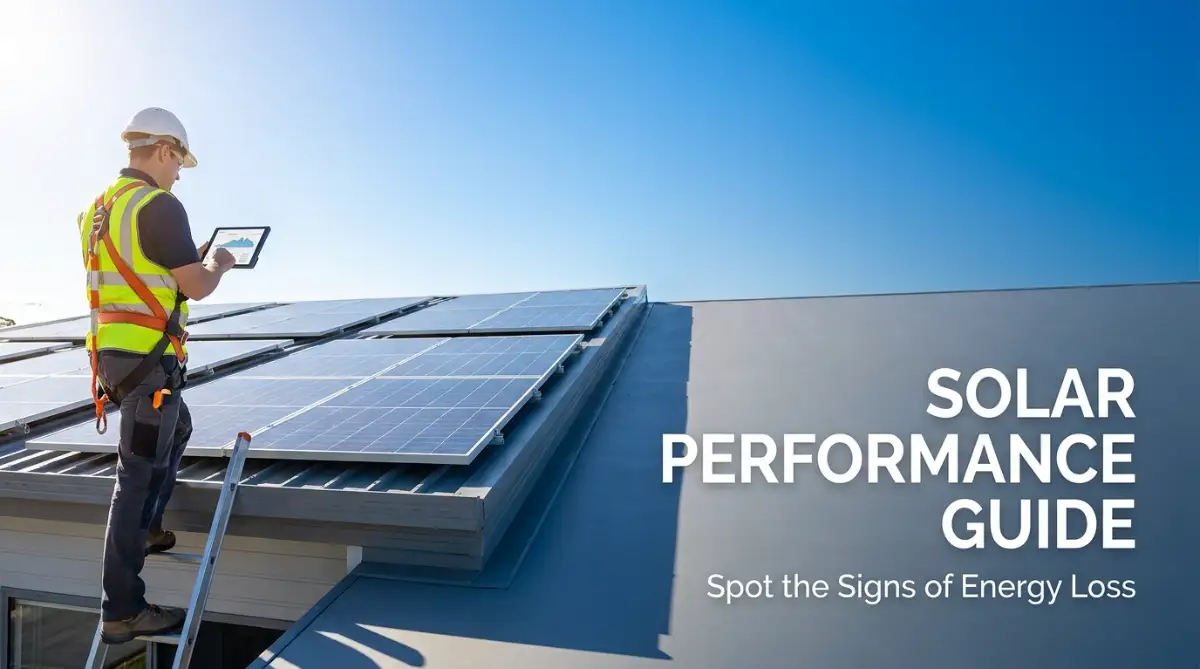
The Day My Energy Savings Seemed to Vanish
I remember the day I opened my energy bill and saw a number that made me double-take. Everything in my house was running like normal, but my solar output was a ghost of what it used to be. You’ve probably felt that sinking feeling, too. If you’re checking your monitoring app more than you check your email, you aren't alone. Let’s talk about how to stop guessing and start fixing your solar system performance before it eats into your wallet.
I spent the next hour walking around my house, staring at my roof, trying to spot a reason for the dip. Nothing seemed broken. The panels looked fine from the ground, the inverter lights were steady, and there were no obvious shade issues from my trees. Yet, the numbers told a different story, and that gap between what my system should be doing and what it was doing started to feel like a personal failure.
I eventually learned that solar systems, much like a car or a home, need a little attention now and then. They aren't static objects; they interact with the weather, the environment, and the aging process of the hardware. The drop-off is rarely sudden or catastrophic. Instead, it is usually a whisper of small issues that add up over time.
If you are currently watching your energy reports and feeling that same frustration, I want you to know it is likely not a tragedy. It is usually just a maintenance issue waiting to be found. Let’s look at the reality of how these systems degrade and what you can actually do to reclaim your output. You don't have to be an engineer to keep your system healthy and producing at its best.
TL;DR: The Solar Health Cheat Sheet
-
Don't rely on rain: A quick manual rinse is much more effective than a thunderstorm.
-
Watch the inverter: If it's acting weird, it's often the brain of the problem, not the panels.
-
Track your trends: Compare this month's output to last year's same month, not just last week.
-
Safety first: Never get on your roof if you aren't trained for it. Use binoculars for inspections.
Spotting the Invisible Decline in Energy Production
Most people wait for the system to stop working entirely before they ask for help. That is a mistake. By the time the inverter stops completely, you have already lost months of potential savings. You want to catch the "performance drift" before it turns into a major problem.
 Reading the Story Your Inverter Tells
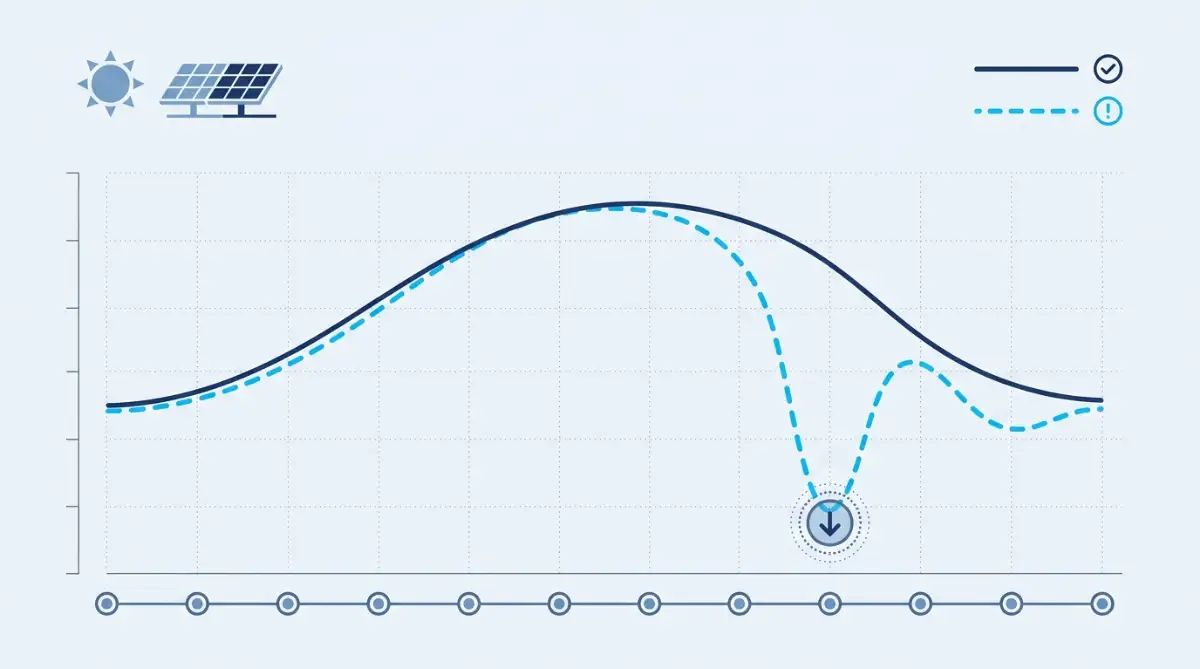
Your inverter is the brain of your solar setup. It doesn't just convert power; it tracks every single watt that flows from your roof. Many modern inverters come with an app or a web portal that shows you real-time data. Look for trends, not just daily snapshots.
Compare your current output to the same month from previous years. If the weather is similar, your output should be similar. If you see a downward trend that doesn't match the weather patterns, you have a signal. This is your first clue that something is blocking the sun or straining the components.
| Performance Sign | Likely Cause | What to Do |
|---|---|---|
| Gradual Monthly Drop | Dust or pollen buildup | Schedule a professional cleaning |
| Sudden Voltage Drop | New shading or growing branches | Check the roof for anything blocking sunlight |
| Consistently Low Output | Inverter overheating | Make sure the vents are clear and check the cooling fans |
| Irregular Data in the Graph | Possible wiring corrosion | Contact a certified solar technician |
The Hidden Impact of Environmental Buildup
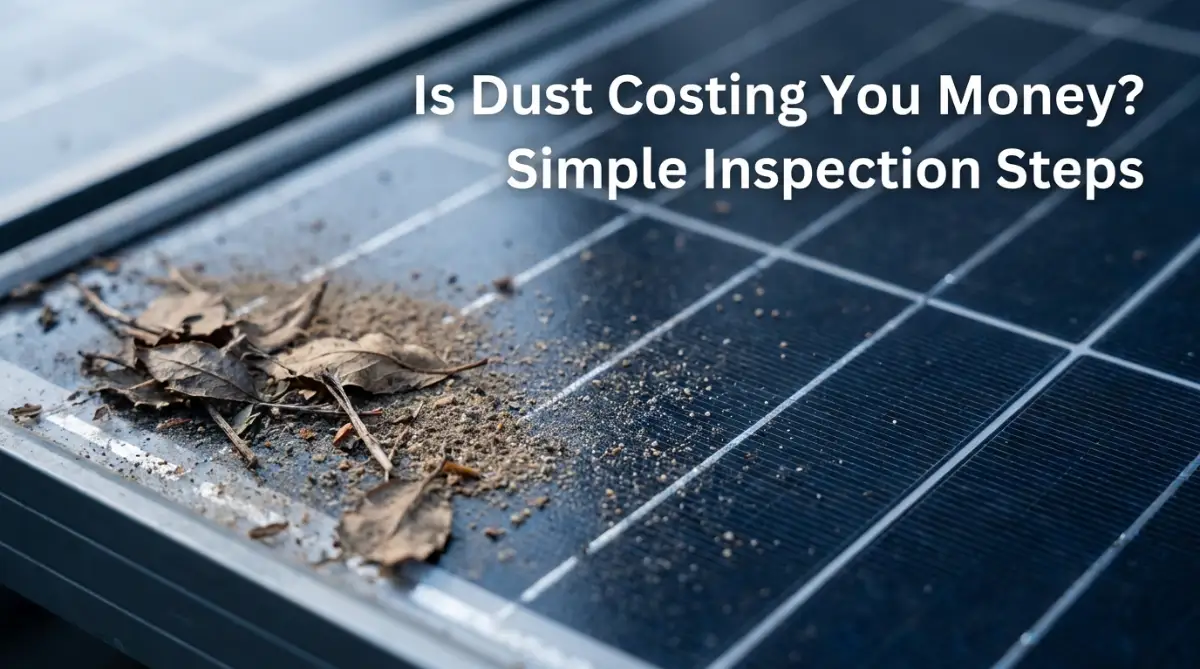
It is easy to forget that your panels live outside. They are exposed to dust, pollen, bird droppings, and industrial soot. Over time, this thin layer of grime creates a "shading effect" on the individual cells. It might not look dirty from the street, but even a thin film can reduce your efficiency by a measurable percentage.
Quick Clean vs. Professional Wash
Think of it like the screen on a window. A little dust doesn't block the light, but when it layers up, the room gets darker. Your panels are experiencing the same thing. If you live in a dry area, dust is your biggest enemy. If you live near trees, pollen and bird waste are your main concerns.
Identifying Micro-Cracks and Aging Components
Solar panels are built to last, but they are still fragile pieces of technology. Temperature swings cause them to expand and shrink every single day. Over years, this stress can lead to "micro-cracks"—tiny fractures in the silicon cells that you cannot see with the naked eye. These cracks break the flow of electricity, and while one crack isn't a disaster, hundreds of them will significantly lower your output.
You also have to consider the wiring and the connectors. Moisture can sneak into these connections over time, causing corrosion. If your electricity has to struggle to travel through a rusty, corroded wire, you are going to lose energy before it ever reaches your house. This is a common and often overlooked reason for long-term performance drops.
Pro Tip: The Visual Inspection Rule
I learned this the hard way after ignoring a small spot on one of my panels for months. My pro tip is this: Once every season, get a pair of binoculars and inspect your panels from the ground. Look for any dark spots, discoloration, or signs of something stuck to the glass. You don't need to climb up there. If you see a patch that looks "off" or different from the others, that is a hot spot. It needs to be looked at by a professional, but catching it early saves your panels from burning out.
My "Solar Emergency" Checklist
If you see a sudden drop, don't panic. Before calling an expert, check these three things first:
-
The Inverter Light: Is it blinking green, steady green, or red? If it's red, look up the error code online immediately.
-
The Wi-Fi/Data Link: Sometimes the panels are fine, but the monitoring device has lost connection. Check your home router.
-
The Shading: Did a new tree branch grow this season? Walk outside at 2:00 PM and see if any shadow touches the panels.
Detecting Inverter Heat Issues
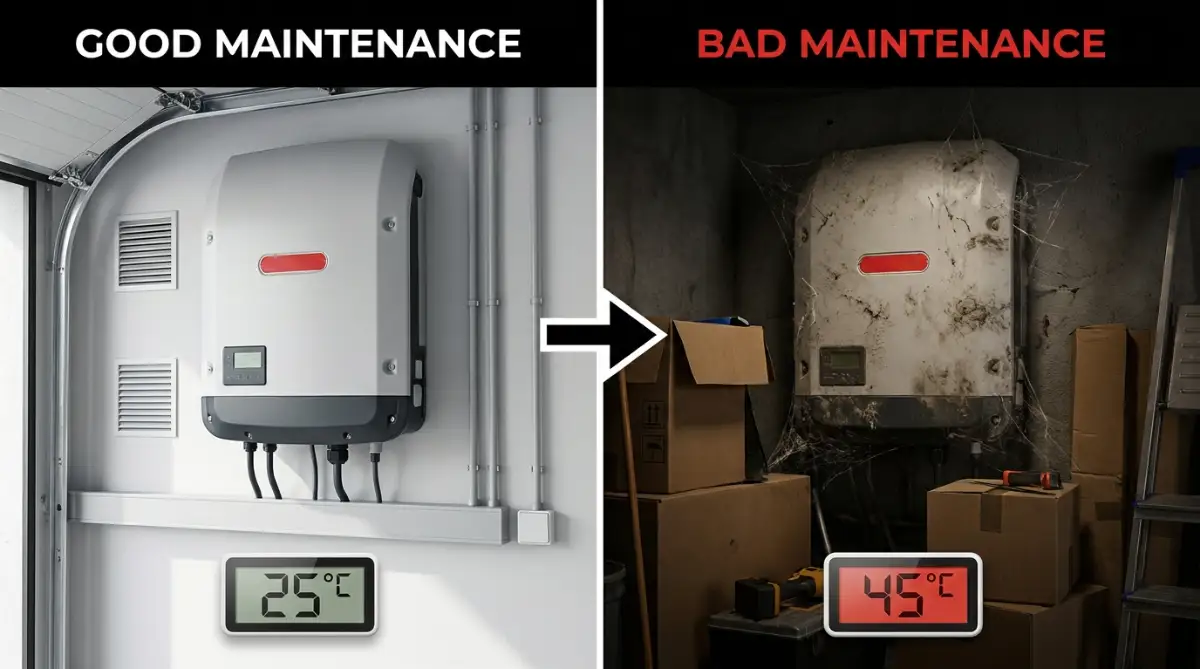
Your inverter is a workhorse that generates heat while it converts power. Most inverters have cooling fans or heat sinks to keep them safe. If your inverter is placed in a spot that gets too hot—or if its cooling vents are clogged with dust—it will actually throttle its own performance to prevent a fire. It is literally slowing down to stay alive.
Check the space around your inverter. Is it cramped? Is there good airflow? If the unit feels dangerously hot to the touch, it might be working overtime just to survive. Making sure your inverter stays cool is one of the easiest ways to keep your energy production numbers high.
Understanding the Role of Shading Over Time
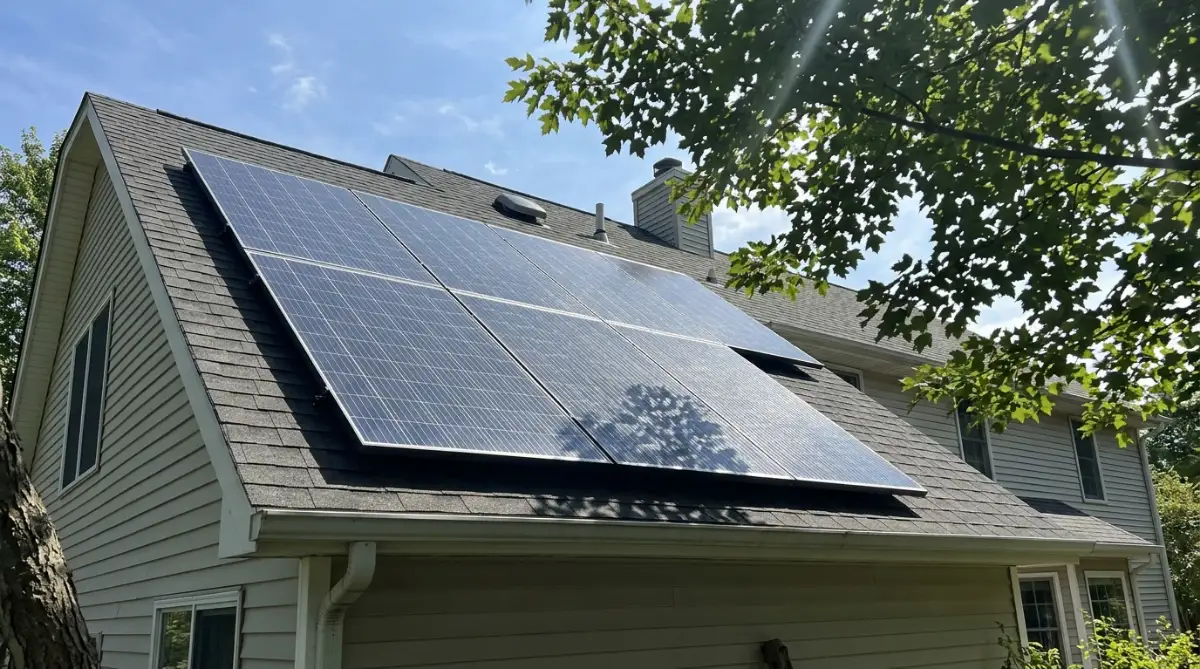
When you first installed your panels, the landscape probably looked perfect. But trees grow, and new buildings or additions can change the way shadows fall on your roof. You might have had full sun three years ago, but a growing branch could now be shading one single panel for an hour every afternoon.
In many systems, shade on one panel pulls down the performance of the whole string. It is like a bottleneck in a pipe. Check your roof at different times of the day to see if shadows are reaching the panels. Even a small shadow can cause a disproportionate drop in total system power.
Why You Need a Data Baseline
If you don't know what "normal" looks like, you can't spot "abnormal." Keep a simple log of your system’s performance on a clear, sunny day once every few months. Write down the peak power you see on your monitoring app. If you have this baseline, you will know instantly when the system is underperforming.
Without this data, you are just guessing. With it, you are an informed owner who can make smart maintenance decisions. It takes five minutes to check, but it gives you total control over the health of your investment.
Myth vs. Fact: Solar Maintenance
- Myth: "Rain will clean my panels for me."
- Fact: Rain often moves dirt around rather than washing it off. You need a gentle manual rinse to remove sticky pollen or bird droppings.
- Myth: "If my panels look clean from the ground, they are 100% efficient."
- Fact: Micro-cracks and wiring issues are invisible from the street but can steal 10-20% of your power.
When to Call in the Experts
There are some things you just shouldn't touch. If you suspect an electrical issue, a cracked panel, or a wiring problem, do not try to fix it yourself. Electricity from solar panels is powerful and dangerous, even when the sun is behind a cloud.
If your data shows a drop that you can't explain with dirt or shade, it is time to call a professional. Ask them to perform an "IV curve test" or a "thermographic inspection." These tests can see things that are invisible to the naked eye, like broken cells or wiring hot spots. It is a small fee to pay to protect a system that is supposed to last for decades.
Ensuring System Longevity
Think of your solar system the same way you think about your health. You don’t wait until something goes seriously wrong before taking care of yourself. Regular maintenance and a little attention along the way can prevent bigger problems later.
Your solar system works much the same way. Keeping an eye on its condition and dealing with small issues early can help it perform reliably for years. In return, you get more consistent energy production and fewer unexpected problems with your electricity bills.
A Quick Look at the Technology
The actual science of how your solar system performs is quite fascinating. Here is a quick video that explains why solar panels lose efficiency over time and what you can look for during your own inspections.
Curious about what actually happens inside your panels when they get dirty or shaded? Watch this quick breakdown to see exactly how minor issues can drain your monthly savings—and learn how to stop it.
Final Thoughts on System Awareness
You are the first line of defense for your solar system. You see it every day, you pay the bills it generates, and yo