The Moment I Realized My Skills Were Becoming Obsolete
I still remember standing in the breakroom, clutching a lukewarm mug of coffee, watching a new intern explain a software tool to my manager. Everyone was nodding in agreement, but I felt a sinking feeling in my gut. I had been in my industry for years, but I had no idea what they were talking about. The tools they were using seemed like magic to me, while I was still stuck in the "old ways" of doing things.
That afternoon, I went back to my desk and stared at my computer screen. I felt like a dinosaur in a room full of astronauts. I had spent years mastering my craft, but I realized I had ignored the digital layer that now supported everything we did. My lack of understanding wasn't just slowing me down; it was beginning to define how people saw my potential. I was the "experienced" person who couldn't handle the new systems.
I felt embarrassed. I felt like my career was plateauing while everyone around me was getting faster and more efficient. The worst part was the quiet fear that I was replaceable. If I couldn't keep up with the technology, why would they keep me around? It wasn't about being young; it was about being adaptable. That realization was the hardest thing I ever had to face in my professional life.
This struggle isn't unique to me. I see so many talented people hitting the same wall. You have the experience, the knowledge, and the passion, but a gap in digital fluency is holding you back. It’s an invisible barrier that stops you from getting that promotion or starting that new project. The mental weight of feeling "left behind" is heavy. It leads to stress, imposter syndrome, and a constant fear of being laid off.
You might think that your current skills are enough. Maybe you tell yourself that you are "good enough" for now. But the workplace doesn't stay still. It moves forward, and if you are standing still, you are effectively moving backward. It is not about knowing how to code or becoming an IT expert overnight. It is about understanding the tools that empower you to do your job better.
I want you to know that this gap is bridgeable. It is not a permanent state. I learned that my value wasn't gone; it was just hidden behind a lack of digital confidence. Once I started to embrace the digital side of my industry, everything shifted. My manager started asking me for input again. My colleagues stopped trying to explain basics to me and started collaborating with me on complex tasks. You can have this, too.
The Real Power of Digital Fluency in Your Career
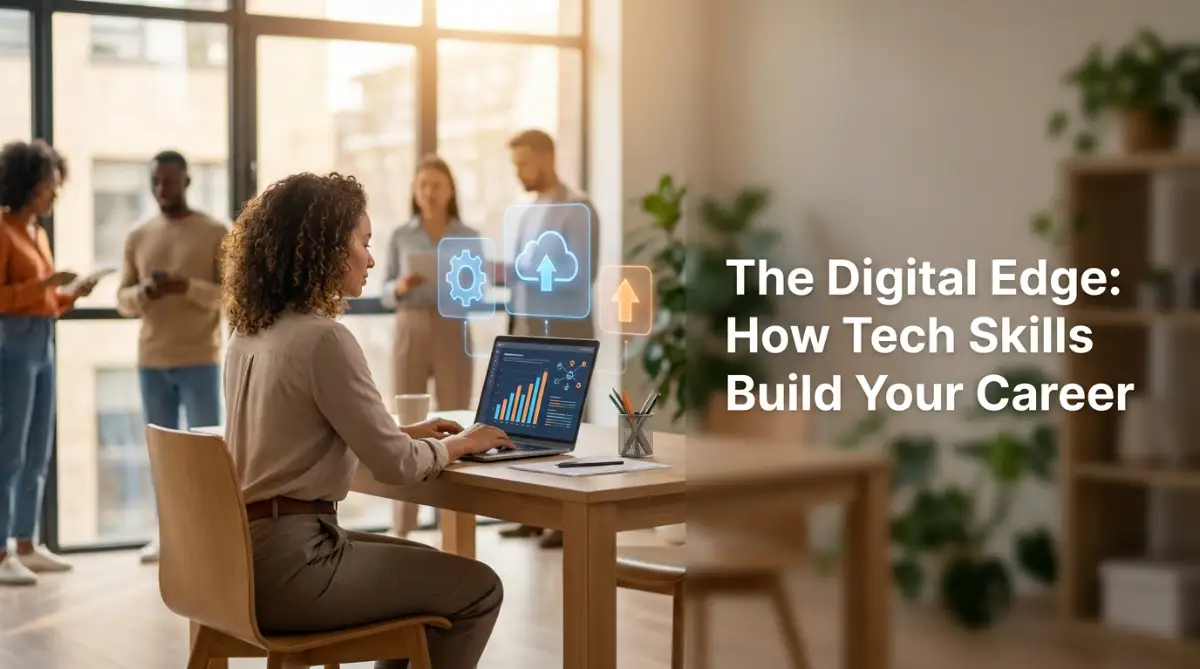
You might think that digital literacy is just about knowing how to use the latest apps. It goes much deeper than that. Digital literacy is the ability to find, evaluate, create, and communicate information through various digital platforms. It is the language of the modern workplace. When you speak this language, doors open.
Rethinking How We Approach New Tools
Most of us learn a new software by accident. We click buttons until something works, or we ask a neighbor for help. This is a messy way to learn. Instead, try to build a "technical mindset." When you see a new tool, don't ask, "How do I use this?" Ask, "What problem does this tool solve for me?"
When you focus on the problem, the tool becomes easier to understand. If you know that a project management app is designed to track tasks, you can figure out the interface quickly. You stop being a passive user and start being an intentional one. This shift in mindset is what separates those who get stuck from those who grow.
Developing a Habit of "Micro-Learning"
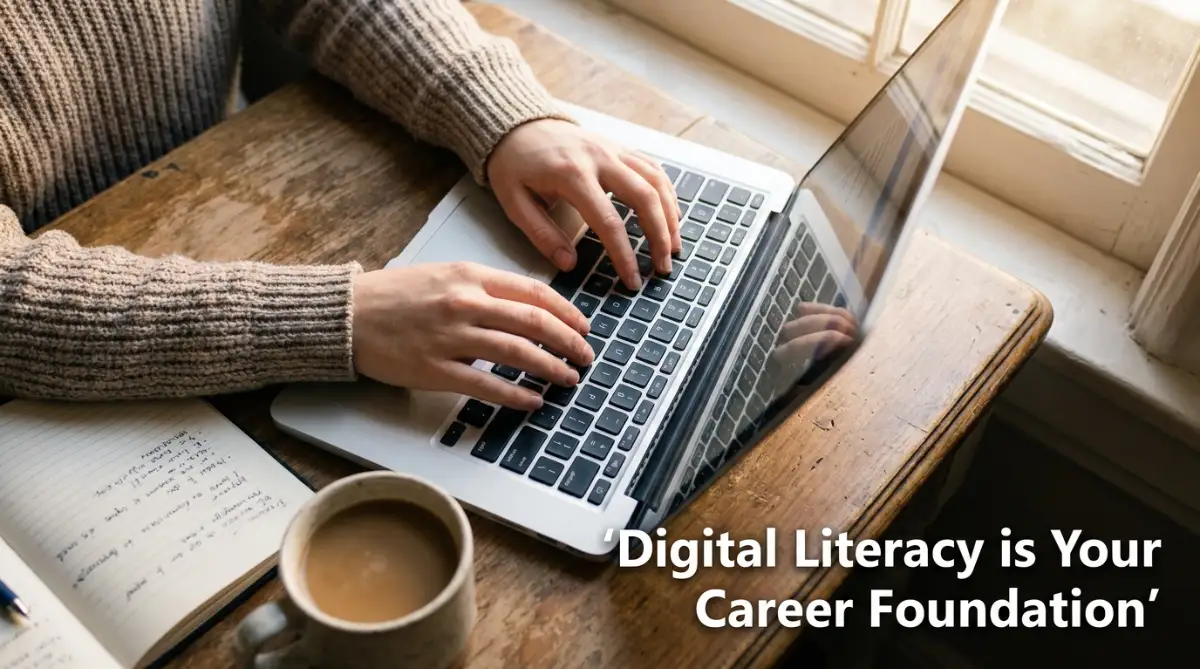
You do not need to take a massive course to improve your skills. In fact, large courses often feel overwhelming. Try "micro-learning" instead. Spend ten minutes a day watching a tutorial on a specific feature you use often but don't fully understand.
If you use a spreadsheet, learn one new formula today. If you use a messaging app, learn one new shortcut. These small, consistent efforts compound over time. By the end of the month, you will have learned thirty new things. By the end of the year, you will have mastered your digital environment without ever feeling like you were "studying."
The Myth of Natural Talent vs. Digital Skill
I used to think that some people were just "tech people" and others were not. This is a harmful myth. Digital literacy is a muscle, not a personality trait. Just like you learned to drive a car or cook a meal, you can learn to use digital platforms.
The people who seem like "tech wizards" are just people who weren't afraid to break things. They clicked the wrong button, made a mistake, fixed it, and moved on. The secret to digital growth is allowing yourself to be a beginner. Don't worry about looking smart. Worry about getting curious.
Pro Tip: My "Breaking Point" Realization
I once spent four hours struggling with a simple document formatting issue because I was too afraid to search for the answer online. I thought I should "just know it." That was my mistake. My pro tip for you is this: When you get stuck for more than five minutes, stop. Search for the solution immediately. Don't waste your energy on frustration. Use that energy to learn the solution and store it for later.
Bridging the Gap: Your First Steps
We all need a way to track our growth. Below is a simple framework for how you can start improving your digital skills without the stress.
[This video shows you exactly how to break down complex software and learn it faster. It's the exact method I used to stop feeling overwhelmed and start feeling confident.]
Building Your Digital Confidence
Confidence comes from small wins. Don't try to learn everything at once. Start with the software you use the most. Become a master of that specific tool. Once you are comfortable there, you will find that other tools become easier to pick up. The logic is usually similar.
Look for ways to automate your small tasks. If you find yourself doing the same thing every day, search for a way to make it faster. This is how you show value to your employer. You are not just doing your job; you are finding ways to make the business run more efficiently. That is the kind of professional growth that leads to raises and promotions.
Data Literacy: The Unspoken Requirement
Digital literacy isn't just about using apps; it's about understanding data. You don't need to be a data scientist. You just need to be able to look at a report and understand what the numbers are telling you. Ask questions about the data you see. Where did it come from? What does this trend actually mean for the team?
When you engage with data, you become a partner in decision-making. Managers love people who bring insights, not just people who execute tasks. Start by asking for access to basic reports. Spend time looking at them. Ask your manager what the key metrics are. This simple act of curiosity marks you as someone who is ready for the next level.
Mastering Digital Communication
Remote work and digital tools have changed how we talk to each other. Digital literacy means knowing when to send an email, when to send an instant message, and when to pick up the phone. Don't be the person who sends a 10-paragraph email for a question that takes five seconds to answer.
Learn the etiquette of your digital tools. Use them to be clear and concise. If you are good at communicating, you reduce confusion. People will want to work with you because you make their lives easier. This is a core part of being digitally literate.
Your Path is Yours to Define
You don't need to change who you are to become digitally fluent. You just need to update your toolkit. This process takes time, but it is one of the best investments you will ever make. It makes you resilient. It keeps you relevant. And most importantly, it gives you peace of mind.
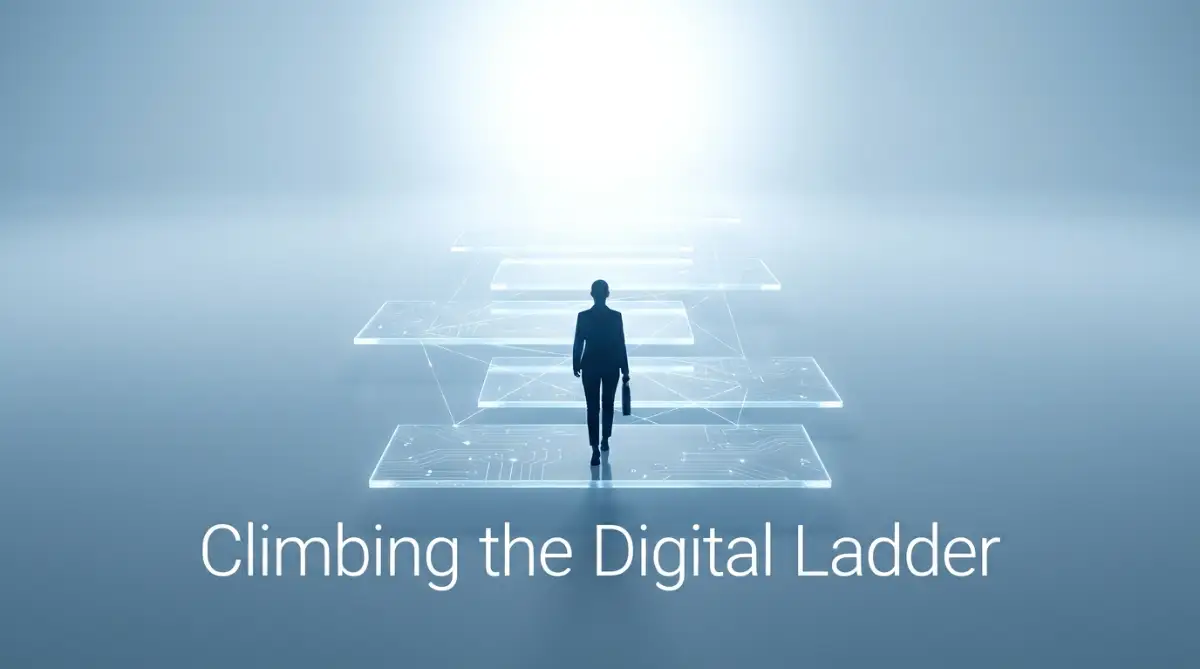
Stop looking at the tech gap as a barrier and start looking at it as a ladder. Every tool you master is one step higher. Keep climbing. You don't have to be perfect; you just have to be willing to learn. Start with one thing today. Just one small thing. That is how the biggest careers are built.
Beyond the Basics: Scaling Your Digital Impact
Once you move past the initial fear of technology, you start to see the bigger picture. The goal isn't just to use digital tools; it is to use them to create leverage in your work. I learned that when I stopped just "using" software and started designing my own workflows, my output doubled. This is the difference between being a participant and being an architect of your own career.
One of my best habits involves automation. Many of the tasks we do daily—sending standard emails, updating spreadsheets, or organizing files—can be automated with simple tools. When you learn how to bridge the professional skill gap by mastering basic automation tools, you free up your brain to focus on the work that actually requires your unique human judgment. You aren't just saving time; you are positioning yourself as a problem solver.
Another secret is building a "digital portfolio" of your skills. Whether you are in a creative field or a technical one, having a place to show your work matters. It doesn't have to be a complex website. Even a well-organized document or a digital archive of your successful projects serves as proof of your competence. When you can show what you have done, you don't need to spend hours explaining your value to a potential employer or client.
Keep in mind that digital literacy is also about emotional intelligence. You need to know how to read the room, even when the "room" is a chat window or a video call. Being able to explain a complex idea clearly in a Slack message or an email is a rare and highly prized skill. As noted by research at the Pew Research Center, the ability to communicate effectively in digital spaces is now a top-tier demand for all roles.
You should also look into how you keep your own data secure while working. A professional who understands the basics of privacy is worth their weight in gold to an employer. I highly recommend that you explore the home network security guide to protect your privacy at home so that you aren't just productive, but also safe. When you look out for the company’s data as if it were your own, you become a trusted team member.
Finally, never stop being curious about the "why" behind the tech. If you use a tool, ask yourself how it processes information. Read articles from groups like the UNESCO Digital Literacy Global Framework to see how global leaders define these skills. This high-level view helps you anticipate changes in your field before they happen. You won't just be reacting to new tech; you will be ready for it.
Avoiding the Pitfalls That Slow Your Progress
I see so many bright people stall because they get caught in the wrong loops. The biggest mistake is "Shiny Object Syndrome." You see a new app that promises to double your productivity, and you immediately try to adopt it. You spend all your energy setting it up, only to abandon it two weeks later.
This wastes hours and leaves you feeling drained. It is much better to stick to one solid tool and learn it inside out than to jump between ten tools you barely know. If you are struggling with this, you might be falling into traps described in why traditional study habits often fail to retain complex information. Consistency beats novelty every single time.
Another mistake is assuming that your degree or your past experience covers your need for learning. I once worked with a manager who refused to use a new project management platform because he "had twenty years of experience in the old way." He spent his days fighting the system instead of using it. Eventually, his team stopped coming to him because he was the bottleneck, not the guide.
Don't let your ego stop you from updating your skills. Experience is valuable, but only when it is paired with adaptability. If you refuse to learn, you become the person who is "hard to work with." This damages your reputation faster than any technical mistake ever could. Keep your mind open to the idea that you can learn something from everyone, even the newest intern.
Also, be careful not to hide behind your screen. Digital literacy is a tool, not a replacement for human connection. Some people get so good at sending messages and using project boards that they stop talking to their colleagues. This is a massive error. Real growth happens in the meetings, the coffee chats, and the debates. Use technology to facilitate these interactions, not to avoid them.
Finally, watch out for the trap of "passive consumption." You might read articles and watch tutorials all day, but that isn't the same as doing the work. You need to build, create, and solve. If you find yourself reading about how to be productive but not actually being productive, stop reading and start doing. The best way to learn is to put your hands on the keyboard and get to work.
Shaping Your Future with Confidence
Your career is a marathon, not a sprint. Digital literacy is the fuel that keeps you moving forward, mile after mile. It changes your narrative from "I can't" to "I will figure it out." That shift in perspective is everything.
You don't need to be perfect to be digitally fluent. You just need to be brave enough to try. There will be days when the tech fails you, and there will be days when you feel like you aren't learning fast enough. That is part of the process. Every expert you admire started exactly where you are today.
I have faced my own share of technology-related headaches. I’ve deleted files by mistake, sent emails to the wrong people, and felt completely lost in new interfaces. But I kept at it. I made it a point to learn one new thing each week. Over time, those tiny wins added up to the confidence I have today.
You are capable of mastering your digital environment. Your experience and your human insight are your greatest assets. Technology is simply the vehicle that takes those assets to the finish line. Start small, stay consistent, and be patient with yourself. You are building a foundation for a career that can withstand any change.
Take a moment today to look at your workflow. Is there one task that feels repetitive? One piece of software you find confusing? Choose that one thing and dedicate thirty minutes to mastering it. You will be surprised by the boost in your confidence and the immediate impact on your work. My advice is to embrace the challenge, because the person you become on the other side of that challenge is the person who gets to choose their own career path.
Common Questions About Building Digital Fluency
How do I know which digital skills are worth learning?
Start by looking at the tasks you do every day. If you spend hours on a specific software, that is where your focus should be. You want to learn skills that directly make your daily life easier or your output more valuable to your employer.
Do I need to be a tech expert to grow in my career?
Absolutely not. You just need to be a "tech-comfortable" professional. This means knowing how to use the tools your industry relies on and being willing to adapt when those tools change.
What is the biggest sign that I need to improve my digital literacy?
If you feel stressed every time you have to use a new system, or if you find yourself asking for help for the same tasks over and over, that is a sign. It’s okay to need help, but aim to understand the "why" so you can do it on your own next time.
How can I learn digital skills if my company doesn't offer training?
There are endless free resources online, from university-led platforms to industry-specific forums. Look for the real truth about data loss and how automatic backups save your business as an example of learning about infrastructure on your own terms. Your professional development is your responsibility, not just your employer's.
Disclaimer: This content is for educational purposes only and does not constitute professional career counseling or IT advice. Technology tools and professional standards change frequently, so you should always verify the information with current industry documentation. By choosing to implement these strategies, you acknowledge that you are responsible for your own learning and professional development decisions.