The Morning Struggle I Couldn't Ignore
I remember waking up on a rainy Tuesday morning, feeling like I hadn't slept for a decade. My joints felt stiff, my energy was completely gone, and there was this nagging "brain fog" that just wouldn't lift. I had been dealing with my health issues for years, and I was honestly tired of feeling this way. I had tried the prescriptions, the random supplements, and the internet fads, but nothing seemed to change the baseline of how I felt.
I sat in my kitchen, staring at a box of cereal, wondering if it was actually making things worse. It felt like I was trapped in a cycle of "just getting by." I wasn't living; I was managing. I knew there had to be a way to feel better, but I felt lost in a sea of conflicting advice. Every doctor gave me different pills, and every blog gave me a different "miracle" cure.
I felt betrayed by my own body. Why was it attacking me? Why was every day a test of endurance? I was so angry, not just at the symptoms, but at the sheer amount of time I was losing to feeling terrible. I wanted my life back, but I didn't know where to start. I realized I had been treating the symptoms but ignoring the environment—my own body—that was allowing them to thrive.
The reality of living with a long-term condition is isolating. You show up to work, to family events, or to see friends, and you put on a mask. You say "I'm fine," while inside you are battling fatigue, pain, or discomfort. It is emotionally draining to act "normal" when your body is anything but.
You probably know the feeling of being misunderstood by the people around you. They see you looking fine, so they assume you are fine. They don't see the hours of rest you need, the planning you have to do just to leave the house, or the sheer effort of getting through a grocery trip. You aren't lazy, and you aren't making it up. You are simply running on a battery that drains twice as fast as everyone else’s.
This is the hidden toll of chronic issues. It isn't just physical; it wears down your patience, your mood, and your ability to enjoy the simple moments. But here is the good news: you have more control than you think. You don't have to be a victim of your biology. You can start changing the internal environment of your body today, and it starts with the one thing you do three to five times a day: eat.
The Science of Eating for Your Body's Needs
We often think of food as just calories or a way to satisfy hunger. But for your body, food is information. It sends signals to your cells, your hormones, and your immune system. If you are struggling with a health condition, your body is likely sending out "distress" signals in the form of inflammation.
When you eat processed foods, sugar, or refined oils, you are adding fuel to that fire. Your body reacts by increasing inflammation, which makes your symptoms worse. It is not about "being perfect" with your diet. It is about understanding which signals you are sending to your system.
Mapping Your Symptoms to Your Plate
You need to become a detective in your own life. Start by tracking what you eat and how you feel two hours later. Do you get a headache after eating dairy? Does your fatigue spike after a meal high in refined sugar?
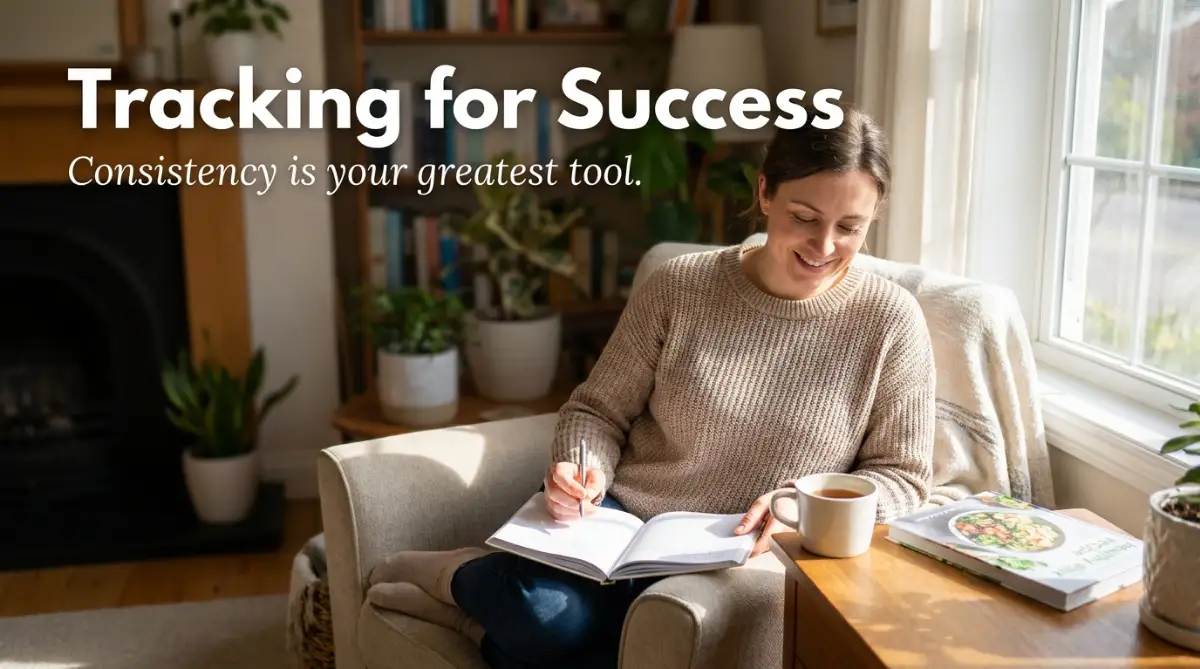
This is called "symptom mapping." It is not about guilt; it is about gathering data. You cannot fix what you do not understand. Write it down in a simple notebook or use a notes app on your phone.
Look for patterns over a two-week period. You might be surprised to see that your worst days coincide with specific types of meals. This is the first step toward taking control.
Building Your Anti-Inflammatory Baseline
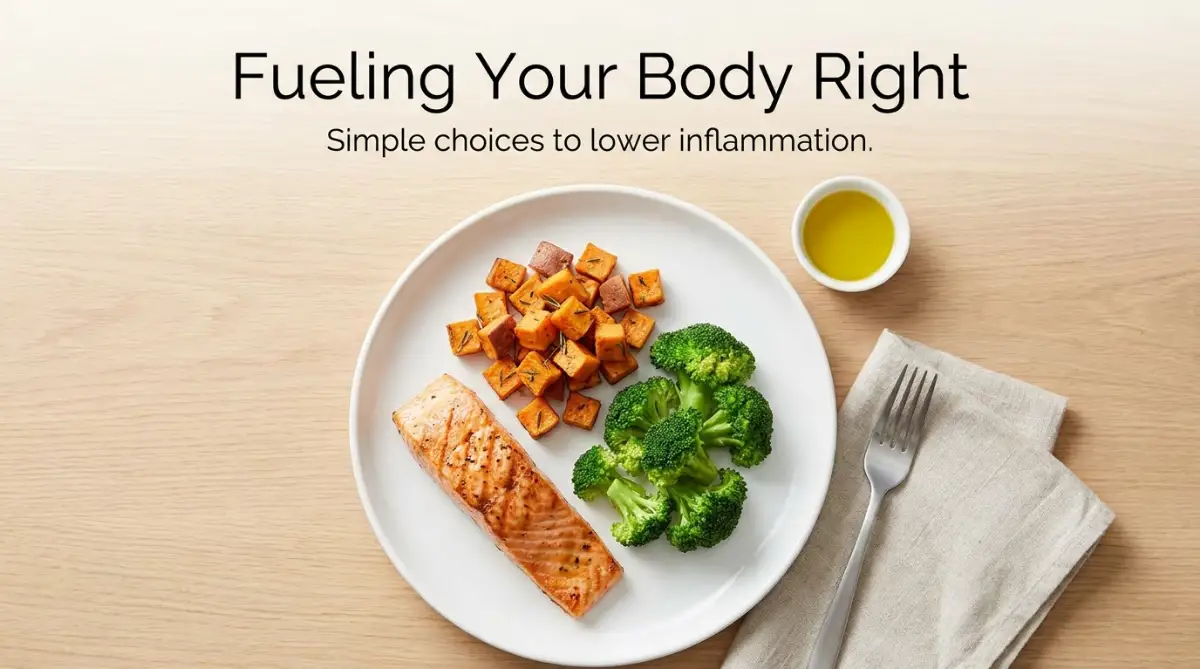
Most chronic conditions have a common enemy: inflammation. It is the body's natural response to stress or damage, but when it stays "turned on," it causes pain, fatigue, and tissue damage. To manage this, you need to load your plate with foods that cool the fire.
- Leafy Greens: Think spinach, kale, and chard. These are loaded with vitamins and antioxidants that your body craves.
- Healthy Fats: Think avocados, olive oil, and walnuts. These fats help repair your cell walls and keep your brain sharp.
- Berries: Blueberries, strawberries, and raspberries are nature's candy. They are packed with compounds that fight off oxidative stress.
- Spices: Turmeric, ginger, and garlic are not just for flavor. They are powerful allies in the fight against inflammation.
You don't need to change everything at once. Pick one category and start adding more of it to your meals. If you love berries, buy a few extra containers this week. If you like avocados, put one on your lunch every day.
Rethinking Your Liquid Fuel
We often forget that what we drink is just as important as what we eat. Sugary sodas, energy drinks, and even "fruit juices" with added sugar are massive contributors to the inflammation that makes your symptoms flare up.
Switching to water, herbal teas, or even black coffee (in moderation) can be a massive win. If you crave flavor, try infusing your water with cucumber, lemon, or fresh mint. It sounds small, but it changes the hydration baseline of your body.
When you remove the liquid sugar, you stabilize your blood glucose levels. This prevents the "crash" that often comes mid-afternoon. Stable blood sugar means stable energy, and stable energy is the key to managing your day-to-day well-being.
The Role of Gut Health
Your gut is often called your "second brain." It houses a large portion of your immune system. If your gut is struggling, your whole body struggles.
Focus on fermented foods. Sauerkraut, kimchi, kefir, and plain yogurt are great sources of probiotics. These friendly bacteria help your gut wall stay healthy. A healthy gut wall prevents "leaky gut," a condition where unwanted particles enter your bloodstream and trigger immune responses.
You don't need a fancy supplement to get started. Just adding a small spoonful of sauerkraut to your dinner can make a difference over time. It is a simple, cheap, and effective way to support your system.
Pro Tip: I learned early on that I was obsessing over "superfoods" while ignoring the basics. I thought I needed exotic seeds from the other side of the world. Then I realized my best days happened when I just ate simple, home-cooked vegetables and protein. My realization: Consistency with simple foods beats sporadic use of "miracle" ingredients every single time.
Watch this video to understand how small dietary tweaks can actually change your body's inflammatory response:
If you are tired of the constant pain and fatigue, this video breaks down the science of how your daily food choices can either help or hurt your health recovery.
This video simplifies the often confusing topic of "healthy eating." Most people try to jump into extreme diets that are impossible to maintain. This video shows you how to make small, sustainable changes that fit into your busy life.
The Reality of Consistency Over Perfection
When you are dealing with a health issue, the pressure to be perfect can be paralyzing. You might think, "If I can't eat perfectly 100% of the time, what is the point?" This is the trap that keeps people stuck.
Nutrition for chronic conditions is not a pass-or-fail test. It is a long-term strategy. If you have a day where you eat something that triggers your symptoms, don't throw away the whole week. Just accept it, drink some water, and go back to your plan for the next meal.
The 80/20 Rule of Wellness
Aim to eat well 80% of the time. The other 20% is for living. This prevents the "deprivation cycle" where you feel so restricted that you eventually snap and binge.
When you allow yourself the flexibility, the "healthy" choices don't feel like a punishment. They start to feel like a way of taking care of yourself. This is the difference between a diet and a lifestyle.
Preparing for the Hard Days
We all have days where we are too tired or in too much pain to cook. This is where your planning pays off. Keep "emergency healthy meals" on hand.
This could be a can of low-sodium lentil soup, a frozen bag of pre-cut vegetables, or a rotisserie chicken from the store. When you are struggling, don't hold yourself to the standard of a chef. Just aim for "healthy enough."
A meal of frozen vegetables and a piece of chicken is still a million times better than a greasy fast-food burger. Lower the bar for the hard days so you can actually clear it.
The Psychology of Your Food Choices
Your mood and your food are deeply linked. When you feel down, you crave sugar and comfort food. This is a physiological reaction to stress.
Recognize that when you reach for the cookie, you aren't actually hungry; you are stressed or tired. Find a non-food way to soothe that feeling. Take a hot bath, listen to a calming podcast, or just lie down for ten minutes.
Addressing the emotion behind the craving is a huge part of long-term success. It turns you from a person who "can't stick to a diet" into a person who understands their body's needs.
Staying Patient with Your Progress
Healing from a chronic condition is a slow process. It is not like fixing a flat tire. It is more like tending to a garden.
Some weeks you will feel like you are making massive progress, and other weeks you will feel like you are back at square one. This is completely normal. Keep tracking your symptoms and keep making those small daily choices.
The change isn't always a light-switch moment. It is a slow, steady improvement. Look back at how you felt three months ago, not just yesterday. That is where you will see the true results of your hard work.
Connecting with Your Support System
You don't have to do this alone. If you have family or friends who understand, talk to them about your goals. You don't need them to police your plate, but having someone to cheer you on makes a big difference.
If you don't have that, there are many online communities for people managing similar conditions. Just being able to share your struggles and your small wins can keep you motivated. You are part of a larger group of people who are also looking for better ways to live.
Remember, you are the expert on your own body. No one else has to live in it. Trust your observations, be kind to yourself, and keep taking those small steps. You have everything you need to start reclaiming your energy, one meal at a time.
Analyzing the "All-or-Nothing" Mindset
Many people fail because they treat health like a crash course. They want to be "cured" in a month. But managing a condition is a lifelong commitment.
Think of it as a journey of discovery. You are constantly learning what works for your specific body. What works for your neighbor might not work for you, and that is okay. You are a unique system, and your plan should reflect that.
Don't be afraid to experiment. Try a new vegetable, swap a common ingredient, or change your cooking method. The more you engage with your food, the less of a chore it becomes.
Eventually, you will find a rhythm that feels natural. It won't feel like "nutrition choices" anymore; it will just feel like the way you eat. And that is the moment everything changes.
A Note on Professional Guidance
While you can do a lot on your own, please work with a qualified nutritionist or a registered dietitian if your condition is serious. They can help you tailor your plan so you don't miss out on essential nutrients.
They can also look at your blood work and other indicators that you can't see on your own. Use them as a partner in your health. You are the captain of the ship, but a good navigator is always helpful.
Don't ignore the importance of medical advice. This guide is meant to help you take charge of your daily life, but it should be done in conversation with your healthcare team. Keep them in the loop about your changes.
Final Thoughts on Daily Action
You have the power to change how you feel. It starts with the very next thing you put in your mouth. Don't worry about being perfect. Just focus on being a little bit better, a little bit more intentional, each day.
Your future self will thank you for the care you are showing today. It is a quiet, daily act of love for the body that carries you through life. Take that love seriously, and you will see the results in the way you wake up, the way you work, and the way you enjoy your life.
Keeping It Sustainable for Years
The biggest challenge is not starting; it is continuing. To keep this up, you have to make it easy. If it is hard to eat healthy, you won't do it.
Design your life so that the healthy choice is the easiest choice. Keep healthy snacks at eye level in the fridge. Pack your lunch the night before. Keep your kitchen stocked with the basics.
When you remove the friction, the habits will stick. You don't need iron-clad discipline. You just need a well-designed environment. You have got this.
Turning Stored Data Into Real-World Wisdom
Organizing your notes is just the beginning. The real magic happens when you stop seeing information as a collection of facts and start seeing it as a toolkit for your life. You need to bridge the gap between "knowing" and "doing."
If you have ever felt like you know a lot but achieve very little, you are not alone. You might be missing the step of synthesis. This is where you combine what you have learned from two different sources to solve a unique problem in your own life.
You can learn more about how to structure your efforts by reading how to bridge the professional skill gap by mastering basic automation tools. Using tools to automate your workflow frees up your brain to focus on the heavy lifting of thinking and applying your knowledge. When you automate the boring parts, you save your energy for the insights that actually move the needle.
One pro-level secret is to write "summary sentences" for every big project you finish. Ask yourself, "If I had to teach this to someone in one minute, what would I say?" This forces your brain to distill the signal from the noise.
According to research from The Learning Scientists, this type of "active recall" is significantly more powerful than just re-reading your notes. By forcing yourself to output the information, you strengthen the neural pathways associated with that memory. It makes the knowledge feel like it truly belongs to you.
Another secret is to keep your system humble. Don't try to build a massive, complex architecture that requires hours of daily maintenance. If it takes longer to file a note than to write it, the system will eventually fail.
Think of your knowledge system like managing your finances. Just as you need to understand the fine print when understanding the gap: how deductibles and out-of-pocket limits work, you need to understand the limits of your own memory. Keep your organization simple so you don't go "bankrupt" on time.
I also recommend the "10% rule." Keep only the most impactful 10% of the information you consume. Everything else is likely just temporary noise that you don't need to carry forward.
The Hidden Traps Sabotaging Your Memory
We often think we are being productive when we are actually just creating "digital clutter." It is easy to feel like you are achieving something by moving files around or changing font colors, but this is a false sense of progress.
The Trap of "Tool Addiction"
You might spend three days searching for the perfect app to organize your life. You read reviews, watch tutorials, and set up the interface, thinking this is "getting organized." But this is actually a form of avoidance.
The app will not save you. The method will. If you find yourself spending more time inside your note-taking app than you do reading or writing, you are in the trap. Close the app and go back to the source material.
The "Hoarding" Mindset
We are programmed to think that more is better. We save every article because we are afraid we might need it "one day." This fear of missing out creates a mountain of data that you will never touch again.
This creates a heavy mental burden. It is like living in a house full of boxes you never open. When your digital environment is cluttered, your mind feels just as crowded.
It can even start to impact your physical well-being. If your digital clutter is causing you constant stress, why mental health check-ups are just as essential as physical screenings is a reminder to look at the bigger picture. Sometimes, the stress of "not knowing where things are" is a bigger health risk than we realize.
Ignoring the Context
Imagine saving a brilliant business strategy but forgetting why it was brilliant. You save the "how," but you lose the "why." Without the context of your original thought or the problem you were trying to solve, the note becomes meaningless later.
Always add a sentence at the top of your notes explaining why you saved this. "This helps me solve X problem" is worth more than ten pages of copied-and-pasted text. Context is the glue that makes knowledge stick.
Relying on "Flashy" Systems
Some people try to use complex linking structures that look like a spiderweb. They spend hours linking note A to note B, and note B to note C. This can feel smart, but it often leads to "analysis paralysis."
If your system is too complex to navigate in under five seconds, it is too complex. Keep it flat. Keep it searchable. Do not turn your note-taking into a full-time job.
Forgetting to Take Action
This is the most painful mistake of all. You learn a great way to improve your business, but you file it away and never use it. You continue to make the same errors because you didn't connect the solution to your daily work.
People often struggle with this when their ventures don't go as planned. They look at the silent killers: unspoken reasons startups fail in cycle one and realize they had the knowledge but lacked the execution. Don't let your notes be the reason for your failure. Use them to fuel your movement forward.
Your Action Plan for Clearer Thinking
You don't need to be a memory genius to see results. You just need to be a little bit more intentional than everyone else. Start with the basics and let your system grow naturally.
Daily Checklist
- Capture: Get thoughts out of your head immediately.
- Clarify: Do I need this in one month?
- Apply: Can I use this info to solve a real problem today?
Long-term Success
If you want to keep this going, treat your knowledge base like a living garden. Prune the dead weight and water the ideas that are actually helping you grow. This requires a small commitment, but the payoff is a clearer, sharper mind.
I have been using these methods for years. My life feels much lighter because I no longer rely on my brain to hold onto thousands of tiny details. I trust my system, and that trust lets me think more deeply about the things that really matter.
My advice to you is to stop overthinking the "how" and start focusing on the "what." What are you learning? What are you changing in your life because of that learning? That is the measure of your success.
I am cheering for you as you build your own system. It takes courage to admit that your old ways weren't working and to try something new. You are doing great, and I know you will see the benefits very soon.
Common Questions About Knowledge Organization
Does this system require me to use a computer all the time?
Not at all. While digital tools are convenient, you can do this with a simple pocket notebook. The core habit is about capturing and processing thoughts, which can be done on paper just as effectively as on a screen.
What if I don't know what to tag a note as?
Don't stress about tags. Tags are just for your future self to find things. If a note is about "investing," just tag it #investing. If it is about "fitness," tag it #fitness. Keep it simple and don't let it slow you down.
Is it bad to have multiple apps?
It can be, but it’s not a sin. Some people like to separate their life, like having one app for work and one for personal projects. Just make sure you aren't spreading your info so thin that you can't find anything when you need it.
Can this help with financial planning?
Yes, absolutely. Tracking your financial decisions and lessons learned is a great way to improve your outcomes. For example, keeping notes on how to stay calm and invest wisely during market volatility can help you stick to your plan when things get stressful.
What if I just want to read for fun?
Then read for fun! Not every piece of info needs to be "organized" or "processed." If you are reading a novel or a fun article, just enjoy it. This system is for the knowledge you want to keep and use.
How do I start if I have zero notes right now?
That is the best place to start. You don't have any mess to clean up. Start with your next good idea. Capture it, summarize it, and put it somewhere safe. That is day one.
Disclaimer:The content provided here is for informational purposes only. It is not intended to be a substitute for professional mental health advice, financial planning, or career coaching. Always adapt these methods to your personal situation and consult with professionals when making major life or business decisions. By applying the tips mentioned, you take full responsibility for your own outcomes.