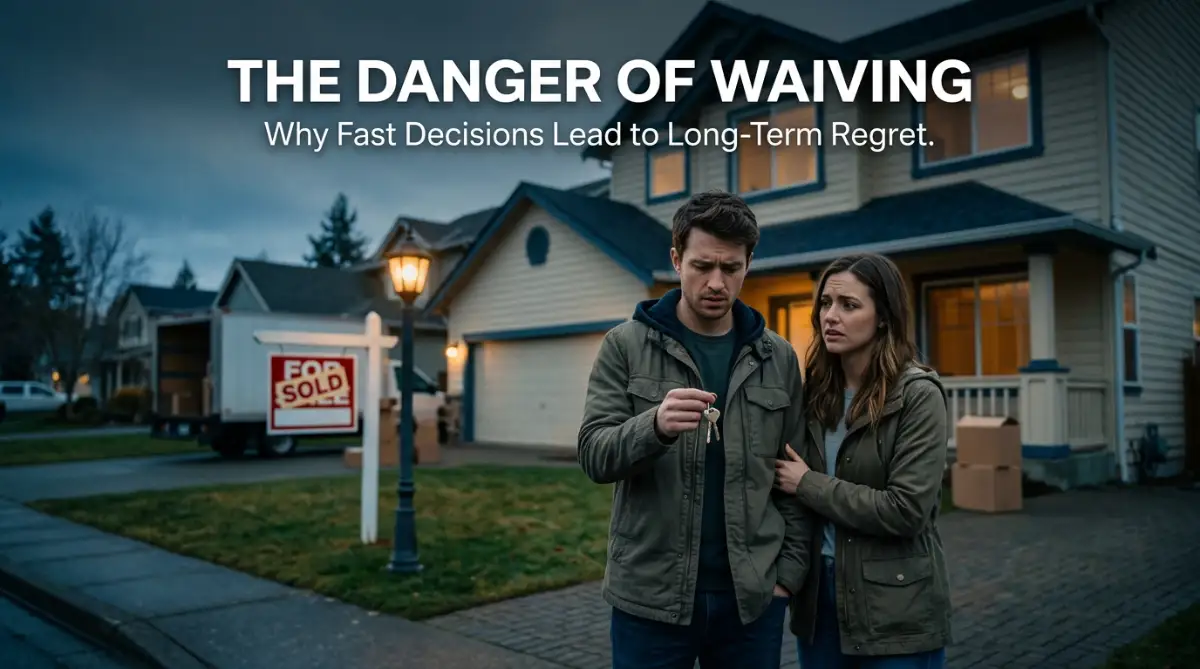
The Reality of Buying: Why I Almost Made a Huge Mistake
I remember the day I finally found "the one." It was a beautiful, sun-drenched colonial house with a perfect kitchen and a backyard that felt like a sanctuary. I had already lost out on four other homes in a bidding war, and the exhaustion was setting in. My agent looked at me and whispered the words that felt like a lifeline at the time: "To win this, you need to waive the inspection." I was desperate. I wanted the house, and I was ready to do anything to stop the endless cycle of losing. I almost signed the paper that would have stripped away my right to know what was happening behind those pretty walls.
I didn't realize it then, but I was gambling with my financial future. We often think that missing out on a house is the worst-case scenario, but it isn't. The real nightmare starts after you get the keys. Imagine moving into your dream home only to discover a leaking roof or a foundation crack that costs more than your down payment to fix. That isn't just a "bad day." That is a life-altering event that ruins your excitement, drains your savings, and leaves you stuck in a house you can no longer afford to maintain. I am so glad I paused, took a deep breath, and walked away from that pressure. It is time we talk about why this shortcut is never worth the risk.
Many people find themselves in this exact position. You are tired of being outbid. You are tired of searching. You just want the process to end. But when you waive an inspection, you aren't just saving time; you are taking on a massive amount of hidden debt. The seller wants a quick sale, and they might make you feel like the inspection is the only thing standing in your way. But remember, they are looking out for their wallet, not your future. You are the one who has to live there when the plumbing fails or the electrical wiring sparks. The stress of constant home repairs is not something anyone should invite into their life. It is not just about money; it is about your mental peace and your family's safety.
The Trap: Why Sellers Push for "No Inspection" Offers
When a seller requests a "no inspection" offer, they are effectively asking you to buy a car without looking under the hood. They are banking on your emotional desperation. They know that in a heated market, fear of loss is a powerful motivator. You start thinking, "If I don't do this, I will never own a home." But this logic is flawed. You are not buying a pair of shoes; you are buying a complex mechanical and structural system that requires regular care. Skipping the inspection is a gamble you cannot afford to lose.
The Financial Fallout of Unseen Repairs
When you skip an inspection, you are flying blind. A home might look perfect on the surface with fresh paint and staged furniture. However, underneath that coat of paint, there could be rotting wood, outdated plumbing, or a failing HVAC system. These are not "minor" issues. These are significant expenses. A new HVAC system can cost thousands. Foundation repair? That can go into the tens of thousands. When you waive your right to an inspection, you agree to buy the home "as-is" meaning you are legally responsible for every single one of these problems from the moment you take possession. You lose your leverage to negotiate a lower price or to ask the seller to fix these issues before closing.
Why You Should Never Sacrifice Your Safety
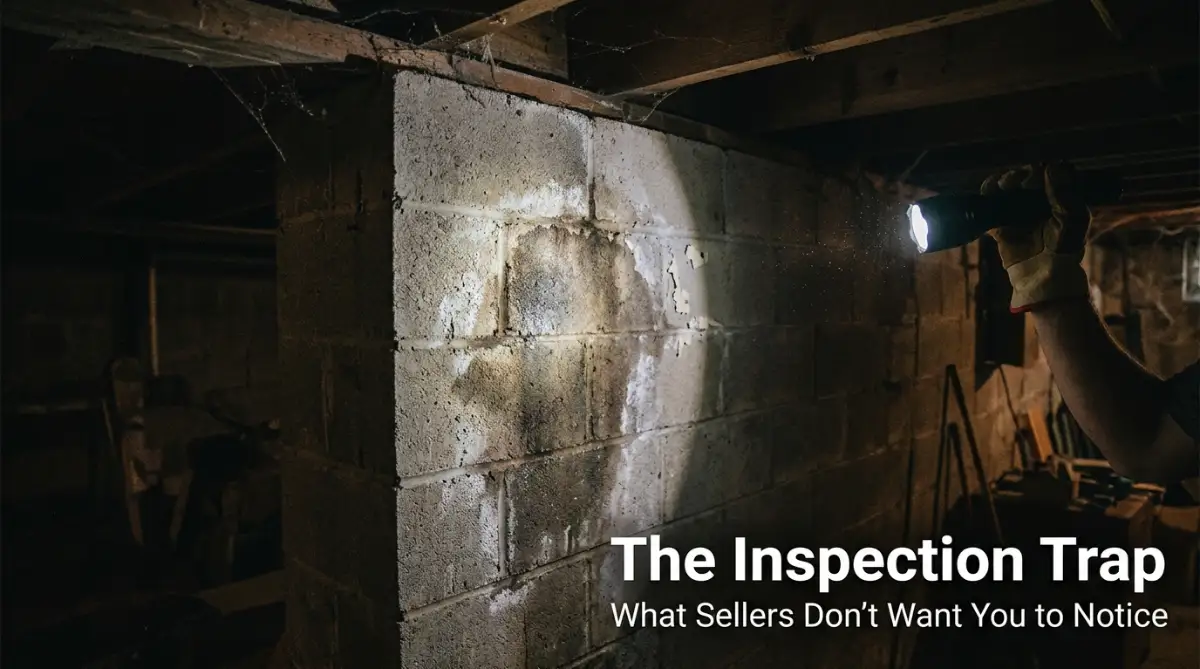
It isn't just about money; it is about safety. I have seen homes that looked beautiful but had severe issues like faulty electrical wiring that posed a fire hazard or mold issues that could affect your health. An inspector is not just a person who creates a list of to-dos; they are a professional who checks for systems that could hurt you or your family. By waiving the inspection, you are choosing to bypass an expert's opinion on the biggest investment of your life. This is a risk that simply does not make sense.
How to Stay Competitive Without the Risk
You might be asking, "But if I don't waive the inspection, I will never win a bid!" That is a common fear, but it is not entirely true. There are ways to make your offer strong and appealing to a seller without throwing your protection out the window. It takes strategy, but it is possible. You need to show the seller that you are a serious, professional buyer.
The "Informational Only" Strategy
One powerful way to stay competitive is to offer an "informational only" inspection. This means you hire an inspector to check the house, but you tell the seller you will not ask them to pay for repairs. You retain the right to back out if the inspector finds a "deal-breaker," like a major structural issue or a major hazard. This gives you the knowledge you need to protect your investment without demanding a laundry list of repairs from the seller. It signals that you are reasonable but also serious about your due diligence.
Pre-Inspection: A Bold Move
Another option is to perform a "pre-inspection" before you even submit your offer. Yes, this costs money upfront, and yes, you might lose that money if you don't get the house. However, it allows you to submit an offer with a clean inspection contingency because you have already done your homework. If you win, you already know exactly what you are buying. If you lose, you at least know you were bidding on a solid property and not a money pit.
Pro Tip: I learned this the hard way after losing a house to a buyer who offered a higher price. I realized later that I could have saved so much time if I had just done a quick walkthrough with a contractor during the open house. If you can't afford a full inspection, at least bring someone with you who knows construction basics to point out potential red flags before you sign.
The Power of an Escalation Clause
If you want to beat the competition without waiving inspections, use an escalation clause instead. This allows you to say, "I will pay X amount for this house, but if another buyer offers more, I will automatically increase my offer to Y, up to a maximum of Z." This keeps your offer competitive without forcing you to cut corners on the actual quality of the home. Sellers love this because it gets them the highest price possible, and you get to keep your inspection contingency intact.
Want to see how the market is changing?
Sometimes visual aids make the process much easier to understand. Below is a video that explains how to navigate bidding wars like a pro without putting your future at risk.
The Long-Term Impact of Your Decision
When you look at a house, it is easy to get caught up in the aesthetics. You see the layout, the sunlight, and the curb appeal. But you need to look at the house as an asset that needs to appreciate over time. Buying a house that has hidden problems means you are starting from a deficit. Instead of using your budget to renovate the kitchen or decorate, you will be using it to fix a broken water heater or a leaking roof. That is not how you want to start your journey as a homeowner.
Understanding the "As-Is" Clause
Many sellers will try to push an "as-is" clause on you even if you don't waive the inspection. You need to understand what this means. It usually means the seller will not make any repairs, but you still have the right to walk away if the inspection reveals major problems. Never, ever confuse "as-is" with "waiving the inspection." They are two different things. Always keep your contingency clause.
The Emotional Toll of Regret
I have met people who waived their inspection because they were scared of losing the bid. Six months later, they are stressed, angry, and dealing with lawyers. Do not be that person. A house is meant to be a place of comfort, not a source of anxiety. If you have to walk away from a deal because the seller refuses to allow an inspection, walk away. There will be another house. There will be another seller who is more reasonable. Your peace of mind is worth more than any house on the market.
Final Advice for Every Smart Buyer
You are the one who has to live with the consequences of your offer. In a competitive market, it feels like everyone is in a rush. Take a step back. Take a deep breath. Evaluate the property. Is it really worth the risk? Most of the time, the answer is no. Protect yourself, hire a qualified inspector, and always keep your inspection contingency. It is the most important safeguard you have in the entire process.
Your future self will thank you for being patient and cautious today. A home is a long-term investment, not a quick purchase. Take the time to make sure you know exactly what you are buying. If a seller is pushing too hard to skip the inspection, that is usually a massive red flag. Ask yourself why they are so afraid of a professional inspection. The answer might just save you from a disaster.
Buying a home is one of the most significant milestones in life. It should be a moment of celebration, not the start of a financial crisis. Stay informed, stay smart, and never let the pressure of the market force you into a decision that you will regret for years to come. You have the power to make the right choice, and that choice starts with keeping your inspection right.
Why Quality Inspections Matter
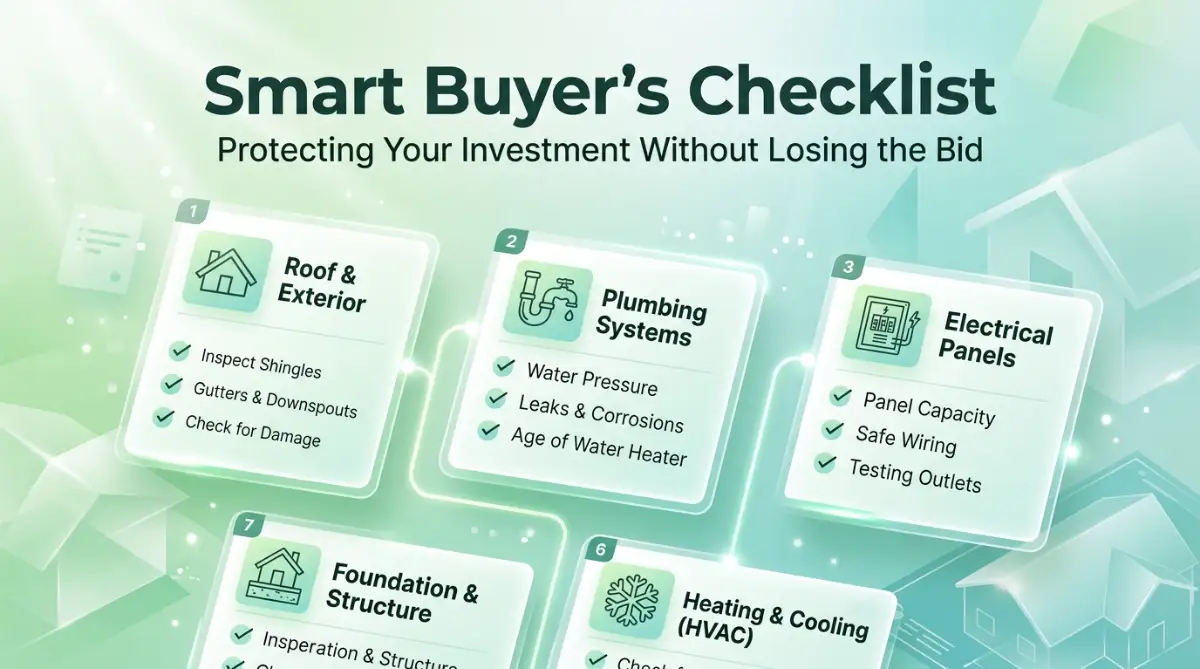
Think of a home inspection as a health checkup for your property. Just as you wouldn't buy a used car without checking the engine, you shouldn't buy a home without checking its systems. Inspectors look at the roof, the electrical panels, the foundation, and the plumbing. They check for things you cannot see, like signs of pest infestations or insulation issues. These are the things that keep a house functioning properly.
If you skip this, you are effectively buying a "mystery box." You might get lucky, but why risk your life savings on luck? A good home inspector acts as your advocate. They are there to give you the objective truth about the home's condition. Use that information to make an informed decision. If the report comes back with major issues, you have the data you need to renegotiate or walk away. That information is worth its weight in gold.
Staying Calm in a Hot Market
I know how hard it is to stay calm when you see homes being sold in hours. It feels like a frenzy. But the frenzy is exactly where mistakes happen. When you are in a rush, you miss details. When you miss details, you make bad decisions. Being a successful buyer means being the most prepared person in the room.
Have your finances ready. Have your team of professionals, including your inspector, lined up and ready to go. When you find a house you love, you can act quickly because you are prepared, not because you are cutting corners. Preparation allows you to move fast while still keeping your safety nets in place. Do not let the market dictate your risk tolerance. You set your own rules for what you are willing to accept.
By taking this approach, you maintain control. You are the buyer, and you hold the power to decide what terms are acceptable to you. Never feel pressured to sign a contract that makes you uncomfortable. If you don't feel good about a deal, trust your gut. It is usually right. Your home-buying journey should be an exciting chapter, not a source of stress and regret. Stay the course, keep your inspections, and you will find the right home at the right time.
Strategies for the Smart Home Buyer: Going Beyond the Basics
Winning a home in a hot market does not have to mean losing your sanity or your savings. Once you understand the baseline of why inspections matter, the next step is mastering the art of the "protected offer." You want to be the buyer who gets the house without compromising on the quality of your investment. It is entirely possible if you change how you approach the process.
The "Sewer Scope" and Hidden Utility Secrets
Most standard home inspections cover the visible parts of the house, like the roof, the walls, and the plumbing fixtures. However, they often miss the things buried underground. Get a sewer scope inspection. This costs a small amount of money upfront, but it can save you thousands. If there are tree roots in your sewer line, you are looking at a major repair bill within your first few months.
Also, look into a radon test. This is not always standard in every market, but it is a silent, invisible threat that you should never ignore. If the levels are high, it is a health risk for you and your family. By making these part of your standard procedure, you are not being "difficult"; you are being a responsible homeowner.
How to Use the "Pre-Inspection" for Maximum Leverage
If you are in a market where bidding wars are common, you need to move fast. A great way to do this is to schedule a professional inspector to join you during a private showing. Yes, you pay them for their time, but it provides you with immediate, expert feedback before you even sign a purchase agreement.
If they spot a massive structural failure, you walk away before you lose a single cent on an earnest money deposit. If they say the house is solid, you can confidently submit an offer with no inspection contingency, knowing you have already done your homework. This is how how to stay calm and invest wisely during market volatility works—you prepare in advance so you can act with confidence when the time comes.
Building a Relationship with Your Inspector
When you hire an inspector, treat them like a consultant, not just a person with a checklist. Show up at the property while they are working. Ask them questions like, "If this were your house, what would worry you the most?" or "How long do you think this water heater will actually last?"
This gives you a much better picture than a printed report ever could. They will point out things that might not be "code violations" but are definitely "maintenance headaches." You want to know if the electrical panel is outdated, even if it is technically functional. These insights help you prepare your future budget so you are not blindsided by costs later. For more on managing your long-term money goals, you might want to look into how to build wealth through smart dividend investing, as home maintenance is a big part of your overall financial strategy.
The Traps: Common Mistakes That Cost Buyers a Fortune
I have seen so many people fall into the same traps when they get excited about a property. The adrenaline of "winning" the house often clouds judgment. It is easy to look at a new coat of paint or a pretty garden and ignore the warning signs. You must learn to spot these pitfalls before they become your responsibility.
The "Staging" Illusion
Real estate agents and sellers use staging to make a home look perfect. They use bright lights, warm colors, and nice furniture to distract you from the truth. Do not let the "vibe" of the room stop you from checking the corners. Look for signs of paint over water stains on the ceiling. Look for loose floorboards. Never assume that a clean-looking house is a well-maintained one.
Ignoring the "Minor" Red Flags
Many buyers walk through a home and see a small crack in the foundation or a slightly damp smell in the basement and think, "Oh, that’s an easy fix." This is often a mistake. Small problems are rarely just small problems. A damp basement could mean a cracked foundation or a poor drainage system around the house. When home insurance companies deny claims and how to stay protected, it is often because they determine the damage was pre-existing or caused by lack of maintenance. Do not assume insurance will bail you out of a bad purchase decision.
The Danger of Assuming Sellers are Experts
Some sellers love to "DIY" their home repairs. They might have added a new deck, fixed the plumbing, or updated the electrical wiring themselves. Without permits, these projects are often done incorrectly. If you do not have an inspection, you are inheriting the results of these amateur repairs. You might be buying a house that has electrical circuits that are overloaded or plumbing that is not vented correctly. These are not just "DIY projects"; they are potential disasters waiting to happen.
Letting Emotions Dictate the Offer
When you find a home that fits your "dream" vision, your brain naturally stops looking for problems. You start rationalizing everything. You say things like, "We can just fix that later" or "It’s not a big deal." This is the moment you lose your financial edge. Take a notebook with you and write down every single thing that looks slightly "off" during your showing. Force yourself to be objective. If you find yourself making excuses for the house, that is your signal to stop and get a professional opinion immediately.
Your Path Forward: Owning Your Decision
You have the power to change the narrative. Buying a home should not feel like gambling. By slowing down, asking the right questions, and refusing to skip the inspection, you are setting yourself up for success. You are ensuring that your home remains a sanctuary rather than a source of stress.
A Mindset Shift for New Homeowners
Think of your home as a business. You are the CEO of this property. A smart CEO never signs a contract without knowing exactly what they are getting into. When you approach buying this way, you remove the fear. You become confident in your negotiations because you have the facts on your side.
Start Planning Today
If you are currently looking at homes, start building your team now. Find a reliable inspector who has a great reputation. Find a real estate agent who respects your desire to be thorough. If an agent tries to pressure you to "waive the inspection" to get the deal done faster, find a new agent. You deserve someone who acts in your best interest.
I remember my own journey, and I recall how tempted I was to just sign the papers and get it over with. But every time I held back and prioritized my due diligence, I saved myself from huge headaches. My advice to you is simple: Stay patient. There is always another house. There is never another life savings. You have everything you need to make the right choice, and that choice is always to prioritize your long-term security over a short-term win.
Common Questions About Home Inspections
Is it ever a good idea to waive an inspection?
In almost every scenario, the answer is no. Unless you are a licensed professional contractor who knows exactly how to evaluate a property and you are willing to take on significant financial risk, you should keep your inspection contingency. It is your only real protection against hidden structural or mechanical failures.
What happens if the inspection finds major issues?
You are not stuck! You can negotiate with the seller to have them fix the issues, ask for a price reduction to cover the repairs yourself, or simply walk away from the deal. Having this choice is the most valuable part of the entire buying process.
Who is responsible for finding a home inspector?
You are responsible for finding and hiring your own inspector. Do not rely on your real estate agent to pick one for you, as they may have a bias. Look for inspectors who are certified by reputable organizations like the International Association of Certified Home Inspectors (InterNACHI).
How much should I expect to pay for an inspection?
The cost varies depending on the size of the home and your location, but it is a small fraction of the home's total price. Think of it as an insurance policy. Spending a few hundred dollars now to avoid a ten-thousand-dollar repair later is one of the smartest investments you can make.
Can I ask the seller to fix everything on the report?
You can ask, but the seller is not required to agree to everything. Use the report to prioritize. Focus your requests on "deal-breakers" like foundation, roof, plumbing, or electrical issues. If the seller refuses to fix major safety items, you have your answer about whether you should buy that home.
Disclaimer: This blog post is for informational and educational purposes only and does not constitute professional real estate, financial, or legal advice. Every real estate transaction is unique and involves specific local laws and regulations. You should always consult with a licensed real estate professional, attorney, or financial advisor before making any decisions regarding property purchases. I am not responsible for any financial losses or damages resulting from the use of the information provided in this article.