
The Sudden Heartbreak of an Unpaid Property Claim
You spend years paying your monthly premiums, believing you have a safety net for your family. One evening, you return home after a long day of work to find water pouring from the ceiling. Your living room is ruined, your electronics are fried, and your heart drops into your stomach.
You take a deep breath and remember that you have "good" insurance. You call the agent, file the claim, and wait for the help you deserve. But then, a few days later, a cold letter arrives in your mailbox.
The letter says "Claim Denied." Suddenly, the safety net you counted on has disappeared. The stress doesn't just hit your wallet; it hits your peace of mind and your sense of security.
"Home insurance is a vital part of a person's life''.
How can this happen? You followed the rules, or so you thought. This feeling of betrayal is something no homeowner should ever have to face alone. It is a confusing and painful reality that happens to thousands of people every year.
Many people find themselves in tears, wondering how they will afford to fix their home. The financial weight can be crushing, making it feel like your world is falling apart. Understanding why these letters are sent is the first step toward making sure it never happens to you.
We are going to look into the "why" behind these rejections. We will speak honestly about the mistakes that lead to these moments of crisis. By the end of this guide, you will know exactly how to protect your home and your future.
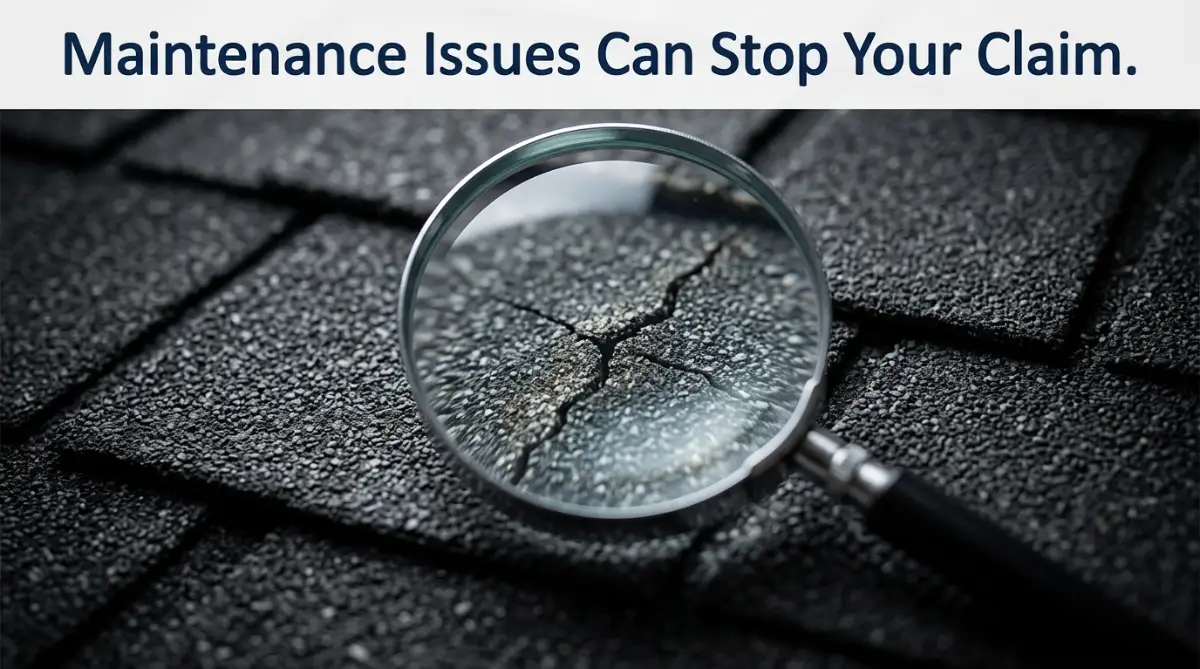
The Conflict Between Wear and Tear vs. Sudden Damage
One of the most frequent reasons for a denied claim is the distinction between "sudden" and "gradual" damage. Insurance is designed to cover accidents that happen in an instant, like a fire or a falling tree.
It is not a maintenance plan. If a pipe has been leaking slowly behind a wall for six months, the insurance company will likely say no. They view this as a failure of the homeowner to maintain the property.
This is a hard pill to swallow because you might not even know the leak was there. However, from their perspective, your policy only covers "sudden and accidental" events.
To protect yourself, you must be proactive. Check under your sinks and behind your appliances once a month. Catching a small drip early can save you from a massive bill that your insurance won't touch.
The Risk of Delaying Your Claim Filing
In the world of property protection, time is your greatest enemy. Every insurance policy has a "notice of loss" clause. This means you must report the damage as soon as it is safely possible.
If you wait two weeks to report a storm-damaged roof, you are giving the company a reason to walk away. They might argue that the delay caused more damage, such as mold growth or water soaking into the floor.
When you wait, the evidence starts to fade or change. The insurance adjuster needs to see exactly what happened during the event.
If you find damage, take photos immediately. Call your provider the same day. Being fast shows that you are taking the situation seriously and helps keep your claim on the right track.
The Danger of Inaccurate Property Information
When you first signed up for your policy, did you mention the new home office or the expensive jewelry? Many claims are rejected because the policy doesn't match the actual house.
If you tell the company your roof is brand new, but it is actually twenty years old, you are in trouble. This is called "material misrepresentation." Even if the mistake was an accident, it can void your entire coverage.
Always be honest about the age and condition of your home. It might make your premium slightly higher, but it ensures that the policy is actually valid when you need it.
If you are struggling with current bills while trying to fix your home, you might consider understanding debt consolidation to manage your finances better. Keeping your credit and records clean is essential for long-term stability.
Documenting the Evidence with Precision
When something goes wrong at home, it can be surprisingly difficult to remember exactly what was there or how much damage occurred. A few months after a leak, fire, or storm, you may not remember every detail—and that is where photos and videos can make a real difference.
One of the simplest things you can do is create a visual record of your home before a loss happens. Walk through each room and take clear photos or a short video showing the furniture, electronics, appliances, and other valuable belongings. Keep those records somewhere safe, along with receipts or other proof of ownership when available. Think of it as creating a snapshot of what your home looked like before anything went wrong.
If damage does occur, document it as soon as it is reasonably safe to do so. Take wide photos to show the overall situation, then take closer shots of damaged areas and individual items. Keep damaged belongings if it is safe and practical to do so, and avoid throwing anything away until you understand what your insurer or adjuster needs to inspect.
Good documentation does not guarantee that an insurance claim will be approved, but it gives the insurer much clearer information to work with. It can help establish what was damaged, what it looked like before the loss, and what you are actually claiming.
The goal is simple: do not rely on your memory when you can have clear evidence instead. A few photos taken today can be far more useful than trying to reconstruct everything after a stressful event.
Understanding Policy Exclusions for Natural Events
Not every disaster is covered by a standard home policy. This is one of the biggest shocks for new homeowners. For example, standard policies almost never cover flood damage or earthquakes.
If your basement floods because a nearby river rose, your regular insurance will likely say it's not their problem. You need a specific, separate policy for floods.
The same applies to "earth movement" or sinkholes in many areas. You need to read your "exclusions" page carefully. It is usually the most important page in the entire document.
If you live in a high-risk area, don't wait for a disaster to find out you aren't covered. Having a back-up plan is essential, and you should focus on building a bulletproof emergency fund fast to handle these gaps in coverage.
The Role of Professional Inspections
A simple way to avoid a denial is to have your home inspected by a professional every few years. An inspector can find the "gradual" problems before they turn into a "claim denial" nightmare.
Keep the receipts and reports from these inspections. They serve as proof that you were acting as a responsible homeowner.
If a pipe bursts and the insurance company tries to claim it was an old leak, you can show them an inspection report from six months ago. This report proves the plumbing was in good shape.
It shifts the burden of proof back to the insurance company. This extra layer of protection makes it much harder for them to reject your request for help.
Managing Your Home Business and Insurance Limits
With more people working from home, this has become a major factor in claim rejections. Most standard home policies have very low limits for "business personal property."
If your home office catches fire and you lose $10,000 worth of computer equipment, your policy might only cover $2,500 of it. If you are running a business out of your garage and someone gets hurt, you might have no liability coverage at all.
You must tell your insurance company if you are earning money from your home. They may need to add a small "endorsement" to your policy to keep you protected.
Failing to disclose a home business is a common reason for a complete claim denial. It is better to pay a few extra dollars a month than to lose everything in a disaster.
Preparing for the Repair Costs Out-of-Pocket
Sometimes, even with the best policy, you will have to pay for repairs yourself first. This happens when the damage is below your deductible.
Your deductible is the amount you agree to pay before the insurance kicks in. If your deductible is $1,000 and the repair is $900, the insurance company won't pay a cent.
This can be a huge stress if you don't have the cash ready. If you find yourself in a situation where you need quick funds for an emergency repair, you might need to look at avoiding personal loan mistakes to get the best rates.
Being financially prepared means knowing exactly what your deductible is. High deductibles lower your monthly bill, but they increase your risk during a crisis.
The Final Word on Honesty and Disclosure
The relationship between you and your insurance provider is built on "utmost good faith." If they find out you lied about having a specific security system or a certain type of plumbing, the trust is broken.
When the trust is broken, they have the legal right to deny your claim or even cancel your policy. It is never worth the risk of "fudging the numbers."
Be clear, be honest, and stay updated. Your home is likely your biggest asset. Treating your insurance policy with the respect it deserves will ensure that it treats you with respect when you need it most.
By paying attention to these factors today, you are building a wall of protection around your family's future. Knowledge is the best insurance you can ever have.
Securing Your Financial Future: Expert Strategies for Guaranteed Protection
You already know the basic rules of property protection from our previous discussion. Now, we need to take your defensive strategy to an entirely new level.
The corporate adjusters who review your file are highly trained professionals. To get the exact payout you deserve, you must learn to think exactly like they do.
Protecting your home is not just about paying a monthly premium and hoping for the best. It requires a proactive, smart approach to every single document you sign and every conversation you have.
Let us explore some powerful, advanced tactics that separate a successful payout from a devastating rejection. These insider secrets will put you completely in control of the entire process.
The Power of the "Communication Log"
Most people make a massive mistake the moment they experience property damage. They grab their phone, call their agent in a panic, and completely forget what was said.
You must treat this situation like a formal business negotiation from the very first minute. Start a dedicated communication log immediately.
Every single time you speak to someone from the insurance company, write down their full name and ID number. Record the exact date, the precise time, and a detailed summary of what they told you.
If an adjuster promises to send an inspector by Tuesday, write that promise down. If they claim a specific damaged item is not covered, ask them to point out the exact page in your policy.
This simple notebook becomes your strongest weapon if the company tries to change their story weeks later. When you can quote their exact words back to them, they instantly realize you are not an easy target.
Hiring Your Own Private Advocate
Did you know that you do not have to accept the insurance company's initial offer? The adjuster sent to your house works for the massive corporation, not for you.
Their primary goal is to close the file as quickly and cheaply as legally possible. If your home has suffered severe, catastrophic damage, you need someone fighting strictly on your side.
Consider hiring a licensed Public Adjuster to manage the entire situation for you. These independent professionals fully understand the complicated legal language of your contract.
They will inspect the destruction, write their own detailed estimates, and negotiate aggressively on your behalf. You can learn more about your exact consumer rights and find licensed advocates through the National Association of Insurance Commissioners official portal.
While a public adjuster does take a small percentage of your final check, they usually secure significantly more money than you could alone. It is exactly like bringing a highly skilled lawyer to a difficult court battle.
Mastering the "Proof of Loss" Document
At some point during a major disaster recovery, the company will ask you to sign a "Proof of Loss" form. This is an extremely serious, legally binding sworn statement.
You are legally declaring the exact amount of money you are demanding for the repairs. Do not ever rush to fill out this specific piece of paper.
If you forget to list your ruined expensive oak cabinets on this form, you will not get paid for them later. Once this document is signed and submitted, it is incredibly difficult to ask for more money.
Take your time and work closely with an independent contractor to uncover every single hidden cost. Make sure you are completely financially prepared for unexpected costs by understanding the gap: how deductibles and out-of-pocket limits work before you sign anything.
Knowing your exact out-of-pocket responsibilities ensures you do not accidentally agree to an unfairly low settlement.
The Temporary Repair Balancing Act
When a tree falls on your roof, you have a strict legal duty to prevent further water from entering your house. This is called "mitigating the damage" in the insurance industry.
You are expected to hire someone to place a heavy plastic tarp over the massive hole. If you fail to do this, the company will absolutely refuse to pay for the resulting mold and ruined drywall inside.
However, there is a very dangerous flip side to this rule. You must never make permanent repairs before the official adjuster sees the original mess.
If you completely replace the broken roof shingles before the inspector arrives, you have just destroyed the evidence. They will simply say they cannot verify the severity of the storm, and your case will be closed.
Always take hundreds of clear photos, make only temporary emergency fixes, and save every single receipt for those materials.

The Heartbreaking Pitfalls That Destroy Good Claims
Even the most honest, hardworking homeowners often fall into hidden traps during a stressful crisis. When you are standing in a flooded living room, your emotions naturally take over.
Panic and exhaustion cause smart people to make very simple, yet incredibly expensive errors. Let us look at the most dangerous behaviors you must completely avoid.
The "Cleaning Up" Disaster
Imagine coming home to find your basement completely filled with dirty sewer water. Your first human instinct is to grab heavy trash bags and throw away everything that smells terrible.
You drag your ruined expensive leather sofa and waterlogged electronics out to the street for the garbage truck. This single action can cost you tens of thousands of dollars.
Without the physical items present for the inspector to examine, you have zero proof they were actually destroyed. The company will not simply take your word that you owned a top-tier gaming computer or a designer couch.
No matter how bad the mess smells, you must leave the damaged property exactly where it is. If you absolutely must move something for health reasons, take a massive amount of video evidence first.
Keep the ruined items stored safely in your garage or backyard until the adjuster gives you written permission to discard them. For official guidelines on handling dangerous water damage safely, you can review the FEMA disaster recovery guidelines to protect both your health and your legal rights.
Admitting Fault Without Realizing It
When you are nervously chatting with the friendly adjuster, you might try to be helpful and polite. You might accidentally say something like, "I probably should have noticed that old pipe leaking sooner."
Or you might say, "I think the wind started blowing really hard around midnight." These casual sentences are highly dangerous.
Adjusters are specifically trained to listen for any admission of neglected maintenance or uncertainty. If you admit that you ignored a tiny leak for weeks, they will instantly label the situation as "homeowner neglect."
If you guess the wrong time for a storm, they might check the local weather data and accuse you of lying. Always stick directly to the basic, undeniable facts.
If you do not know the exact answer to a question, simply say, "I am not absolutely sure." Never guess, never apologize for an accident, and never offer unprompted opinions about how the damage happened.
Accepting the First Check Too Quickly
Getting a check in the mail from your provider feels like a massive victory. You finally have the money to start rebuilding your beautiful life.
But you must look very closely at the printed text on the back of that check before you sign it. Many insurance companies print the words "Final Settlement" or "Full Release" right above the signature line.
If you sign and deposit that check, you are legally closing your entire case forever. But what happens if your contractor pulls down the wet drywall and finds massive hidden structural rot?
If the case is closed, that new twenty-thousand-dollar repair bill is completely your responsibility. Never cash a final settlement check until your independent contractor guarantees they have found all the damage.
If you need the initial money just to start the basic work, ask the company to issue an "undisputed amount" payment instead. This keeps your file officially open in case terrible surprises are hiding inside your walls.
Failing to Understand "Replacement Cost" vs. "Actual Cash Value"
This specific misunderstanding causes more homeowner tears than almost anything else. Let us say your ten-year-old television is stolen during a highly stressful home break-in.
You happily assume the company will give you enough money to buy a brand-new television at the store. If your policy only provides "Actual Cash Value," you are in for a terrible shock.
They will calculate the heavy depreciation of your old electronics and hand you a check for almost nothing. You will receive the exact amount your old television would sell for at a cheap yard sale today.
You must call your agent this afternoon and ensure your personal belongings are covered under "Replacement Cost." This guarantees they will pay the full retail price to put a brand-new item back in your house.
Taking Total Control of Your Property's Future
Facing a massive repair bill with zero help from your insurance provider is a terrifying experience. But you no longer have to be afraid of the fine print hiding in your contract.
You now understand exactly how the corporate system operates and how to protect yourself against unfair rejections. You know how to track your phone calls, preserve your evidence, and negotiate like a true professional.
The heavy stress of homeownership becomes completely manageable when you are armed with the right knowledge. You hold the power to demand exactly what you paid for all these years.
Your Immediate Action Plan
Reading this guide is a wonderful first step, but you must take real action today. Do not wait for a heavy storm or a sudden kitchen fire to test your readiness.
This weekend, pull out your smartphone and slowly walk through every single room of your house. Record a bright, detailed video of all your expensive furniture, clothing, and high-end electronics.
Next, open your actual policy documents and look closely for the "Exclusions" page. Find out exactly what natural disasters are not covered in your specific neighborhood.
If you spot a dangerous gap in your coverage, call your local agent on Monday morning to fix it immediately. Taking these simple, totally free steps today will guarantee your total peace of mind tomorrow.
You have worked incredibly hard to build a safe, comfortable life for your family. By staying proactive and organized, you ensure that no corporate technicality can ever take that away from you.
Disclaimer: The information provided in this article is for general educational purposes only and does not constitute formal legal or financial advice. Insurance policies vary heavily by state and provider. Always carefully review your specific policy documents and consult with a licensed insurance professional or attorney regarding your unique situation.
Thank you for reading. We hope this guide helped you make more informed insurance decisions.