
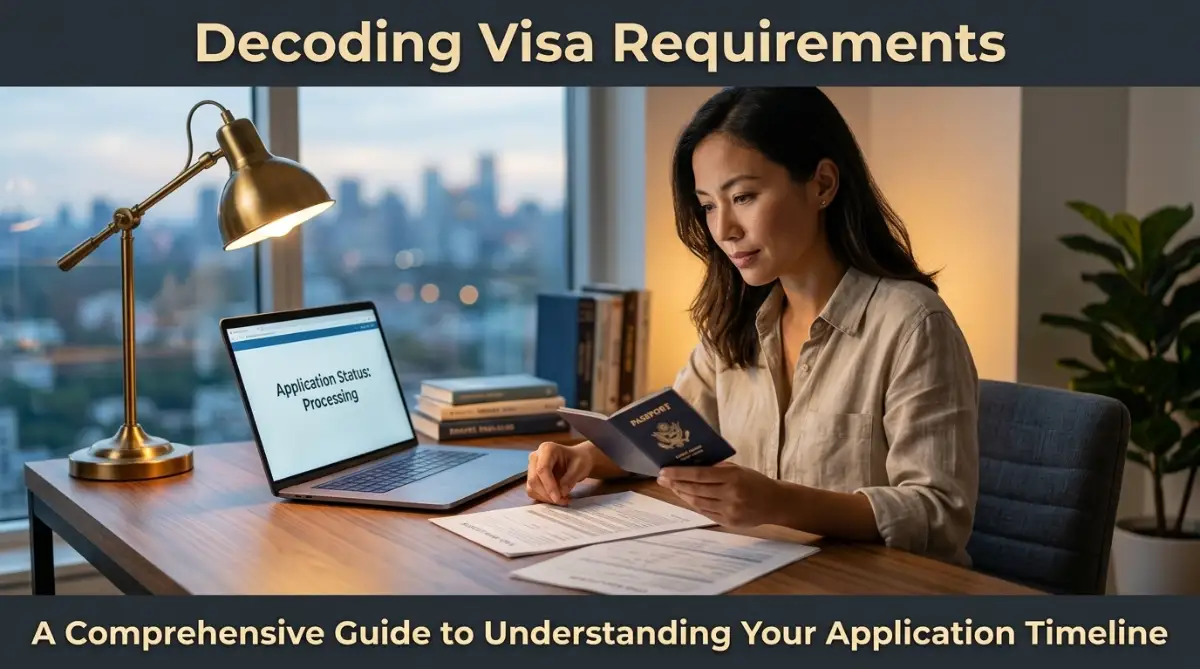
The Hidden Stress of Applying for Travel Permits
Visa applications are essentially a test of patience, but most people fail not because they aren't eligible, but because they mess up the paperwork. If you are checking your email every hour waiting for an update, you are likely missing the small details that agents actually care about. Let’s fix your application strategy so you can stop stressing and get that approval stamp.
It is not just about the paperwork; it is about the plans you have built around that trip. When you are waiting for a decision, your mind tends to wander into dark places. You start questioning if you made a mistake on your form, if your bank balance looks too low, or if the officer will reject your application for no apparent reason. This emotional weight makes the waiting period feel significantly longer than it actually is.
My sleep suffered, and my productivity dropped because I was constantly obsessing over "what if" scenarios. You are not alone in this; it is a universal experience for anyone crossing borders. The confusion comes from the fact that embassies often use vague language. They tell you it will take a certain number of days, but that deadline comes and goes, and you are left in silence.
This silence is often the hardest part of the entire experience. You feel helpless because, at that stage, there is absolutely nothing more you can do but wait. I learned the hard way that understanding the system is the only way to keep your sanity. When you know why things take time, you can stop blaming yourself for the delay. It transforms the experience from a fearful wait into a calculated preparation.
Quick Action Plan:
-
Stay Concise: Officers want facts, not stories. Keep your cover letter short.
-
Date Consistency: Ensure flight dates, leave dates, and bank dates all tell one story.
-
Clean Data: Avoid weird large deposits in bank accounts without notes.
-
Check the Checklist: Follow the official embassy list exactly—don't add "extra" stuff unless asked.
Decoding the Anatomy of Your Visa Application
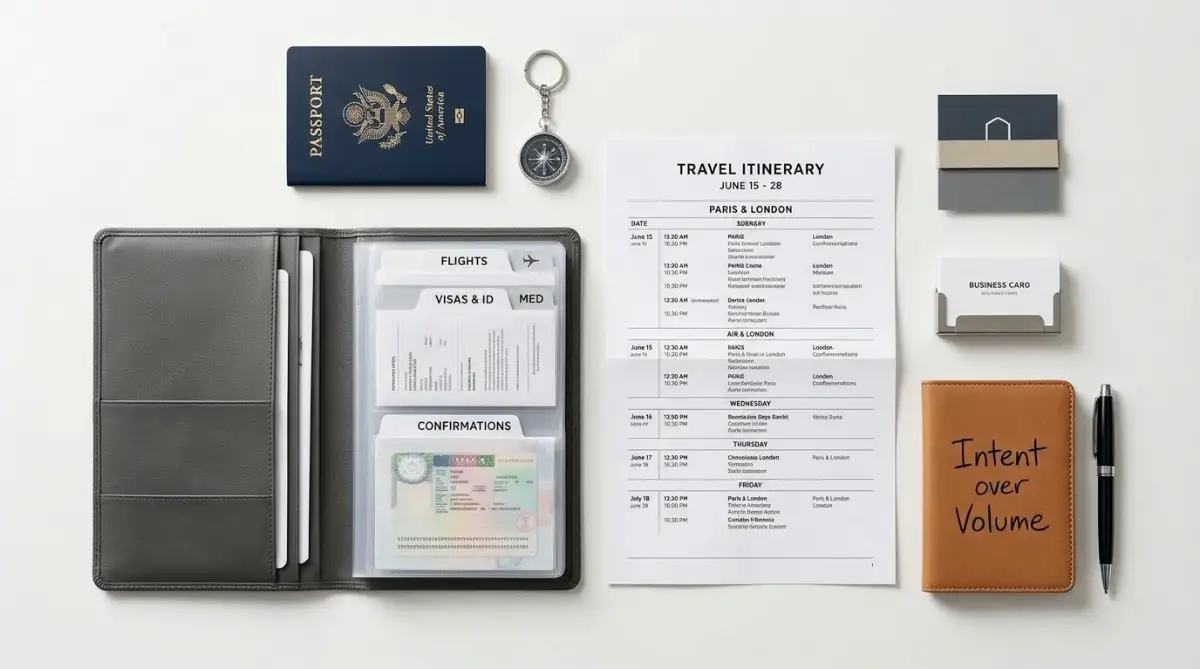
The reason the process feels so daunting is that it is designed to be thorough. When you submit your application, you are not just sending a piece of paper; you are handing over a detailed snapshot of your life, your intentions, and your financial stability. Embassies look at your documents with a high level of scrutiny for a reason. They have a mandate to ensure that every traveler meets specific security and immigration standards.
The Logic Behind the Documentation Requirements
| Document Type | What the Officer Checks | Common Mistake |
| Bank Statement | Consistent income, no weird spikes. | Only showing a large, unexplained deposit. |
| Employment Letter | Job security and salary. | Old letter or missing company stamp. |
| Travel Itinerary | Realistic dates and goals. | Booking fake hotels that don't match the visa. |
Think of your application as a conversation with an officer you will never meet. Every document you provide is a word in that conversation. If you provide a bank statement, you are saying, "I can afford this trip without working illegally." If you provide an employment letter, you are saying, "I have a strong reason to return home." When documents are missing or unclear, the conversation stops, and the officer has to ask for more information or, worse, reject the application.
It is not that they enjoy making things difficult. It is simply that their job is to verify your information against their database. When you provide clean, organized, and authentic documents, you make their job easier. This speeds up the process significantly because they do not have to waste time reaching out to you for clarifications. Always aim to be as transparent as possible from the start.
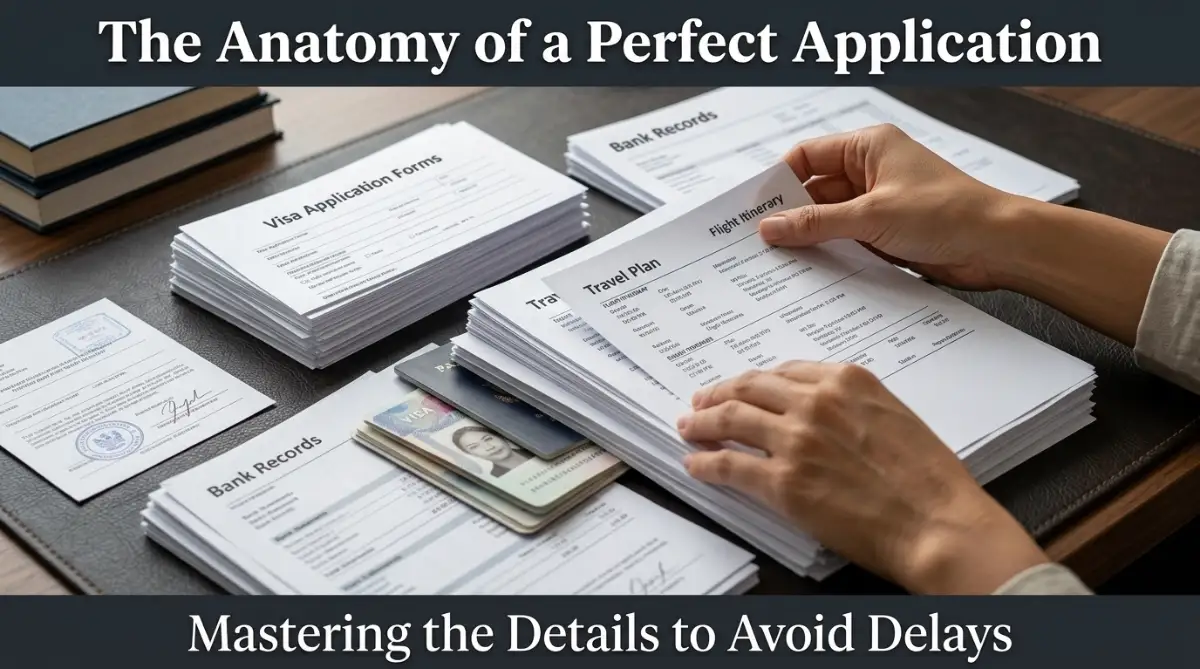
Why Processing Timelines Are Not Guarantees
One of the most common points of frustration is the timeline. You see "15 business days" on a website, but your application hits day 20. It is important to remember that these timelines are estimates based on average case volumes. They do not account for seasonal spikes, unexpected administrative backlogs, or the complexity of your specific case.
When high volumes of applications hit the embassy, your file sits in a queue. It is like waiting in line at a busy grocery store; the line might be long, but it will eventually move. Trying to rush this process by emailing the embassy constantly usually backfires. It creates extra work for their staff, which slows down the processing for everyone, including you. Patience is genuinely part of the strategy here.
The Preparation Phase: Your Best Defense
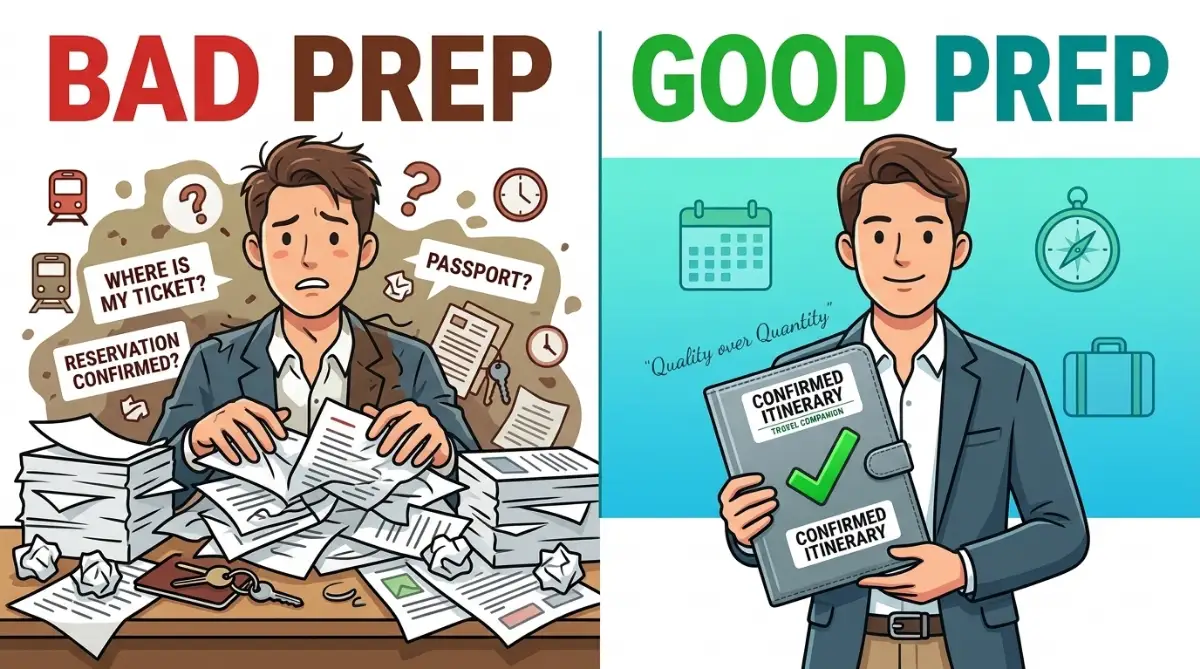
Preparation is where you have control. Most delays happen because of avoidable errors in the initial submission. Before you hit send or hand over your folder, review it as if you were the officer reviewing it. Are your dates consistent? Do your bank statements match your income claims? Is your travel itinerary realistic for the visa type you are requesting?
Pro Tip: I once had a visa delayed because the dates on my flight reservation did not perfectly align with the dates on my leave application from work. I had to scramble to get a corrected letter, which wasted valuable time. My realization? Always double-check that every single date and dollar amount across every document tells the same consistent story. One minor discrepancy can trigger a manual review, adding weeks to your wait time.
Understanding the Review Process
Myth vs. Fact: The Visa Reality
-
Myth: "If I pay for a faster service, I get it sooner."
Fact: You only pay for a faster handling time, not a faster decision. -
Myth: "The officer is trying to trick me."
Fact: The officer is just a scanner; they want to see if you match the rules, nothing else. -
Myth: "Writing a long cover letter helps."
Fact: Keep it under one page. They have 5 minutes to read it, not 5 hours.
Once the embassy receives your file, it moves through several stages. First, it goes to data entry, where your information is logged into their system. Then, it goes to a screener who checks for completeness. If a document is missing, the status changes to "pending further information." Finally, it reaches the decision-maker.
Understanding that this is a multi-step process helps you manage your anxiety. When you see your status as "Application Received," understand that it is likely sitting in the initial screening phase. It hasn't been forgotten; it is just waiting for its turn to be verified. The best thing you can do is keep your travel plans flexible until you have that visa in your hand.
Common Pitfalls That Trigger Delays
One common mistake applicants make is providing far more explanation than necessary. A cover letter usually doesn't need to be a long personal essay. Keep it clear, professional, and focused on the facts that support your application, such as the purpose of your trip, your travel plans, your financial situation, and any relevant ties or commitments in your home country.
Another issue is submitting documents that are outdated or don't meet the specific requirements of the visa application. For example, some applications may require recent bank statements or other financial records, while others may have different document rules. Always check the current instructions for the embassy, consulate, or immigration authority handling your application rather than relying on a general timeframe.
It's also worth checking the technical details of your passport before applying. Make sure it meets the required validity period and has enough blank pages if your destination requires them. These details may seem minor, but missing a required document or failing to meet a specific requirement can lead to additional requests, delays, or even refusal.
A final document check before submitting your application can help catch these avoidable problems early.
Managing Expectations During the Wait
If you find yourself deep into the processing period without an update, do not panic. It is rarely a bad sign. It often just means the embassy is going through a busy period. I suggest setting a reminder for yourself to check the status only once a week. Checking every hour will not make the process go faster, but it will certainly ruin your mood.
Focus your energy on planning your actual trip. Research your destination, learn about the culture, and prepare your itinerary. When the approval finally comes, you will want to be ready to go immediately. This positive focus makes the waiting period much more manageable.
Essential Steps to Ensure a Smooth Experience
- Read the official checklist twice. Treat it like a holy text. If they ask for a specific format for your photos, follow it exactly. Even a millimeter off can lead to a request for a new photo.
- Verify your documents. Ensure your name is spelled the same way on every document. If your passport says "John A. Doe" and your bank statement says "John Doe," try to get a letter from the bank clarifying that these are the same person.
- Be honest. Never fake a document or lie on your application. Modern systems are highly sophisticated at detecting fraud. A simple mistake can be fixed, but a lie will get you a permanent ban.
- Keep copies of everything. If the embassy loses a document, you should be able to produce a copy immediately. This acts as your safety net throughout the process.
Are you still feeling unsure about how to navigate the specific requirements for your destination? Understanding the nuances of visa laws can make a world of difference in your approval odds.
Watch the video above to see how to organize your application documents for maximum clarity and success.
In the end, remember that thousands of people go through this exact process every single day and come out the other side with their visas. It is a standardized procedure, not a personal judgment on you. Keep your documents accurate, stay organized, and keep a positive outlook. Your travel plans are worth the temporary frustration of this process. The moment you see that stamp or that digital approval notice, all the waiting will be worth it.
Focus on the destination, not the paperwork. If you prepare thoroughly and avoid the common pitfalls we discussed, you are already ahead of most applicants. Stay patient, stay diligent, and soon enough, you will be on your way to your next great adventure. This process is just a gatekeeper; once you pass it, the world is yours to explore. Keep pushing forward and trust in your preparation.
Advanced Strategies for Your Visa Journey
You have likely realized by now that the visa application process is less about filling out forms and more about telling a consistent, believable story to an immigration officer. When you approach your application with an expert mindset, you stop being just a number in a database and start being a qualified traveler. The secret to success lies in how you package your life and your intentions for the authorities to review.
Most applicants think that simply providing the requested documents is enough. I have learned that the key to avoiding long waits and unnecessary rejections is to make the officer’s job as easy as possible. You should aim to organize your paperwork in a way that answers every question before it is even asked. When your documents are intuitive and neatly presented, the reviewing officer gains trust in your case immediately.
Creating a Coherent Financial Narrative
Your financial documents are the backbone of your application, and many people treat them as an afterthought. It is not enough to just print a bank statement; you need to demonstrate stability. If your income fluctuates wildly, provide a brief, professional letter of explanation. You can look at smart ways to grow your savings to understand that financial health is about consistency over time, not just one big deposit.
If you have large, unexplained transfers in your bank account, you must address them. An immigration officer does not know if that money came from a sale, a gift, or a business deal. If they have to guess, they will likely assume the worst.