The Quiet Weight I Carried for Too Long
I remember sitting in my office chair, staring at a spreadsheet for what felt like hours, yet I had not typed a single word. My heart was racing for no reason, and my chest felt tight, like someone was pressing a heavy book against it. I had just finished my annual physical, and the doctor told me my blood pressure and cholesterol were perfect. I walked out of that clinic feeling "healthy," but deep down, I was falling apart. I realized then that I had been taking care of my body while completely ignoring my mind. It was a wake-up call that changed how I view my own health forever.
Many of us live with this invisible tension every single day. We track our steps, we watch what we eat, and we visit the dentist without a second thought. But when it comes to our thoughts, our worries, and our emotional exhaustion, we tend to stay silent. We tell ourselves it is just "stress" or that "everyone feels this way." This mindset keeps us trapped in a cycle where we only seek help when things have already reached a breaking point.
The reality is that your mental state dictates how you experience your physical life. When your mind is heavy, your body feels the weight, even if your lab results look fine on paper. You might find it hard to sleep, your productivity dips, or you stop enjoying the things you used to love. These are not just "mood swings." They are signs that your mental battery is drained and needs professional attention. Ignoring these signals is like driving a car with a check-engine light blinking and hoping the problem will go away on its own.
Most people struggle to admit they need help because they think mental health check-ups are only for people in crisis. This could not be further from the truth. Just as you do not wait for a heart attack to start eating healthy, you should not wait for a breakdown to talk about your mental health. Taking control of your emotional wellness is a proactive step that strengthens your resilience. It allows you to navigate life's challenges with more clarity and less fear.
When you start treating your mental health with the same seriousness as your physical health, your world changes. You stop reacting to problems and start responding to them. You gain tools to manage anxiety before it paralyzes you. You become more present in your relationships and more efficient in your work. It is not about fixing something that is "broken." It is about maintaining your greatest asset—your mind—so you can live a life that feels as good as it looks.
A Proactive Approach to Your Inner World
Taking charge of your mental health does not require a complete lifestyle overhaul overnight. It starts with small, intentional shifts in how you monitor your emotional state. Think of these steps as a routine maintenance plan for your brain. By building these habits, you move from just surviving to truly thriving.
Start Your Daily Emotional Audit
You likely check your bank account or your social media notifications several times a day. Try adding a thirty-second "check-in" with yourself to that list. Ask yourself: "How am I feeling right now, and why?" If you feel stressed, try to name the specific source of that feeling rather than just labeling it as a bad day. Writing this down in a notes app or a journal can give you amazing insights into your triggers.

The Power of Professional Guidance
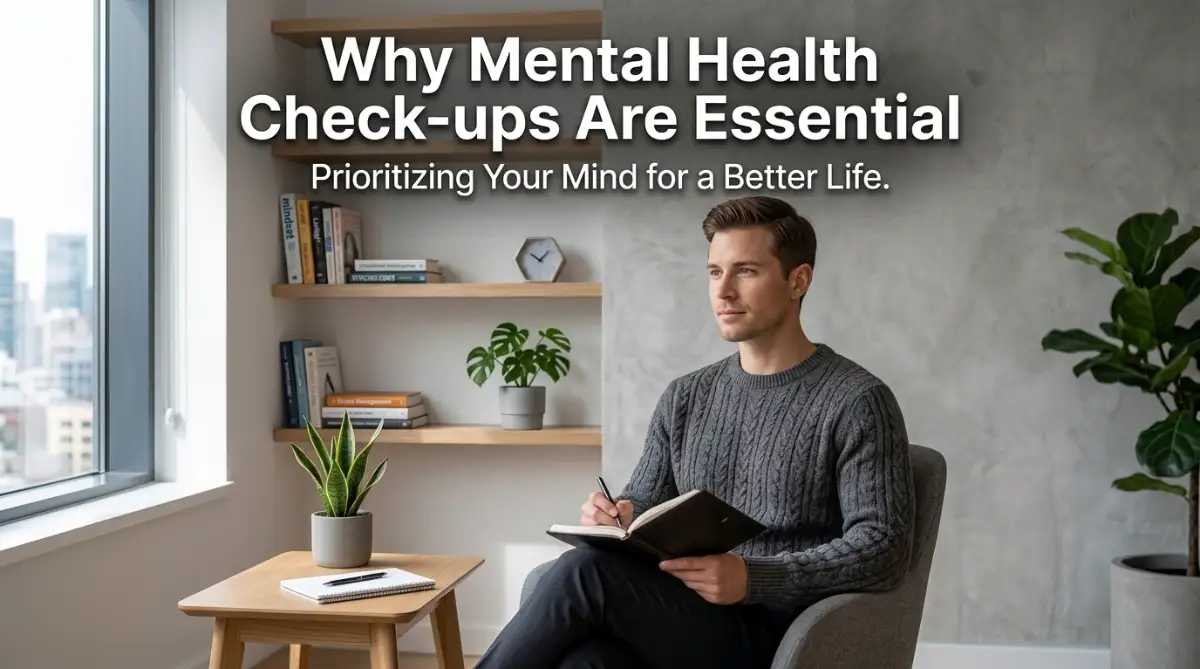
Just as you see a specialist for your skin or your teeth, there is no shame in seeing a mental health professional for a check-up. You do not need a diagnosis to talk to a therapist or counselor. Think of it as a mental fitness training session. You are simply talking to someone who can help you spot blind spots in your thinking. This conversation provides a safe space to unload thoughts that are cluttering your mind.
Pro Tip: I used to think I had to be "strong enough" to handle everything alone. I realized that asking for support is not a sign of weakness; it is a sign of intelligence. Once I started talking to a counselor, I stopped wasting energy trying to hide my stress and started using that energy to solve the actual problems in my life.
Assessing Your Daily Energy Levels
Track your mood and energy throughout the week. Do you notice a crash every Wednesday? Or maybe you feel anxious every time you open your email? These patterns are valuable data points that help you understand your limits. Use this information to schedule your hardest tasks for times when you feel mentally strongest.
Integrating Mindful Rest
Rest is not just sleeping; it is about giving your brain a break from constant input. If you spend your whole day looking at screens, your mental capacity will naturally drop. Try to disconnect for at least thirty minutes each day. Whether it is a walk without your phone or just sitting quietly with a cup of coffee, this is a vital form of mental maintenance.
Understanding the Importance of Mental Maintenance
Want to see how simple adjustments can change your mental outlook and help you stay consistent? Watch this short video on building a sustainable self-care routine that fits your busy lifestyle.
Identifying Your Mental Triggers
We all have specific situations that drain our emotional resources. It might be loud environments, difficult conversations, or even certain people. By identifying these triggers, you can set boundaries that protect your peace. You are not being selfish; you are being responsible for your own health.
The Connection Between Movement and Mood
Science tells us that physical movement is one of the best ways to regulate our nervous system. You do not need to hit the gym for two hours. A ten-minute brisk walk can produce enough endorphins to shift your mood significantly. Consistency beats intensity every single time when it comes to long-term mental clarity.
Building a Support System
You do not have to carry your burdens alone. Identify a few people in your life who are great listeners. Share your goals of taking better care of your mental health with them. Having someone who knows you are working on your well-being makes a massive difference. It creates a safety net for when things get difficult.
Creating a Routine That Works for You
Your mental health routine should feel like a relief, not another chore on your to-do list. If journaling feels like work, try voice-recording your thoughts instead. If meditation feels boring, try deep breathing while you are waiting for the bus. Customization is the key to making these habits last for the long term.
The Value of Professional Screenings
Sometimes, we might need a professional to look at things we cannot see ourselves. A mental health screening is quick, confidential, and incredibly helpful. It is a way to get a snapshot of where you are. This information allows you to make informed decisions about your future. It is the smartest investment you can make in your own happiness.
Myth vs. Reality in Mental Health
Many people believe that mental health check-ups mean you are "sick." The reality is that they are for everyone who wants to maintain a high quality of life. Think of it like a car inspection—it is better to find a small issue early than to deal with a breakdown later. By normalizing this, you help everyone around you feel more comfortable seeking the help they need.
The Journey to Long-Term Well-being
Remember that this is a journey, not a destination. There will be days when you feel great and days when you feel off, and that is completely normal. The goal is not to be happy every single second. The goal is to build the resilience to handle whatever comes your way. Stay curious about yourself and continue to prioritize your mind.
Final Thoughts on Your Mental Health
You are the most important person in your life. Taking care of your mental health is not a luxury; it is a necessity for a full and meaningful experience. Keep listening to your inner voice and do not hesitate to ask for help when the load gets heavy. You have the power to create a life that feels balanced, calm, and deeply fulfilling. Keep going, one small step at a time.
Mastering Your Mental Maintenance for the Long Run
To truly keep your mental well-being on track, you need to look beyond quick fixes and embrace a lifestyle of self-awareness. One of the best strategies is to practice radical honesty with yourself. Most of us spend our days lying to ourselves, saying we are "fine" when our internal alarm bells are screaming. Learning to label your emotions correctly—like distinguishing between simple tiredness and true burnout—is a game-changer. You can find more on managing your personal resources by managing personal budget habits, as financial stress is often a hidden contributor to mental fatigue.
Another expert secret is the use of micro-rest intervals. Instead of waiting for the weekend to recover, build small pockets of silence into your workday. Even five minutes of deep, rhythmic breathing can lower your cortisol levels significantly. According to research from The National Institute of Mental Health, small, consistent shifts in how you handle daily stressors can prevent long-term emotional damage. Treat these minutes as non-negotiable appointments with your brain.
Building Emotional Resilience Through Routine
You must learn to audit your digital environment as well. We often overload our brains with endless streams of negative news or social media pressure. Just as you should stop granting unnecessary permissions to apps that track your data, you should stop granting your attention to content that drains your spirit. Curate your feed to include things that spark creativity and calm.
When life gets overwhelming, simplify your decision-making. Anxiety often stems from having too many choices or trying to control outcomes that are outside your influence. Pick one thing each day that matters most and focus your energy there. If you find your technology is adding to the chaos, consider learning how to manage hidden background processes to keep your devices running smoothly, which in turn reduces your own digital frustration.
Keeping Your Momentum Steady
Consistency is your best friend when it comes to mental health. You don't need to be perfect; you just need to be present. If you miss a day of meditation or skip your walk, don't spiral into guilt. Simply pick it up the next day without overthinking the gap. Remember, your mental health is a lifelong project, not a sprint to the finish line.
You might also consider building basic skills that reduce your daily friction. Many people feel overwhelmed because they are working harder, not smarter. If you are struggling with complex systems, knowing how to bridge the professional skill gap can give you the confidence to navigate challenges without feeling burnt out. When you feel capable, your mind feels much lighter and more secure.

The Hidden Traps That Sabotage Progress
Many people start their journey toward better mental health with great intentions but fall into common traps. One major error is comparing your internal struggle to someone else's external highlight reel. When you look at social media, you see the version of someone that they want the world to see. You never see the late-night anxieties or the private breakdowns they might be hiding. Comparing yourself to this false reality only breeds feelings of inadequacy and prevents you from focusing on your own path.
Another pitfall is the "all or nothing" mindset. You might think that unless you spend an hour meditating or journal perfectly for ten pages, there is no point in doing it at all. This rigid thinking is a trap that leads to complete abandonment of self-care. It is much better to do two minutes of deep breathing than to avoid self-care because you don't have an hour. Perfectionism is a major enemy of mental peace.
Ignoring your physical triggers is a mistake that often keeps people stuck in a loop of anxiety. If you are not sleeping, eating poorly, or staying sedentary, your brain will struggle to process emotions. Sometimes, what feels like a mental health crisis is actually a body that has been neglected for too long. If your setup is constantly causing issues, you might want to look at critical mistakes when configuring privacy to ensure your digital environment isn't causing you unnecessary stress.
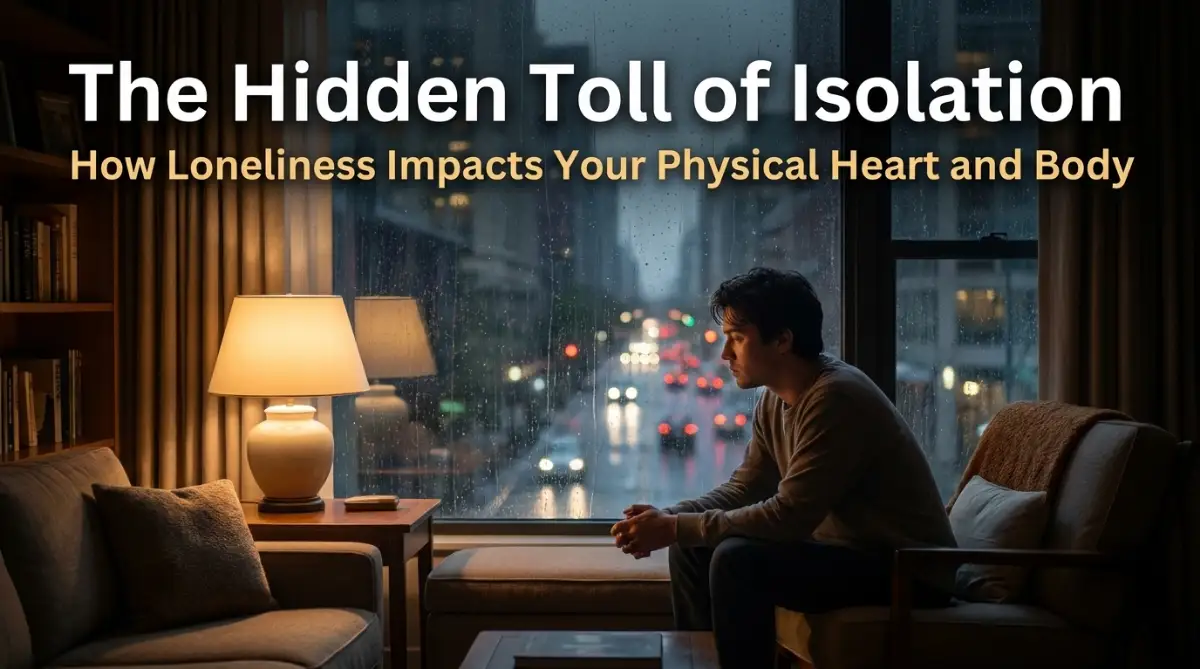
Finally, do not fall into the trap of isolating yourself when things get tough. Many of us retreat into a shell because we don't want to "burden" others or look weak. This is dangerous because it stops you from getting the perspective you need. You don't need a crowd of people; you just need one or two trusted individuals who can listen without judgment. Reaching out is an act of bravery, not a admission of failure.
Taking Charge of Your Mental Well-being
Your mind is your most valuable asset, and it deserves the same respect you give to your body. By integrating regular check-ups and mindful habits into your routine, you are setting yourself up for long-term success. Don't wait for a sign or a crisis to start prioritizing how you feel. The best time to start is exactly where you are right now.
Remember that you are constantly evolving, and it is okay to change your methods as you grow. If something isn't working, let it go and try something new. Your goal is not to be a perfect human being, but to be a person who knows how to be kind to themselves when things get difficult. As you become more aware of your inner state, you will find that you have more control over your life than you ever imagined.
I have spent years learning that my thoughts are not always facts, and once I started challenging them, my life changed. My commitment to myself is to never ignore my internal "check-engine" light again, and I hope you will do the same. Today is the perfect day to acknowledge that your mind matters, so please start by doing something small but meaningful for your peace of mind.
Common Questions About Mental Wellness
Do I really need a therapist if I am not in a crisis?
Absolutely not. You can visit a therapist to learn tools for stress, gain perspective on life choices, or just to have a neutral space to talk. Think of it as a personal trainer for your brain, helping you stay strong even when you aren't "sick."
How can I tell if my stress is normal or if it is something more?
Normal stress usually passes when the trigger is removed, like after a busy workday is over. If you find that your stress is constant, interferes with your sleep or work, and leaves you feeling hopeless for a long time, it is time to check in with a professional.
Can I practice mental self-care without spending money?
Yes, many powerful mental health habits are completely free. Simple things like daily walks, mindful breathing, keeping a journal, and connecting with friends are incredibly effective. You don't need fancy tools to make a big difference in how you feel.
Why do I feel guilty when I take time for myself?
Society often pushes the idea that being "busy" is the same as being "productive." You may feel guilty because you have been conditioned to believe that rest is wasted time. Once you realize that rest is actually fuel, that guilt usually starts to fade.
Disclaimer: This content is for informational purposes only and does not constitute professional medical advice, diagnosis, or treatment. Always seek the advice of your physician or other qualified health provider with any questions you may have regarding a medical or mental health condition.