

The Chaos After the Crash: My Experience
When an injury happens, your adrenaline spikes, and your brain enters survival mode. You’re confused, hurting, and suddenly facing a pile of decisions that could affect your future. Most people freeze up in this exact moment, making small mistakes that spiral into big headaches later. Stop the panic and breathe—here is exactly what you need to do to protect yourself right now.
Should I call my boss? Everything felt blurry, and my mind was racing with a thousand questions. It felt like I was drowning in a language I didn't understand.
That confusion is dangerous. When you are hurt, your brain is not working at 100%. You are in shock, you are stressed, and you are hurting. But that moment right after the accident? It is the most important time for your future. If you make a mistake then, it can haunt your medical recovery and your legal standing for months, or even years, down the road.
I learned the hard way that you cannot just "wait and see" what happens. You have to take control, even when you feel like you have none. You might be scared. You might be worried about the cost. You might just want to go home, lock the door, and forget it ever happened. But your future self will thank you if you take the right steps today.
This isn't about being paranoid or aggressive. It is about being smart. It is about protecting your health and your peace of mind so you can focus on the only thing that matters: getting back to your normal life. You don't need to be a lawyer or a doctor to get this right. You just need to follow a simple plan.
Physical Safety Above Everything
The first thing you need to do is stop. Do not try to be a hero. Do not try to assess the damage to your car or walk it off because you are embarrassed by the attention. Adrenaline is a powerful liar. It makes you feel fine when you are actually injured.
If you have been hurt, stay exactly where you are unless you are in immediate danger, like in the middle of traffic. Call for help. Tell the operator exactly where you are and what happened. Let the professionals handle the assessment. Even if you think you just have a scrape, you could have a concussion or internal issues that show up hours later.
The "Emergency Documentation" Checklist (Keep this in your phone notes):
- Time & Date: Exact time the injury occurred.
- Witnesses: Name and phone number of at least one person who saw it happen.
- Photos: Take shots of the area, your visible injuries, and any hazards (like a wet floor or broken stair).
- Police/Incident Report: Always ask for the report number if authorities were called.
Why this matters: If you leave the scene or refuse medical help too quickly, you create a "gap" in your record. Someone might say, "Well, they walked away, they couldn't have been hurt that badly." Don't give them that argument. Your health is the priority, always. If the ambulance arrives, let them check you out. Be honest about every ache and pain.
The Reality of Medical Documentation
You need a paper trail. I cannot stress this enough. If you don't go to the doctor, it didn't happen—at least in the eyes of insurance companies. You need to visit a healthcare provider as soon as possible after the incident. Even if you are just heading to an urgent care clinic, get a professional opinion.
When you are at the clinic, be specific. Don't just say "I'm sore." Tell them exactly where the pain is. "My lower back hurts when I twist." "My neck feels stiff." Make sure they write down every single complaint you have. These notes are the foundation of your recovery plan and any future claims you might need to make.
Pro Tip: My Realization
When I went to the doctor, I downplayed my headache because I wanted to seem "tough." That was a huge mistake. Because I didn't complain about the headache, it wasn't in my charts. Later, when I realized I had a concussion, it was much harder to link it back to the accident. Now, I tell everyone: do not be a hero at the doctor's office. Be 100% honest, even about the small stuff.
Building Your Personal Timeline
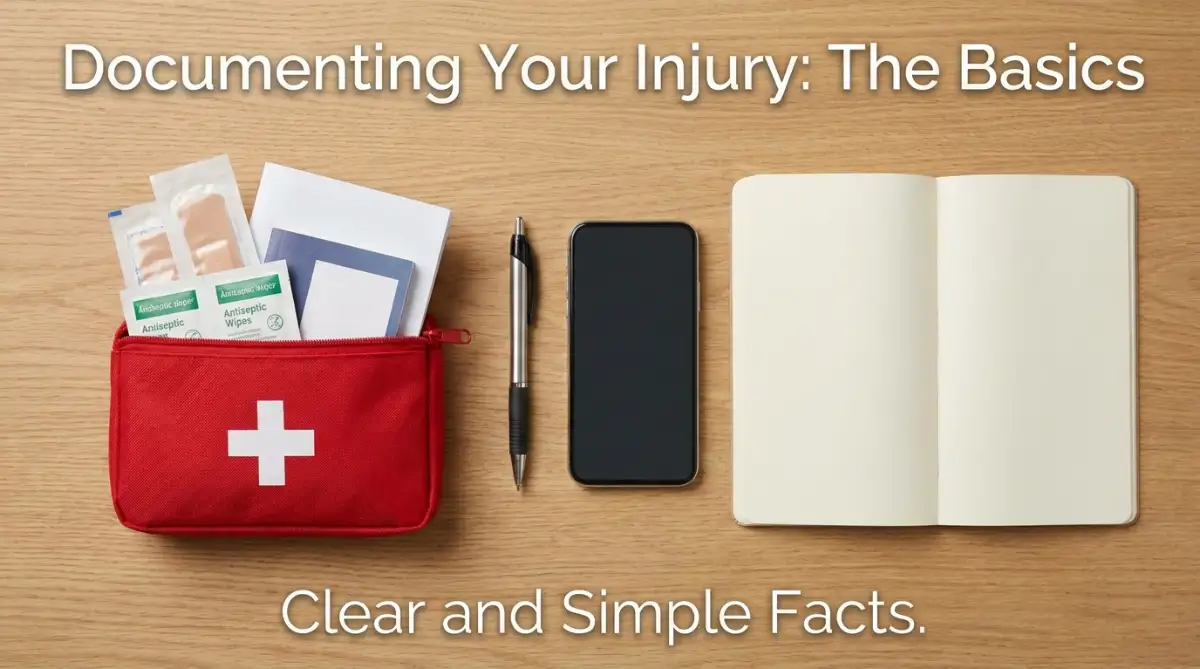
It’s surprisingly easy to forget small details after an accident, especially once a few days or weeks have passed. You might remember what happened overall but struggle to recall the exact time, weather, location, or who was there. That’s why it can help to write things down while the details are still fresh.
Start a simple note on your phone or in a notebook. Record the date, time, and location, and write down what you remember happening in order. If you spoke with witnesses or anyone who stopped to help, note their names and contact information if you have it. Keep your photos organized too, and add dates or other details when possible.
Having everything in one place can make it easier to keep track of what happened and provide accurate information later. It also means you don’t have to rely entirely on memory when someone asks you about the accident weeks or months afterward.
Gathering the Evidence
If you are physically able, take photos of everything. Take pictures of your injuries, no matter how small they seem. Take pictures of the scene—the skid marks, the debris, the position of the vehicles. Take pictures of the surrounding area, including any signs or lights that might have been broken or obscured.
Why? Because scenes change. The debris gets cleaned up. The cars get moved. The road gets repaired. If you don't capture the scene in that moment, that information is gone forever. If you have a friend with you, ask them to handle this part while you focus on your health.
Your Action Plan for Evidence:
- Injuries: Clear, well-lit photos.
- Scene: Wide shots and close-ups.
- Vehicles: Damage from all angles.
- Environment: Road conditions or hazards.

Managing the Insurance Conversation
Insurance companies are not evil, but they have a job to do. Their job is to keep costs low. Your job is to make sure your medical bills and recovery are covered. When they call you, they might be very friendly. They might ask, "How are you feeling today?" It is so tempting to say, "I'm doing okay!"
Myth vs. Reality: The Accident Claims Game
Stop. That is a trap. When you say "I'm okay," they hear "I don't need further medical care." Instead, be accurate. Say, "I am still experiencing pain in my shoulder and I am following my doctor's orders for recovery." There is a big difference.
Keep your communications brief. You don't need to tell them your life story. You don't need to speculate about whose fault it was. Just state the facts. "I was involved in an accident on [Date]. Here is the police report number. My doctor is currently evaluating my injuries." That is enough.

The Importance of Keeping Records
I mentioned a notebook, but it goes deeper than that. Keep every single receipt. Keep your pharmacy bills. Keep the bus fare you paid to get to the doctor. If you had to miss work, get a note from your employer confirming your lost wages. Everything you spend, every hour you lose, needs to be documented.
It is easy to throw these scraps of paper away. Don't. Put them in a folder. If you are digital-savvy, scan them and put them in a cloud folder. When the dust settles, you will be happy you have an organized file. It stops the guessing game of "how much did this actually cost me?"
Understanding the Emotional Impact
Physical pain is obvious. But what about the anxiety? What about the fact that you might be scared to drive again? What about the disrupted sleep? These are real injuries, too. They are often called "non-economic damages." You need to keep track of these as well.
Start a daily journal. It doesn't have to be long. Just a line or two. "Pain level 7 today." "Couldn't drive to the store because I felt anxious." This journal is powerful. It shows the real, human cost of the accident. It helps you remember that your recovery isn't just about bones and muscles; it's about getting your life back.
Check out this video to understand the legal side of documenting your injuries:
If you want to know how to handle the insurance adjuster correctly, watch this guide:
After watching, you will see why it is so important to stay calm and factual. It will make your interactions much smoother. You will feel more confident, and less like you are being pushed around.
The Danger of Social Media
I know you want to tell your friends. I know you want to post that picture of your car to show what happened. Please, delete the app for a few days. Anything you post online can be taken out of context. You post a picture of you smiling at dinner? Insurance might use that to say you weren't actually in pain.
It feels unfair, and it is. But you have to protect yourself. Assume that everything you post is public and will be viewed by someone trying to deny your claim. Just stay offline for a while. Your real friends will understand if you don't post an update. Your privacy is more important than likes.
Why Your Doctor's Orders Matter
If the doctor says you need physical therapy, you go to physical therapy. If they say you need rest, you rest. If you skip appointments, you are telling the world that you aren't actually that hurt. Compliance is part of your documentation.
It is exhausting. I know. You have a life, a job, and a family. But if you stop your treatment, you lose your leverage. You show that you aren't committed to getting better. Follow the doctor's plan exactly. If you feel like it's not working, talk to the doctor about it. Don't just ghost them.
The Power of a Timeline Checklist
When you are stressed, you forget things. It is science. Your brain shuts down the "planning" center when you are in pain. That is why I suggest you create a checklist. Put it on your fridge.
- Did I call the doctor today?
- Did I save my receipt?
- Did I note my pain level?
- Did I avoid posting online?
Check these off every single day. It sounds simple, but it keeps you focused. It turns a chaotic situation into a manageable task. You are not a victim of the process; you are the manager of your recovery.
Why You Should Never Rush a Settlement
Insurance companies will often offer you a "quick settlement." They make it sound like they are doing you a favor. "We can cut you a check today to make this go away." Do not take it. You have no idea what your future medical needs will be.
Maybe that shoulder pain is actually a tear that needs surgery. Maybe that back ache becomes a chronic issue. If you sign away your rights for a quick check, you are on your own. There is no going back. Take your time. Talk to people you trust. Do not let the pressure make you make a bad decision.
Keeping Your Mental Health in Check
The process of dealing with an injury is long. It is boring. It is frustrating. It is okay to be angry. It is okay to cry. But don't let it consume you. Find someone to talk to—a friend, a partner, or a therapist.
You are going through a traumatic event. Recognize that. You are allowed to be tired. You are allowed to take a break. Self-care is part of the recovery process. If you don't take care of your mind, your body will take longer to heal.
Preparing for the Long Haul
Recovery is not a sprint; it is a marathon. You will have days where you feel great, and days where you feel like you are back at square one. This is normal. The most important thing is consistency. Keep showing up for your appointments. Keep logging your notes. Keep moving forward.
One day, you will wake up and realize you haven't thought about the accident all morning. That is the goal. That is the light at the end of the tunnel. And by doing the work now, you ensure that when you get there, you aren't left with a mountain of debt or unresolved health issues.
Your Personal Responsibility
Ultimately, the only person who is 100% invested in your recovery is you. You cannot rely on others to "fix" everything for you. You have to be the one who asks the questions. You have to be the one who keeps the file. You have to be the one who advocates for your own health.
It is a heavy burden, I know. But you are stronger than you think. You have already survived the accident. Now, you are going to survive the recovery. Take it one step at a time, one day at a time. You have the tools, you have the knowledge, and you have the strength.
A Final Thought on the Process
You are not alone in this. Millions of people have been exactly where you are and have come out the other side. The system is designed to be difficult, but you can navigate it if you stay organized and calm. Do not let the frustration make you give up.
Every document you save, every note you write, and every appointment you keep is a victory. It is you taking back control of your life. Keep pushing. Keep documenting. And most importantly, keep healing. You will get back to yourself, and when you do, you will be proud of how you handled this. Stay focused on your health, and the rest will fall into place.
Navigating the Maze: Managing Your Recovery and Rights
When the initial rush of the accident fades, you are often left with a flood of paperwork and confusing medical jargon. This is where most people get tripped up. You might feel the urge to just sign whatever they put in front of you so you can go back to your normal life. Please, hold that thought. You need to manage this situation like a business deal, not a favor.
One of the first hurdles you will face is the billing process. Hospitals and clinics often send bills that look like a foreign language. Taking the time for decoding medical bills is one of the smartest things you can do early on. Do not assume every charge is correct. Sometimes, billing departments make mistakes, or codes get mixed up, and you end up paying for services you never received.
The Hidden Impact of Your Insurance Policy
You also need to look at what you actually signed up for before the accident. Many people have no idea what their policy limits are. Are you aware of how your coverage interacts with your health plan? Understanding the gap between your insurance deductibles and your total out-of-pocket limits is a game-changer. It tells you exactly how much money you might have to spend before the insurance company picks up the tab.
This knowledge gives you power. Instead of guessing, you are working with hard facts. You can talk to your medical providers about payment plans or financial assistance programs if you know that your insurance isn't going to cover everything. Never be afraid to ask, "Is there any way to lower these costs?" Most providers are willing to work with you if you show them you are trying to be responsible.
Prioritizing Your Mental Wellness
There is another part of recovery that gets ignored: your head. You might feel fine physically, but accidents change how you think. You might have trouble sleeping, feel jittery when you are in a car, or just feel "off." Why mental health check-ups are just as essential as physical screenings is a topic that rarely gets the attention it deserves in legal guides.
If you are struggling to cope, talk to a professional. Not only does this help you heal, but it also creates a record. It proves that the accident affected more than just your skin and bones. For more resources on how accidents affect your overall safety and health, you can look at the CDC’s injury prevention center to see why monitoring your long-term symptoms is a standard medical recommendation.
Staying Ahead of the Paperwork
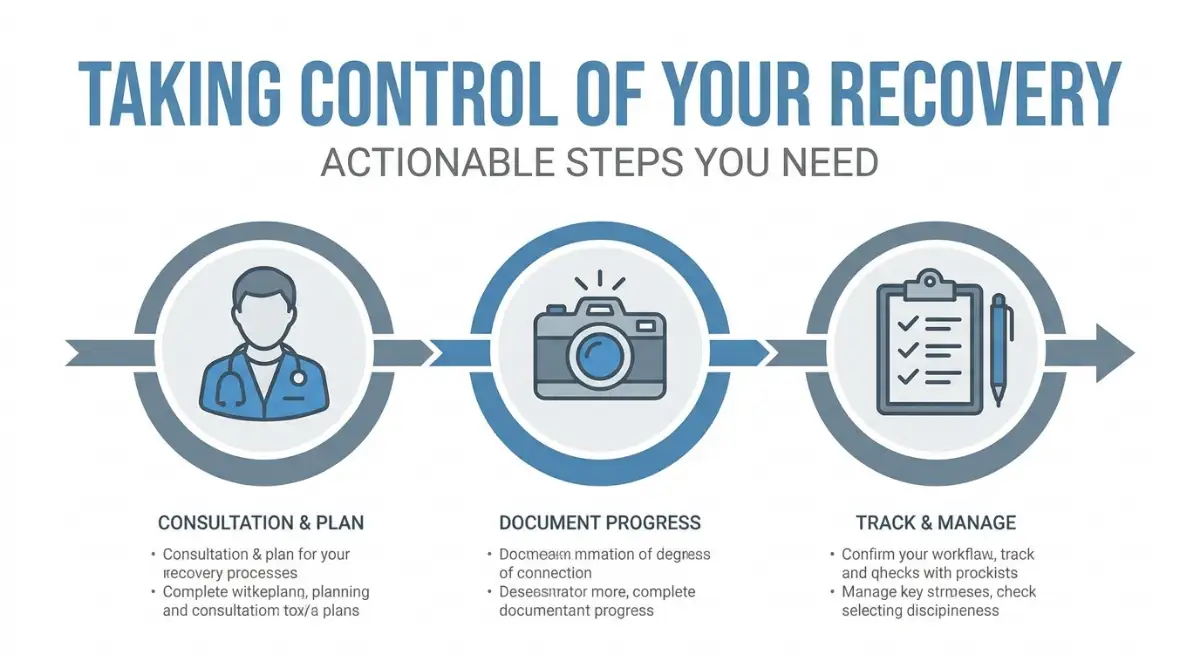
Documentation is not just about the accident day; it is a daily habit. Create a dedicated folder for everything. Even if you think a piece of paper is boring, keep it. You never know when you will need a specific date or a specific doctor's name. I suggest using a simple digital calendar to track your appointments and how you felt on those days.
Think of it like keeping a logbook for your car, but for your body. If you have to prove that you missed work for a doctor's visit, you can just pull up your calendar. It takes the stress out of trying to remember when you saw the specialist last month. This level of organization is what separates people who get through the process with ease from those who struggle every step of the way.
The Landmines You Must Step Around
There are mistakes that can sink your case before it even gets off the ground. These aren't just "oops" moments; they are deep landmines. If you step on them, the damage can be permanent. Let's look at the most common ways people accidentally hurt their own future.
The "I'm Fine" Trap
This is the biggest mistake of all. You get out of the car, you look at the other driver, and you say, "I'm fine, don't worry about it." That one sentence can be held against you forever. You aren't a doctor. You don't know if you are fine. Adrenaline lies to you.
When you say "I'm fine," you are effectively telling the other party, "I don't need any help, and I don't blame you for what happened." Even if you are just being polite, it can be twisted. In the world of insurance, polite is dangerous. Stick to the facts. If asked how you are, you can say, "I am not sure yet, I need to get checked out." It is honest, it is accurate, and it protects your rights.
The Social Media Curse
We live in a world where we share everything. But your injury case is not the place for an audience. Insurance investigators are trained to look at your profiles. If you post a picture of yourself at a birthday party, they will use it to argue that you aren't really in pain. It doesn't matter if you were just sitting there in agony—the picture shows you smiling.
It is better to why home insurance companies deny claims and how to stay protected by keeping your personal life private. Think of your social media as a public courtroom. If you wouldn't say it in front of a judge, don't post it online. It sounds strict, but it is the best way to keep your claim safe from unnecessary scrutiny.
Talking to the Wrong People
Everyone will have an opinion. Your neighbor, your coworker, even your aunt—they will all tell you what to do. They mean well, but they aren't experts. When you discuss your injury or your legal steps with people who don't know the law, you risk spreading misinformation or saying things that could be taken out of context.
Keep your case details to yourself, your doctor, and your lawyer. You don't owe anyone a play-by-play of what is happening. If people ask, just say, "I'm following my doctor's plan and focusing on getting better." That is a complete sentence. You don't need to justify yourself to anyone else.
Assuming You Have All the Time in the World
Statutes of limitations are real. Every state has a time limit on how long you can wait to file a claim. If you wait too long, you lose your right to do anything. It is not something to put off until "next month when things slow down."
If you are unsure about your timelines, look up the American Bar Association’s guide to legal basics to understand how these deadlines work in your area. Don't let a calendar date be the reason you lose out on your recovery. Be proactive.
Neglecting Follow-Up Care
This is a subtle but common pitfall. You go to the doctor once, you get a prescription, and you feel better. So, you stop going. Maybe you are busy, or maybe you think it's a waste of money. But what if the pain comes back three weeks later?
The insurance company will look at the gap in your treatment. They will say, "Look, they were fine for three weeks, so this new pain must be from something else." By stopping your care, you gave them the perfect excuse to deny your later needs. Always finish your treatment plan. If you aren't sure if you need another visit, call the doctor and ask. Document their answer.
Your Path Forward Starts Now
You now have a clear roadmap. You know how to document your injuries, how to communicate with insurance, and what traps to avoid. This isn't about being combative; it is about being prepared. You have a right to recover, and you have a right to be treated fairly.
Start your logbook today. Get that folder organized. Take your doctor's orders seriously. When you do these things, you aren't just reacting to an accident; you are managing your life. You are taking the wheel again.
Action Plan for Tomorrow
- Audit Your Files: Do you have every receipt and medical note? If not, gather them now.
- Check Your Calendar: Ensure every appointment is logged with details on how you felt.
- Social Media Freeze: Set your accounts to private for the next few weeks and stop posting about your day-to-day life.
- Daily Health Note: Write down one sentence about your pain level or recovery progress every single day.
- Review Your Insurance: Look up your policy and check your deductible limits.
A Word from the Expert
I know that all of this feels like a heavy weight on your shoulders, especially when you are already dealing with pain. My best advice is to treat your recovery like your job. You don't have to be perfect, but you do have to be consistent. I know you have the strength to handle this because you have already shown that you care enough about your future to read this far. Trust your instincts, be patient with your body as it heals, and focus only on the next small step. You are doing just fine.
Common Questions About Managing Your Injury
How do I deal with an insurance adjuster who keeps calling me?
You have the right to ask them to communicate in writing. You can politely tell them, "Please send me your requests via email so I can review them properly." This keeps a record of everything they ask for and prevents you from being put on the spot during a phone call.
Can I change doctors if I don't feel like the current one is listening to me?
Yes. You are in charge of your healthcare. If you feel like your doctor isn't taking your pain seriously, you can seek a second opinion. Just make sure to get copies of your medical records from the first doctor so the new one has the full history.
What if I can't afford my medical bills right now?
Talk to your medical providers about "charity care" or "financial assistance" policies. Many hospitals are required to have these programs for patients who are struggling. Also, keep all your bills in one place so you know exactly what is owed and what has been covered.
Is it okay to hire an attorney if I'm not sure if I have a case?
Most attorneys offer a free consultation. You don't have to hire them on the spot. Just sitting down with someone who understands the law can help you decide if you need formal representation or if you can handle the process on your own.
Disclaimer: This article is for informational and educational purposes only and does not constitute legal, medical, or financial advice. Laws and regulations regarding personal injury claims, statutes of limitations, and insurance requirements vary significantly by state and specific circumstances. Always consult with a qualified attorney and your medical providers to discuss your unique situation before making decisions regarding your recovery or legal rights.