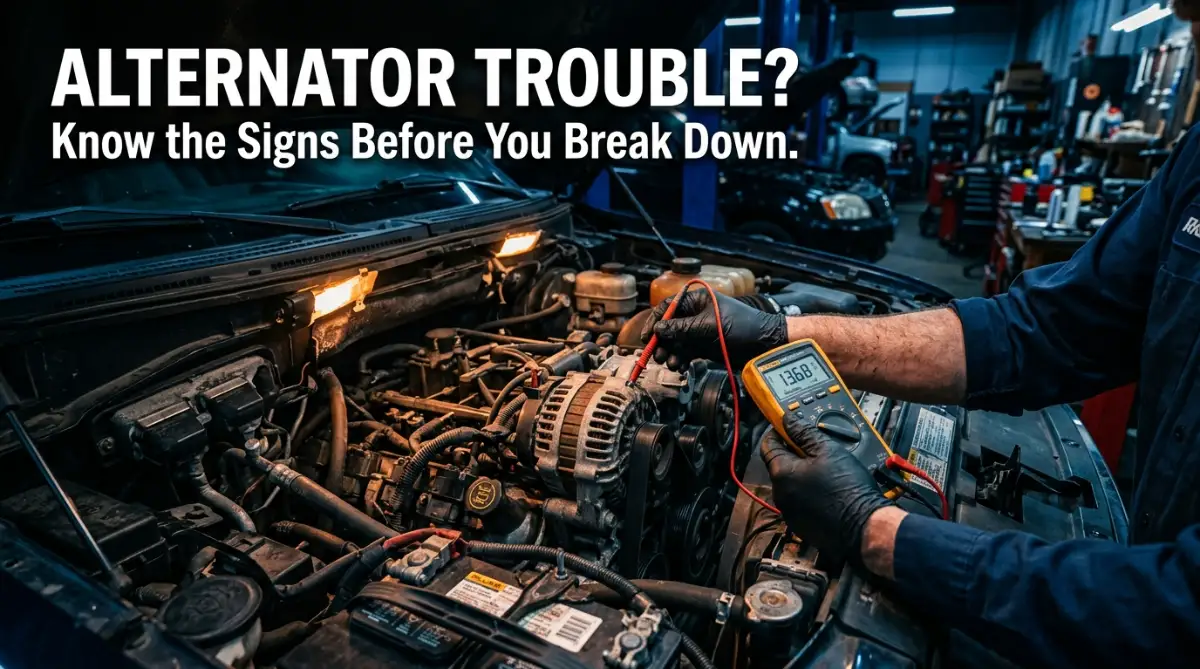
The Moment the Engine Gives Up
There is a specific kind of dread that hits you when your dashboard lights flicker and your car dies in the middle of busy traffic. It’s not just the inconvenience; it’s the sudden loss of control. You hit the start button, but all you get is a hollow clicking sound. This happens because the "silent heart" of your car—the alternator—gave up without a fair warning. Let’s figure out how to stop this from happening to you.
I was stranded, stressed, and completely confused. My car had been running fine, or so I thought, until that very second. I ended up spending my entire evening waiting for a tow truck in the freezing cold, wondering how a machine that worked perfectly an hour ago could just give up. It turned out to be my alternator, a part I barely knew existed.
That experience taught me a hard lesson about the invisible parts of my car. We often obsess over the engine oil, the tires, and the fuel, but the electrical system is the silent heart of your vehicle. When that heart stops pumping, the car shuts down, regardless of how much gas you have in the tank.
It does not have to be this way. Your car usually leaves a trail of breadcrumbs before it dies completely. If you know what to look for, you can catch the problem before it leaves you helpless on a dark road. Let’s look at how you can spot these warning signs early and save yourself the headache.
Quick Repair Checklist
- Listen: Whining noises often mean bearing failure.
- Watch: Flickering lights are an early distress signal.
- Test: Never guess. Always use a multimeter or free auto-store tester.
- Maintain: Keep your engine bay clean to prevent fluid damage to electrical parts.
What Exactly Does Your Alternator Do?
Before we talk about failure, we need to understand the job. Think of your car battery as the spark plug for your electronics. It provides the initial power to start the engine. However, once the engine is running, the battery shouldn't be doing the heavy lifting.
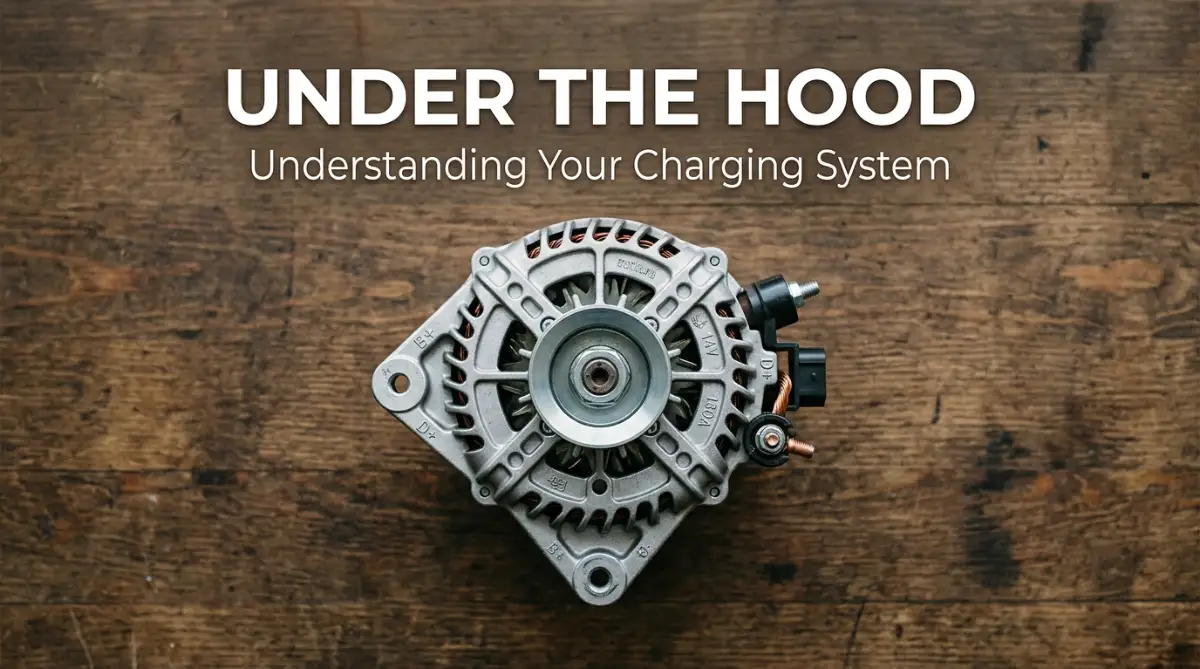
That is where the alternator comes in. It acts as a mini-generator. As your engine spins, the alternator converts mechanical energy into electricity. It recharges your battery and powers your headlights, your radio, your windows, and your engine sensors while you drive.
If the alternator stops working, your car begins to run solely on the battery’s stored power. Since the battery is not designed for that kind of constant output, it drains rapidly. Once it hits zero, the spark plugs stop firing, the fuel pump quits, and your engine dies.
The Subtle Warning Signs You Might Be Ignoring
Many drivers think a failed alternator happens in a flash. Usually, it is a gradual decline. Your car tries to tell you something is wrong if you pay attention to the small details.
The Dimming or Flickering Lights
Have you noticed that your headlights seem weaker than they used to be? Or perhaps your dashboard lights flicker when you are idling at a stoplight? This is often the first symptom. Because the alternator is struggling to produce a steady stream of power, your electrical accessories are the first to suffer.
When the voltage dips, the lights will dim. When you rev the engine, they might get brighter for a moment because the alternator spins faster. If you see this fluctuation, take it as a clear signal that the system is under stress.
Strange Noises from the Engine Bay
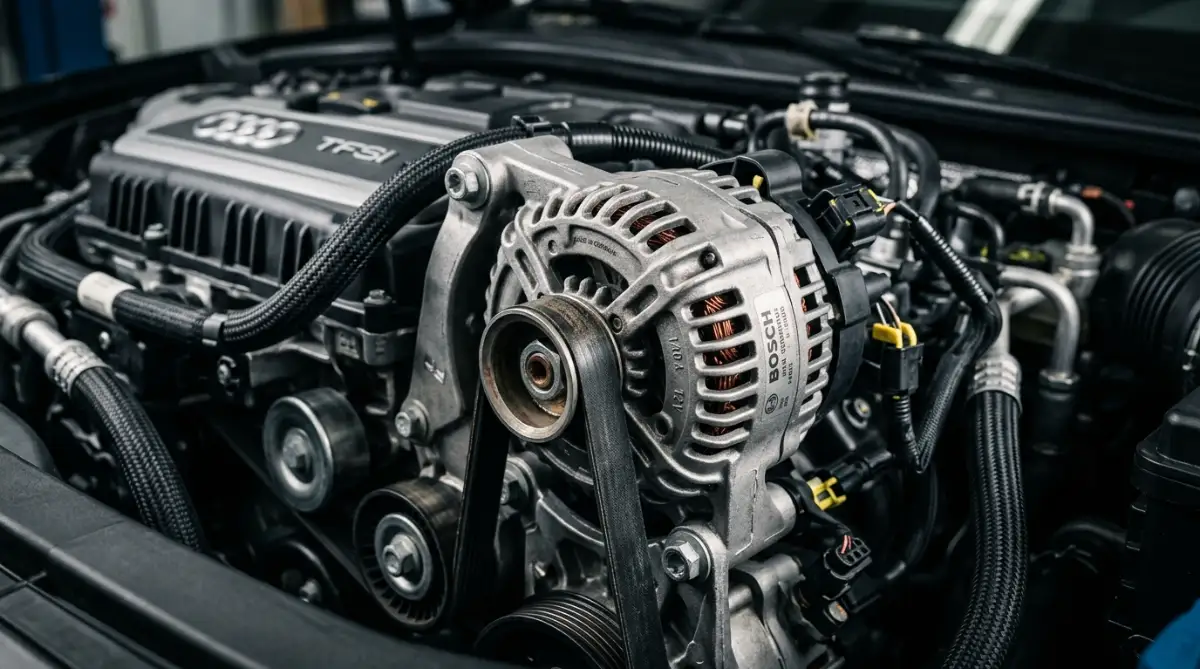
Your alternator is driven by a serpentine belt, and it uses internal bearings to spin. If the bearings inside the alternator begin to wear out, you will hear a growling or whining noise. This sound often increases in pitch as you press the gas pedal.
Sometimes, the noise is caused by a loose or worn-out belt. If the belt is slipping, the alternator cannot spin at the proper speed to generate electricity. Whether it is a grinding noise or a belt squeal, do not ignore it. Strange noises are your car's way of asking for help.
The Battery Warning Light
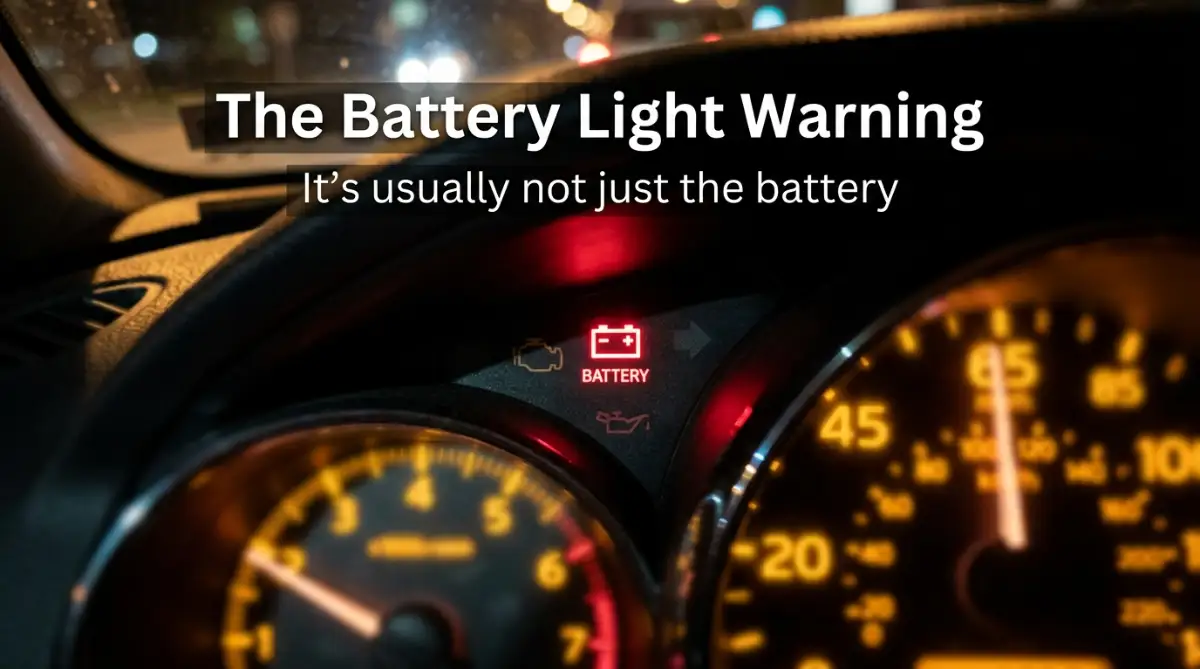
Most modern cars have a dashboard light shaped like a battery. Many drivers mistakenly think this is a "Battery Health" light. In truth, it is a "Charging System" light. If this light pops up, it means the computer has detected that the voltage is outside the normal range.
- Expert Insight: If you see the battery light, don't keep driving. I once made the mistake of pushing my car another 10 miles. It didn't just kill the alternator; it drained my battery so low that it developed a "dead cell" and I had to replace the battery too. Save your wallet and pull over.
It could be the battery, but more often than not, it is the alternator failing to charge the system. If you see this light, your car is telling you that you are running on borrowed time. Head straight to a mechanic or your garage.
Troubleshooting: Is It the Battery or the Alternator?
This is the golden question. Since both components deal with electricity, the symptoms often overlap. However, there are ways to distinguish between them without being a master mechanic.
The Startup Test
When you turn the key or press the start button, what do you hear? If the engine struggles to turn over or makes a slow, sluggish cranking sound, that points toward the battery. The battery simply lacks the power to start the engine.
If you hear a fast, sharp clicking sound, or if the car starts up fine but then dies while driving, that points toward the alternator. A dead battery won't usually cause a car to die while you are cruising down the highway. A dead alternator will.
The Electrical Gremlins
Do your power windows move slowly? Does your radio reboot on its own? These accessories rely on a constant voltage. When the alternator fails, the voltage drops, and these sensitive electronics start acting weird. If your car is showing multiple random electrical issues at once, it is almost certainly a charging system problem.
A Real-World Scenario: The "Battery Swap" Trap
I once fell into the trap I mentioned earlier. My car wouldn't start one morning, so I assumed my three-year-old battery was dead. I went to the store, bought a shiny new battery, and installed it. The car started perfectly. I felt like a genius.
Two days later, on my way to a meeting, the car died on the highway. I realized that my old battery wasn't actually dead—it was just drained because my alternator hadn't been charging it. I had wasted money on a battery I didn't need, and I was still stuck on the side of the road.
Pro Tip: Never replace your battery without having the charging system tested first. Most auto parts stores will do this for free with a handheld tester. It takes two minutes and can save you from buying parts you don't need.
Understanding the Voltage Output
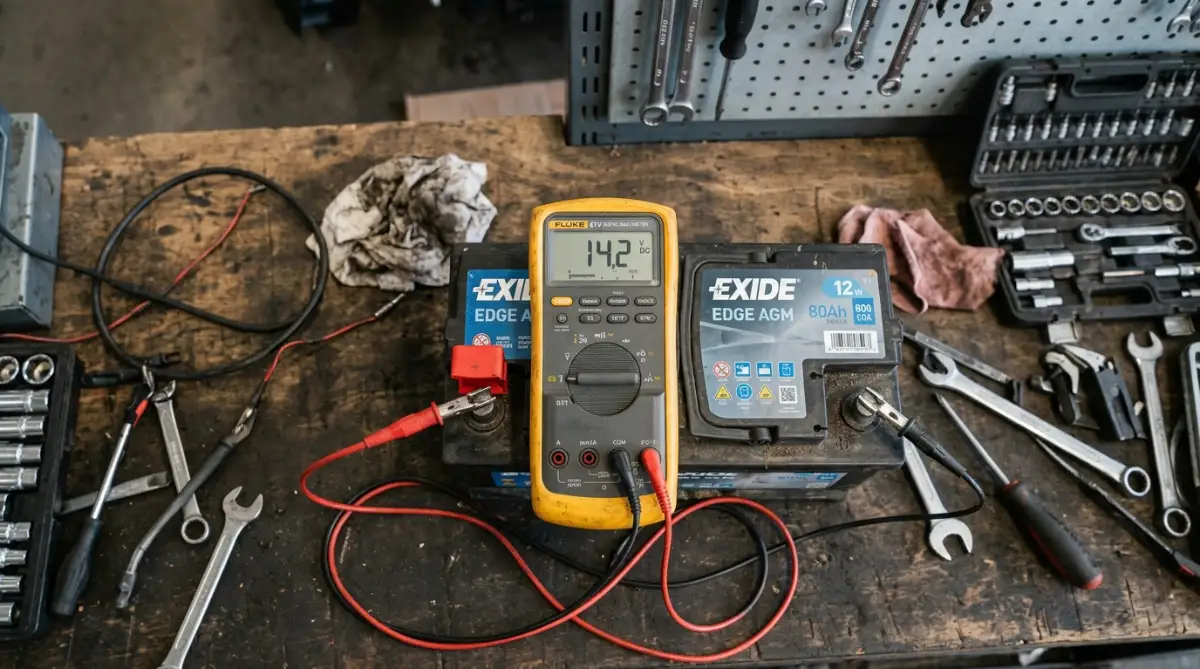
If you have a multimeter, you can check this yourself. A healthy charging system should show between 13.5 and 14.5 volts when the engine is running. If your reading is below 13 volts, your alternator is likely on its way out. If it is over 15 volts, the voltage regulator inside the alternator is faulty and is overcharging the system.
This short guide shows exactly how to use a multimeter to test your car's charging system in under five minutes. Watch this before you head to the mechanic so you know exactly what is going on under your hood.
The Reality of Ignoring the Problem
Ignoring alternator issues doesn't just result in a dead car. It can lead to expensive cascading damage. When the voltage is erratic, it can fry sensitive electronics. Your car's computer, fuel pump, and sensors all need stable power.
If you drive with a bad alternator, you might end up damaging the new battery you eventually have to buy. You could also find yourself stranded in a dangerous area. It is much cheaper to replace an alternator in your driveway or at a shop than it is to pay for a tow truck and an emergency repair at an inconvenient time.
Prevention and Maintenance Tips
Alternators don't last forever, but they can last a long time if you treat them right. The most common cause of premature failure is contamination. Oil leaks or coolant leaks that drip directly onto the alternator can ruin the internal electronics.
Keep your engine bay relatively clean. If you see fluid pooling near the alternator, fix that leak immediately. Also, check your serpentine belt regularly. A loose belt puts unnecessary strain on the alternator pulley and bearings.
Driving Habits That Help
Do you have a lot of aftermarket accessories? Powerful subwoofers, excessive LED light bars, or high-draw electronics can strain a stock alternator. If you have modified your car’s electrical system, ensure your alternator is rated to handle the extra load.
Also, try to avoid "jump-starting" other cars if you can avoid it. While jump-starting is sometimes necessary, it creates a sudden electrical surge that can be tough on your alternator's voltage regulator. If you do jump-start another vehicle, make sure you follow the proper procedure to minimize the risk to your own system.
Final Thoughts on Electrical Peace of Mind
You don't need to be a car expert to maintain your vehicle. You just need to be observant. Your car talks to you through sounds, lights, and weird behaviors. When you learn to listen, you can avoid the nightmare of being stranded.
Treat your alternator like the silent worker it is. It keeps your car running, your phone charging, and your lights on. When you see the signs—the dimming lights, the whining noise, or that pesky battery warning light—don't look the other way.
Take action. Test the system. If you are unsure, have a professional check it. Staying ahead of these repairs is the best way to keep your car reliable and your stress levels low. After all, the best part of driving is the freedom to go where you want, not worrying about whether your car will actually get you there.
Mastering Your Electrical Health with Pro-Level Monitoring
You have already learned to spot the warning signs of a failing charging system. But what separates the average driver from the car-savvy owner is how they maintain that system to prevent trouble before it begins. Most people wait for the dash light to flicker before they pop the hood. That is a reactive approach, and in the world of vehicle maintenance, reactivity is expensive.
To keep your alternator running for the long haul, you must look beyond just the part itself. Think of your alternator as the heart of the car’s electrical nervous system. If the connections are weak or dirty, the heart works much harder than it needs to.
The Proactive Approach to Voltage Management
One of the most ignored secrets in automotive electrical work is the ground cable. Your alternator connects to the car's body or engine block to complete the electrical circuit. If this connection point has rust, corrosion, or grime, the electricity cannot flow back to the battery properly.
This added resistance forces the alternator to work overtime. Over time, this extra heat buildup can fry the internal diodes. Whenever you are under the hood, take five seconds to locate the main ground wire. If you see green or white corrosion on the terminals, clean it off with a wire brush.
This simple act takes almost no time but can save you a world of trouble. It is the kind of proactive maintenance that keeps systems running when others are failing. If you want to dive deeper into why your car costs more than you think, checking these small connections is a great place to start.
Managing Thermal Stress Under the Hood
Heat is the natural enemy of every electronic component in your vehicle. Your alternator is located right in the middle of the engine bay, which is essentially a giant oven when the car is running. While you cannot change the location, you can ensure nothing is making the heat worse.
Check your engine cooling system regularly. If your engine is running hotter than it should, that heat radiates directly onto the alternator. Ensure your cooling fans are working correctly. If the fans are struggling, they are putting an extra electrical load on the alternator while also heating it up from the outside.
Understanding the Load Balance
Every time you add an aftermarket accessory, you are taxing your alternator. I often see people add heavy-duty sound systems, massive LED light bars, or specialized heated seats without upgrading their electrical system. If your alternator is rated for a standard load, pushing it to power high-draw electronics will lead to premature failure.
If you love modifying your ride, check your alternator’s amperage rating. If you add heavy electrical accessories, you might need to upgrade to a "high-output" alternator. It is worth knowing how your vehicle’s components work together, just like understanding the truth about driver assistance systems and their limits if you ever decide to install new tech in your cabin.
The Value of a Routine Load Test
Don’t wait for a breakdown to test your charging system. Most auto parts stores have free diagnostic tools that perform a "load test." This test simulates the demand of your headlights, AC, and radio while the car is running.
It tells you if the alternator is still capable of maintaining voltage under pressure. I try to get a load test done every time I go for an oil change. It is free, it takes minutes, and it provides peace of mind. You can find more technical details on how charging systems are tested through resources like SAE International, which advocates for standard automotive diagnostic procedures.
Protecting Your Electrical Integrity
If you have ever had work done on your car, you know that loose wires are common. After any major service, quickly scan the alternator connections. Ensure the plugs are clicked in firmly and the main charging cable is tight.
A loose cable can cause "arcing," which creates intense heat and can melt the connector. This is a common but easily preventable issue. Small habits like this are why some cars reach high mileage with the original alternator while others cycle through replacements every two years.
The Hidden Costs of Automotive Shortcuts
We all want to save money, but in the world of car repair, buying the cheapest option is often the most expensive choice. When you are standing at the parts counter, the price difference between a high-quality unit and a budget option can be huge. This is where many drivers make a mistake they end up regretting.
The "Budget" Part Trap
There is a massive market for cheap, "remanufactured" alternators. These units are often repaired with the bare minimum of new parts. They might look clean and shiny, but their internal components are often worn-out parts from other cars.
When you buy a bargain-bin alternator, you are playing a game of chance. I have seen these units fail within months, leaving drivers stranded again. Always look for a reputable brand or a genuine part from the original manufacturer. If the price seems too good to be true, it almost certainly is.
Ignoring the Serpentine Belt
I cannot say this enough: the alternator is only as good as the belt that turns it. Many people replace the alternator but keep the old, cracked, and glazed serpentine belt. This is a recipe for failure.
A worn belt will slip, especially in cold or wet weather. When it slips, the alternator cannot maintain the necessary RPM to generate electricity. This puts a massive strain on the voltage regulator. If you are replacing your alternator, always replace the belt and the tensioner at the same time.
The Jump-Start Panic
Jump-starting a car is a common solution, but it is also a dangerous one if done incorrectly. I have seen people hook up the cables backward or spark them together. This sudden surge of power can destroy the delicate electronic brain of your car.
If you must jump-start, make sure the engine is off when you connect the cables. Once they are connected, start the donor car first, let it run for a bit, and then start yours. Being reckless here risks more than just your alternator—you could fry your entire computer system. For more on safety, check out Consumer Reports for automotive safety guides.
The Danger of DIY Mistakes
Many people try to fix these issues at home, which is great, but they often ignore basic safety rules. One major mistake is failing to disconnect the battery before working on the alternator. The main charging cable going to the alternator is "hot" at all times.
If your wrench slips and touches the metal frame of the car while you are working, you will create a massive short circuit. This can weld your tool to the car, melt the cable, or even cause a battery explosion. Always, always disconnect the negative terminal of your battery before you turn a single wrench on the alternator.
Letting the Battery Go Dead
I know it happens, but try to avoid letting your car battery die completely on a regular basis. A completely flat battery acts as a massive "short" that the alternator has to overcome. It is like asking a marathon runner to carry a heavy boulder for the first mile.
Repeatedly forcing the alternator to recharge a totally dead battery wears out the internal diodes and increases the risk of the unit burning out. If you find your battery is dead, use a proper battery charger to revive it slowly rather than relying on the alternator. This simple change is a great way to protect your home insurance claim eligibility by avoiding poor maintenance that leads to larger accidents.
Empowering Yourself for the Long Road Ahead
Maintaining your charging system is not just about avoiding a tow truck. It is about building a relationship with your machine. When you understand how your car uses electricity, you stop fearing the unknown and start driving with confidence.
You have the tools and the knowledge now. You know how to listen for the whining bearings, how to watch for the dimming lights, and how to verify the voltage with a multimeter. You are no longer at the mercy of sudden breakdowns.
Consistency is your best friend here. Don't feel like you have to be a master mechanic to have a reliable car. You just need to be the person who checks their battery terminals, listens to their engine, and addresses the small noises before they become big repairs.
I remember the day I realized that most car troubles are just ignored warning signs. Once I started paying attention to my car, my anxiety about long road trips vanished. It gave me the freedom to drive without that knot in my stomach.
I know what it’s like to feel overwhelmed by technical jargon, but you have the power to master these basics. My advice to you is to start with a simple check this weekend. Look at your battery, listen to your idle, and treat your car with respect. You are doing a great job keeping your vehicle on the road, and taking these small steps will keep you moving safely for years to come.
Common Questions About Your Alternator
Can I keep driving if my alternator warning light is on?
No, you should not. Once the light comes on, your car is relying entirely on the battery's remaining charge. You might get a few miles down the road, but once the battery runs dry, the engine will die abruptly, often leaving you in a dangerous position.
Is it better to repair an alternator or replace it?
In most modern vehicles, replacing the unit is more cost-effective and reliable. Internal parts like diodes and brushes are difficult to access and repair without specialized equipment, so a full replacement is usually the standard approach for longevity.
How much does a typical alternator replacement cost?
Costs vary wildly depending on your vehicle make and model. You are looking at the price of the part plus labor, which can range significantly. Always call a few local shops for quotes, but remember that the cheapest option is rarely the best one when it comes to electrical parts.
Why does my alternator make a whining noise?
The noise usually indicates that the internal bearings are wearing out. As the alternator spins, these metal bearings struggle to rotate smoothly, creating a high-pitched whine that increases in pitch when you rev the engine.
Can a bad alternator damage my new battery?
Yes, it certainly can. If an alternator is overcharging or providing erratic voltage, it can "cook" the battery plates, drastically reducing its lifespan. That is why it is always smart to test both the battery and the alternator together.
Disclaimer: The information provided in this guide is for educational purposes only and does not constitute professional mechanical or legal advice. Automotive systems vary by make and model, and improper handling of electrical components can be dangerous. Always consult your vehicle’s service manual or a certified professional before attempting repairs. I am not responsible for any damage or personal injury resulting from the use of this information.