The Trap of the "Monthly Payment" Mindset
I remember walking into the dealership with nothing but a number in my head. That number was my target monthly payment, the only thing I thought mattered. I sat down, signed the papers, and drove off the lot feeling like I had beaten the system because the dealer matched my budget. It felt like a victory, right?
But three months later, the reality hit me hard. I was paying for insurance, gas, oil changes, and unexpected repairs that I never accounted for in my initial math. My "perfect" monthly payment was actually bleeding me dry, and I hadn't realized it until my bank account was empty. I felt trapped in a vehicle that I couldn't really afford, all because I had looked at one small number instead of the whole picture.
I started to feel a constant, nagging anxiety every time I turned the key. Every weird noise the engine made turned into a panic attack because I knew I didn't have the cash to fix it. It wasn't just about the money; it was about the loss of peace of mind. I had fallen into the classic trap that dealers rely on: focusing on the now while ignoring the always.
Have you ever felt that sinking feeling when the mechanic hands you a bill that costs more than your car note? It happens to the best of us. We focus so much on getting the keys that we forget we are signing up for years of hidden expenses. It steals our sleep, creates stress, and limits what we can do with our hard-earned money.
I decided to change how I look at cars forever. I stopped asking "Can I afford this monthly?" and started asking, "Can I afford to own this for the next five years?" This shift changed everything. It took the power back from the salespeople and put it right into my own hands. I want to help you do the same so you never have to feel that regret again.
Decoding the Real Price of Your Vehicle
Most people stop their research at the sticker price or the monthly bill. This is a massive mistake. To understand what a car really costs, you have to look at the "Total Cost of Ownership," or TCO. This includes every dollar that leaves your pocket from the moment you turn the key until the day you sell it.
The Hidden Math of Ownership
Think of your car as a business investment. Every expense, from the coffee you buy while getting an oil change to the insurance premiums you pay, is a cost of operation. If you ignore these, you are setting yourself up for financial trouble.
Depreciation is the Silent Thief
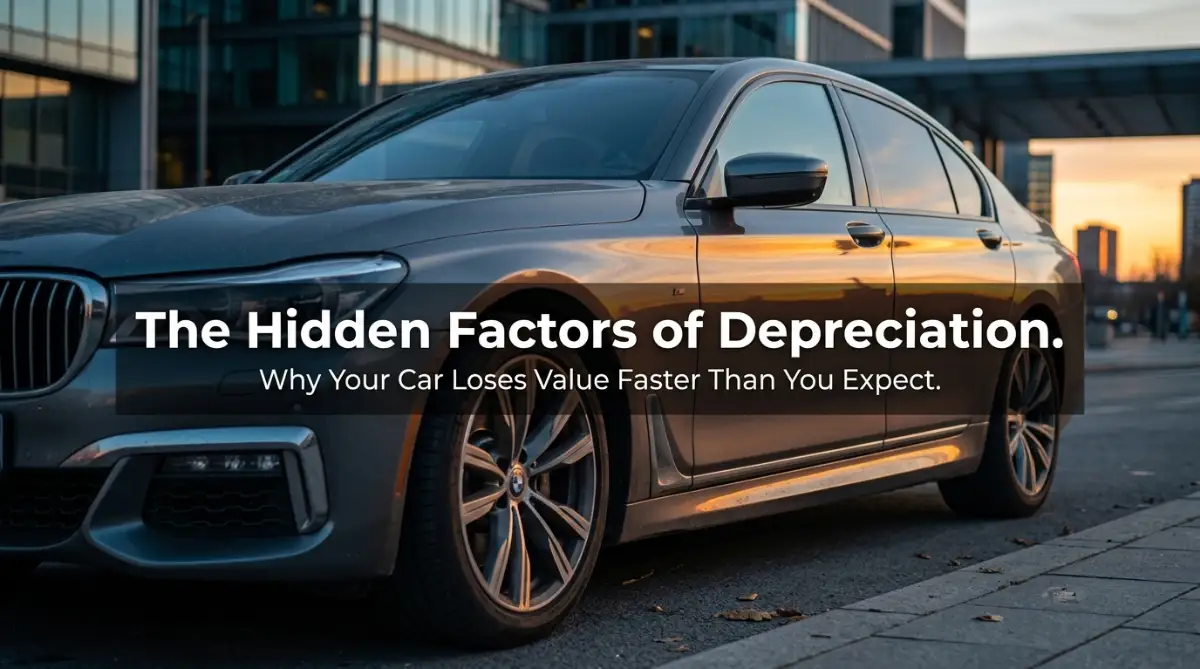
The biggest expense most owners never see on their monthly bill is depreciation. The second you drive off the lot, your car loses a chunk of its value. Over time, this is often the most expensive part of owning a car. Some vehicles lose value faster than others, which is why researching the resale value of a specific model is so important before you buy.
Insurance Premiums and Taxes
Your insurance rate depends on the car you drive. A sporty model might look cool, but the insurance company will see it as a risk. That higher premium is part of your cost, even if it comes in a different envelope. Never calculate your budget without getting an insurance quote for the specific model you want.
The Energy or Fuel Equation
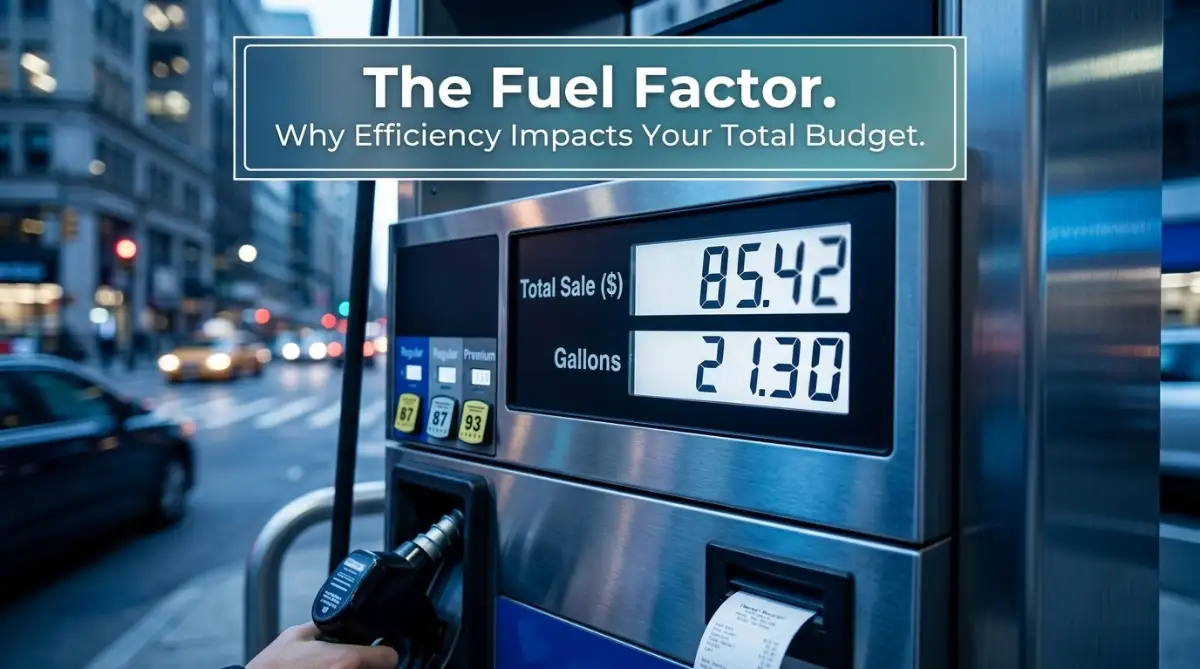
Gas prices fluctuate, and fuel efficiency makes a bigger difference than you might think. A car that saves you a few gallons every week adds up to hundreds, sometimes thousands, of dollars over the years. If you commute long distances, this one factor can change which car is actually cheaper to own.
How to Calculate Your TCO
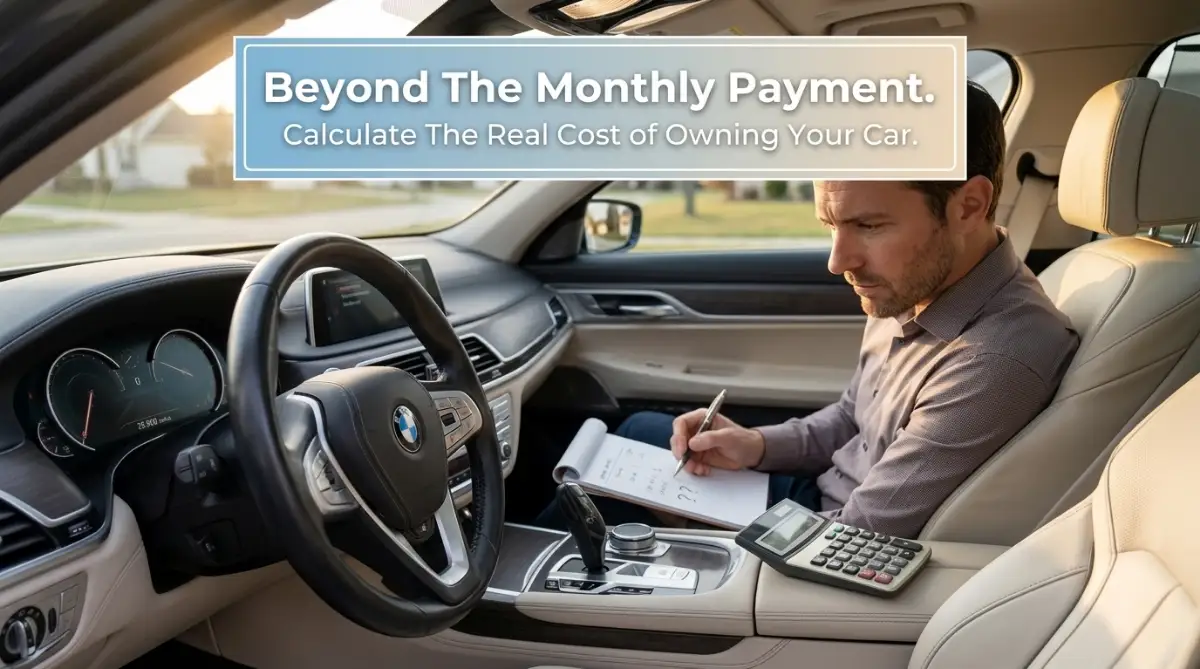
You don't need a degree in finance to do this. You just need a simple spreadsheet or a piece of paper. Start by listing the purchase price, but then add the estimated costs of fuel, insurance, maintenance, and repairs for the time you plan to own the vehicle.
- Fuel Costs: Estimate your yearly mileage and divide by the car's miles per gallon.
- Insurance: Call your provider and ask, "How much would my premium change if I switched to this car?"
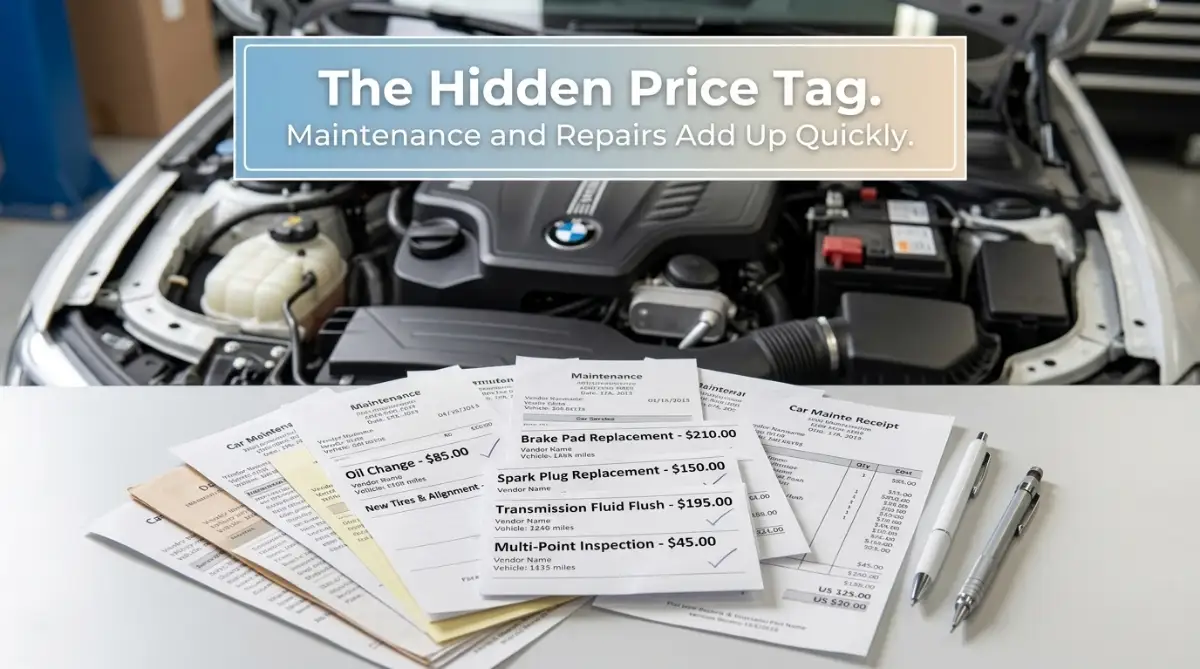
- Maintenance: Look up the factory maintenance schedule. Some cars are simply cheaper to service than others.
- Repairs: Research common issues for the model. Some cars have known quirks that will eventually break.
Pro Tip: I learned this the hard way after buying a luxury car that was "cheap" to buy used. I didn't realize that the parts for this specific model were double the price of a standard sedan. My first brake job cost me nearly a month's salary because I hadn't checked the cost of parts before buying the car. Now, I always search for "common repair costs" for any car I am considering. It saves me so much stress.
Watch this video to understand how to calculate your true ownership costs like a pro:
If you want to stop overspending and start managing your car budget effectively, this guide explains the exact math you need to know.
Why Reliable Models Often Win
It is tempting to buy a car that stands out, but reliability is where the real money is saved. A car that starts every single time without drama is a financial asset. A car that spends two weeks a year in the shop is a financial liability.
When you look for a car, prioritize models with high reliability scores. These cars often hold their value better because they have a proven track record. They don't surprise you with catastrophic repair bills when you are trying to save money for other goals.
The Opportunity Cost of a Car Loan
When you finance a car, you aren't just paying for the vehicle. You are paying interest. That interest money is gone forever. If you had invested that money instead of paying interest to a bank, you could have built a small nest egg.
Always check the total interest paid over the life of the loan. A longer loan term might make your monthly payment look smaller, but you end up paying significantly more in interest over time. If you can afford a slightly shorter loan term, your total cost of ownership drops dramatically.
Routine Maintenance is Your Best Friend
Many people treat maintenance as an "optional" expense. This is a trap. Ignoring an oil change, skipping tire rotations, or neglecting the coolant system doesn't save you money. It just delays the expense and makes it much larger later.
Think of it this way: spending a small amount today on an oil change prevents a massive engine repair later. It is a simple trade-off. When you sell the car, a stack of service records showing you followed the maintenance schedule adds real value to the vehicle. It proves you cared for the car, which makes it much easier to sell.
Planning for the Unexpected
Even the most reliable car will need new tires, a new battery, or brakes eventually. These are not "repairs"; they are expected ownership costs. If you are surprised when you have to buy new tires, you haven't planned your budget correctly.
Create a "car fund" where you set aside a small amount of money every month. Even if it is just a small sum, it builds up. When that set of tires finally wears out, you have the cash ready. It removes the stress from the situation entirely.
Comparing Models Side-by-Side
Don't just fall in love with one car. Pick two or three and compare their total costs. You might be surprised to find that the car you thought was "boring" is actually saving you enough money to take a vacation every year.
Set up a simple table with columns for:
- Fuel cost per year
- Insurance difference
- Expected maintenance costs
- Expected depreciation (resale value)
The car with the lowest total is the real winner. It frees up your cash for things that actually matter to you, like your future, your home, or your hobbies. The car is just a tool to get you there, not a destination for all your money.
Maintaining your vehicle’s financial health is much like managing a home budget. You need to look beyond the immediate expense and consider the long-term impact on your net worth. Once you shift your mindset from "what is the payment" to "what is the total burn," you gain control over your financial freedom.
Advanced Strategies for Mastering Your Ownership Costs
To truly minimize the cost of ownership, you must think like a fleet manager. Even if you only own one vehicle, the principles are identical. A fleet manager focuses on uptime, efficiency, and predictability. You should do the same.
The Hidden Impact of Insurance and Safety Ratings
Most people assume that insurance is a fixed cost based on the car's price. That is a dangerous assumption. Insurance companies calculate risk based on data, and some vehicles are statistically more likely to be involved in accidents or thefts.
Before you finalize your purchase, call your insurance agent. Ask for a quote on the specific trim level you want. A car that costs the same as another might have a premium that is significantly higher because of its safety record or repairability. You can check independent safety data at the Insurance Institute for Highway Safety to see how your potential vehicle performs in crash tests, which directly influences your long-term insurance premiums.
Understanding the Lifecycle of Technology
We are living in an era of rapid technological change. If you are buying a car that is heavily dependent on complex software or proprietary tech, consider the long-term implications. As hardware ages, support fades.
This is exactly the real truth about EV battery life that you need to be aware of if you are moving toward electric vehicles. While electricity is cheaper than gas, the long-term cost of battery replacement or software obsolescence must be part of your total cost calculation. Don't let the "cool factor" of new tech distract you from the maintenance costs that appear five or ten years down the road.
The "Right-Sizing" Strategy
I once made the mistake of buying a large SUV because I thought I needed it for "just in case" scenarios. In reality, I was paying for the extra weight, the larger tires, and the increased fuel consumption every single day. My commute didn't require that size, and the extra cost was eating into my savings.
Before you buy, perform a realistic audit of your daily needs. Do you really need a vehicle with all-wheel drive, or is that just a nice feature for the one day it snows? Do you need a truck bed, or would a trailer rental twice a year be cheaper? Right-sizing your vehicle is one of the most effective ways to lower your total cost of ownership immediately.
Why Timing Your Purchase Matters
Just like investors avoid how to stay calm and invest wisely during market volatility by having a plan, you should have a plan for when you buy. Dealers have monthly and quarterly targets.
If you shop at the end of a sales cycle, you are often in a stronger position to negotiate the purchase price. A lower purchase price means a smaller loan, which lowers your interest payments and your total cost over the life of the car. It is a small detail, but in the long run, it saves you thousands of dollars that would have otherwise gone to interest.
Pro-Level Tip: The "Cash-Flow" Buffer
Here is a realization I had after struggling with a car repair bill I didn't expect. I started treating my car like a small business. I create a separate "Car Emergency Fund" that is separate from my household emergency fund.
Every month, I transfer a set amount into this account. If I don't use it, it grows. If I need a new set of tires or a repair, the money is already there. It turns "emergency expenses" into "planned maintenance." This psychological shift is powerful because it removes the stress of owning an older vehicle.
The Financial Pitfalls That Catch Even Savvy Buyers
Many people enter the car market with the best intentions. However, the system is designed to make you focus on the wrong numbers. If you aren't careful, you will fall into common traps that inflate your costs without you even realizing it.
The "Payment Extension" Trap
Dealers love to extend loan terms to lower your monthly payment. They might offer you an 84-month loan instead of a 60-month loan. It looks great on paper because your monthly cash flow is better.
The reality? You are paying interest for years longer. You are also much more likely to end up "underwater" on your loan, where you owe more than the car is worth. If you find yourself needing an 84-month loan to afford the car, you simply cannot afford the vehicle.
Ignoring the Cost of Lifestyle Drift
People often forget how their life might change during the time they own a car. If you move, get a new job, or change your commute, your car expenses will change. A car that is efficient for a 5-mile commute might be a nightmare for a 50-mile commute.
I learned this when I changed jobs and my driving distance tripled. My gas bill skyrocketed, and I had to trade in my "fun" car for a more fuel-efficient one, losing money in the process. Always account for potential changes in your lifestyle when calculating the long-term costs.
The False Economy of Cheap Parts
When it comes time to maintain your car, do not fall for the trap of buying the cheapest possible parts. I have seen friends buy "budget" tires or brake pads to save a few dollars. These parts often wear out twice as fast or perform poorly.
This is a lesson in value versus price. Just like why home insurance companies deny claims and how to stay protected, you need to ensure you have coverage and quality. If you buy cheap parts, you are likely to pay for the repair again much sooner. Quality parts pay for themselves over time.
Misunderstanding the "Gap"
Many buyers fail to grasp the actual difference between what they think they are spending and what they are actually spending. This is similar to understanding the gap in insurance policies.
If you don't account for the "invisible" costs—like the increased cost of registration, taxes, and specialized servicing—you will be constantly surprised. These expenses are not optional. You must include them in your total cost of ownership spreadsheet.
Emotional Bias During the Test Drive
The moment you sit in a new car, your brain starts to justify the purchase. You ignore the high fuel consumption because the seats are comfortable. You ignore the poor reliability reviews because the design looks great.
To counter this, bring a "Reality Check" list with you. Write down the pros and cons based on data, not feelings. Read it before you sign anything. It helps you keep your focus on the numbers rather than the sensory experience of the showroom.
Your Path to Financial Clarity and Smarter Ownership
You now have a much clearer view of what it means to own a vehicle. It is not just about the monthly bill. It is about every single dollar that leaves your bank account because of that machine.
Take Control of Your Budget
You have the power to change how your car impacts your financial future. Start by tracking your expenses for just one month. You will likely be surprised by how much you are spending on fuel, tolls, and maintenance.
Once you see the numbers, you can make informed decisions. Maybe you decide to combine trips to save on gas. Maybe you decide to do more of your own maintenance. Every small adjustment adds up to significant savings.
Why You Should Start Today
I was exactly where you are, feeling overwhelmed by car payments and repair bills. My life changed when I stopped treating my car as a symbol of status and started treating it as a financial instrument. I paid off my loans faster, I saved more money, and I felt less stress every day.
You don't need to be a math genius or a financial expert to do this. You just need to be honest with yourself about the costs. If I can take control of my car ownership, I know you can too. Start by tracking your costs today and see the real picture for yourself.
Common Questions About Calculating Ownership Costs
What exactly is included in Total Cost of Ownership?
TCO includes everything: the purchase price (or loan payments), interest, insurance premiums, fuel costs, routine maintenance, major repairs, taxes, registration, and the estimated depreciation of the vehicle over time. It is the full "cost to drive" over the period you own the car.
Is it really worth tracking every single penny?
You don't need to track every penny forever, but doing it for a few months gives you a baseline. Once you know your "cost per mile," you can make better decisions about whether to drive, carpool, or look for a more efficient vehicle. It removes the guesswork from your budget.
Why do some cars cost so much more to insure?
Insurance rates are based on your personal history, your location, and the vehicle's risk profile. Cars with expensive parts, cars that are frequently stolen, or cars that are prone to expensive accidents carry higher premiums. Always check this before you commit to a purchase.
Can I really predict future repair costs?
You can't predict exact repairs, but you can use reliability data. Websites that track consumer reports and maintenance logs can tell you if a specific model has a history of engine issues or transmission failures. Planning for these common problems prevents them from becoming total financial surprises.
What is the biggest mistake people make when calculating ownership?
The biggest mistake is ignoring depreciation. People often feel good about their monthly payment while their car is losing thousands of dollars in value every year. Recognizing that your car is a "wasting asset" helps you avoid overspending on features you don't need.
Disclaimer: The information provided in this guide is for educational purposes only. It is not financial or professional automotive advice. Vehicle ownership costs vary based on individual circumstances, location, and local market conditions. Please consult with a financial advisor or a qualified mechanic for guidance specific to your situation.