
The Reality of Selling Your Home and the Fear of What You Might Have Missed
I remember the day I decided to put my first house on the market. I spent weeks painting the walls, fixing the squeaky front door, and making sure the lawn looked like a postcard. I felt ready. But then, my real estate agent handed me a stack of papers called "Disclosures." My heart sank. Suddenly, I wasn't just thinking about the curb appeal anymore. I was worried about what was behind the walls, underneath the floorboards, and buried in the yard.
The thought kept me up at night. What if there was a problem I didn't know about? What if the house had something hidden, like old insulation or a drainage issue that would pop up after I moved out? I started looking at my own home through a lens of suspicion. It felt like I was looking for reasons why someone shouldn't buy it, rather than celebrating the memories I made there. It was a heavy weight, and I think many sellers go through this exact panic.
When you are deep in the process of selling, the pressure to make everything look perfect is overwhelming. You want a quick sale and a good price. But these legal documents are not just red tape. They are your shield. If you hide something, or if you simply don't know what to look for, you are opening yourself up to massive headaches later. Imagine getting a call months after moving, hearing that the new owners found a problem and are pointing fingers at you. That fear is real, and it ruins the excitement of starting a new chapter.
This stress affects your daily life. You spend hours wondering if you should get a special inspection. You question if your past DIY repairs were up to code. It takes the joy out of the packing process. You aren't just packing boxes; you are documenting your history, hoping you didn't leave any "landmines" for the buyer. It is exhausting, but it is also manageable if you just stop and look at the facts. You don't need a law degree to understand this. You just need to be honest and organized.
Defining Environmental Disclosures and Why They Matter
Many people think environmental disclosures are just for big, industrial properties. They think, "My house is just a normal family home, I don't have to worry about toxic waste." That is a dangerous way to think. Environmental disclosures cover things that are common in many houses. These are things that affect the health and safety of the people living inside. It is about transparency, plain and simple.
When you sell, you are basically saying, "Here is everything I know about the state of this house." If you know your basement flooded last winter, you say it. If you know you used an old heating system that might contain certain materials, you say it. These disclosures exist to protect the buyer. But really, they protect you, too. If you disclose a known issue, a buyer cannot come back later and sue you for "hiding" it. Honesty is your best legal defense.
Common Hazards You Might Not See
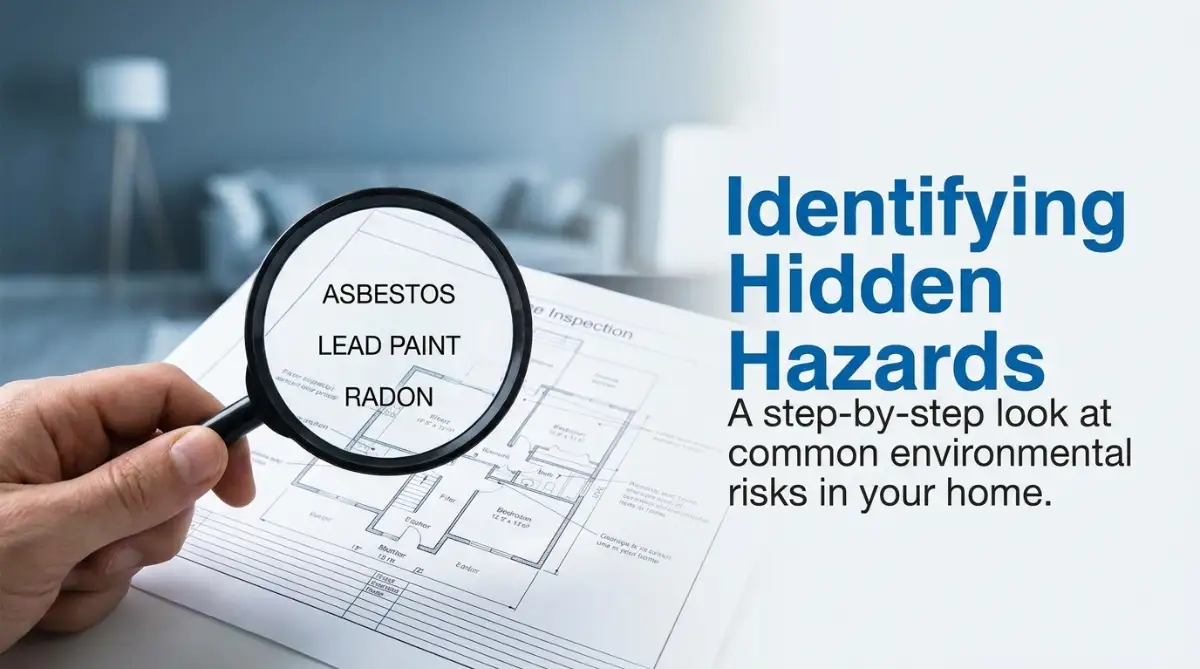
The list of things to watch out for can seem scary, but most of them are well-documented. Lead-based paint is a big one, especially if your home was built before a certain era. You don't have to remove it, but you have to tell the buyer it might be there. Asbestos is another one. It was used for decades in insulation and tiles. It is safe if left alone, but the buyer needs to know it is there so they don't go ripping up floors without a mask.
Then there is Radon. This is a gas you cannot smell, see, or taste. It comes up from the ground. It is common in many parts of the country. A simple test kit can tell you if it is an issue. Even if you have never tested for it, the buyer might ask. You don't have to be an expert, but you have to be ready to answer the question. Mold is another common concern. It usually stems from water leaks or poor ventilation. If you patched a leak, mention it.
The Process of Preparing Your Home Disclosure
You do not need to conduct a forensic investigation of your home. You are not a professional inspector. You are required to disclose what you know. This is a huge distinction. If you have never heard of a problem, you aren't expected to magically find it. However, you should do a thorough review of your own records. Start by gathering every receipt, manual, and inspection report you have.
Gathering Your Records
Think about the last five years. Have you had a plumber come out for a backup? Did you have an HVAC technician look at the furnace? Dig out those invoices. These documents tell a story. If you see a receipt for "sewer line cleaning," that is a clue. It means there was a past issue. Put all of these papers in a binder. This binder is now your best friend. It shows the buyer that you are an organized and honest seller.
Walking Through with Fresh Eyes
Walk through your house as if you are a stranger. Look at the corners of the basement. Are there water stains? Check the ceiling in the attic. Is there any sign of a leak? Be your own harshest critic. If you see a dark spot, investigate it. It might be nothing, but it is better to find out now than during the buyer's home inspection. If you find something, get it fixed or prepare to disclose it.
Dealing with the "I Don't Know" Answer
It is perfectly acceptable to write "Unknown" on a disclosure form. You are not a contractor. If you never went into the crawlspace, you aren't lying if you say you don't know the condition of the pipes back there. Don't guess. If you guess and you are wrong, that looks like dishonesty. Stick to the facts. If you truly haven't used an appliance or checked a specific area, be honest about it.
Getting Proactive with Expert Advice
Sometimes, doing a little extra work upfront saves you thousands later. If you are worried about radon, buy a test kit. They are cheap and easy to use. If the results are high, you can choose to mitigate it before listing, or you can disclose the result and let the buyer decide how they want to handle it. Either way, you have controlled the narrative. You aren't being blindsided by the buyer's inspection.
Understanding the Buyer’s Perspective
Try to see the transaction from the other side. A buyer is making one of the biggest purchases of their life. They are nervous. They are worried about hidden costs. When you provide a clean, honest, and complete disclosure package, you lower their anxiety. You build trust. Trust is the lubricant that makes a deal close. If you hide things, the buyer will find them eventually, and the deal will likely fall apart.
The Role of Your Real Estate Agent
Your agent has seen this a hundred times. Lean on them. Ask them for the standard disclosure forms used in your area. Ask them, "What is the most common thing people forget to disclose?" They can guide you through the local laws and requirements. Do not try to handle the legal wording on your own. Use the standard forms, fill them out completely, and keep a copy for your own records.
Want to see how the experts handle home inspections and disclosures? Watch this guide to prepare for your sale.
Many sellers make the mistake of thinking they can just clean up the surface and ignore the "ugly" stuff. But the inspection period is where the deal gets serious. If you have been honest, the inspection report won't be a shocker. You will already know about the issues. You will have your receipts, your repair quotes, and your honest answers ready. This makes the negotiation phase much smoother.
Pro Tip: My Realization on Transparency
I remember realizing during my second home sale that my honesty was actually a sales tool. I had a small, old patch of water damage in the basement from years ago that I had fixed. Instead of hoping the buyer wouldn't notice, I wrote a note explaining exactly what happened, when it happened, and how I fixed it professionally. I left the invoice on the counter. The buyer told my agent that they appreciated the honesty so much that they didn't even push for a price reduction. Transparency didn't cost me money; it bought me peace of mind and a smooth closing.
Common Myths About Disclosures
There is a myth that you should "disclose as little as possible" to keep the price high. This is dangerous advice. If a buyer discovers a major issue that you knew about but didn't disclose, you are looking at potential litigation. That is not worth the extra few hundred or thousand dollars. Another myth is that you need to be a repair expert. You don't. You just need to be a reporter. Report what you know, report what you have done, and leave the rest to the pros.
When to Bring in a Specialist
If you see something that makes you truly uncomfortable, like strange smells in the basement or unexplained settling of the foundation, call a pro. A structural engineer or a mold remediation specialist can give you a report. Having a pro's report in hand is better than making a guess. It shows the buyer that you took the matter seriously and have professional advice on the table.
Keeping Your Cool During Negotiations
When the buyer’s inspector comes back with a list, do not take it personally. It is not an attack on your home or your character. It is simply a technical review. You have already prepared your disclosure package. Now, you can look at their findings. Are they new? Are they things you already knew about? This keeps the emotion out of the transaction. You can negotiate based on facts, not fear.
Final Thoughts on Selling with Integrity
At the end of the day, selling a house is a business transaction. But it involves your home, so it is personal. The best way to balance this is to be organized and transparent. Get your paperwork together. Be honest about what you know. Fix what you can, and disclose what you cannot. When you do this, you move from a place of anxiety to a place of confidence. You will find the right buyer who appreciates that honesty. And you will be able to hand over the keys knowing you did everything the right way.
This process is not about being perfect. No house is perfect. Even brand-new homes have issues. This process is about being clear. It is about communication. When you communicate well with your buyer, you solve problems before they start. You ensure that the move to your next home is as stress-free as it can be. Take a deep breath, grab a folder, and start gathering your history. You are more prepared than you think.
Taking Control: Proactive Strategies for a Smooth Sale
When you are aiming for a smooth home sale, you want to be the one holding the cards. Most homeowners wait for the buyer to bring up issues during the inspection phase. This puts you in a defensive position. Instead, you can take a proactive stance. By understanding your home’s environmental footprint before you list, you change the entire dynamic of the sale.
Investing in a Pre-Listing Inspection
Many people wait for the buyer to hire an inspector. This is a gamble. If that inspector finds a hidden leak or evidence of past water damage, the buyer will panic. They may walk away, or they may ask for a massive price reduction. You can avoid this by hiring your own professional inspector before you list. You can find detailed guides on how the real cost of buying a house without an inspection affects deals, which helps you understand why this step is so smart.
Once you have your own report, you have the upper hand. You won’t be surprised by anything the buyer finds because you already know about it. You can choose to fix the issue, get a quote for the repair, or simply include it in your disclosure form. This removes the "fear of the unknown" that kills so many deals. It shows that you have nothing to hide.
Managing Lead-Based Paint and Older Materials
If your home was built before the late seventies, there is a chance it contains lead-based paint. The law is very clear on this in many regions. You don't have to strip the paint, but you must share what you know. You should review the official guidelines provided by the Environmental Protection Agency (EPA) regarding lead disclosures. It is a simple step, but ignoring it can lead to massive legal fines later.
If you have old insulation that looks like it might contain asbestos, do not start tearing it out yourself. This can create a health hazard where none existed before. Instead, call a specialist to evaluate it. Often, leaving these materials alone is the safest and most compliant choice. If you have any doubts, document what you see and state that you are unsure. Never guess when it comes to hazardous materials.
Documenting Your Home’s Environmental History
Think of your home as a business that you are now handing over to a new owner. Just like a business, you need clear records. Did you replace the old pipes? Did you fix the foundation cracks? Did you test for radon gas? If you did, keep the paper trail.
You can look at resources like HUD’s guide to home hazards to understand what matters most to buyers. When you provide a binder of receipts, warranties, and test results, you are doing more than selling a house. You are providing peace of mind. Buyers are often willing to pay a premium for a home where the seller has kept perfect records. It makes them feel like the property was well-loved and cared for.
Understanding Utility and Zoning Impacts
Sometimes environmental disclosures touch on how your land is used. If you have a private well or a septic system, these need regular testing and certification. Do not assume they are working perfectly just because the water tastes fine. If you have seen changes in your neighborhood, reading up on how deciphering zoning changes impact property value can give you a better idea of what to disclose to your buyer.
If you have a septic system, have it pumped and inspected before the listing. It is a messy job, but it is much better to handle it on your schedule than to have a buyer's inspector tell you it is failing two weeks before closing. These small steps prevent major roadblocks. They show that you are a responsible homeowner who takes care of the small details.
Creating a Disclosure Binder
I personally love the idea of a "Home Health Binder." It is a physical folder you leave on the kitchen counter during showings. It should include everything: service records, warranties for the HVAC, receipts for major repairs, and your completed disclosure forms. When a buyer walks through, they see that you are organized. It tells them that you are not hiding any skeletons in the closet. This simple, low-cost move often pays off in a faster sale.

Traps and Common Errors Sellers Often Make
We all want to get through the selling process without drama. However, it is easy to fall into traps that can cost you thousands or even kill a deal. The biggest mistake is assuming you know more than you do. You might think, "Oh, that damp smell in the basement is just because it’s an old house." You might tell the buyer that, but then the inspector finds active mold. Now you look like a liar, even if you weren't trying to be.
The Danger of Assuming or Guessing
Never guess on a disclosure form. If you do not know the status of the electrical wiring behind the walls, check "Unknown." Do not make up a story to fill the blank space. If you guess wrong, the buyer has grounds to claim you were dishonest. Honesty is your best protection. If you are not sure about something, say so. It is not a sign of weakness; it is a sign of integrity.
Ignoring Minor "Red Flags"
We often get "blind" to our own homes. We live with that squeaky floor or that small patch of rust on the furnace. We stop seeing it because we see it every day. But a buyer walks in with a fresh set of eyes. They will notice the rust on the furnace. If you ignored it, they might wonder what else you ignored. Address the small things before you list. It tells the buyer that you kept up with maintenance. You can also review how why home insurance companies deny claims and how to stay protected to understand why neglected maintenance is a red flag for buyers, too.
Hiding Known Issues
Some sellers think they can cover up a problem with a coat of paint or a new rug. This is a massive mistake. Eventually, the buyer will find the problem. When they do, the trust is gone. They won't just ask you to fix it; they will wonder what else you hid. It can lead to legal disputes that drag on for months or even years. It is never worth the risk. Just be honest about the issue and adjust the price if needed.
Failing to Prepare the Paperwork
Don't wait until you have an offer to start filling out forms. By then, you are in a rush. When you are in a rush, you make mistakes. Sit down weeks before listing and go through the disclosure requirements for your state. Get your receipts together. If you don't have receipts for a big job, write down exactly what you remember about it. The more prepared you are, the less stressed you will be when the offer finally comes in.
A Path to Confidence and Success
Selling a home is a big deal, but it does not have to be a source of stress. You now have a better handle on what matters. You know that environmental disclosures are not there to catch you in a trap. They are there to ensure that everyone is on the same page. When you are honest and prepared, you are protecting yourself and the buyer.
You have the power to turn a potentially stressful process into a smooth transaction. Start by gathering your records. Walk through your home with fresh eyes. Don't be afraid to ask for help from professionals if you find something that concerns you. You are doing the right thing by being transparent. Most buyers are reasonable. If they see that you are honest, they are much more likely to work with you through any issues that come up.
My goal in sharing this with you is to help you move to your next chapter without looking back. I have been in your shoes, standing in a house I loved, wondering if I had missed something important. Once I decided to just be open and prepared, the fear vanished. I encourage you to take that same path. Do your homework, keep your records tidy, and move forward with confidence. You are ready for this.
Common Questions About Property Disclosures
Do I have to fix every single issue I find?
No, you do not. You are required to disclose issues, not necessarily fix them. Some buyers may be willing to take on a project house if the price is right. The important part is that they know what they are getting into before they sign the contract.
What if I don't know if my home has environmental hazards?
You are only expected to disclose what you are aware of. If you have never tested for radon or had a professional inspect for mold, you can state that. You are not required to conduct professional testing unless you suspect a problem exists.
Can I be sued if I forget to disclose something?
Yes, it is possible if the buyer can prove you knew about the issue and intentionally hid it. This is why keeping your own records and being thorough with your "I don't know" answers is smart. Transparency is your strongest legal defense against future claims.
Should I hire a lawyer to review my disclosure forms?
While it is not always mandatory, having a professional look over your paperwork can provide peace of mind. If you are worried about specific disclosures, a real estate attorney can help ensure you are following local laws. They can help you understand how understanding the gap: how deductibles and out-of-pocket limits work might relate to your home insurance and liability as a seller.
Does a pre-listing inspection mean I have to tell the buyer everything?
Usually, if you have a written report, you are required to share it. While it might feel scary to hand over a report that highlights flaws, it actually protects you. It shows the buyer that you are being open about the condition of the home, which builds trust.
How do I handle potential mold that I’ve already cleaned up?
You should still disclose the past issue. Explain what caused it, how you fixed it, and why it is no longer a problem. Providing documentation of the repair is the best way to reassure the buyer that it is not a recurring threat.
Disclaimer: I am not a lawyer, a real estate agent, or a licensed home inspector. The information shared here is for educational purposes only and should not be considered legal or professional advice. Always consult with local experts and review the specific disclosure requirements for your state or region before listing your property.