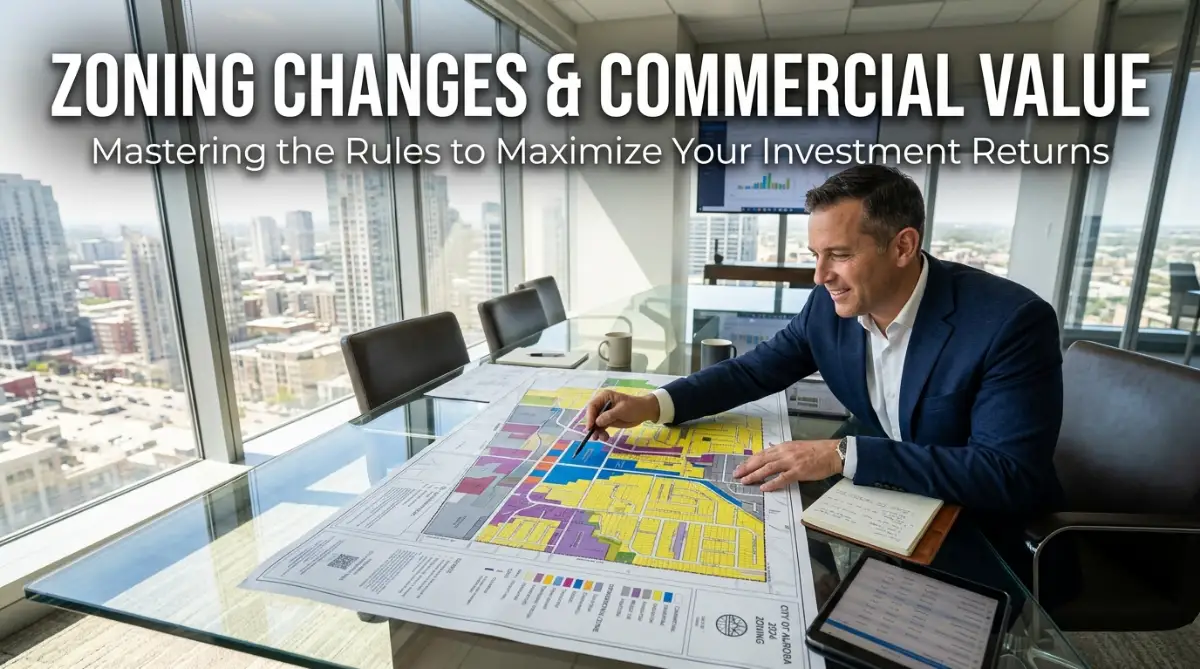
The Hidden Power of the Zoning Map
I still remember the day I got the letter in the mail. I had purchased a modest brick warehouse in a quiet, industrial part of town, thinking it would be a reliable source of rental income for years to come. It was my first major commercial investment, and I felt like a king.
Then, the local city council decided to redefine the entire district. Within six months, the land that used to be strictly for "light manufacturing" was rezoned for "mixed-use retail and residential." At first, I was worried. I thought my warehouse was useless.
But then I watched the neighborhood transform. New coffee shops appeared, followed by high-end residential lofts. Suddenly, the value of my property wasn't just tied to the warehouse space anymore. It was tied to the land's potential to become something far more profitable.
That shift changed my life as an investor. It taught me that real estate isn't just about the physical walls you see. It is about the rules on paper that define what those walls are allowed to become. If you don't understand these rules, you are just guessing.
Many owners wake up in a cold sweat because they ignored the public hearing notices. They realize too late that their high-value property is now restricted, or worse, that they missed an opportunity to profit from a surge in demand. That feeling of losing control is one of the worst experiences you can have as a business owner.
It drains your energy and makes you second-guess every decision you made. Your mental peace is worth more than the investment, but they are intrinsically linked. If you aren't paying attention to the planning office, you are losing money every single day.
Decoding the City's Planning Logic
To master your investment, you have to stop looking at zoning as a boring chore and start seeing it as a roadmap. Zoning is simply the government’s way of saying what can be built, where it can be built, and how tall it can get. When this roadmap changes, the price of the land changes immediately.
The concept of "Highest and Best Use" is everything. This phrase refers to the most profitable way a piece of property can legally be used. If your property is currently a parking lot, but the zoning changes to allow for a 10-story office building, your land just became a goldmine.
You need to track the "Master Plan" of your city. Most municipalities publish these documents every few years, outlining their vision for growth. If you see your area marked as a "growth corridor," expect zoning changes soon.
This allows you to position yourself before the rest of the market catches on. You are not just buying dirt; you are buying the right to future development. This is how smart money moves in commercial real estate.
The Ripple Effect of Height and Density Limits
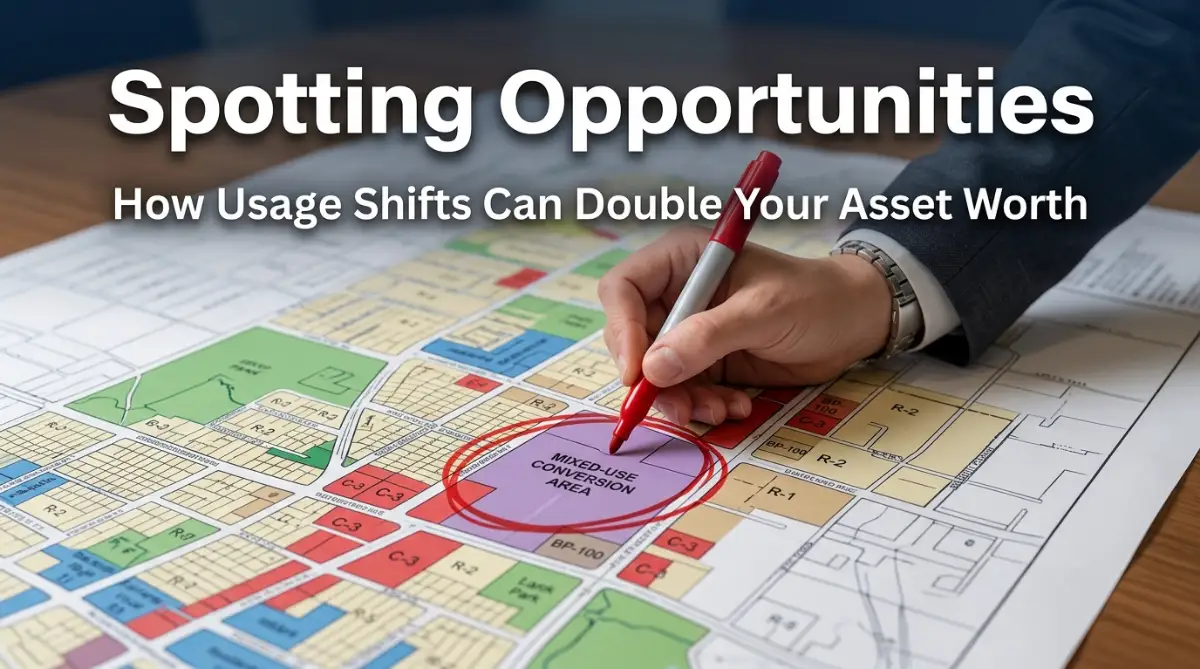
Density is the heartbeat of commercial value. When a city increases the allowable density (the number of units or square footage you can build), they are effectively printing money for land owners. A property that allows for a two-story building is worth significantly less than one that allows for twenty stories.
Watch for floor-area-ratio (FAR) adjustments. This number dictates how much building you can cram onto a lot. A small change in FAR can turn a mediocre investment into a home run for developers.
Conversely, keep an eye out for "downzoning." This happens when a city decides to limit density, perhaps to preserve historic charm or reduce traffic. If you own property in a downzoned area, your development potential just shrank, and with it, your property value.
Identifying High-Growth Corridors
The best way to protect yourself is to be proactive about information. Cities don't change zoning laws on a whim. They do it because of infrastructure improvements, like new subway lines, highway exits, or public parks.
When you see a city spending millions on new infrastructure, zoning changes are almost certain to follow. You should be looking for these signs. If a new transit hub is planned three blocks away, zoning will likely shift to support higher foot traffic.
Pro Tip: I make it a point to attend at least one city planning commission meeting every quarter, even if I don't have a direct project at stake. I have learned more in those back-row seats about future property values than I have from any real estate app. You hear the gossip, you see the plans before they are official, and you start to understand the mindset of the people who hold the keys to your financial future.
[Watch this guide on how to track municipal planning updates to ensure you never get blindsided by a zoning change again.]
How to Evaluate Changes Without a Lawyer
You do not need a law degree to understand the basics of zoning, but you do need to be meticulous. Start by pulling your current zoning classification from your county’s online portal. Then, compare it to the current city master plan map.
Look for gaps in the logic. Is there a commercial strip surrounded by residential zones? That property is likely a target for rezoning in the future. The city wants consistency, so they will often adjust the outliers to match the surroundings.
If you are confused by the technical jargon, call the planning department directly. Most clerks are happy to explain what a specific code means. Don't be afraid to ask, "What are the long-term goals for this specific block?"
The Impact on Financing and Taxes
When zoning changes, your property taxes often follow. If your land is rezoned for a more profitable use, the tax assessor will likely increase your valuation. This can be a double-edged sword.
On one hand, your net worth goes up. On the other hand, your operating costs might spike. You must plan for this. A zoning upgrade is a win, but it is not a free lunch. You need to ensure your cash flow can handle the tax hike.
Additionally, lenders look at zoning when issuing loans. If you are trying to refinance a building that is now "non-conforming"—meaning it doesn't meet the new rules—you might have trouble. Banks dislike non-conforming status because it limits the future utility of the asset.
Understanding Non-Conforming (Grandfathered) Uses
What happens if the city changes the rules and your building no longer fits? This is a "non-conforming use." Generally, you are allowed to keep using the building as is, but you face severe restrictions on renovations.
If you try to expand or rebuild, you might be forced to comply with the new zoning rules. This can make an old building effectively obsolete. You need to know if your property is "grandfathered in" and exactly what that means for your ability to upgrade the site.
This is why I always check the specific "amortization" rules for non-conforming uses. Some cities have time limits on how long you can maintain a non-conforming use before you are forced to shut down or renovate. Do not ignore these details.
The Psychology of Municipal Decisions
City councils are political bodies. They respond to pressure from constituents, environmental groups, and developers. When you track zoning, don't just track the law; track the politics.
If the neighborhood is demanding more green space, expect zoning to favor parks or low-density layouts. If the city is desperate for tax revenue, expect them to push for high-density retail and office space. Understanding the motivation behind the change helps you predict the change.
Use this information to your advantage. If you know the city needs more housing, and you own a commercial site that could hold apartments, you have leverage. You can petition for a rezoning that benefits both you and the city.
Mitigating Risk in Volatile Markets
Risk is inherent in commercial real estate. When zoning is up for debate, the uncertainty can make it difficult to sell or refinance. During these times, focus on maintaining your property’s current profitability.
If the zoning battle is likely to drag on for years, don't build your entire strategy around the potential win. Treat the "bonus value" of rezoning as an upside, not a guarantee. You should also consider reading up on how to build wealth through smart dividend investing to diversify your income away from pure real estate.
Diversification helps you weather the periods where zoning gridlock stalls your progress. Keep your income streams broad. This way, if a planning committee rejects your proposal, your financial stability remains intact.
The Difference Between "By-Right" and Discretionary Zoning
"By-right" zoning means you can build what is allowed without needing special permission. This is the gold standard for predictability. If you see a lot that is "by-right" for commercial, you know what you are getting.
"Discretionary" zoning means you need approval from the city council or a planning board. This involves public hearings, community pushback, and a high risk of rejection. When looking at property, always check which category the site falls into.
Discretionary projects often carry a higher reward because they are riskier, but they take more time and money to navigate. Make sure you have the capital and the patience to survive the approval process. Never enter a discretionary deal thinking it will be a quick approval.
Analyzing Competitor Movements
If you see big developers moving into a neighborhood, they know something you don't. Developers don't buy land by accident. They have teams of researchers looking at zoning, utility capacity, and growth projections.
Keep an eye on the building permits in your area. If a major developer gets a variance for a project nearby, it is a signal. The city is becoming more flexible with the zoning rules in that area.
You might be able to follow their lead. If they got a variance, perhaps you can too. Use their success as a blueprint for your own applications.
Practical Steps to Protect Your Bottom Line
First, review your current zoning status every year. Don't wait for a letter to arrive. Check the city website and see if there are any pending proposals for your street.
Second, engage with your neighborhood association. These groups often have the most influence on zoning decisions. If they support your vision, the city council is much more likely to listen.
Third, maintain strong financial records. If you ever need to argue for a variance or a rezoning, you need to show the city how your project contributes to the community. Data is your best argument.
Final Thoughts on Zoning Strategy
The impact of zoning on your commercial property value is absolute. It is the invisible hand that determines whether your asset grows or stagnates. You don't have to be a city planner to succeed, but you do have to be observant.
Watch the trends, listen to the politics, and respect the regulations. When you treat zoning as part of your business strategy, you stop being a victim of city decisions and start being a partner in the growth of your area. That is how you secure long-term value.
It is a lot of work, and sometimes it feels like a chess game where the board keeps changing. But that is the nature of the business. Those who are willing to do the research are the ones who come out ahead.
Stay vigilant and keep your eyes on the long-term potential. Your property is a vessel, and the zoning laws are the current—make sure you are sailing in the right direction.
Strategic Moves for Zoning Success
To get ahead in commercial real estate, you have to move past basic observation. You need a strategy that turns potential regulatory shifts into personal gains. The best investors do not just react to zoning updates; they position their assets to benefit from the inevitable evolution of city planning.
One high-level secret is mastering the art of the "Variance." A variance is a legal permission to deviate from specific zoning requirements. If your property is just slightly too small or your building is a few feet too tall for the new rules, you can apply for this relief.
Many owners give up too early because they hear "no" from a desk clerk. They fail to realize that planning boards are often willing to work with you if your project solves a city problem. If your building provides needed parking or public space, you gain leverage.
You should also look into "Overlay Districts." These are special zones laid over existing ones that introduce additional rules or incentives. An overlay might encourage historic preservation or allow for higher density in exchange for LEED-certified construction.
If you understand how these overlays work, you can often unlock value that other investors don't even know exists. I learned early on that reading the fine print of these overlays often revealed hidden development rights. This is how I turned a small plot into a much larger, more profitable project than my neighbors thought possible.
It is smart to remember that you should balance these high-stakes real estate moves with stable income options. If you are waiting on a zoning board to decide your fate, you might want to look at how to build wealth through smart dividend investing to keep your cash flow positive regardless of what happens with your property.
Building Relationships with Planning Staff
The most undervalued asset in your portfolio is your relationship with city planners. These are the people writing the reports that council members eventually vote on. Treat them as consultants, not as adversaries.
Go to their office with a genuine desire to learn. Ask questions like, "What does the city really want to see in this district?" and "How can my property contribute to the long-term master plan?"
When you show that you care about the neighborhood’s success, you get different information. You might find out about a pending zoning change months before it is public. That head start is worth more than any fancy software or market report.
You should also check out resources from the American Planning Association to understand how professional planners think. Getting inside their heads helps you speak their language during meetings.
The Art of the "Highest and Best Use" Pivot
Sometimes, the market shifts, and your current tenant type is no longer the most profitable path. If zoning allows, consider pivoting your property’s usage. A warehouse that is failing might become a highly profitable creative office space or a cloud kitchen hub.
You need to run the numbers on these pivots carefully. This is similar to how you would manage other financial risks. If you are dealing with complex insurance or renovation issues during a pivot, you should read why home insurance companies deny claims and how to stay protected.
Never assume that a change in zoning automatically makes a new use profitable. You have to account for construction costs, permitting delays, and the time it takes to find new tenants. Do your math before you commit to the rezoning process.
Positioning for Long-Term Appreciation
The goal of watching zoning is not just to flip a property. It is to hold an asset that the city is forcing to become more valuable. If you know the city is planning to rezone a district for mixed-use, buy property there and hold it.
You are betting on the "infrastructure premium." As the city improves the streets, lighting, and amenities to match the new zoning, your property value rises. This is passive appreciation at its finest.
If you ever feel stressed during the waiting game, try to stay calm and invest wisely during market volatility. Zoning changes are slow, but they are incredibly powerful forces over a decade. Patience is your greatest tool.
Aligning with Urban Development Trends
Keep a close watch on how the city handles "Density Bonuses." These are incentives where they let you build more square footage if you include affordable housing or green infrastructure. This is a massive opportunity for smart commercial owners.
If you can include these features in your renovation, you can increase your leasable area without buying more land. It is a way to get more bang for your buck. Always ask a developer or an architect if your site is eligible for these density bonuses.
The Dangers of Misinterpreting Zoning Codes
The biggest disaster I have witnessed in this business is an investor buying land based on "whispers" at a bar. They heard the city was going to rezone the area for high-rise condos, so they paid top dollar. Three years later, the zoning remains exactly the same, and they are holding a tax bill they cannot afford.
Never invest based on speculation about zoning. Invest based on current facts, with potential zoning upside as a "cherry on top." If you cannot make money with the current zoning, do not buy it.
Another major pitfall is ignoring "Conditional Use Permits." Even if a zone allows a type of business, you might need a permit that expires or requires yearly review. If you build your business model around that permit and it gets revoked, you lose everything.
The Community Opposition Trap
Community opposition, often called NIMBYism (Not In My Backyard), can destroy even the best zoning application. If the neighborhood hates your project, the city council will likely vote against it to keep their voters happy. Never assume you can win a fight against the locals.
Instead, go to the neighborhood meetings first. Present your project, listen to their concerns, and try to adjust your plans to solve their problems. If you can get the neighborhood association on your side, the city planning board becomes much easier to deal with.
If you go in with a "this is my property and I can do what I want" attitude, you will lose. I learned this the hard way on a project where I ignored the neighbors. They packed the city council meeting and successfully lobbied to deny my permit.
Forgetting the "Grandfathering" Deadline
If you have a non-conforming property, you need to understand the exact expiration date for that status. Some cities say that if you stop using the property for six months, you lose your grandfathered rights. Others have multi-year windows.
If you are renovating, make sure you don't accidentally void your non-conforming status by changing too much of the structure. I have seen owners strip a building down to the studs only to find out they lost their legal right to operate that business type. Check with the city building department before you swing a hammer.
Over-Leveraging Based on Future Value
Do not borrow money based on what the property might be worth after a rezoning. Borrow based on the current income. Zoning is political, and politics is unpredictable.
If your zoning application fails, and you are over-leveraged, you might be forced to sell at a loss. Keep your debt service manageable based on the current, boring reality of the site. When the zoning change eventually happens, that is when you can refinance and pull out your equity.
It is much safer to understand the gap how deductibles and out of pocket limits work in your insurance policies before you start major projects, so you don't face unexpected financial drains. Managing your cash flow is more important than chasing speculative zoning gains.
Neglecting Property Upgrades During the Wait
Some owners think, "Why fix the roof if I am going to redevelop in two years?" This is a mistake. You still need to maintain the property to keep your tenants and your cash flow.
A dilapidated building will never get approved for a fancy rezoning. If the city sees you letting your property rot, they will not trust you to build something better. Keep the building clean, painted, and safe.
This is true even if you are planning to add modern features like solar panels. Check out why professional solar placement matters more than you think before you install them, because the city might have specific zoning rules for how they must look from the street.
Failing to Verify Utility Capacity
A rezoning approval doesn't mean your project will actually work. If you successfully get your land rezoned for 50 apartments, but the local sewer lines can only handle 10, you are stuck. The city might require you to pay for the upgrade to the infrastructure.
That cost can be millions of dollars. Always have an engineer check the capacity of the water, sewer, and electrical lines before you lobby for a zoning change. I made the mistake of skipping this step once, and the utility upgrade fee nearly killed the project's return.
Your Roadmap to Mastering Zoning Changes
Zoning is not a static set of rules; it is a living, breathing guide to how our cities grow. By staying informed, engaging with the community, and understanding the long-term goals of your municipality, you turn uncertainty into opportunity.
Start by visiting your local planning department website this week. Read the master plan for your district. Even if you do nothing else, just knowing the "vibe" of the city’s vision puts you ahead of 90% of other property owners.
Remember, commercial real estate is a relationship-heavy business. The more you know the people who manage these rules, the smoother your journey will be. Stay patient, stay ethical, and keep looking for the next shift in the market.
My personal advice? Don't stress if the zoning doesn't change exactly when you want it to. I have found that the best deals are the ones you have to wait for, because the patience filters out the impatient money. Just keep your property productive, watch the trends, and be ready to move when the time is right.
Common Questions About Zoning Changes
How do I find out if a zoning change is planned for my street?
You should regularly check your city’s planning department website for "Master Plan" updates or "Zoning Amendment" notices. Many cities also send out mailers to property owners within a certain radius, so keep your contact info updated with the tax assessor.
Can I fight a zoning change if I don't like it?
Yes, you can. You have the right to attend public hearings and voice your concerns. It is most effective if you organize with neighbors and present data, such as traffic studies or impact reports, to the planning commission.
Does a change in zoning mean my property taxes will go up immediately?
Not necessarily. Taxes are usually based on a periodic reassessment. However, if the zoning change makes your land significantly more valuable, you should prepare for a tax increase at the next assessment cycle.
What is a "Spot Zoning" and is it legal?
Spot zoning is when a city changes the zoning of a single parcel to allow something that doesn't fit the surrounding area. It is often challenged in court because it can be seen as unfair or discriminatory. Always consult a lawyer if you suspect your neighbor received an illegal spot zoning favor.
Is it worth hiring a zoning consultant?
If you are planning a large, complex project that requires variances or a major rezoning, yes. A consultant knows the local officials, understands the political landscape, and can handle the paperwork much faster than you could alone.
Disclaimer: The content provided here is for general information only and does not serve as legal, financial, or professional advice. Zoning laws are highly specific to your local jurisdiction. I strongly recommend that you consult with a qualified local attorney, urban planner, or licensed real estate professional before making any investment decisions or taking actions related to zoning or land use.