
When The "What-If" Suddenly Becomes Real
I remember the cold sweat on my forehead when the city official asked for the original survey document. I thought I had it. I spent three hours digging through a dusty, disorganized box in my garage, panic rising with every passing minute. That anxiety is something I never want to feel again. Your home is your sanctuary, but without the right papers, it can quickly become your biggest liability.
Most of us treat home ownership like a set-and-forget deal. We sign the papers, get the keys, and assume that's the end of the work. But the reality is much more complex. I learned the hard way that owning property is not just about having a roof over your head; it is about maintaining a massive paper trail that proves you actually own the ground you stand on.
The mental toll of not knowing where your records are is huge. It starts as a low-level hum of stress in the back of your mind. Then, you get a notice about a property line dispute with a neighbor. Or, you try to refinance and realize your tax records are a mess. Suddenly, you aren't just a homeowner anymore; you are a frantic investigator trying to reconstruct your own history.
This struggle isn't about being perfect; it is about being prepared. I have seen friends lose thousands of dollars in value simply because they couldn't produce a receipt for a major renovation. They had the beautiful kitchen, but they lacked the paperwork to prove it was a legal, permitted upgrade. That lack of documentation turned an asset into a headache.
You deserve to sleep well at night knowing your biggest investment is ironclad. It is not about hoarding paper; it is about having a clear, accessible history of your property. When you take control of your documentation, you stop being a victim of potential red tape. You become the owner who holds the power.
Building Your Fortress of Records
Protecting your property interests requires a shift in mindset. You are not just a resident; you are the guardian of an asset. The most dangerous assumption you can make is that "the bank has it" or "the city has it." They might, but they don't always have it correctly, and they certainly don't have it when you need it at 10 PM on a Sunday.
The Detective Work: Starting Your Inventory
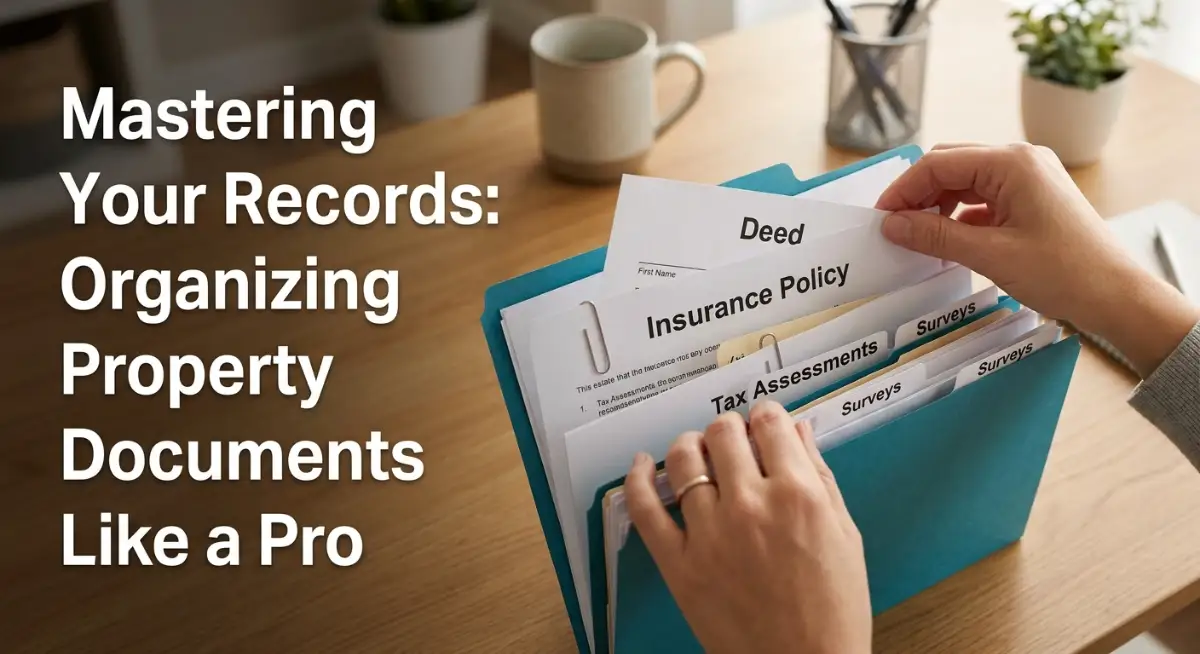
Before you can organize, you have to know what you own. Think of this as the audit phase of your home life. You need to gather every single piece of paper related to your property. This includes the original deed, the title insurance policy, property tax assessments, and utility records. Do not assume you have everything. Start by checking your files, then check your digital accounts.
If you find gaps, contact your local land registry office or your previous title company. They can often provide copies of official documents for a small fee. This process can be tedious, but it is the foundation of your protection. You are building a record of truth that will stand up in any legal or financial situation.
Organizing for Immediate Access
Once you have the documents, you need a system. I prefer a hybrid approach. Keep the original, "wet-ink" legal documents in a fireproof safe. These are your non-negotiables—deeds, wills, and original contracts. Everything else, like utility bills, permit applications, and maintenance receipts, should be digitized.
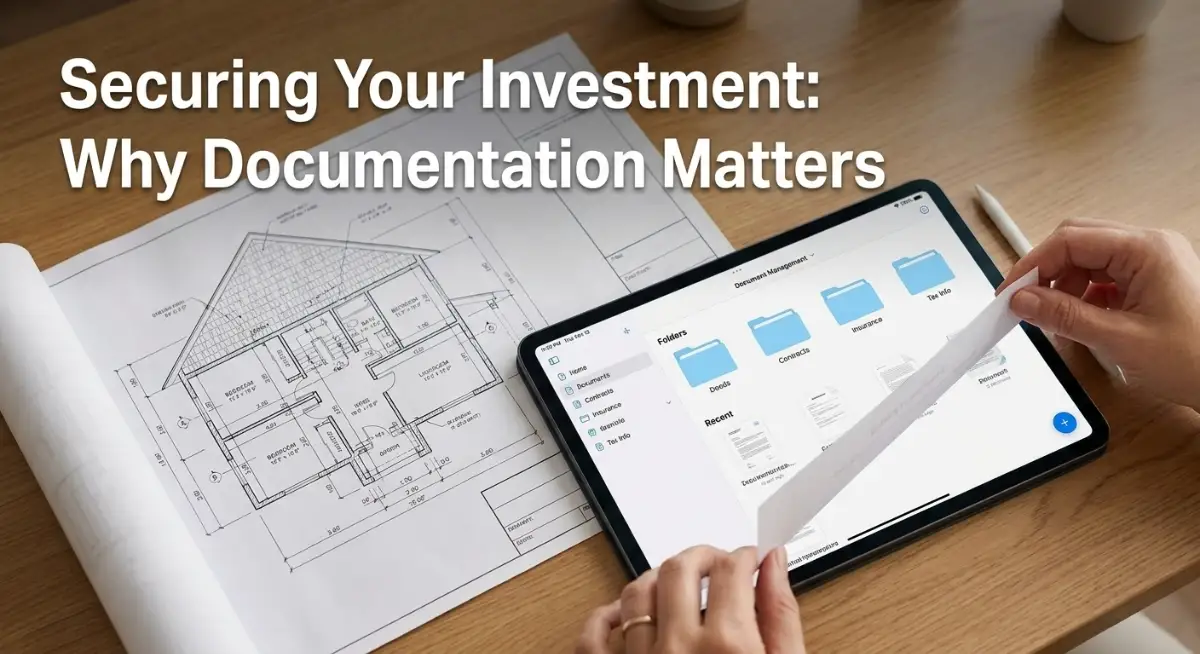
Use a scanner or a high-quality scanning app on your phone. Create folders on a secure cloud drive. Name them clearly: "Renovations," "Taxes," "Insurance," "Legal." When you need to prove an expense or a boundary line, you won't be digging through boxes. You will be searching a digital folder. This level of organization gives you peace of mind that no amount of money can buy.
The Maintenance Log: Your Silent Witness
Most homeowners neglect this, but it is one of the most powerful tools in your arsenal. Create a logbook for your home. Every time you fix a leaky faucet, repaint a wall, or upgrade the HVAC system, write it down. Attach the receipt. Take a "before" and "after" photo.
Why does this matter? If you ever decide to sell, this log is proof of your stewardship. It shows buyers that you cared for the property. If you ever have an insurance claim due to water damage, that maintenance record proves you were proactive. It turns a "he-said, she-said" situation into a matter of documented record.
Insurance: Reading the Fine Print
We all have insurance, but how many of us have read the policy? Protecting your property interests means understanding exactly what you are covered for. Is your policy for "actual cash value" or "replacement cost"? If you don't know the difference, you might be in for a shock during a disaster.
Keep a copy of your insurance policy in your digital "Property" folder. Once a year, review it. If you have made significant home improvements, call your agent and update your coverage. Documentation isn't just about what happened in the past; it is about ensuring you are protected for whatever happens tomorrow.
Pro Tip: I learned this the hard way during my first home sale. I had replaced the roof, but I couldn't find the warranty transfer document for the new buyers. I had to pay to get the roof re-inspected to prove its condition. My advice? Create a "Transfer File" when you do any big work. Keep the warranty and the contact info of the contractor in one envelope labeled "Next Owner." It makes your life easier, and it makes your home much more attractive to buyers.
[Watch this video to understand the nuances of how proper documentation can save you thousands during a property dispute.]
After watching the video, take a moment to write down your top three missing documents. Are you missing the original survey? Is your tax assessment from last year lost in a pile? Don't stress about the whole backlog. Just focus on finding those three things this week. Once you secure those, the rest will feel like a much smaller task.
The Digital Safeguard: Cybersecurity for Homeowners
In our current world, your property documents are digital assets. If someone gains access to your property tax info or your mortgage details, they can cause a lot of damage. Secure your digital storage. Use two-factor authentication on any cloud service where you keep your property records.
Do not send sensitive property documents over public Wi-Fi or email without encryption. Treat your property records like your bank account information. Because, in many ways, they are. Your home is likely your largest financial asset; protecting the information about the home is just as important as locking the front door.
The Neighborhood Watch: Dealing with Boundaries
Property documentation isn't just about what is inside your walls. It is about the dirt outside them. If you have any reason to believe there is a dispute regarding property lines, get a survey. Don't rely on a "gentleman's agreement" with your neighbor. People move, sell, and change their minds.
A property survey is a legal document. It provides a definitive answer to where your land ends and your neighbor's begins. Keep this document in your fireproof safe. It is the first line of defense if someone tries to build a fence, a shed, or a driveway on your land. It prevents years of potential legal battles.
Why You Should Never Shred "Old" Records
People often ask me, "How long should I keep receipts for home improvements?" The answer is simple: keep them until you sell the house. Even if it was ten years ago, that renovation might be relevant for tax purposes, specifically for capital gains calculations.
The IRS—or your local tax authority—needs proof of your cost basis. If you don't have the receipts, you might end up paying more in taxes when you sell than you actually need to. Documenting your expenses saves you money. It turns simple paper into literal cash.
The Estate Planning Connection
Your property records are a critical part of your legacy. If something happens to you, will your family know where the deed is? Will they know how to access the utility accounts? Part of protecting your property interests is ensuring that your loved ones can step in without a nightmare of paperwork.
Create a "Home Information Sheet." Include the location of the deed, the insurance agent's contact info, the utility account numbers, and the location of the safe key. This one document can be the most valuable thing you leave behind. It turns a time of potential chaos into a manageable process for your heirs.
Staying Consistent: The Annual Audit
Documentation is not a one-time project. It is a habit. Schedule a "Home Audit" once a year. Maybe do it in the spring or when you file your taxes. Pull out your files, update your maintenance log, and make sure your digital backups are synced.
This habit takes less than an hour, but it saves you hundreds of hours of potential stress down the road. It ensures that you are always ready for a sale, an insurance claim, or a tax audit. When you treat your documentation with respect, your property feels more secure. You gain the confidence that comes from knowing exactly where you stand.
Strategies for Long-Term Asset Security
Maintaining your property documentation isn't just a chore; it is an active strategy to keep your investment safe. You need to move beyond simple filing and start thinking about redundancy and accessibility. If your home office flooded tomorrow, would your title deed survive? If the answer is no, you are leaving your financial future to luck.
Creating a Fail-Safe Digital Ecosystem
The most effective strategy is a "dual-layer" storage system. Keep your physical documents in a fireproof, waterproof safe. Simultaneously, maintain a highly encrypted digital backup on a cloud platform that supports two-factor authentication. Never rely on a single hard drive or a local computer folder.
If you are dealing with complex property issues, sometimes understanding the nuances of your financial landscape is necessary. If you have questions about how liability works, reading about why home insurance companies deny claims and how to stay protected can give you a better idea of what documents you might need to keep on hand. This proactive approach turns your file cabinet into a defensive shield.
Tracking Changes That Impact Value
Your property does not exist in a vacuum. Neighborhoods evolve, and so do local laws. You must keep track of deciphering zoning changes and how they impact property value because these adjustments can drastically change your rights as an owner. If the city reclassifies your area, your old permit documents might suddenly become your most valuable evidence.
Always keep a "Planning & Zoning" folder in your archive. When you hear about town meetings or proposed developments near your land, print out the meeting minutes or public notices. You are building a case for your property’s future utility. This level of diligence makes you the most informed person on your block.
The Power of Third-Party Verification
Sometimes, you need proof that goes beyond your own receipts. If you ever have a major repair, request a signed statement of completion from the contractor. Ask for their license number and ensure it is documented on the invoice. This extra layer of paper creates a trail that is difficult to dispute.
If you ever run into a situation where your property value is questioned, having a professional appraisal from the time of purchase or a significant renovation is priceless. For those who skipped this step initially, it is worth looking into the real cost of buying a house without an inspection to understand why catching these details early changes everything. Real estate is ultimately a game of "who can prove it," and the person with the best paper trail wins.
Mastering the Art of Periodic Review
Set a recurring reminder on your calendar for a "Property Document Review." I do this every year when I prepare my tax filings. I pull out my folder, check if any warranties have expired, and scan any new receipts I collected during the year. This prevents the "document mountain" from forming in the first place.
When you manage your records in small, monthly or yearly chunks, the stress disappears. You aren't scrambling for a document when a crisis happens; you are calmly pulling it from a pre-labeled file. This calm readiness is the hallmark of a savvy property owner.
The Hidden Costs of Poor Documentation
I have seen homeowners lose thousands of dollars simply because they were disorganized. They assumed their memory would suffice when a tax auditor came knocking or when a buyer asked about an old renovation. Memory is not a legal record, and relying on it can cost you dearly.
The Trap of Verbal Agreements
One of the most dangerous things you can do is rely on a verbal promise from a contractor, a neighbor, or even a landlord. If you pay someone to fix your roof, and you don't get a written contract or a clear scope of work, you have no leverage if the job goes wrong. You are essentially gambling with your equity.
If you find yourself in a messy situation, especially regarding assets, reading about breaking down legal separation and divorce and what you must know can illustrate how documentation becomes the deciding factor in ownership disputes. When things get heated, the person with the signed paper is almost always the one who comes out on top.
Ignoring the "Minor" Details
We often think the big stuff like the deed matters, but we ignore the "minor" paperwork. We toss out utility bills, ignore permit approvals for decks, and lose track of property tax receipts. These documents are often the "glue" that holds your property history together.
During an audit, the IRS or a local tax collector won't care about your stories. They care about the paper. If you can't prove a deduction, you lose it. If you can't prove a permit was pulled for a new garage, a buyer might ask you to tear it down or drop your price significantly. These "minor" things are actually major barriers to a smooth transaction.
The Perils of Inaccessible Storage
I knew someone who kept their house deed in a safety deposit box at a bank that was three towns away. When they needed it for an emergency refinancing, the bank was closed for the holiday weekend. They missed their interest rate lock window because they couldn't access their own property proof.
Make sure your most important documents are accessible to you, not just secure. If you use a safe, choose one you can open quickly. If you use a digital vault, ensure your spouse or a trusted family member has the emergency access codes. Accessibility is just as important as security.
Disregarding Boundary Disputes
Most of us assume our neighbors are great people. But what happens if they move and the new neighbor decides your fence is two feet over the line? If you don't have your survey document handy, you are looking at a survey cost that could run into the hundreds or thousands.
Without that paper, you are fighting an uphill battle based on opinion. With the paper, the conversation ends before it even begins. Never assume that "everyone knows" where the line is. Prove it with the documents you have stored.
Your Path to Total Property Confidence
You are now equipped with the mindset and the tools to take control of your property records. This isn't just about filing paper; it is about protecting the life you have built within your walls. By taking these steps, you are actively increasing the value and the security of your home.
A Simple Plan for Tomorrow
You don't need to reorganize your entire life in one day. Start with the "Rule of Three." Find three missing documents this week. Maybe it's that old deed, your property tax assessment, or a missing permit. Once you find them, create a designated spot for them.
The goal is progress, not perfection. Every document you find and file is one less headache for your future self. You are building a system that will serve you for decades, not just for the next month. Take a deep breath and start with that single folder.
A Word from the Expert
I spent years feeling overwhelmed by my own paperwork until I realized it was my greatest asset. My journey taught me that owning property is a responsibility, and documentation is simply how you fulfill that duty. Once I got my files in order, the anxiety melted away, and I felt like a true owner rather than just a tenant of the bank. Please, start your organization today because your peace of mind is worth every second of the effort.
Common Questions About Property Documentation
What happens if I lose my property deed?
Do not panic, but act immediately. You can contact your county’s recorder or land registry office to request a certified copy of your deed. They charge a small fee, but it is a relatively simple process to replace it.
Do I need to keep utility bills forever?
No, you don't need to keep them for a lifetime. Keep them for about three to seven years, or as long as they are needed for tax deductions or to prove your home's energy efficiency for potential buyers. Digitize them if you want to save space.
Is digital documentation legally binding?
In most cases, yes, especially for things like receipts and maintenance logs. However, for original legal documents like deeds or titles, you should always keep the physical, "wet-ink" original in a secure location. Use digital copies for your day-to-day reference and physical copies for the final word.
How often should I check my property boundaries?
You don't need to check them often unless you are planning construction or see a dispute arising. However, having a survey on file is enough. If you don't have one, it is a smart move to order one if you feel your boundaries are uncertain.
Should I hire a lawyer to organize my documents?
For most home ownership documentation, you can do this yourself with a bit of research. If you are dealing with complex inheritance, boundary lawsuits, or title issues, then a real estate attorney is absolutely the right choice. Use your own organization skills for the basics and professional help for the legal complexities.
Disclaimer: This content is for informational purposes only and does not constitute professional legal, financial, or real estate advice. Real estate laws and property regulations vary significantly by location and specific circumstances. You should consult with a qualified real estate attorney or a local property expert before making significant decisions regarding your property rights or legal documentation. I am not responsible for any outcomes resulting from the implementation of these suggestions.