The Frustrating Guessing Game of Property Values
Ever walked past a house or a street and thought, "This place looks boring," only to find out months later it’s become the most expensive area in town? You aren't alone. Most people miss the growth signs because they are looking at the price tag instead of the neighborhood's pulse. Here is how you can spot the next big trend before the rest of the market catches up.
It’s a struggle we’ve all dealt with. You look at a property listing, you look at the price, and you try to guess if it’s going to grow or if it’s going to sit there like a brick. The fear of making the wrong move keeps many of us paralyzed. You don’t want to buy a home that loses value, and you certainly don’t want to miss the boat on a rising area. The mental toll of "what if" is heavy. It keeps you awake at night, checking websites, looking at charts, and feeling like everyone else has a secret manual that you never got.
You aren't alone in this. Almost everyone feels this pressure when they think about real estate. You worry that you lack the insider knowledge. You think you need a degree in economics just to understand where to put your hard-earned money. It feels like the market is a locked room, and you are standing outside without a key. This sense of doubt is exactly what makes so many people stay on the sidelines, waiting for a "sure thing" that never actually comes.
But here is the truth: real estate isn't magic. It isn't just for the ultra-wealthy or the people with inside connections. It is about paying attention to the world around you. You don't need fancy software or a team of analysts. You just need to change how you look at the streets you walk through every day. Once you learn to spot the subtle indicators, the "guessing" stops. You start making choices based on data that you can see with your own eyes. It brings a level of peace that is hard to describe. You stop chasing rumors and start following the path of growth.
Watching the "Coffee Shop" Index
When I want to see if an area is about to change, I don't look at price charts first. I go grab a coffee. No, really. I head to the local cafes and diners. It sounds simple, but pay attention to the vibe. Are the cafes packed on a Tuesday morning? Are people working on laptops, having business meetings, or just hanging out? A neighborhood that is "waking up" always starts with the coffee scene. If you see people staying longer and spending more, it means disposable income is moving into that area.
The "Neighborhood Potential" Checklist (Score it 1-5)
- Coffee Shop Activity: Are people working on laptops or just grabbing a quick drink? (High activity = Growth).
- Renovation Frequency: How many houses on the street have new roofs or siding?
- Transit/Access: Is there a public transport expansion plan in the next 2-3 years?
- School Parking: Is the lot expanding? (More kids = Long-term families moving in).
Why this works: Coffee shops act as a barometer for the local demographic. When a local bakery suddenly starts serving high-end avocado toast or premium cold brews, they are targeting a specific customer. They aren't doing that by accident. They have done their market research. They know that people with money are moving into the neighborhood. You are basically piggybacking on their investment. If the coffee shops are upgrading, the housing prices are usually next in line.
Look for the "spillover" effect. If the main street in the city is getting too expensive, where do those young professionals go? They go to the next neighborhood over. If that neighborhood has a solid foundation—like good bones for buildings and decent roads—it is prime for a shift. Watch where the "cool" brands go. When you see a popular local boutique or a craft brewery open a branch in a previously boring part of town, take note. That is a massive signal. They have analyzed the foot traffic. You should follow their lead.
The Power of the "For Sale" Sign Density
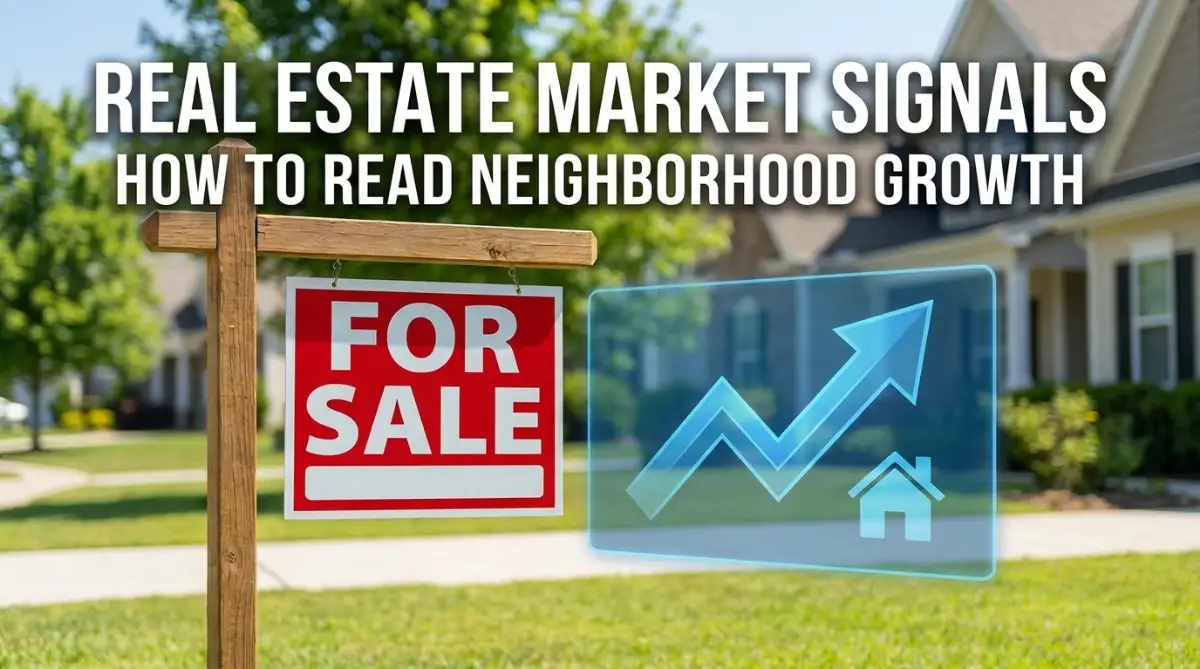
Another thing I watch closely is the turnover rate. Drive through the neighborhood you are interested in. Count the "For Sale" signs. But do it properly. Don’t just look at how many there are; look at how long they stay there. If you see signs popping up and disappearing within a week, that is a hot market. It means demand is high and inventory is low. This is a very basic sign, but many people ignore it. They see a lot of signs and get scared. They think, "Oh, everyone is leaving."
Actually, the opposite might be true. It could mean that the neighborhood is changing hands quickly. People are flipping, upgrading, or selling to newcomers who are ready to renovate. A high turnover of homes can indicate a period of transition. If you see houses being sold, and then six months later you see dumpsters in the driveways and renovation crews, that is the "Active Renovation" sign.
Renovations are the heartbeat of an emerging market. When people start pouring money into the exteriors of their homes—new roofs, fresh paint, modern windows—it’s a sign of confidence. Homeowners don't spend thousands on a new exterior if they think their property value is going to tank. They are investing because they see a future. When you see a street where five out of ten houses have a contractor's truck parked outside, you have found an emerging trend.
The Secret Language of Permits
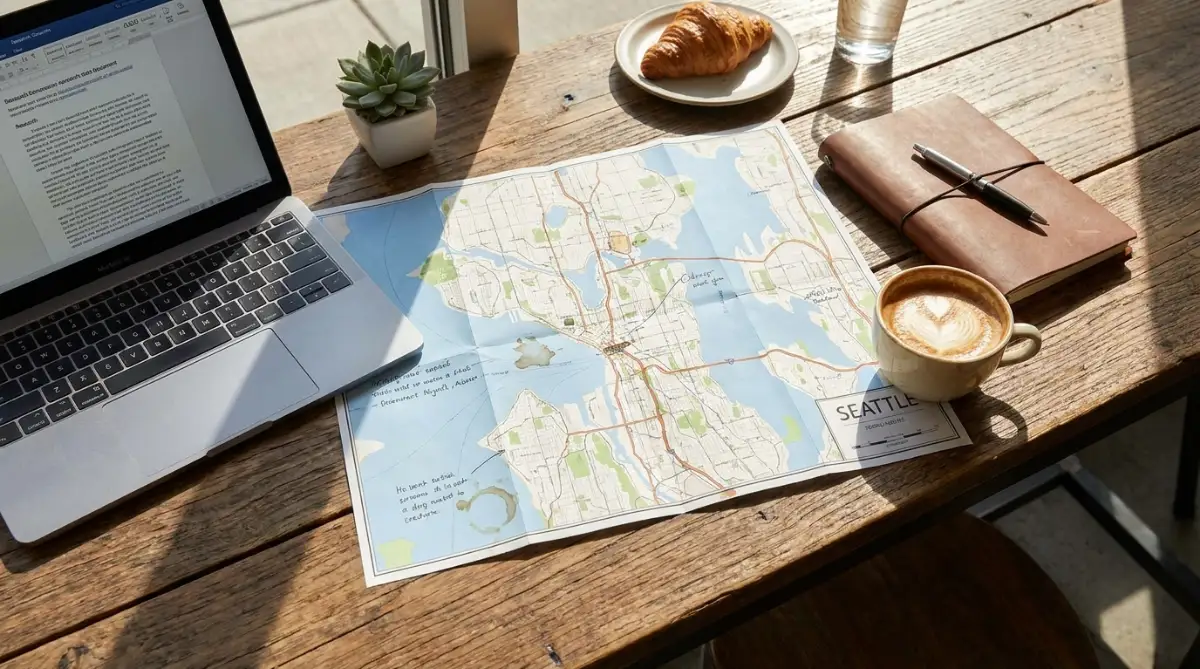
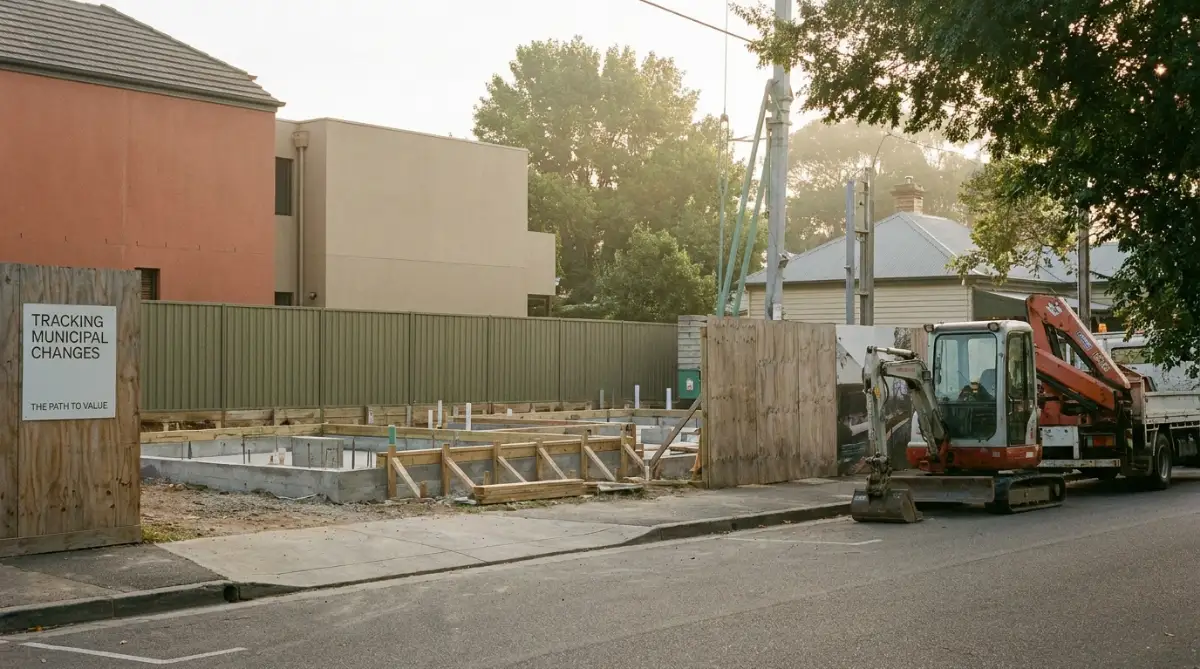
This is my favorite "insider" trick that is actually public knowledge. Most cities have a website where you can look up building permits. You don't need a login; it’s usually just a public database. Search for your target neighborhood. What are people building? Are they just fixing leaks? Or are they doing massive expansions, second-story additions, and garage conversions?
Large permits are a huge indicator of long-term belief in the area. When a homeowner decides to build a massive extension, they are committing to living there for a decade or more. They are putting down roots. This stabilizes the neighborhood and boosts the overall value for everyone else. It’s like a domino effect. One big renovation makes the neighbor’s house look a bit outdated, so they decide to paint. Then the next neighbor fixes their lawn. Suddenly, the whole street looks different.
Pro Tip: My Realization
I once spent weeks trying to predict market movements by reading news articles. It was a waste of time. The news is usually months behind. I realized that if I checked the local municipal meeting minutes—those boring documents that list zoning changes—I could see the growth before the news reported it. I started looking for simple items like "rezoning for commercial use" or "new park development." These small administrative updates told me exactly where the city was planning to spend its money. And where the city spends money, property values eventually follow.
Why Infrastructure Changes Matter
If you want to know where the growth is, follow the pavement. Look for road repairs, new bike lanes, and expanded public transit. Municipalities don't just fix roads because they want to. They do it because they know an area is getting busier. When you see a sudden focus on infrastructure, it is a clear sign that the local government is preparing for higher density.
Think about public transit. If there is talk of a new train station or a bus line expansion in a specific area, that is an automatic value-add. People want to live where they can get to work easily. If you can identify an area that is currently a "commuter headache" but has plans for a new transit route, you are looking at a future boom. It’s simple math. Convenience equals demand. Demand equals higher property values.
Don't ignore the parks, either. I know it sounds like a small thing, but a well-maintained park is a magnet for families. When I see a city investing in new playground equipment, walking trails, or better lighting in local parks, I pay attention. It signals that they are trying to attract a specific type of resident—usually young families. And young families are the bedrock of a stable, long-term housing market.
The "School District" Signal
Even if you don't have kids, the school district matters. Schools are one of the biggest drivers of property value. You don't need to look at the grades to know if a school is getting better. Look at the parking lot. Is it being expanded? Are they adding new portables or building a new wing? A school that is physically growing is a school that is dealing with increased enrollment.
Increased enrollment means more families are moving in. And families stay for a long time. They care about the community. They volunteer, they shop locally, and they push for better services. This creates a cycle of improvement. If you find a neighborhood where the school is expanding, you are likely looking at a place that will see consistent growth over the next five to ten years. It’s a very safe bet.
Assessing the Local Business Mix
Walk down the main shopping street. What do you see? If it’s all pawn shops, check-cashing stores, and empty windows, the area is struggling. But if you see a mix of services—a yoga studio, a vet clinic, a specialty grocery store, and a coffee shop—that is a healthy ecosystem. This is called the "Services Mix."
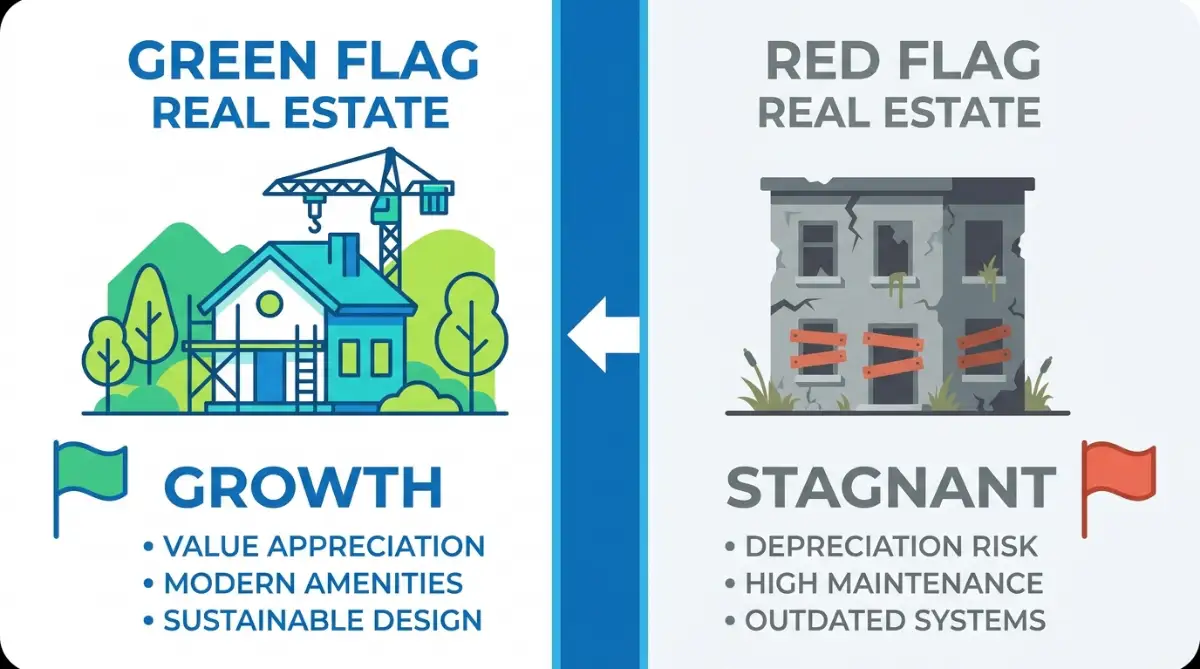
Quick Reference: Market Red Flags vs. Green Flags
| Feature | Red Flag (Avoid) | Green Flag (Look Closer) |
| Pawn Shops | Clustered main street | High-end/Service based (Yoga/Vet) |
| Rentals | Stagnant or dropping prices | Rapidly increasing prices |
| Maintenance | Deferred, peeling paint | Fresh renovations/Construction |
| Public Land | Zero development plans | New park or transit upgrades |
It tells you that the people living there have needs beyond just basic survival. They have pets that need a vet. They have time to do yoga. They have money to spend on gourmet groceries. When a business opens, they are betting their own money that their customers are there. You should trust that bet. If you see a cluster of service-based businesses, it means the population has the income to support them.
Analyzing the Rental Market
Sometimes, I look at rental listings to gauge a neighborhood. Even if I’m looking to buy, rental prices give me a clue about what people are willing to pay to live there. If rent prices in an area are rising faster than the city average, it means people are fighting to get in. It means supply is tight.
If you can find an area where the rent is rising, but the purchase prices haven't caught up yet, you might have found a gap. This usually happens when the "image" of the neighborhood lags behind the reality. Locals know it’s a great place, but the wider market hasn't caught on yet. That is your window of opportunity.
Thinking Like an Investor
You don't need to be a landlord to think like an investor. You just need to be observant. Stop looking for the "perfect" house that is already renovated and shiny. That house is priced at the top of the market. Look for the "good bones" house in a neighborhood that is showing the signs we discussed.
Check if the neighborhood has diverse housing types. Does it have apartments, single-family homes, and townhouses? A mix of housing types usually leads to a more resilient market. It brings in different income levels, which keeps the economy of the neighborhood stable. If a place is only one type of housing, it can be volatile if that specific sector has a downturn.
Why Sentiment Is a Leading Indicator
I always say that real estate is 50% math and 50% psychology. How do people feel about the neighborhood? You can gauge this easily. Just talk to the people who live there. Ask someone walking their dog, "How long have you lived here?" and "What’s the best part about this area?"
If people are complaining about how much the area has changed, or how they can't get a table at the restaurant, that is a good sign. It sounds like a negative, but it means the neighborhood is popular. It means it’s busy. You want to be in the place that everyone is talking about, even if they are complaining about the parking. Parking is easy to fix; popularity is hard to build.
The Importance of Patience
I know we want instant results. We want to buy, hold for a year, and cash out. But real estate is not a day-trading game. It is a slow, steady climb. The indicators I mentioned—the coffee shops, the building permits, the school growth—these are slow-moving signals. They don't happen overnight.
You need to give these trends time to play out. If you see the signs, make your move, and then wait. Don't panic if the market stays flat for a few months. Real estate growth is measured in years, not weeks. Your goal is to identify a trajectory, get on board, and let the market do the work for you.
Your Next Steps
You have the tools now. You don't need to pay for expensive market reports or follow stock-market style advice for real estate. You have the ability to go out there, walk the streets, and see the reality with your own eyes. It’s empowering.
Start by picking three neighborhoods you are curious about. Spend a Saturday in each one. Drink the coffee, watch the traffic, look for the renovation permits, and talk to the locals. Compare what you see. You will quickly start to distinguish between a neighborhood that is dying and one that is just getting started.
Check out this video on how to research local property data easily:
If you want to master the art of identifying high-growth neighborhoods, watch this guide:
After watching, you will see exactly how to pull the public data I mentioned earlier. It will make your search so much easier. You’ll be able to filter out the noise and focus on the places that actually matter.
Why You Are in Control
At the end of the day, you are the one signing the contract. Nobody else is going to live in that house or pay that mortgage. That is why it is so important to trust your own research. When you do the work—when you walk the neighborhood, when you look at the permits, when you analyze the local businesses—you build conviction.
Conviction is what stops you from selling when things get bumpy. If you bought because some "expert" told you to, you’ll sell the moment they say it’s time. But if you bought because you saw the coffee shops getting busier and the school getting bigger, you will hold on. You will know why you are there.
This process isn't about finding a "get rich quick" scheme. It is about building a foundation. It is about ensuring that the place you call home, or the investment you make, is in a location that is naturally attracting growth. It is about aligning your life with the direction the world is moving.
Closing Thoughts on Your Journey
You don’t need to be a professional analyst to make smart real estate decisions. You just need to be a good observer. The world gives you all the clues you need if you are willing to slow down and look. The coffee shops, the construction crews, the school parking lots—they are all talking to you.
Start paying attention to these things. Turn off the noise from the financial news and start looking at the ground level. That is where the real opportunities are hidden. You have the power to make informed, confident choices. You have the ability to see the future of a neighborhood by simply looking at its present.
Go out there and start exploring. Walk the streets, observe the patterns, and trust your intuition. You are capable of identifying the next great neighborhood. It just takes a little bit of time and a curious mind. Good luck with your search. I know you will find something great if you stay consistent and observant. The market is waiting for you to see it clearly.
Mastering the Hidden Signals: Beyond the Basics
You have the foundation now. You know how to look at the coffee shops, the schools, and the construction crews. But if you really want to get ahead of the curve, you need to start thinking like a city planner. There are data points available for free that most people never bother to check. These signals often tell you where the growth is headed long before the real estate agents start printing their flyers.
The Zoning Map as Your Cheat Sheet
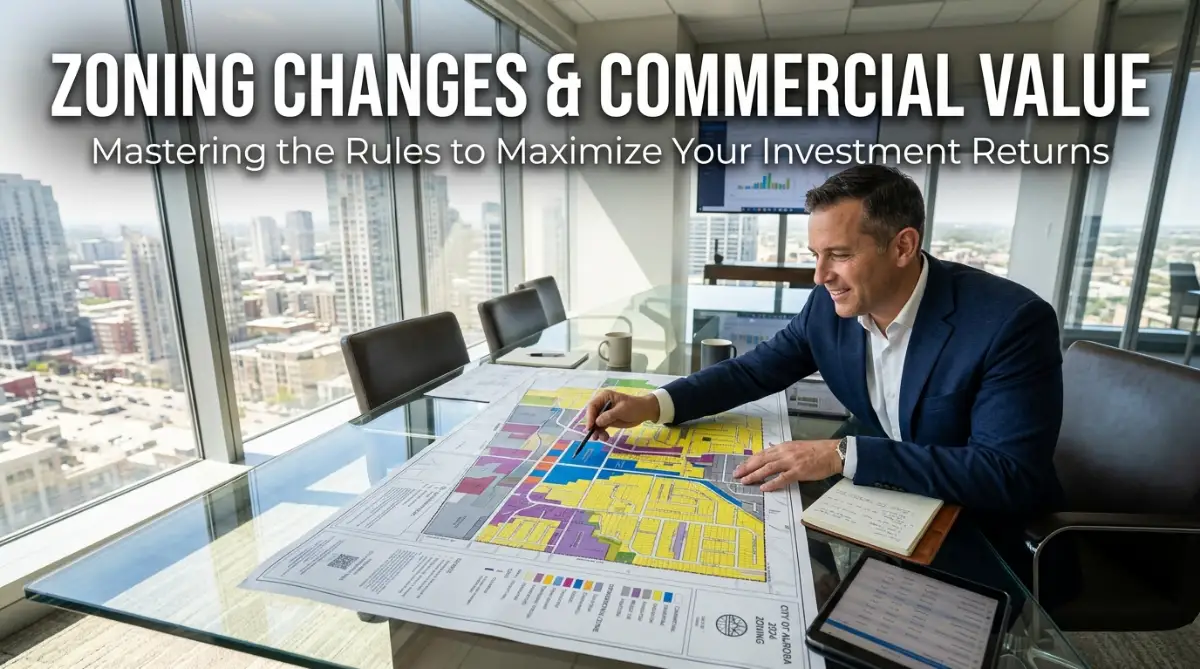
Most people think zoning maps are just dry documents for lawyers and builders. They couldn't be more wrong. A zoning map is actually a crystal ball for your neighborhood. If you go to your local city planning department website, you can pull up the maps that show land use. Look for areas marked for "Mixed-Use" or "Higher Density." When a city rezones a piece of land from single-family to commercial or multi-family, they are signaling a massive change.
They are preparing the infrastructure for more people and more businesses. You can find these public records on sites like the U.S. Department of Housing and Urban Development (HUD) or your local municipal planning portal. When you see this kind of shift, it isn't a guess anymore. It is government-backed development. If you want to understand how this fits into your wider financial picture, you might want to look into how to build wealth through smart dividend investing as a way to grow your assets alongside your property.
Watching Where the Big Money Goes
Keep an eye on commercial development, not just housing. Big retailers, hospitals, and tech companies do extensive research before they pick a location. They don't just throw a dart at a map. If you see a major healthcare provider building a new clinic or a large supermarket chain signing a lease, it is a sign that the local population density is projected to rise. They are betting on the people who will live there.
This is often more reliable than listening to hearsay. Sometimes, you can even use basic automation tools to set up Google Alerts for specific keywords like "new development" or "rezoning" in your target city. This way, you get the updates delivered to your inbox without having to hunt for them every day. It saves you hours of work and keeps you ahead of the rest of the market.
Protecting Your Long-Term Gains
Growth is great, but you have to protect what you buy. As you look at these emerging areas, always ask yourself about the long-term safety of the property. Are you in a flood zone? Is the area prone to other environmental risks? Smart investors don't just look for profit; they look for risk management. I always suggest that you look into why home insurance companies deny claims and how to stay protected before you even put in an offer. Knowing how insurance works helps you avoid properties that might be a nightmare to insure later.
Additionally, don't ignore the importance of small upgrades. While a new roof or modern HVAC system seems like a basic maintenance task, it can be a massive selling point. If you want to get creative, consider why professional solar placement matters more than you think when you are looking at potential renovations. It saves money in the long run and attracts the kind of buyers who care about efficiency and sustainability.
Traps That Can Sink Your Investment
It is easy to get caught up in the excitement of a "hot" neighborhood. But I have seen many people make choices they later regret. Most of these mistakes stem from emotion rather than logic. Let’s talk about how to stay grounded.
The Danger of Herd Mentality
When you see everyone rushing to buy in one specific area, your gut instinct is to join in. This is called the "Fear of Missing Out," or FOMO. Please, do not fall for it. Often, when a neighborhood is all over the news, the best deals are already gone. The prices have been bid up, and you are buying at the top of the cycle.
Think about the silent killers and unspoken reasons startups fail. It is usually because they lack a solid foundation. The same applies to property investment. If you are buying just because your neighbor did, you are not following a strategy. You are following a trend. Trends fade, but value is permanent. If you feel yourself getting anxious about "missing out," take a step back and learn how to stay calm and invest wisely during market volatility.
Forgetting the Total Cost of Ownership
I see people focus so much on the mortgage payment that they forget about everything else. Taxes, insurance, maintenance, and utility costs add up fast. Just because you can afford the monthly note doesn't mean you can afford the home. I have seen properties that looked like great deals but turned into money pits because of hidden deferred maintenance.
Always factor in a "cushion" for repairs. If you are buying an older home in an emerging area, expect to spend money to bring it up to modern standards. It is better to overestimate your costs than to be surprised by them later. An investment that drains your bank account every month is not a good investment, no matter how much the property value goes up on paper.
Overlooking the "Quiet" Neighborhoods
Sometimes, the best opportunities are in the places that are ignored. Everyone wants the "cool" street with the trendy bars. But what about the street two blocks over? It might be quieter, cheaper, and perfectly situated for the eventual expansion of that trendy area. Be willing to look where others aren't.
If you only chase the headlines, you will always pay a premium. If you chase the underlying data—like the rezoning permits and the infrastructure plans we talked about—you can find hidden gems. It takes more work to research these spots, but the payoff is usually much higher.
Your Path to Smart Property Ownership
You have all the ingredients for success now. You know how to look for the coffee shop indicators, how to read the zoning maps, and how to avoid the emotional traps that sink so many other buyers. This is not about getting lucky. This is about being informed.
Real estate is a game of patience and observation. It is not a race. You do not need to buy the first house you see. You have the permission to wait for the right one. Keep your eyes open, keep your research habits sharp, and trust the data you find.
I remember when I first started, I was terrified of making a mistake. I almost walked away from a great opportunity because I didn't trust my own research. I am so glad I took the time to verify the facts instead of listening to the panic. Now, it is your turn to take the lead. You are capable of making a choice that will set you up for a brighter future. Start today, stay observant, and trust your gut.
Common Questions About Identifying Property Trends
How do I know if a "up-and-coming" neighborhood is actually growing or just a fad?
Look for "hard" infrastructure. Fads are about perception and temporary trends like a pop-up shop. Real growth is backed by new public transit, sewer and road upgrades, and consistent permit filings for permanent structures. If the city is putting money into the ground, that is a sign of long-term belief, not a fad.
Should I trust online real estate sites for growth predictions?
Use them as a starting point, but don't take their automated estimates as gospel. They often rely on lagging data from months ago. Always verify their claims by looking at the neighborhood with your own eyes—check for the renovation trucks, the business activity, and the local vibe.
Is it risky to buy in a neighborhood where most of the homes are still older?
Not necessarily. In fact, many investors look for exactly that. It means you can buy at a lower entry price and add value through renovation. As long as you see the "signals" like younger demographics moving in or commercial upgrades nearby, it can be a very smart move.
What is the most important document to check before buying?
The property disclosure and the permit history are top-tier. You need to know what has been done to the house and if it was done legally. Also, check your local zoning records to make sure the land use fits your long-term goals.
Can I really spot these trends on my own?
Absolutely. You don't need a massive team. You need a pair of eyes and a bit of curiosity. The data is public, the neighborhood is right in front of you, and the tools to track it are free. You are more than capable of being your own analyst.
Disclaimer: This article is for informational and educational purposes only and does not constitute financial, legal, or real estate advice. Real estate market conditions vary by location, and every investment carries a level of risk. Always perform your own due diligence, consult with local professionals, and verify all information before making significant financial decisions.