
The Quiet Nightmare That Keeps Business Owners Awake
Imagine waking up to an email that changes everything. You have worked for years to build your brand. You have sacrificed weekends, family time, and sleep to grow your small business.
One day, a client claims you made a mistake. They say your advice caused them to lose money. Even if you did nothing wrong, the mere mention of a lawsuit feels like a heavy weight on your chest.
This is the reality for many service providers today. The fear is not just about the legal battle itself. It is about the potential loss of everything you own.
Your house, your savings, and your future could be at risk. This mental stress can drain your creativity and stop your growth. It feels like walking on a tightrope without a safety net.
I have spoken to many owners who felt they were "too small" to be sued. They thought lawsuits only happened to giant corporations. They were wrong.
In the modern world, even a small error can lead to a big claim. The emotional toll is often worse than the financial one. You feel betrayed, scared, and alone.
But you do not have to live in fear. There is a way to build a wall around your assets. You can protect your dream while staying focused on your work.
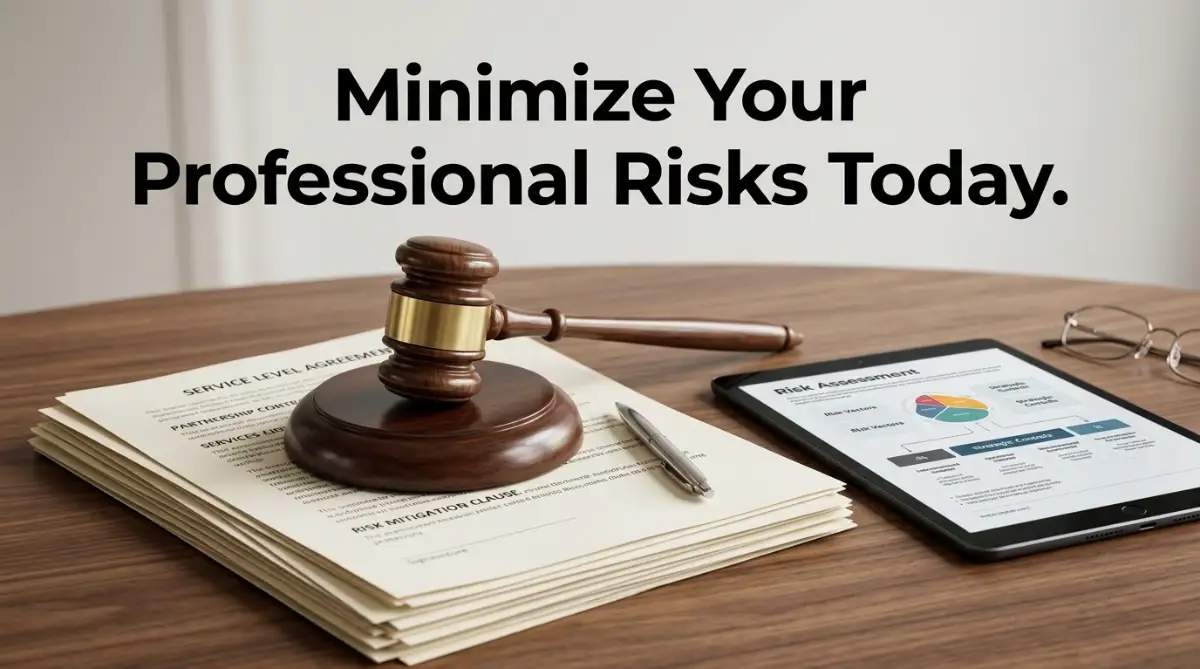
Building Your Invisible Shield: A Practical Guide to Asset Safety
Protecting your business is not just about buying a policy. it is about a smart mindset. You need to look at your business through a lens of safety.
By taking small, daily actions, you can lower your chances of facing a devastating claim. Let's look at how you can start guarding your wealth today.
Identify the Hidden Holes in Your Business Boat
Before you can fix a problem, you must find it. Every business has "blind spots" where mistakes can happen.
Think about the services you provide. Where is the highest chance of a misunderstanding? Is it in your verbal advice? Is it in a software calculation?
Write down every touchpoint you have with a client. This is your "Risk Map." When you see it on paper, you can start plugging the holes.
The Power of the Written Word
Handshake deals are friendly, but they are dangerous. A lack of clear, written expectations is the number one cause of lawsuits.
You must have a contract for every single project. This document should clearly state what you will do. More importantly, it should state what you will not do.
When both sides know the limits, the chance of a "he said, she said" battle disappears. Clear boundaries create professional respect.
Master the Art of Documentation
If you didn't write it down, it didn't happen. This is a rule that every professional should live by.
Keep detailed notes of every meeting and phone call. Send a "summary email" after every conversation. This creates a paper trail that protects you later.
If a client changes their mind or asks for something extra, document it. This simple habit can save you thousands of dollars in legal fees. It shows you were diligent and careful.
Quality Control as a Habit
Errors and omissions often happen when we are in a rush. To protect your assets, you must slow down.
Create a checklist for your final deliverables. Even a simple 5-point check can catch a major mistake.
If you have a team, make sure they follow the same steps. Consistency is your best defense against negligence claims.
Understanding the Role of Liability Insurance
Think of insurance as your final line of defense. It is the wall that stands between a legal claim and your personal bank account.
Professional liability insurance covers you when someone claims you were negligent. It pays for your legal defense and any settlements.
Without this, you would have to pay these costs out of your own pocket. For most small business owners, one big case could mean bankruptcy.
Myth vs. Reality: Business Protection
Choosing the Right Level of Coverage
Not all insurance policies are the same. You need one that fits your specific industry.
A digital marketer needs different protection than a structural engineer. Look for "Errors and Omissions" (E&O) coverage that matches your daily tasks.
Don't just look for the cheapest price. Look for a policy that has a high enough limit to cover your total assets.
The "What-If" Scenario Planning
Sit down once a month and ask "What if?" What if my main server crashes? What if I give the wrong tax advice?
By thinking about these scenarios, you can create "Standard Operating Procedures" (SOPs). These SOPs act as a guide for your business.
When you have a plan, you are less likely to panic. A calm business owner makes fewer mistakes.
Why Asset Segregation Matters
Keep your personal money and business money completely separate. Use different bank accounts and credit cards.
This sounds simple, but many people fail here. If you mix your funds, a lawyer can argue that your business is just an extension of yourself.
By keeping them separate, you strengthen the legal shield of your business structure. This is a key step in professional risk management.
Staying Updated with Industry Standards
The world changes fast. New laws and technologies can change your liability.
Make it a goal to read one industry report or attend one webinar every month. Staying "in the know" helps you avoid outdated practices.
Outdated advice is a common reason for professional liability claims. Being a student of your craft is a form of protection.
How to Talk to Your Clients About Risks
Transparency builds trust. Don't be afraid to talk about what could go wrong.
Explain your process and your safeguards to your clients. They will appreciate your honesty.
When a client sees that you take risk management seriously, they feel safer. This reduces the chance of them getting angry if a small issue arises.
Creating a "Communication Log"
Use a simple CRM or even a dedicated folder in your email. Store all project-related talk in one place.
If a dispute happens six months later, you can find the exact message. This prevents confusion and stops small arguments from growing into lawsuits.Being organized is not just about being productive. It is about being legally safe.
The Role of Peer Review
If you are working on a very large project, ask a trusted colleague to look at it. A second pair of eyes is priceless.
They might see a mistake that you missed because you were too close to the work. This "Peer Review" system is used by doctors and engineers for a reason.
It adds an extra layer of safety to your professional output. It protects your reputation and your wallet.
Learning from the Mistakes of Others
You don't have to experience a lawsuit to learn from one. Read case studies about professional liability in your field.
What went wrong for them? How could they have avoided it? Use their bad experience as a lesson for your own business.
This proactive approach keeps you two steps ahead of trouble. It turns "bad luck" into "smart planning."
The Importance of Client Vetting
Not every client is a good client. Some people are more likely to sue than others.
Look for "red flags" during the first meeting. Does the client have unrealistic expectations? Do they complain about every past professional they worked with?
If your gut tells you a client will be trouble, walk away. Saving yourself from a nightmare client is the best risk management strategy.
Final Thoughts on Professional Safety
Protecting your assets is a journey, not a destination. It requires constant attention and smart choices.
By using contracts, documenting your work, and having the right insurance, you build a strong fortress. This allows you to work with confidence and peace of mind.
Your business is your legacy. Don't let one mistake take it all away. Start building your shield today.
Mastering Advanced Safety Nets for Your Business Wealth
Protecting your business is like building a strong house. You already have the foundation, but now you need to focus on the advanced layers that stop the heavy storms.
Many people think a basic policy is enough. However, seasoned experts know that the real protection comes from the fine details in your daily operations and legal agreements.
One of the most powerful tools you have is the Limitation of Liability clause. This is a specific part of your contract that caps how much a client can sue you for.
Without this clause, a small mistake could lead to a claim worth millions. With it, you might limit your risk to the total amount the client paid you for the project.
It is a simple sentence that acts as a giant shield for your bank account. You should ask a legal professional to help you word this correctly so it holds up in court.
The Hidden Danger of Vicarious Liability
You might be very careful with your work, but what about the people you hire? If you use freelancers or contractors, you are often responsible for their mistakes too.
This is known as Vicarious Liability. If a freelancer you hired accidentally leaks a client's data, the client will come after you, not them.
To manage this, always ensure your contractors have their own professional liability coverage. Ask them for a "Certificate of Insurance" before they start any work.
This keeps the risk on their side of the fence. It prevents their errors from draining your personal and business assets.
Why Tail Coverage is Your Future Safety Net
What happens if you decide to close your business or retire? Many owners think their risks disappear the moment they stop working.
Unfortunately, a client can sometimes sue you months or even years after a project is finished. If your insurance policy has ended, you might have to pay for that defense yourself.
This is where Tail Coverage (also called an Extended Reporting Period) becomes a life saver. It extends your protection even after your policy expires.
It ensures that your retirement savings stay safe from the "ghosts" of past projects. It is one of those expert secrets that provides true long-term peace of mind.
Understanding Your Policy Limits and Deductibles
Choosing the right numbers for your insurance is a balancing act. You want enough coverage to be safe, but you don't want to pay too much every month.
When you are looking at different policies, it helps if you are understanding the gap between deductibles and limits so you don't get stuck with a massive bill. A higher deductible can lower your monthly cost, but you must be sure you have that cash ready in an emergency.
If a lawsuit happens, that deductible is the first money out of your pocket. Make sure your business emergency fund can cover it without hurting your operations.
The Standard of Care: A Legal Measuring Stick
In the legal world, judges often look at something called the Standard of Care. This is a way of asking, "Did you do what any other reasonable professional would have done?"
To protect yourself, you should always follow the best practices of your industry. If most people in your field use a certain software or check for a specific error, you should too.
Courts often look at professional negligence standards to decide if you are truly at fault for a client's financial loss. If you can prove you followed the standard rules, you have a much better chance of winning.
Being "average" or "standard" is actually a very good thing in a courtroom. It shows you were not reckless or lazy with your client's money.
Expert Pro-Tip: The "Early Warning" System
Don't wait for a formal lawsuit to talk to your insurance company. If a client is acting very unhappy or mentions "legal options," call your broker immediately.
Many policies have a "Pre-claim Assistance" feature. They might provide a lawyer to help you fix the situation before it turns into a real court case.
Fixing a small fire is much easier than rebuilding a burned house. This proactive step can save your reputation and keep your claims history clean.

Trap Doors: The Mistakes That Can Sink Your Shield
Even with a great plan, some common errors can tear a hole in your protection. These mistakes are often born from a desire to save time or avoid awkward conversations.
One of the biggest pitfalls is admitting fault too quickly. If something goes wrong, your natural instinct might be to apologize and say, "It was my fault."
While being honest is good, saying you are legally liable can actually void your insurance. Your insurance company usually has a rule that you cannot admit liability without their permission.
Instead, tell the client you are looking into the issue and will get back to them. This gives you time to speak with your insurer and a lawyer to handle it the right way.
The Danger of "Vague" Service Agreements
Many small business owners use a simple one-page agreement. They think this makes them easy to work with.
However, vague language is a lawyer's best friend. If you don't define exactly what you are doing, the client can claim you promised much more.
"I will help you grow your business" is a dangerous sentence. A better version is, "I will provide 3 social media posts per week for the next 3 months."
Specific details act like a fence. They keep the client's expectations inside a safe zone where you can actually deliver.
Neglecting the Fine Print in Insurance Policies
Not all "Professional Liability" policies are the same. Some have exclusions that might surprise you.
For example, some policies won't cover you if you work with international clients. Others might exclude certain types of high-risk projects.
Knowing why some insurance claims are denied can save your business from a total loss during a legal fight. Reading your policy twice is boring, but it is one of the most profitable things you can do.
Failing to Update Your Coverage as You Grow
Your business today is likely different from the business you started a few years ago. Maybe you have more clients, bigger projects, or a larger team.
If your insurance stays the same while your risks grow, you are underinsured. A $500,000 policy might have been fine when you started, but it might not be enough now.
Make it a habit to review your coverage every time you hit a major milestone. This ensures your shield grows as big as your dreams.
Ignoring the Professional Licensing Requirements
In some fields, you must have a specific license to offer professional advice. If you let your license lapse, your insurance might become invalid.
An insurance company can argue that you were not legally allowed to perform the work. This leaves you completely exposed to personal lawsuits.
Small business owners should check the official risk management resources provided by government agencies to stay compliant. Staying legal is the first step to staying protected.
The "DIY" Legal Document Risk
Using a template you found for free on the internet is risky. Those documents might not follow the laws of your specific area.
Every region has different rules about liability and contracts. A small mistake in the wording can make the whole document useless.
Spending a little money on a real lawyer to review your templates is an investment. It ensures that your "legal armor" actually works when someone tries to hit you.
Your Roadmap to a Secure and Prosperous Future
Building a business is an amazing journey, but it is one that comes with real risks. You have worked too hard to let a single mistake or a difficult client take away what you own.
Protection is not about being paranoid; it is about being prepared. When you have the right contracts, the right insurance, and the right habits, you can breathe easier.
Think of these strategies as a suit of armor. It might feel a bit heavy at first, but it allows you to walk into the "battle" of the marketplace with confidence.
Taking Action Today
Don't wait for a crisis to start your risk management plan. You can take a few small steps right now to improve your safety.
- Review your current contracts: Look for any vague promises and sharpen the language.
- Check your insurance policy: Make sure the limits match your current assets and business size.
- Talk to your team: Ensure everyone knows the "Standard of Care" you expect in your business.
By doing these things, you are choosing to be a leader who values safety and longevity. You are protecting your family's future and your personal peace of mind.
You have the power to stay safe. Start refining your professional shield today and enjoy the freedom of knowing your assets are secure.
Disclaimer: The information provided in this article is for educational and informational purposes only. It does not constitute legal or professional insurance advice. Laws regarding professional liability vary by location and industry. Always consult with a qualified legal professional or a licensed insurance agent before making decisions regarding your business protection or insurance coverage.
Thank you for reading. At Finliora, our mission is to provide accurate, practical, and trustworthy information to help you make informed financial and everyday decisions.