The Frustrating Wait of a Stalled Claim
I still remember the feeling of sitting at my kitchen table, phone in hand, waiting for an update that never came. My home had suffered damage from a bad storm, and I had filed my claim with confidence. I thought I had done everything right. But the days turned into weeks, and then into a full month of silence.
Every time I called the insurance company, I got the same answer: "We are still waiting on more information." I felt like I was running into a brick wall. My life was on hold, my repairs were not being done, and the stress of the situation was starting to bleed into every other part of my day. I felt like I was fighting a system that was designed to be slow.
I realized later that the problem wasn't entirely on the insurance company. My documentation was a mess. I had sent them blurry photos, incomplete lists, and receipts that were impossible to read. I had assumed they would just "figure it out," but in the world of insurance, if the information isn't clear, the process simply stops.
That experience taught me that your claim is only as good as the proof you provide. You are the advocate for your own claim. If you don't make it easy for the adjuster to say "yes," they are often stuck in a cycle of asking for more details. I don't want you to experience that same limbo. You deserve a smooth, fast process, and that starts with the habits you build today.
Building Your Proof of Loss Library
You need to view your documentation as your personal library of facts. When a claim happens, you are essentially telling a story to someone who wasn't there. Your job is to make that story so clear, so detailed, and so organized that they have no reason to hesitate.
Why Your Photos Are the First Defense
Don't just snap one picture and call it a day. Take wide shots of the entire room, and then take close-ups of the specific damage. If a wall is damaged, take a photo from ten feet away, and then another from six inches away. Use a coin or a ruler in the shot to show the scale of the damage.
The Power of Detailed Descriptions
A photo of a broken chair is just a photo. A photo of a broken chair with a description that says "Oak dining chair, purchased three years ago for two hundred dollars, structural damage to the leg" is a piece of evidence. Spend the extra time to write down what you are looking at. It saves the adjuster from having to guess or call you for clarification.
Centralizing Your Digital Records
Do not rely on physical folders that can be damaged. Create a dedicated folder on a cloud-based drive. Name it clearly, like "Home Claim Files." Put your receipts, your photos, and your policy documents inside. If a disaster happens, you will be able to share a link with your adjuster in seconds. This shows you are prepared and serious.
Taking Control of the Claims Timeline
The claims process often slows down because of small back-and-forth exchanges. You send a file, they need a different format. They ask for a receipt, you take three days to find it. You can slash the processing time by being ready to act.
Step 1: Immediate Damage Assessment
As soon as it is safe, document everything. Don't wait until the next day. If you can, take a video of the damage while you walk through your home. Narrate what you are seeing. "This is the spot where the water is coming in," or "This is the window that was shattered." A video often provides more context than a dozen photos.
Step 2: Organize Your Receipts
Keep a digital copy of every single receipt related to the incident. If you have to stay in a hotel, keep those bills. If you have to buy cleaning supplies or temporary repairs, keep those receipts too. Many people forget that "loss of use" or "mitigation" costs are often reimbursable, but only if you have the paper trail to prove it.
Step 3: Maintain a Log of Conversations
Every time you talk to your insurance company, write it down. Note the date, the time, the name of the person you spoke with, and what they told you. If they say a check will be mailed by Friday, note that. If Friday comes and the check isn't there, you have a record to refer back to. This keeps everyone accountable and helps you spot delays early.
Step 4: Follow Up Proactively
Don't wait for them to reach out. If you haven't heard from them in three days, send a polite email. "Hi, I'm just checking in to see if you have everything you need from my side to move the claim forward." This keeps your claim at the top of their pile. It shows you are an engaged policyholder who is ready to move things along.
Pro Tip: My Realization on Transparency
I learned that being too quiet is actually a bad strategy. I thought I was being "patient," but really I was just being forgotten. I started sending a short summary email after every phone call: "Per our conversation today, I understand that you need X, Y, and Z, and I will have those to you by tomorrow." This created a paper trail that moved my claim along significantly faster. Don't be afraid to document the process of the claim itself.
Want to see how the experts document their claims for faster results? Watch this guide to prepare for your future.
The Importance of "Duty to Mitigate"
Remember that you have a responsibility to prevent further damage. If your roof is leaking, you must cover it with a tarp if possible. If you don't, and the rain ruins your entire floor, the insurance company might only cover the roof and not the floor because the floor damage could have been avoided. Document your efforts to stop the damage, too. Take a picture of the tarp you put up. It shows you were acting in good faith.
Why Keeping Originals is Old School
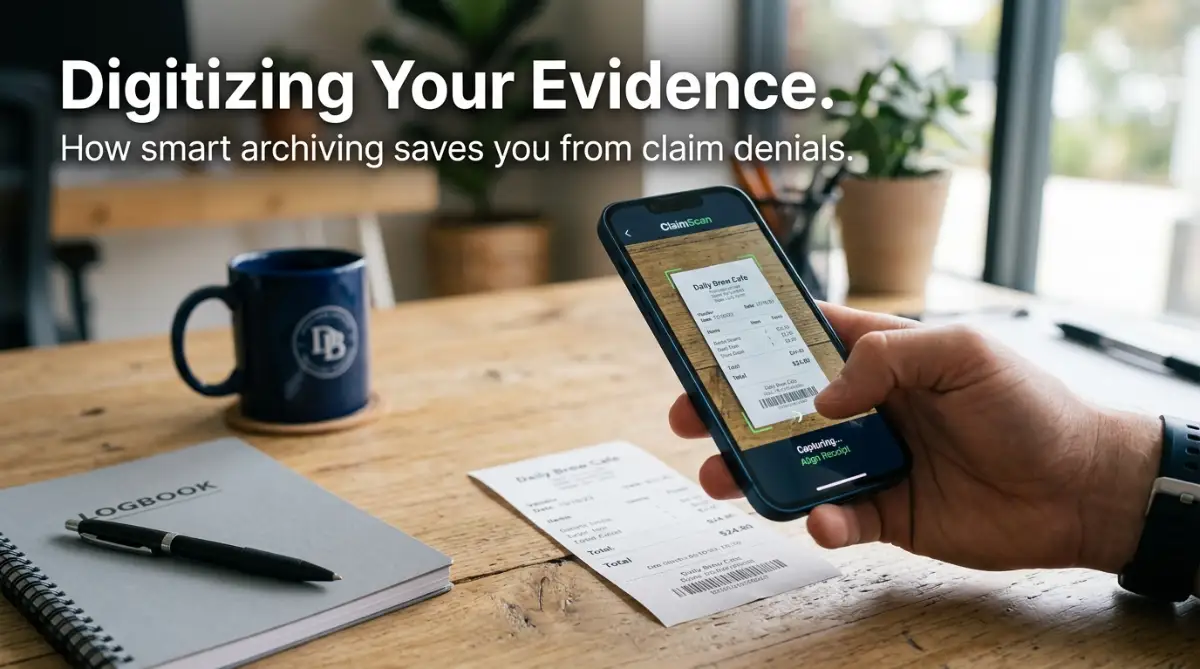
You don't need to keep a shoebox full of papers. Scan everything. If you are worried about the quality of the scan, there are free apps for your phone that turn it into a clean PDF. It is much harder to lose a PDF than a piece of paper. Plus, it is way faster to email a PDF than it is to mail a physical copy.
When to Bring in a Public Adjuster
If your claim is massive and the process feels like it is stalling for months, you might need help. A public adjuster is a professional who works for you, not the insurance company. They know how to document claims to get the maximum payout. They take a percentage of the claim, so only use them if the claim is large enough to justify the cost.
Summary: Your Proactive Strategy
You don't have to be a victim of a slow claims process. By being organized, proactive, and detailed, you make the job of the adjuster much easier. When you make their job easier, they can process your claim faster. It is that simple.
Start building these habits today, even if you don't have a claim. If you have a clear system ready, you will feel much more confident when you face a challenge. You are building the tools to get your life back to normal as quickly as possible. Keep your digital library ready, stay in contact, and hold your process to a high standard. You have got this.
Advanced Strategies for Mastering Your Paperwork
If you want to move beyond the basic habits, you need to think like a claims adjuster. These professionals see thousands of files every year. The ones that get approved the fastest are the ones that are clean, logical, and leave absolutely no room for doubt. It is not just about having the right paper; it is about presenting your story in a way that aligns with their internal guidelines.
The Digital Audit Trail
Most people save photos in a haphazard way, but you should treat your claim evidence like a forensic investigator. Every photo you take should have metadata (the date and time) attached to it. If you are using a dedicated camera rather than a smartphone, make sure the date and time settings on the device are accurate.
If you want to understand the deeper rules of how claims are evaluated, the Insurance Information Institute (III) offers a wealth of data on standard industry practices. When you know what standards the pros are using to grade your file, you can proactively ensure your evidence matches those standards before you even hit 'send' on your claim.
The "Before and After" Logic
An adjuster has no idea what your living room looked like before the damage. Provide them with the context. You should have photos or videos of your home from before the event took place. This is a pro-level secret. Even simple photos from holidays or gatherings can serve as perfect "before" evidence to prove the condition of your property.
If you are just getting started with organizing your finances to support these efforts, take a look at my guide on how to build a fail-safe emergency fund. Having that cash ready allows you to fix small issues immediately, which prevents you from having to document 'neglected' damage later. It is a dual-purpose strategy for your peace of mind.
Communication as a Documentation Habit
Never rely on a phone call as your only record of an important conversation. After you talk to an adjuster, send a polite follow-up email. Use phrases like, "As we discussed on our call at 2:00 PM, I will provide the receipts by Tuesday, and you mentioned the decision would be made by Friday."
This creates an unassailable record. If they ever claim they didn't receive your documents or that you didn't meet a deadline, you have an email timestamp to prove your side of the story. It keeps the pressure on them to be as organized as you are. You can learn more about handling complex financial disputes by reading about why your personal injury settlement is taking longer than expected. The principles of documentation remain the same across all types of claims.
The Vaulting Technique
Do not store your final evidence in the same place where the damage happened. If your computer and your backup drive are sitting on the same desk that got flooded, you have lost everything. Use a secure cloud storage service that syncs automatically.
Make sure your digital storage is safe from hackers as well. You don't want to lose your claim data to a cyberattack while you are already dealing with a physical disaster. Read my tips on keeping your online bank accounts safe from hackers to ensure your sensitive claim documents aren't the next target for identity thieves.
Preparing for the Denials
Sometimes, even the best documentation hits a snag. If your claim is denied, do not panic. Ask for a specific explanation in writing. Most companies rely on specific policy clauses when they reject a claim. Once you have that clause, you can see if it actually applies to your situation.
If the clause is being misinterpreted, you have the basis for a successful appeal. Many people just walk away when they see the word "denied," but you are not most people. You are prepared, and you have your library of facts to back you up. If you need a refresher on why these denials happen, check out why home insurance companies deny claims and how to stay protected.
Professional Help
If the numbers are huge—I am talking about thousands of dollars or more—don't hesitate to involve a professional. Sometimes, the cost of a specialist is a drop in the bucket compared to the value of a successful claim. Legal resources like Nolo can provide clarity on when you might need to speak with a professional. They offer great guides on understanding your rights as a consumer.

Traps That Turn a Smooth Claim Into a Nightmare
We all want to believe that insurance is simple and helpful. But the reality is that the claims process is a business transaction. If you don't treat it like one, you will end up being the one who loses. Here are the common traps that keep people waiting for checks that never come.
Trusting Verbal Promises Over Written Records
This is the single most common mistake. A friendly voice on the phone tells you, "Oh, don't worry, that will definitely be covered," and you take it as gold. That person might be gone, or they might have been wrong. If it is not in an email or an official letter, it basically never happened.
The Cleaning Frenzy Trap
You want your house to look nice, so you start scrubbing the damage before the adjuster sees it. You might accidentally wipe away evidence of the source of the damage. If a pipe burst, don't fix the pipe and clean the mold until someone has seen it or you have taken high-quality photos. You need to show the state of the damage, not just the aftermath.
Missing the Policy Fine Print
Did you know that some policies have a time limit for filing a claim? If you wait three months to report a leak, the insurance company can reject it entirely. They call it "untimely reporting." Check your policy today to see what your window for filing is. Don't assume you have all the time in the world.
Underestimating Your Own Content
People often undervalue their personal belongings. You look at your couch and think, "It’s used, so it’s worth fifty bucks." But if that couch was a high-end model that costs two thousand to replace, you are underestimating your claim. Do your research on what items actually cost to replace new, and include those details in your inventory.
Giving Up When the First Answer is "No"
Insurance adjusters are human. They make mistakes. They interpret policy clauses incorrectly. They miss details. If your claim is denied, it is rarely the end of the road. It is just the start of the negotiation. If you have the evidence, stand your ground.
Ignoring the Deductible Math
Sometimes people file claims for damage that is only slightly higher than their deductible. For example, if your damage is twelve hundred dollars and your deductible is one thousand, you are only getting two hundred dollars. But filing that claim might raise your premiums for the next three years, costing you much more than two hundred dollars. Always run the math before you trigger a claim.
A Path to Your Financial Resilience
Building a documentation habit is not about being paranoid; it is about being in control. You are building a system that keeps your hard-earned assets safe while you focus on living your life. You don't have to be perfect, but you do have to be consistent.
Your Action Plan for Tomorrow
- Audit your current file: Make sure your policy is actually in your digital vault.
- Capture new receipts: Spend ten minutes scanning anything big you have bought recently.
- Test your tools: Make sure the app you use to document damage is working and synced to your cloud.
- Plan your review: Put a reminder on your calendar to check your policy every six months.
I have found that the more I take charge of my documentation, the less I worry about the "what ifs." My insurance is no longer a source of mystery; it is a tool I know how to use. I want you to feel that same sense of clarity. Start small, stay disciplined, and trust the process. You are doing the work that most people are too afraid to start.
My own journey with insurance claims taught me that I am my own best advocate. The day I stopped waiting for the "right" time and started preparing for the "bad" time was the day my stress levels dropped. I took control, I made a plan, and I stayed consistent. You have that same opportunity right now. Do not wait for a storm to force your hand. Take the first step and watch how your life becomes more secure.
Common Questions About Insurance Documentation
How long should I keep my receipts for home improvements?
You should keep receipts for any major home upgrades for as long as you own the home. These prove the value of your property and help you calculate the correct replacement cost if you ever need to file a claim. If you have digital copies, store them in a secure cloud folder for at least a decade.
What if I cannot find an old receipt for an expensive item?
Don't panic. You can use credit card statements, bank records, or even online order history to prove a purchase. If you don't have those, take detailed photos and write down the make and model. You can then look up the current market price for an equivalent item to show the adjuster the value.
Can I reopen a claim if I find more damage later?
Yes, in many cases, you can reopen a claim if you discover "hidden" damage that was related to the original incident. You will need to document it immediately and prove that it was caused by the same event. Be prepared to provide photos and a professional assessment if necessary.
Should I pay for an app to manage my home inventory?
You don't have to. A simple spreadsheet or a dedicated folder in a free cloud service works perfectly well. The most important thing is that the system is simple enough for you to actually use. If it is too complicated, you will stop using it.
What is the most common reason claims get delayed?
The most common reason is simply "missing information." Whether it is a missing serial number, an unclear photo, or a lack of proof of ownership, the adjuster is usually waiting on you. The faster you provide exactly what they ask for, the faster your claim moves through the system.
Disclaimer: This content is for educational purposes only and does not constitute financial, legal, or professional insurance advice. I am not a licensed insurance agent. All claims and insurance policies involve specific terms and conditions, and you should always refer to your personal policy documentation or consult with a licensed professional regarding your specific situation.