The Invisible Weight of Living on the Edge
Financial security isn't about getting rich overnight; it's about making sure one unexpected bill doesn't ruin your life. Most people operate without a real buffer, leaving them one flat tire or broken appliance away from financial disaster. If you are tired of living in a state of constant 'what-if' anxiety, it is time to build a system that tells life it cannot push you around. Here is the blueprint for a truly bulletproof emergency fund.
Living without a safety net feels like walking a tightrope in the dark. You are always one bad luck event away from a total collapse. This constant worry eats away at your sleep and makes every dinner conversation about "can we afford this?" It ruins the joy of the present because you are terrified of the future.
We often think that more money is the only answer. But the truth is, even people with high salaries feel this way if they don't have a buffer. It is not about how much you earn. It is about how much you have set aside to tell "Life" that it cannot push you around.
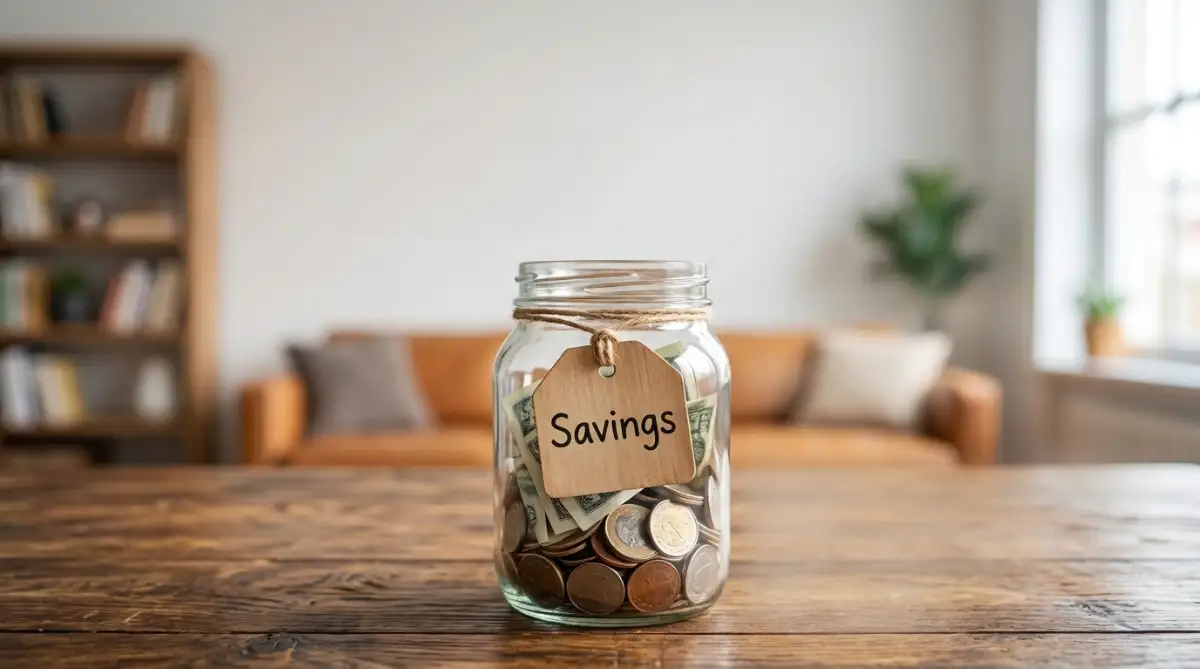
Designing a Shield That Never Fails
Building a backup fund is not about being cheap. It is about being smart and choosing peace over items you don't really need. Let's look at how we can build this shield together, piece by piece.
The Bulletproof Fund Blueprint
- Calculate Your Baseline: Identify only the "must-have" costs (Rent, Food, Utilities).
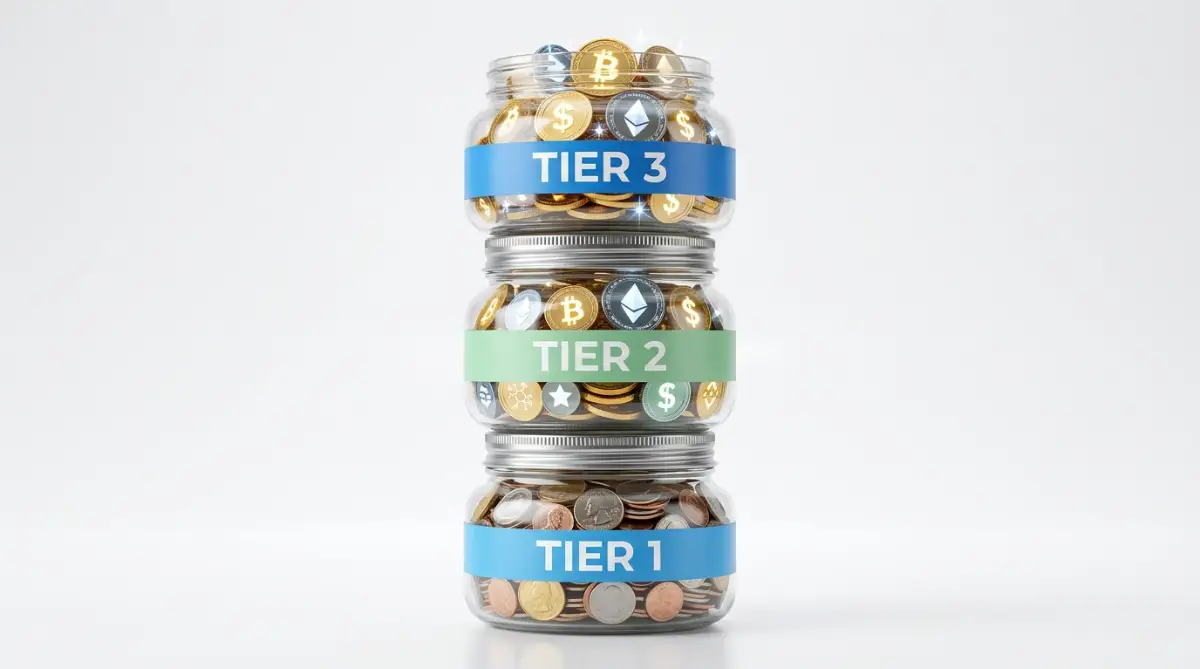
- Layer Your Savings: Separate your fund into immediate, core, and long-term tiers.
- Remove Temptation: Keep emergency cash in a different bank account than your daily checking.
- Automate Growth: Treat your savings contribution like a fixed, mandatory utility bill.
DefiningYour True Monthly Baseline
Before you can save, you need to know exactly what it costs to be you. Most people guess their spending, and they are usually wrong by a large amount. You need to look at your "must-have" costs only.
This includes your rent or mortgage, basic food, utilities, and insurance. Do not include your streaming services or your weekend trips yet. We are looking for the bare minimum you need to survive if things go wrong.
When you have this number, you have found your "Survival Baseline." This is the foundation of your entire wealth protection strategy. Knowing this number takes away the mystery of financial fear.
| Security Tier | What It Covers | Storage Location |
| :--- | :--- | :--- |
| Tier 1: Immediate | 1 Month of Expenses | Standard Savings Account |
| Tier 2: Core | 2 Months of Expenses | High-Yield Savings Account |
| Tier 3: Long-term | 3-6 Months Expenses | Short-Term Gov Bonds |
The Power of the Three-Month Buffer
Many experts argue about how much you should save. Some say a thousand dollars, others say a year of salary. For a family, the sweet spot is often three months of your survival baseline.
Think of this as your "Short-Term Shield." If you lose your job today, you have ninety days to find a new one without losing your home or your dignity. This time is a gift you give to yourself.
It prevents you from taking a bad job out of desperation. It gives you the power to say "no" to things that don't fit your long-term goals.
Separating Your Reserves from Your Daily Spending
A common mistake is keeping your emergency money in your regular checking account. This is a recipe for failure. If the money is easy to see, it is easy to spend.
You should move this fund to a separate account, ideally at a different bank. This creates a "Mental Barrier." It makes the money feel like it belongs to your future self, not your current cravings.
High-yield savings accounts are great for this. Your money stays safe, it stays liquid, and it earns a little bit of interest while it sits there waiting to protect you.
Auditing Your Small Leaks
You do not need to give up your lifestyle to build a fund. You just need to stop the leaks. Look at your bank statement for the last thirty days.
Are there subscriptions you forgot about? Are you paying for a gym you never visit? These small amounts might seem like nothing, but they add up to a lot over a year.
By redirecting these small leaks into your emergency fund, you are building your shield without feeling any pain. It is the most effective way to save without sacrifice.
The Psychological Shift from Spending to Owning
There is a deep thrill in buying something new. But that thrill fades in a few days. The peace of mind that comes from a full emergency fund lasts forever.
When you start seeing your balance grow, your mindset changes. You stop looking at money as something to be "spent" and start seeing it as something to be "owned."
Ownership gives you a sense of control. You become the boss of your money, rather than your money being the boss of you.
Myth vs. Reality in Personal Savings
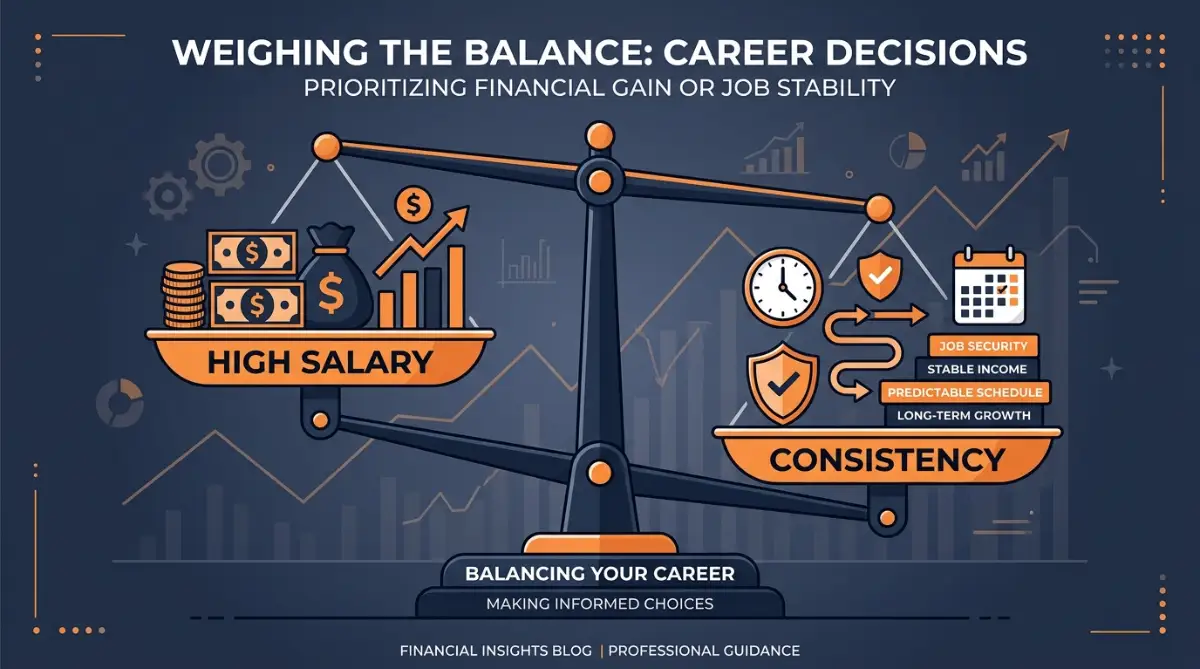
Automating Your Peace of Mind
The best way to save is to make it invisible. Set up an automatic transfer from your paycheck to your emergency account.
If you wait until the end of the month to save what is "left over," there will be nothing left. You must pay your future self first.
Automation removes the need for willpower. It happens while you sleep, while you work, and while you play. Before you know it, your shield is fully built.
Identifying True Emergencies
Not everything that feels urgent is an emergency. A sale on your favorite shoes is not an emergency. A vacation opportunity is not an emergency.
A true emergency is something that was unplanned and is necessary for your health or your ability to earn money. A broken tooth is an emergency. A broken phone screen might not be.
By defining what counts as an emergency, you protect your fund from yourself. You ensure the money is there when you actually need it.
The Emergency vs. Convenience Test:
- Emergency: Is this required to keep my job, health, or housing? (If yes, use the fund)
- Convenience: Is this for a sale, a trend, or a social event? (If yes, do NOT use the fund)
- The Bottom Line: If you can wait 30 days to buy it, it is a want, not an emergency."
Handling Unexpected Windfalls
Sometimes life gives you a little extra. It could be a tax refund, a bonus, or a gift. Most people spend this money immediately.
If you are building your shield, put at least half of that windfall into your emergency fund. This acts like a "Turbo Boost" for your savings.
It gets you to your goal much faster. Once your fund is full, you can enjoy future windfalls with zero guilt.
The Role of Liquidity in Wealth Protection
Your emergency fund must be liquid. This means you can get to the cash quickly without paying a penalty.
Do not put this money into the stock market or long-term certificates. The market could be down exactly when you need the cash.
A simple savings account is the best home for this money. It might not make you rich through interest, but it will keep you from becoming poor during a crisis.
Why Your Lifestyle Doesn't Have to Suffer
People often fear that saving means living a boring life. This is not true. Building an emergency fund actually allows you to enjoy your life more.
When you know the bills are covered, you can enjoy a dinner out without checking your bank app under the table. You can sleep better, which makes you more productive at work.
Security is the ultimate luxury. It provides a foundation for a happy life that no expensive watch or car can ever provide.
Communicating the Plan with Your Family
If you have a partner or children, involve them in the goal. You don't have to share every detail, but they should know that the family is building a "Safety Shield."
When everyone is on the same page, there is less friction. It turns a chore into a team mission.
It also teaches your children the most important financial lesson they will ever learn. They see that being prepared is a sign of strength and wisdom.
The Trap of "Just One Time"
The biggest enemy of a bulletproof fund is the phrase "I will just borrow from it this one time." Once you break the seal, it becomes easier to do it again.
Treat this money as if it does not exist for daily life. It is behind glass, and you only break that glass when there is a fire.
Keeping this discipline is what separates those who stay wealthy from those who constantly struggle. It is a test of your long-term vision.
Adjusting the Fund as Life Changes
Your fund should grow as your life grows. If you get a new house or a new baby, your survival baseline will go up.
Check your numbers once a year. Make sure your shield is still big enough to cover your current reality.
A shield that is too small is almost as dangerous as having no shield at all. Stay aware and stay protected.
Moving Beyond the Basics of Financial Safety
Now that you have the foundation of your emergency fund, it is time to look at the advanced tactics. Building a shield is one thing, but making it strong enough to handle a heavy storm is another.
Most people stop once they have a few thousand dollars in the bank. However, true wealth protection requires a deeper strategy. You want a system that works even when you are not thinking about it.
Let's explore how to turn your basic savings into a professional-grade financial fortress. This will help you stay calm when others are panicking.
Creating a Tiered Strategy for Maximum Security
One of the best ways to manage your fund is by using layers. You don't need all your emergency money in one single spot.
The first layer should be your Immediate Cash. This is usually about one month of expenses kept in a standard savings account. It is there for a broken tire or a sudden doctor's visit. You can get this money in minutes.
The second layer is your Stability Core. This covers months two and three of your expenses. You might keep this in a high-yield account that takes a day or two to transfer. This tiny delay prevents you from using the money for non-emergencies.
The third layer is the Deep Protection. This is for long-term issues like a major job loss. Some people keep this in very safe, short-term government bonds or no-penalty certificates. It stays safe but earns a bit more than a regular bank account.
Why You Need an Inflation-Proof Shield
Money loses its value over time because prices go up. If your emergency fund stays the same for five years, it actually becomes smaller in terms of what it can buy.
You must review your "Survival Baseline" every year. If your rent went up or grocery prices increased, your fund needs to grow too. Staying ahead of inflation is a key part of protecting family wealth.
If you don't adjust for these costs, you might find that your "three-month fund" only lasts two months when you actually need it. Always keep your numbers fresh and accurate.
The Opportunity Fund vs. The Emergency Fund
There is a big difference between a crisis and a chance to grow. An emergency fund is for keeping what you have. An opportunity fund is for getting ahead.
I always advise keeping these two accounts separate. If a great investment comes along, you should not pull money from your safety net. That is a dangerous game that leaves your family at risk.
By having a separate pile of cash for "good deals," you can take risks without fear. This is how the wealthy stay wealthy. They never bet the money they need for bread and milk.
Protecting Your Fund from Lifestyle Creep
As you earn more money, you naturally want to spend more. This is called lifestyle creep. It is the biggest threat to your financial shield.
When you buy a bigger house or a faster car, your monthly bills go up. This means your emergency fund is now too small for your new life.
Every time you get a raise, boost your savings first. Make sure your shield grows at the same rate as your spending. This keeps your safety level consistent no matter how much you earn.
Managing Large Deductibles with Confidence
Many people choose insurance plans with high deductibles to save money on monthly fees. This is a smart move, but only if your emergency fund is ready.
You should always have enough cash to cover your highest insurance deductible. This includes your health, car, and home insurance.
If you have a medical issue, you shouldn't have to worry about how to pay the initial costs. Knowing how deductibles and out-of-pocket limits work helps you set the right goal for your savings.
The Hidden Trap of Using Debt as a Safety Net
A very common mistake is thinking that a credit card is an emergency fund. It is not. Debt is a weight, not a life jacket.
When a crisis hits, your stress levels are already high. Adding high-interest debt on top of that makes the situation much worse. You end up paying for your emergency for years because of the interest.
If you lose your income, the credit card company might also lower your limit. This means your "safety net" can disappear exactly when you need it most. Cash is the only real protection that stays under your control.
Why Small "Fires" Can Burn Your Whole Shield
People often drain their funds for things that are not actually emergencies. A friend’s wedding or a holiday gift might feel urgent, but they are predictable events.
If you use your safety money for these things, you are leaving your family exposed. I call this "the death of a thousand cuts." Small, non-emergency withdrawals eventually leave you with nothing.
You must be strict with yourself. If the event is on a calendar, it is not an emergency. You should save for those things separately in a "fun fund."
Forgetting the Rebuild Phase After a Crisis
When you actually have to use your emergency fund, it feels like a relief. But many people forget the most important next step: filling it back up.
Once the crisis is over, your main goal should be to restore your shield. If you don't, you are vulnerable to a second strike. Life often sends problems in groups.
Treat the "rebuild" with the same energy you used to build it the first time. Cut back on extras until that balance is back to its safe level. This discipline is what builds long-term wealth.
Ignoring the Risks to Your Physical Assets
Building a cash fund is great, but you also have to protect the things you already own. If your home is damaged and your insurance claim is rejected, your savings will disappear fast.
You need to know the rules of your coverage. For example, learning why home insurance companies deny claims can save you from a massive financial hit.
A bulletproof fund works best when your insurance does its job. If both are in place, your family wealth is truly shielded from large-scale disasters.
Keeping Your Fund Too Accessible
If your emergency money is just a swipe away on your mobile app, you will likely spend it. The human brain is very good at making excuses for "just this once."
I suggest keeping your main savings in a bank that is different from your daily checking account. Don't even carry the debit card for that account in your wallet.
This physical and digital distance creates a "cooldown period." It gives you time to think if the expense is really a life-or-death situation. Most of the time, you will realize it can wait.
Neglecting Business Risks in Personal Planning
If you own a small business, your personal and professional lives are linked. A legal issue at work can quickly drain your family savings if you are not careful.
You must separate your business risks from your family wealth. Knowing how to shield your small business assets from legal risks is a major part of an advanced emergency strategy.
Don't let a mistake at the office ruin the security you have built for your kids. Keep your protections strong on both sides of the fence.
Your Path to Lasting Financial Peace
Building a bulletproof emergency fund is more than just a math project. It is an act of love for your family and a commitment to your future self.
When you follow these advanced steps, you stop playing defense and start playing offense. You gain the freedom to make choices based on your values, not your bank balance.
Imagine a life where the "unexpected" is just a small hurdle. You can handle a job change, a medical bill, or a home repair without losing a wink of sleep. That is the power of a true safety net.
Start today by checking your current numbers. Adjust for inflation and make sure your money is in the right tiers. Your future self will thank you for the peace you are creating right now.
According to research from the Consumer Financial Protection Bureau, having even a small cushion significantly improves your overall well-being. It reduces the need for high-cost loans and keeps your credit score healthy.
By staying consistent and avoiding common traps, you are doing more than saving money. You are buying freedom. You are ensuring that your family's story is one of strength and stability, no matter what the world throws your way.
Disclaimer: The information provided in this article is for educational and informational purposes only. It does not constitute professional financial, legal, or investment advice. Always consult with a certified financial planner or qualified professional before making major financial decisions.
Thank you for reading. At Finliora, our mission is to provide accurate, practical, and trustworthy information to help you make informed financial and everyday decisions.
********** THANK YOU ********