The Tuesday Afternoon I Almost Lost Everything
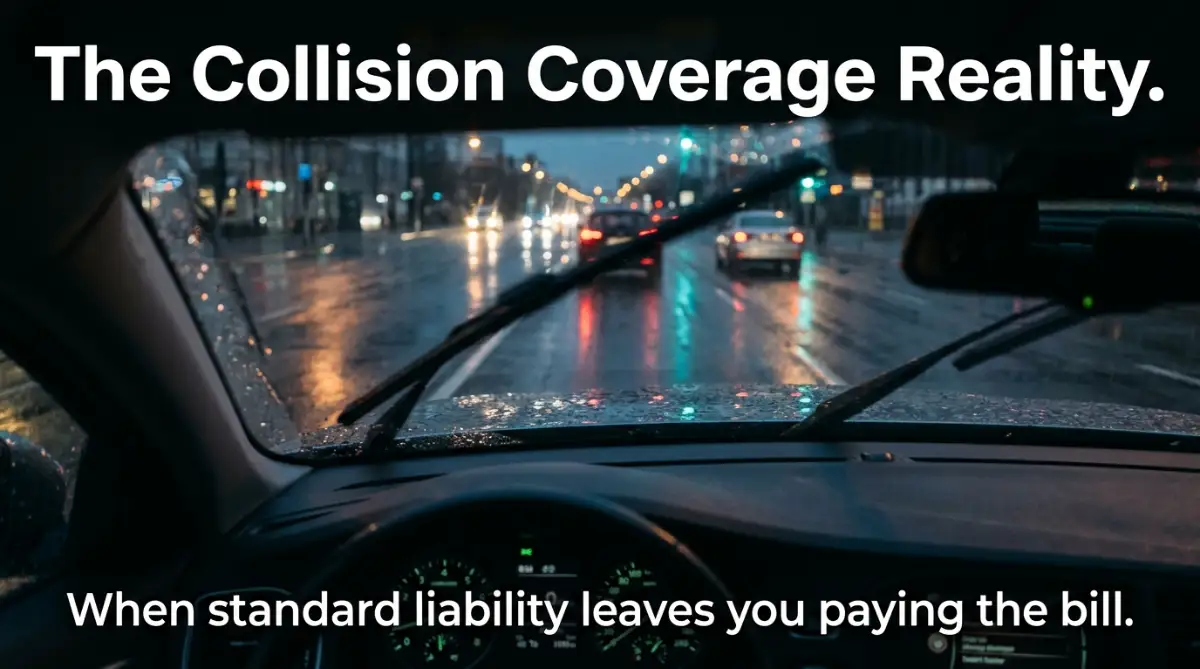
I still remember the feeling of the steering wheel slipping just enough on a slick patch of road. It wasn't a movie-style crash—no flying glass or slow-motion drama. It was just a sharp spin, a sickening thud, and then the sudden silence of a car that refused to start. I sat in the driver's seat for a minute, staring at the hood of my car, which was now shaped like an accordion.
My first thought wasn't about my safety. It was about my bank account. I knew I had insurance. I paid that bill every single month without fail. I felt like the responsible citizen who had done everything right. But as I walked around the car, looking at the damage, a cold realization started to settle in. I had the cheapest coverage I could find—the bare minimum required by law.
I hadn't paid for collision coverage because I thought it was just an "extra" I didn't need. I thought I was a good driver, so why pay for something I would never use? That logic felt bulletproof until that moment. I realized that my insurance would pay for the other person’s car if I hit them, but for my own car? That was entirely on me.
Standing there on the side of the road, the reality of "liability-only" coverage hit me like a train. I didn't have the cash to fix the car, and I didn't have the cash to replace it. I had essentially made the choice to self-insure a five-figure asset. It was the most expensive "money-saving" decision I had ever made. I spent the next few months walking, taking buses, and saving every penny just to get back on the road.
When Your Safety Net Disappears
We like to think of insurance as a shield that covers everything. But insurance is actually a series of specific, narrow boxes. If you aren't in the right box, you are outside in the rain. Collision coverage is one of those boxes that people often skip to save a few bucks on their monthly bill. It is an easy cut to make when you are looking at your budget, but it is a massive gamble.
The Myth of "Good Driving"
I used to tell myself that I didn't need collision because I was a careful driver. But collision coverage isn't just about your driving skills. It is about the environment. It is about the oil spill on the highway you couldn't see. It is about the hydroplaning on a sharp turn during a sudden downpour. You can be the perfect driver, and the road can still win.
Understanding the Collision Gap
Liability coverage is designed to pay for the damage you cause to others. That is it. It does absolutely nothing for your vehicle. If you crash into a tree, a fence, or slide into a ditch, liability pays zero. If you don't have collision coverage, that is a one hundred percent out-of-pocket loss. For most of us, losing our vehicle would be a financial disaster that disrupts our ability to work and live.
The Reality of Repair Costs
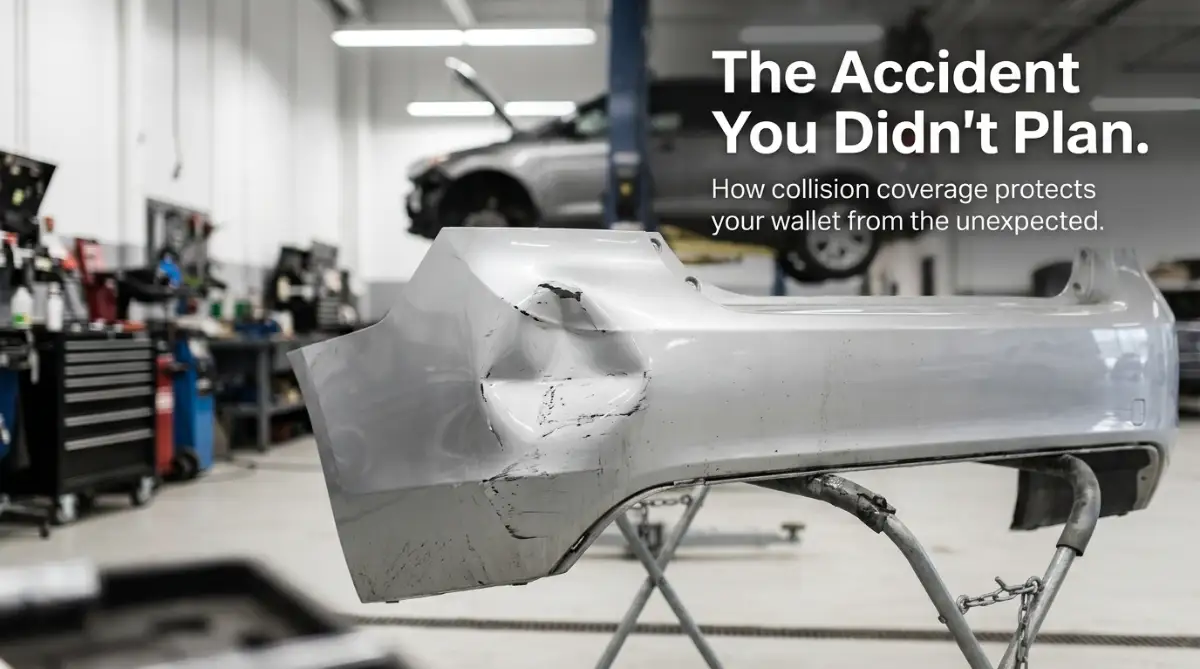
Cars are not just metal anymore. They are filled with sensors, cameras, and complicated electronics. Even a "minor" fender bender can cost thousands to repair because the sensors in the bumper need to be replaced and calibrated. If you are paying for these repairs yourself, you are looking at a bill that could easily exceed the value of the car.
Single-Vehicle Accidents
This is the most common scenario where people get stuck. If you hit an object in your own driveway or lose control on a lonely road, there is no "other party" to file a claim against. If you have collision coverage, your insurer steps in. If you don't, you are left staring at the wreckage, writing a check you didn't plan for.
Weather Events
Sometimes, the road conditions are simply too much to handle. If you lose control due to ice, snow, or mud, collision coverage is your best friend. It covers the repair costs regardless of who is at "fault" in the eyes of the police report. It is the bridge between a terrible day and a total financial loss.
Protection from the Uninsured
While "uninsured motorist" coverage is a separate thing, collision coverage often acts as a fallback. If you are hit by someone who has no insurance and no assets to pay you, collision coverage can often cover the repairs. It is a vital layer of redundancy that keeps your life moving forward when the other person fails to do their part.
Why You Should Rethink Your Limits
Most people look at the total cost of their insurance and try to trim it down. They see the collision line item and think, "I can afford to fix the car myself if I have to." But is that actually true? Can you really afford to lose your car today?
The "Total Loss" Nightmare
If your car is older, you might be tempted to drop collision coverage. But you have to ask yourself: if the car was totaled today, would I have the cash to go out and buy a replacement? If the answer is no, you are essentially gambling with your transportation. You are banking on a future that might not happen, at the risk of losing the asset that gets you to your job.
Weighing the Deductible
You can manage the cost of collision coverage by raising your deductible. If you have a decent emergency fund, you can raise your deductible to one thousand dollars. This lowers your premium significantly while still keeping the "catastrophe protection" of the collision coverage. It is a middle-ground approach that makes sense for many people.
Pro Tip: My Realization on Older Vehicles
I learned that you don't have to keep collision coverage until the car hits the junkyard. But you should keep it until you have saved enough to buy a reliable replacement. I suggest keeping the coverage until the premium for that coverage costs more than ten percent of the car's market value. At that point, the "math" changes, and you are better off putting that money into a savings fund for your next car.
Want to see how the experts evaluate collision coverage needs? Watch this guide to prepare for your vehicle's safety.
The Hidden Costs of Financing
If you have an auto loan, your bank requires you to have collision coverage. If you drop it, they will force-place a policy on you, which is always more expensive and offers less protection. They want to protect their interest in the car. You should be just as protective of your own.
Final Thoughts on Your Financial Net
Insurance is about managing the risks you cannot afford to take yourself. A car accident is a classic risk. It is sudden, it is expensive, and it is usually entirely out of your control. By carrying collision coverage, you are buying a safety net that lets you focus on what really matters—your family, your work, and your goals—rather than worrying about how to fix a bumper.
You have the power to decide how much risk you want to carry. Just make sure that when you choose to carry that risk, you are doing it because you have the cash to back it up, not because you are hoping for the best. Be smart about your numbers, be realistic about your risks, and keep your wheels moving forward. You are doing the right thing by looking at this now. Keep going, stay informed, and you will be in a much better spot.
Advanced Tactics for Managing Your Vehicle as an Asset
Once you have mastered the basics of looking at the total cost of ownership, you start to see that a car is really just a large, expensive utility that needs managing. You don't want your vehicle to dictate your ability to reach your other goals, such as managing personal budget goals for the long term. The secret to winning this game is to stop viewing the car as a lifestyle accessory and start viewing it as an asset you need to optimize.
The Power of Maintenance Math
Most owners wait until a warning light pops up on their dashboard to take their car to the shop. This is a massive mistake that turns small problems into expensive repairs. If you stay on top of the manufacturer’s recommended schedule, you avoid the heavy costs that come with neglect. It is just like how to build a fail-safe emergency fund for your home or health; regular checkups cost a little today but save you thousands down the road.
Consider using tools like the Kelley Blue Book calculator. It helps you see beyond the sticker price and understand the reality of fuel, depreciation, and insurance costs for specific models. If you know what to expect, you aren't surprised when the expenses hit. You are prepared, and that puts you in the driver’s seat.
Leveraging Your Trade-In Value
Do not just accept the first offer a dealership gives you for your old car. That is the quickest way to lose money in a trade-in. You should research the market value of your vehicle on independent sites before you step foot on the lot. If the dealer offers you a low price, be ready to walk away or sell the car privately.
Always remember that every dollar you squeeze out of your trade-in is a dollar that lowers your new loan principal. That has a ripple effect on your interest payments over the life of the loan. It is a simple step, yet so many people skip it because they want to get the deal done and over with. Never trade convenience for a lower net worth.
Negotiating the Loan Terms
When you are at the financing desk, the person across from you might try to rush you through the papers. They make money when you pick a longer loan term or buy extra warranties you don't need. Take your time to read the contract. If you have done your research, you will understand the logic of decoding your mortgage disclosure form and how it applies to auto loans. Know what you are paying, know the total interest, and know the prepayment penalties.
The Credit Score Connection
Your interest rate is largely tied to your credit score. If you aren't in a rush, take a few months to clean up your credit report. If you have been struggling to make payments, look into ways to boost your score to get access to better interest rates. A higher score can shave full percentage points off your interest rate, which is essentially "free money" back in your pocket.
Keeping the Investment Mindset
Don't get so obsessed with the car that you forget your other financial habits. You need to keep investing wisely during market volatility even when you are managing a car note. If you prioritize the car payment over your retirement savings, you are robbing your future self to pay for a present luxury. Balance is the key to true wealth.
If you want to see how vehicle safety ratings factor into insurance premiums, the National Highway Traffic Safety Administration provides crash test data that can save you money. A safer car often means lower insurance premiums over time. It is a win-win for your wallet and your safety.
The Depreciation Shield
You can't stop a car from losing value, but you can manage it. Buy a vehicle that holds its value well. Some cars lose half their worth in just a few years. Do your homework. Buying a car that is two or three years old is often the smartest financial move you can make. It has already taken its biggest depreciation hit, and you get the benefit of a lower price tag.
The Mileage Factor
Your mileage is a massive driver of depreciation. If you can use public transit, walk, or carpool for some of your errands, you are actively protecting the resale value of your vehicle. Every mile you don't put on the odometer is money you are keeping in your pocket. Think of your odometer as a clock ticking down on your car's asset value.
Insurance Alignment
Check your insurance policy every year. As your car gets older, its value drops, but your collision coverage premium might stay the same. You need to verify that you aren't paying for coverage that exceeds the actual worth of the vehicle. Always be aware of why home insurance companies deny claims and how to stay protected so you can apply that same diligence to your auto policy.
The Emergency Reserve
I keep a specific fund just for my car. I put away a set amount every month into a sub-account. When I need new tires, an oil change, or a sudden repair, the money is already there. It prevents me from ever having to use credit for routine maintenance. It makes the "surprise" expenses feel like planned ones.
Traps That Turn a Deal Into a Disaster
It is easy to get caught up in the excitement of a new set of wheels. However, the car buying process is designed to exploit your emotions. If you aren't careful, you will end up with a deal that makes you regret your choice every time you fill up your tank.
Falling for the Monthly Payment Bait
This is the single most common mistake. When you walk into a dealership, the first thing they ask is, "What monthly payment can you handle?" They are training you to ignore the total price of the car. They can easily adjust the loan term to seventy-two or even eighty-four months to hit your "target" number. You end up paying more interest and staying in debt longer.
Ignoring Total Interest Costs
We often look at the interest rate but skip the total interest calculation. If you have a five percent interest rate over seven years, you are going to pay a fortune in interest. Always ask the dealer to print out the total cost of the loan including interest. When you see that number, you might realize that a slightly more expensive car with a shorter loan term is the better deal.
The Extended Warranty Illusion
Dealers make a lot of money on add-ons like extended warranties and paint protection. In most cases, these are not worth the money. Modern cars are reliable enough that you don't need to pay thousands extra for "peace of mind." If you are worried about repairs, put that warranty money into a high-yield savings account instead. You keep your cash, and if you never need a repair, you are still ahead.
Rushing the Financing Process
Never agree to dealer financing without checking your local credit union first. Local banks often have lower rates and fewer hidden fees than big-box dealerships. By getting pre-approved before you go shopping, you gain leverage. You can tell the dealer, "I have this rate from my bank, can you beat it?" They will often find a way to lower their own rate if they know you have options.
Buying More Car Than You Need
It is tempting to buy the "sport" version or the model with all the bells and whistles. But do you actually use those features? Every extra feature adds to the price, the insurance, and the repair costs. Be honest with yourself about what you need versus what looks good in the driveway. Your bank account will thank you for being practical.
Neglecting to Check History
If you are buying a used car, failing to check the vehicle history report is a gamble you cannot win. You have no idea if the car was in a flood, a serious accident, or if the odometer was rolled back. Use services like the National Motor Vehicle Title Information System to get the full story. If the seller refuses to provide the history, treat it as a massive warning sign.
The Emotional Buy
We buy cars because we want to feel a certain way. But the feeling of a new car fades in a few weeks. The debt, however, stays for years. Don't let your ego make financial decisions for you. Always sleep on a car purchase for at least one full night before signing anything.
A Path to Your Financial Freedom
You are building a lifestyle where your money supports your dreams, not your car note. It might feel like a slow process, but every decision to calculate the real cost is a step toward freedom. You are learning to be a smarter consumer, and that is a skill that will pay off for the rest of your life.
Your Action Plan for Tomorrow
- Run the numbers: Calculate the true cost of your current vehicle or the one you want to buy using a total cost calculator.
- Review your insurance: Check if you can get a better rate by bundling or increasing your deductible.
- Check your reports: Look for any errors on your credit report that might be hurting your loan potential.
- Set your terms: Go to a credit union and get a pre-approved loan letter before you visit any dealership.
I have found that the more I look at the reality of my expenses, the more relaxed I feel about my bank account. The anxiety that comes from "not knowing" is much worse than the temporary effort of tracking. You are doing a great thing by getting ahead of this. You are protecting your future self from the weight of bad decisions made in the heat of the moment.
Take pride in the car you drive because you own it, not because you are making the payments. That sense of ownership is worth far more than any luxury trim level. Stay focused on your goals, keep running the math, and keep your long-term plan in sight. You have got this. My experience with these choices taught me that clarity is the best form of wealth. I hope you take that clarity and build something incredible for yourself.
Common Questions About Auto Financing
Is it ever a good idea to lease a car?
Leasing can make sense if you are a business owner who needs a tax deduction, or if you must have a new car every few years. For the average person, however, it is usually the most expensive way to drive. You end up with no equity at the end of the term, whereas a loan gives you an asset you can keep or sell.
Should I pay off my car loan early?
If your interest rate is high, paying it off early saves you a lot in interest charges. If your interest rate is very low, you might be better off investing that extra money in a diversified account. It depends on your personal risk tolerance and your desire to be debt-free.
Can I refinance my car loan?
Yes, you can. If your credit score has improved since you bought the car, or if interest rates have dropped significantly, you should look into refinancing. It is a simple process that can lower your monthly payment or shorten your loan term.
How much should I put down on a new car?
Aim for at least twenty percent down. This helps you avoid being "underwater" on your loan, where you owe more than the car is worth. It also shows the lender that you are a serious borrower and might qualify you for better terms.
What happens if I can't make my car payment?
Contact your lender immediately. Do not wait for them to call you. They are often willing to work out a temporary arrangement or a deferment if you are upfront about your financial situation. Ignoring the problem will only lead to late fees, damaged credit, and eventually, vehicle repossession.
Disclaimer: This content is for educational purposes only and does not constitute financial, legal, or tax advice. I am not a financial advisor. All financial decisions involve risk, and you should perform your own research or consult with a qualified professional before making any investment or loan choices based on your specific situation.