

The Frustration of Being "Credit Invisible"
You pay your rent, electricity, and phone bills on time every single month, yet the bank treats you like a complete stranger. It is incredibly frustrating when your hard-earned reliability doesn't show up on a credit report. If you are tired of being "credit invisible," it is time to stop waiting for the system to notice you and start forcing the system to see your data.
When the loan officer looked at my screen, the smile faded. "I’m sorry," they said, "you simply don't have enough credit history to qualify." My heart sank because I realized that being responsible wasn't enough; the system wasn't "seeing" my responsibility at all. It felt like I was working hard to build a house, but the foundation was made of air.
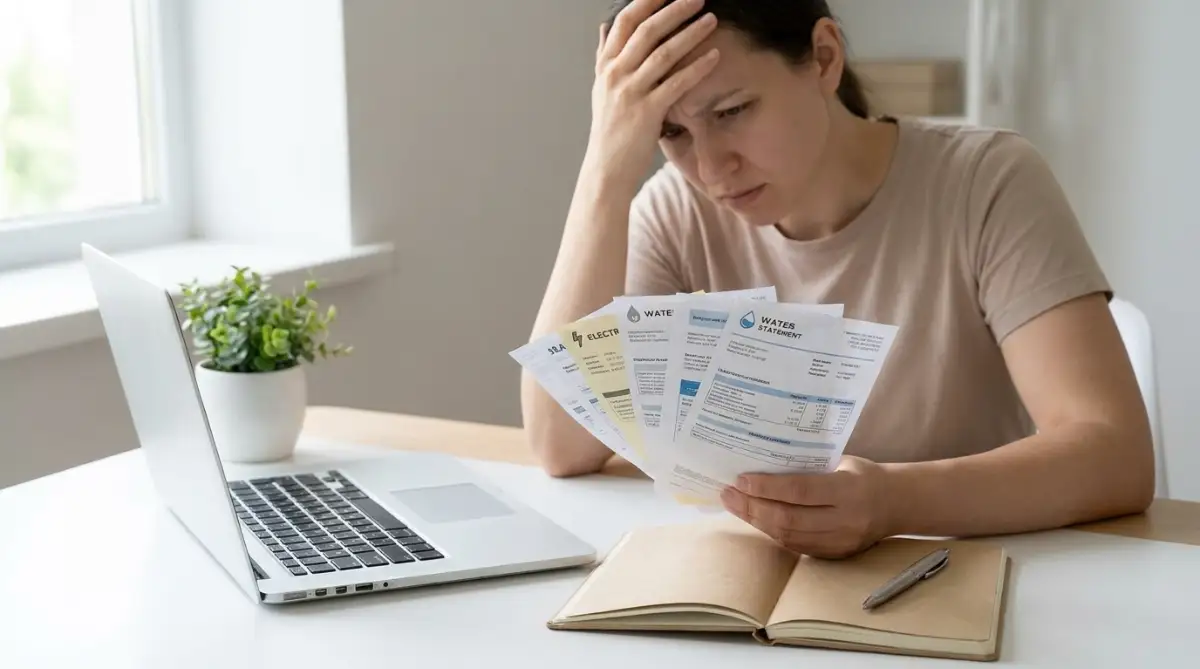
That moment changed my perspective on how the financial world operates. I realized that my monthly utility bills and rent payments—the biggest expenses of my life—were essentially invisible to the people who decide whether I can buy a car or a home. I wasn't alone, and I know many of you are feeling that exact same frustration right now.
You pay your water bill, your gas, your internet, and your rent like clockwork. Yet, when it comes time to apply for credit, it’s like you never paid a dime. This situation causes a quiet anxiety that follows you every time you need to make a big purchase. You start wondering if you will ever get that approval you need for your goals.
It messes with your peace of mind because you are doing everything right, but the rewards are not there. I spent months digging into why this happens and how we can change it. I stopped accepting that I was "invisible" and started looking for ways to make my daily payments work for me.
The good news is that the rules of the game are shifting. You have more power than you think, and your everyday expenses are the keys to unlocking that power. We are going to look at how to stop the cycle of invisibility and finally get the credit recognition you deserve.
The Credit Invisible Roadmap
- Manual Reporting: Use rent-reporting apps to make your biggest expense count toward your credit score.
- Bank Integration: Connect your utility accounts to credit-building apps to track recurring payments.
- Monitor Errors: Regularly check your credit reports at AnnualCreditReport.com and dispute mistakes.
- Be Patient: Building a "thick" credit file takes time; focus on consistent, on-time payments.
Why Your Regular Bills Usually Disappear
Many people assume that paying every bill on time automatically helps build their credit history. That is a common misconception. Credit bureaus can only add payment information when a company or reporting service actually sends that data to them.
Think of your credit report like a record book. If a payment history never gets submitted, it usually does not appear in that record. Your landlord, utility provider, or other service company may keep track of your payments internally without reporting them to the major credit bureaus.
As a result, you could have a perfect record of paying rent or utility bills on time, yet those payments may do little or nothing to strengthen your traditional credit history. Lenders generally see the accounts and payment information that are actually reported to the credit bureaus, such as credit cards and loans.
This can create a frustrating situation for people who manage their money responsibly but have a thin or limited credit file. The issue may not be that you are unreliable with money; it may simply be that your positive payment history is not being reported.
The good news is that you may be able to bridge that gap through legitimate reporting options. Depending on the type of bill and the service available to you, certain rent or utility payments may be eligible to be reported to one or more credit bureaus.
The key is to understand which payments can be reported, who reports them, and which credit bureaus receive the information. Once you know how the process works, turning eligible payment history into credit-building data can be much more straightforward.
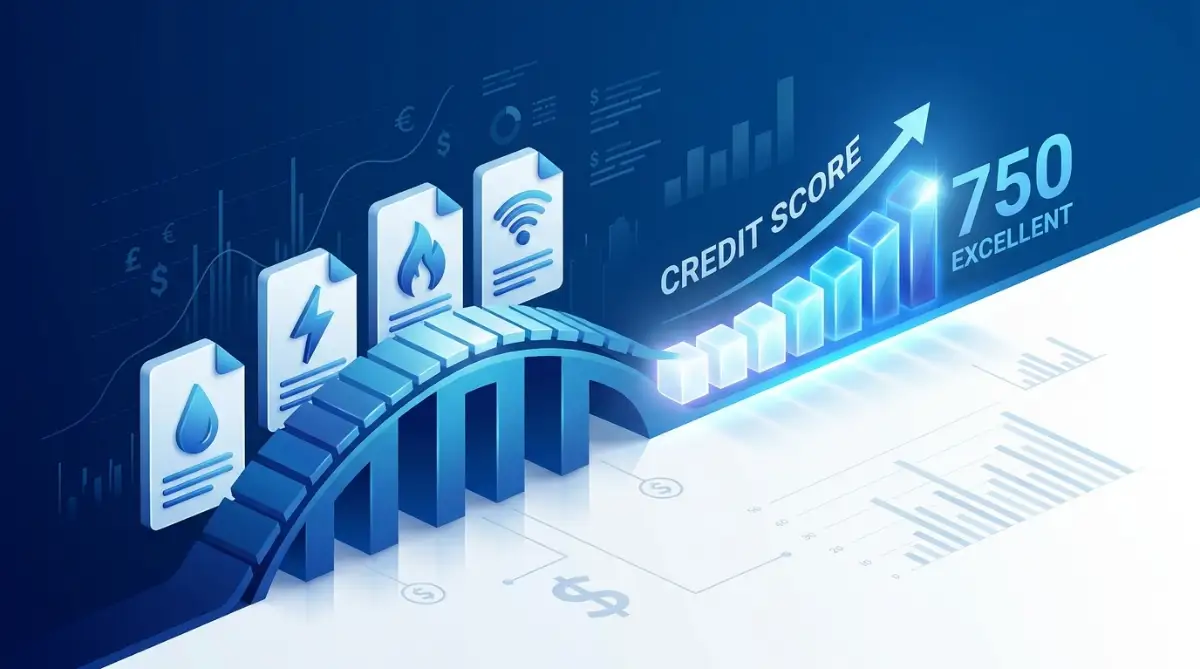
Getting Your Rent Reported: A Game Changer
For most of us, rent is the single largest expense every month. If you are renting an apartment, that payment represents your ability to honor a contract. It is the closest thing to a mortgage payment you will ever make.
Historically, rent reporting was a rare service that only a few people knew about. Today, many platforms exist specifically to help you report this data. These services act as a messenger between your landlord and the credit bureaus.
The process is usually straightforward. You sign up for a service, and they either contact your landlord to verify your payments or they connect to your bank account to track them. Once verified, they send this information to the major reporting agencies.
Suddenly, you have a massive new block of positive data on your file. If you have been paying on time for years, that is a goldmine of history that lenders love to see. It transforms your file from a "thin" one to one that shows stability and consistency.
You don't need your landlord’s permission for every single reporting method, but it helps if they are on board. Some services can verify payments without bothering your landlord. This removes the awkwardness of asking, "Hey, can you help me build my credit?"
Just remember to check if the service reports to all three major bureaus. You want your effort to count everywhere, not just at one place. By making this one change, you are essentially creating a mortgage-like payment history while you are still a renter.
The Role of Utility Data Aggregators
Utility payments are a bit different from rent. Many people try to pay these through automatic withdrawals, which is great for avoiding late fees. But it does nothing for your credit score unless the utility company is reporting it.
There are newer systems that allow you to connect your bank accounts to credit-building apps. These apps look for recurring payments to utility companies, streaming services, and telecom providers. They then bundle this history and report it to the bureaus.
This is a powerful strategy because it covers all your bases. It includes your internet bill, your electric bill, and your phone bill. These are small payments, but they happen every month, consistently.
When a lender sees a consistent string of twelve or twenty-four payments for electricity, it tells a story. It says, "This person handles their obligations predictably." That is exactly what a bank wants to see before they give you a loan.
Make sure you choose a reputable app that values privacy. You are connecting your bank data, so security is non-negotiable. Look for apps that have a clear history and positive reviews from other users.

Understanding the Mechanics of Your Credit Profile
Your credit score is not just a number. It is a score based on your reputation. Lenders use this to decide how much risk they are taking by lending to you.
Imagine you are lending your car to a friend. If they have a history of returning it on time and with a full tank, you feel great. If you don't know anything about them, you are hesitant. That hesitation is what you are fighting against with your credit score.
Payment history is the biggest chunk of your score. It accounts for a large percentage of how your rating is calculated. When you include utility and rent payments, you are feeding the system exactly what it wants: evidence of reliability.
This is why "thin files" are so dangerous for your borrowing power. If your file is thin, any mistake hurts more. If your file is thick with consistent, positive utility payments, you are much more protected.
Practical Steps to Start Reporting Today
- Audit your current bills: List every monthly expense you have. Rent, electric, gas, water, internet, and phone.
- Find a reporting partner: Research rent reporting and utility reporting apps. Look for ones that integrate with your specific service providers.
- Verify the reporting scope: Ensure the service sends data to the main bureaus. If it only reports to one, you are missing out on potential gains.
- Automate the payments: Even if you report your payments, you must still pay them on time. Set up auto-pay to ensure you never miss a deadline.
- Monitor your progress: Use a free credit monitoring site to see when your score starts to reflect these new payments.
I made the mistake of thinking this would happen overnight. It won't. It takes a few billing cycles for the bureaus to digest this new information. Be patient with the process.
Pro Tip: I learned the hard way that not all utilities are created equal. Some smaller, local utility companies simply don't have the systems in place to report data. If your provider doesn't report, don't worry. Focus on the ones that do, like your major internet or phone provider, and use third-party apps for the others. My own score didn't move until I realized that I was trying to report through a service that didn't sync with my specific electric company. Once I switched to an app that used my bank statement data, I saw a shift within two months.
Why Your Consistency Wins the Day
Lenders are not looking for people who hit a home run once. They are looking for people who show up to the plate every single day. That is what consistency means in the world of credit.
If you have a gap in your payments, it shows up as a red flag. But if you have a solid, uninterrupted line of payments, you become a "low risk" borrower. This is how you eventually get better interest rates.
When your borrowing power increases, you aren't just getting access to loans. You are getting access to cheaper loans. You are paying less in interest, which means you have more money to save or invest.
This creates a positive loop. Your higher credit score leads to better rates, which leads to more savings, which leads to a stronger financial foundation. It all starts with those boring utility bills you pay every month.
Take a look at the section below to see how to maintain this momentum even when life gets chaotic. Sometimes the simplest habits provide the biggest returns.
Watch this video to understand how lenders view your payment history and why consistency is the secret to lower interest rates:
Many people think that once they get a high score, they can relax. The reality is that credit management is an ongoing process. You have to nurture your score like a garden. If you stop tending to it, the weeds of late payments or missed reports can start to grow.
Stay on top of your accounts. If you switch internet providers, make sure to check if the new company reports to credit bureaus. Small details like this keep your score moving in the right direction.
Remember, your borrowing power is not just about today. It is about the future opportunities you want to unlock. Whether it is a new apartment, a new car, or even a business loan, that future you is counting on the habits you build right now.
Don't let your "Credit Invisible" status define your future. You have the tools, the knowledge, and the ability to change the narrative. Start by reporting those rent and utility payments and watch how your financial profile evolves over time.
As you continue this journey, keep checking your reports for errors. Sometimes, a payment you made might not get recorded correctly. If you spot an error, dispute it immediately. You worked hard for that payment history, and you deserve to get credit for every cent.
This process might seem like a lot at the start, but it becomes second nature. Once you set up your reporting, it runs in the background. You don't have to think about it every day. You just keep paying your bills on time, and the system does the rest for you.
That is the beauty of this strategy. It rewards the responsible behavior you are already doing. You aren't changing who you are; you are just changing how the world sees you. And that is the most powerful thing you can do for your financial future.
Finalizing your setup today is the best gift you can give your future self. Take that step, get organized, and start unlocking the borrowing power that you have already earned through your hard work. You deserve to be seen by the lenders you approach. Your financial story deserves to be told correctly.
Taking Your Credit Strategy to the Next Level
Once you have established the habit of reporting your rent and utility payments, you might think your work is done. However, keeping your credit profile healthy is a long-term game. It is not just about starting; it is about maintaining a consistent rhythm that proves your reliability over months and years.
Think of your credit score as a reputation score. You build it by showing up on time, every single time. If you use automation to pay your bills, you must also be mindful of the account that funds those payments. If your bank account runs dry and a payment bounces, that one mistake can wipe out months of progress.
This is where managing personal budget strategies become your best friend. You should always keep a buffer in your checking account specifically for your fixed bills. This ensures that even if you have an unexpected expense, your rent and utility payments never fail.
Another advanced secret is to monitor your "credit utilization" across all your accounts. While utility payments don't function exactly like a credit card, the discipline you learn here helps in all areas. When you get comfortable with managing your bills, you can use that same skill to manage credit cards wisely.
If you are using apps to report your payments, check their status at least once a month. Sometimes, a sync error might occur between your bank and the reporting platform. You don't want to find out three months later that your payments stopped being reported.
It is helpful to treat your financial tracking like a professional habit. Just like how to bridge the professional skill gap by mastering basic automation tools, using technology to handle your finances saves time and reduces stress. Set a recurring date on your calendar to check your credit report and ensure all your payments are accounted for.
Also, be aware of how your other accounts impact your overall standing. For instance, if you have insurance policies, understanding the gap how deductibles and out of pocket limits work is important to avoid unexpected financial shocks. A sudden, massive medical or repair bill can drain your funds and put your on-time payments at risk.
Stay informed about how your data is used. The Consumer Financial Protection Bureau (CFPB) offers great resources to help you understand your rights regarding your credit report. Knowledge is your best tool for protection.
Finally, keep in mind that building a strong financial profile is connected to your overall well-being. Financial stress can take a heavy toll on your mind. That is why why mental health check-ups are just as essential as physical screenings is such an important topic. A clear mind helps you make better decisions for your money.

Pitfalls That Sabotage Your Progress
We all want to see our scores climb, and it is easy to get impatient. But when you rush the process, you often fall into traps that do more harm than good. I have seen friends try to "game" the system by opening too many new accounts at once. This is a common mistake that actually lowers your score in the short term.
Another major mistake is ignoring "small" errors on your credit report. You might see a utility payment listed as "late" when you know it was paid on time. If you do not dispute this with the credit bureau, that error stays there. It acts like a anchor, dragging down the score you worked so hard to build.
You can visit AnnualCreditReport.com to check your reports for free. This is the only official place where you can see your data from the three major bureaus. Checking this regularly is the only way to catch errors before they cause damage.
Many people also make the mistake of canceling their oldest credit accounts. It feels like "cleaning house," but your credit history relies on the age of your accounts. The longer your history, the more reliable you look to lenders. Keep those old accounts open, even if you do not use them often.
There is also the danger of "automation blindness." You set up auto-pay for your utilities and rent, and then you stop looking at your statements. This is how subscription errors or incorrect charges go unnoticed for months. You should still review your statements every single month.
Think about the risks of financial instability caused by family changes. For example, breaking down legal separation and divorce what you must know is something many people ignore until it is too late. During life transitions, financial habits often slip. That is the moment when your credit score is most vulnerable.
Finally, avoid the temptation to apply for a loan just because you received an offer in the mail. Every time you apply for credit, the lender performs a "hard inquiry" on your report. A series of these inquiries in a short period signals to lenders that you might be in financial trouble. Be selective about when you apply for new credit.
Credit Building: Myths vs. Reality
- Myth: Paying bills with a debit card automatically builds credit.
- Fact: Banks usually don't report debit card usage to bureaus; it must be an "official" credit product or reported utility.
- Myth: You need a high income to get a good credit score.
- Fact: Score is about behavior and reliability, not how much money you make.
Shaping Your Financial Narrative
You now have the tools to change how the world sees your financial health. It starts with realizing that your everyday payments are not just expenses; they are building blocks for your future. You have the power to define your own story, one payment at a time.
Do not be discouraged if your score does not skyrocket overnight. The best financial habits are the ones that last for years. Keep showing up, keep paying on time, and keep monitoring your reports. You are building something lasting, and that takes patience.
I know how overwhelming the financial system can seem. There were times when I felt like I was speaking a different language than my bank. But I promise you, once you take ownership of your data, the system becomes much easier to navigate.
Your financial future is entirely in your hands. Take that step today to report your rent and look into your utility payment history. You are the architect of your borrowing power, and every positive entry on your report is a brick in the foundation of your success.
I personally spent years worrying about my score until I started tracking these small details. When I saw that first positive jump in my rating, I knew I was finally on the right path. You can experience that same win. Start your journey right now, because your future self will thank you for the effort you put in today.
Common Questions About Building Credit
How long does it take to see a change in my credit score after reporting utility payments?
Typically, it takes anywhere from thirty to ninety days for new payment data to reflect on your reports. You should be patient as the bureaus process this information. Once it hits your file, the impact on your score usually begins to show.
Does reporting rent payments help if I have a low credit score?
Yes, it can be very helpful, especially for those with "thin" or non-existent files. By adding a consistent, large payment like rent to your file, you provide evidence of reliability that lenders look for. It often acts as a significant boost to your overall standing.
Can I report my own rent payments if my landlord refuses to participate?
Yes, many third-party services allow you to report rent even if your landlord does not directly participate. These services often verify your payments through your bank account statements. Always look for a service that reports to all three major credit bureaus to get the best result.
What should I do if I find an error on my credit report?
If you see an error, you must file a dispute immediately with the credit bureau that listed the mistake. The Federal Trade Commission (FTC) provides clear guides on how to handle these disputes correctly. Do not pay for services that promise to fix errors for you; you can do this yourself for free.
Disclaimer: This content is for educational purposes only and does not constitute professional financial, legal, or investment advice. I am not a financial advisor. Credit scores and reporting systems can be complex, and individual results may vary based on your specific financial history. Please consult with a qualified professional before making any major financial decisions or applying for new credit products.