
That One Trade That Taught Me Everything
We’ve all seen it: a token with a shiny logo, a low price tag, and a wave of hype on social media. It looks like the golden ticket to early retirement. But three months later? Your balance is down 90%, and the developers have vanished. If you’re tired of being the ‘exit liquidity’ for others, it’s time to stop gambling and start understanding the actual math behind your investments.
When I opened my wallet, the value had vanished. I wasn't just down a little bit; the value had cratered. I started digging into the project’s data, and that was when the truth hit me like a ton of bricks. The "max supply" was infinite, and the founders had unlocked millions of tokens that they dumped onto the market the very next day.
I had been buying their exit liquidity. I was the one paying for their luxury vacation while they sold off tokens they created out of thin air. It was a sick feeling, knowing that I had been so eager to make money that I ignored the most basic rules of research.
You have probably been there, or maybe you are worried you will end up there. It is a lonely experience to watch your hard-earned money drain away because of a project you didn't fully understand. That constant worry, that "what if I am buying a scam" feeling, is exactly what keeps many of us from actually succeeding in this market.
You aren't just losing money; you are losing your confidence. You start to doubt every trade, and your mental health takes a backseat to watching charts. It doesn't have to be this way. You can take back control of your financial journey by learning the math behind the projects you support.
Quick Summary: How to Protect Your Capital
- Stop chasing price: A low price doesn't mean "cheap"—it often means the supply is inflated.
- Verify the math: Always check the Max Supply vs. Circulating Supply to avoid inflation traps.
- Code is law: If the code hasn't been audited or the developer holds massive chunks of supply, it's not an investment; it's a risk.
- Use the tools: Check "Holders" on Etherscan and verify GitHub activity before spending a dime.
The Arithmetic of Scarcity and Value
Most people look at the price of a token and think, "If this goes to ten dollars, I will be rich." This is a trap. Price is just a number. It means nothing without knowing the supply.
Understanding the Supply Pie
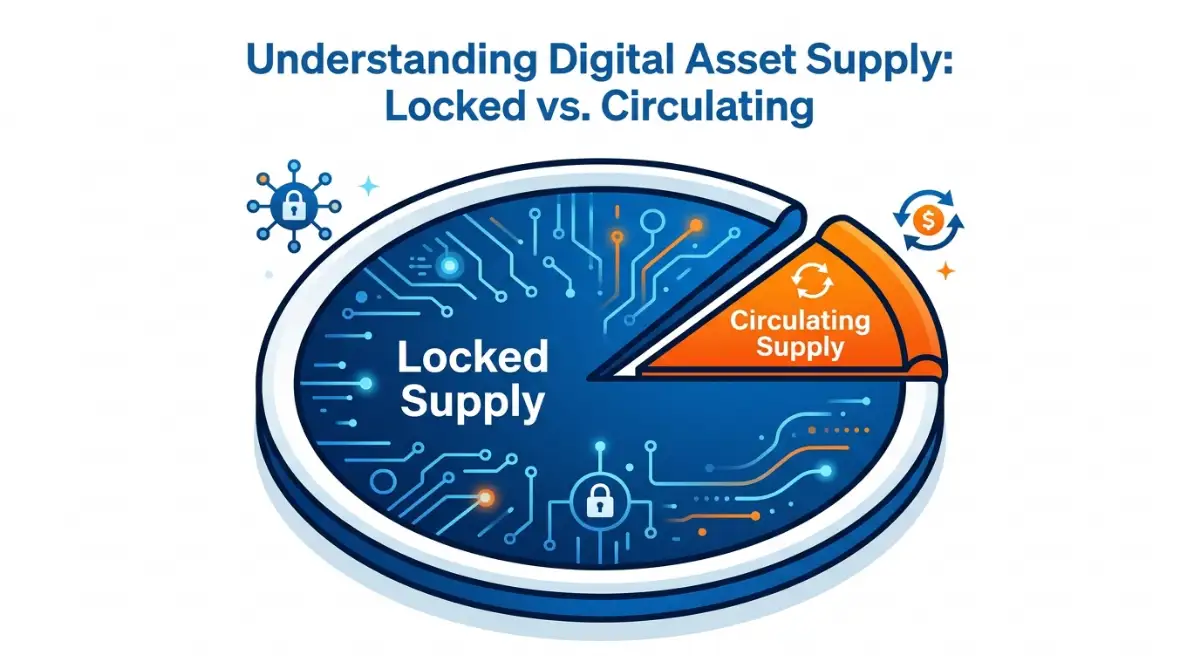
Think of the total token supply as a giant pizza. The price of a single slice depends on how many slices the pizza is cut into. If a project has a massive supply, the "slices" are going to be very small, and it takes a huge amount of capital to push the price up.
When you research a project, look for these three numbers:
- Circulating Supply: How many tokens are actually trading right now.
- Total Supply: How many tokens exist, including those locked away.
- Max Supply: The absolute limit that will ever exist.
If a project has a low circulating supply but a massive max supply, the price is almost guaranteed to drop as more tokens are "unlocked" and hit the market. It is basic inflation. The more tokens there are, the less each individual token is worth.
The Hidden Danger of Token Unlocks
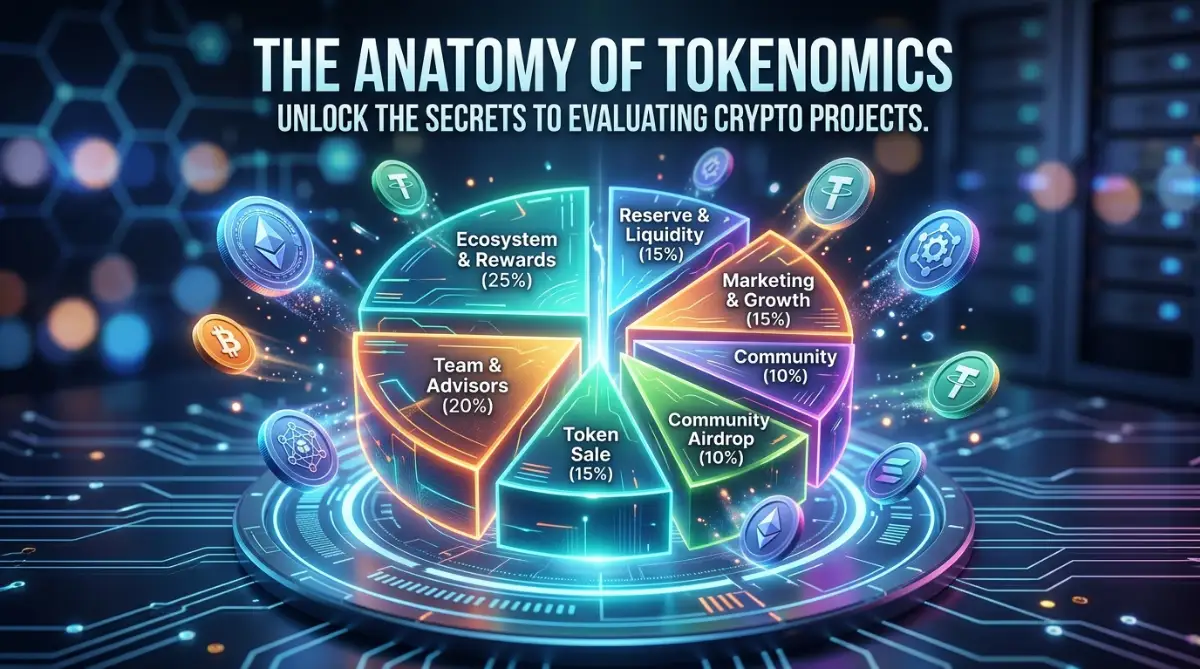
This is one of those things that can easily catch investors off guard. Many crypto projects use a vesting schedule, which means tokens allocated to the team, founders, or early investors are locked for a certain period and then released gradually over time.
The important part is what happens when those locked tokens become available. Some holders may decide to sell part of their allocation and take profits, which can add extra selling pressure to the market. If you buy shortly before a large token unlock, you could find yourself facing a sudden increase in the number of tokens available for sale.
Before putting money into a project, take a few minutes to check its tokenomics or official documentation for a token release schedule or upcoming unlock dates. Knowing when large amounts of tokens are scheduled to enter circulation can give you a clearer picture of the potential supply pressure ahead.
Why Utility is Not Just a Buzzword
Utility is the "why" behind the token. If a token has no use case, it is essentially a digital coupon for a store that sells nothing. Ask yourself: what problem does this token actually solve?
Does it power a decentralized network? Is it used for governance? Can you stake it to earn rewards? If the answer is "no," then the token is only worth what the next person is willing to pay. That is a house of cards, not an investment.
The Investor’s Checklist for Tokenomics
You don't need a degree in economics to do this. You just need to follow a simple routine before you even think about hitting the "buy" button.
Check the Distribution Table
Look at the project’s website or whitepaper for the distribution chart. How much of the supply is held by the team? How much is reserved for public sale?
If the team holds more than 30% to 40% of the supply, be very cautious. That gives them the power to move the market whenever they want. You want to see a distribution that favors the community, not the insiders.
Verify the Token Burn Mechanism
Some projects "burn" tokens, which means they permanently remove them from supply. This is like a stock buyback; it increases the value of the remaining tokens. It can be a great sign of a project that cares about its token holders.
But don't just take their word for it. Check the burn address on the blockchain. If they claim to burn tokens but the wallet is still active, you are being lied to.
Analyze the Inflationary Schedule
Is the project minting new tokens every day? If so, the demand has to be massive just to keep the price stable. Most projects with high inflation rates end up bleeding value over the long run.
Look for projects that have a "deflationary" or "capped" supply model. These are the ones that have a mathematical chance of holding value when demand picks up.
Pro Tip: The Reality Check
I once found a project that looked perfect on paper, but when I checked their GitHub—the place where they store their code—it hadn't been updated in months. I checked the supply, and sure enough, the founders were dumping tokens every week. The lesson? A project can have great tokenomics on their website, but if the code isn't moving, the value is dying. Always verify if the work is actually happening.
How to Stay Safe
If you are holding your assets, you need to make sure they are in the right place. Keeping tokens on an exchange is okay for trading, but for long-term holds, you need security. Read up on how to safely store your crypto to ensure you aren't leaving yourself open to exchange failures.
Myth vs. Reality: The Tokenomics Game
Don't let the marketing hype fool you. Most of the claims you see on social media are designed to sell you a story, not a project.
Assessing Your Risk: Can You Sell?
Everything we’ve discussed so far assumes you can actually sell the token when you want to. But if the project has low liquidity, you are going to get trapped.
If you are curious why this is such a dangerous problem for your portfolio, look into why liquidity risk is the silent killer of your investment returns. It is the one risk that people ignore until it is too late to do anything about it.
Why GitHub and Documentation Matter
You might be wondering, "Why are we talking about code and documentation when the title says token supply?" Because token supply is managed by code.
If the code is buggy or centralized, the team can change the supply rules whenever they want. A good project will have an open-source contract that you can read, or at least a third-party audit that verifies the supply is locked.
Check the Audit
Never buy a token that hasn't been audited. A reputable security firm should have reviewed the smart contract to make sure there are no "backdoors" that allow the team to print infinite tokens. If you can't find an audit, stay away.
Read the Docs
The whitepaper isn't there to look pretty. It is the legal and technical foundation of the project. If it is full of buzzwords but has no technical details, that is a red flag. Real projects explain how the token supply is managed.
Look for Transparency
The best projects have "dashboards" where you can see the supply in real-time. They aren't afraid to show you where the tokens are moving. If a project is secretive about their holdings, they have something to hide.
Watch This Before You Buy
Visualizing how token inflation impacts your investment is a game-changer. Sometimes the numbers are hard to picture until you see them on a graph.
This video guide walks you through the math of inflation and how it eats your potential profits:
Building a Strategy That Protects You
You don't have to be a math genius to win in this market. You just need to be more disciplined than the person trying to get rich quick.
- Stop chasing hype: If you see it on a "Top Trending" list, it is probably too late.
- Verify, don't trust: Check the blockchain data yourself.
- Use cold storage: If you aren't day trading, move it to a safe wallet.
- Accept the losses: If you find out you bought a bad project, get out and learn from it.
Wrapping Up: Your Money, Your Rules
The crypto market is the wild west of finance. It is exciting, it is fast, and it is dangerous. But if you take the time to read the token supply, understand the utility, and check the distribution, you give yourself a massive advantage.
You are no longer a victim of the "next big pump." You are a researcher. You are an investor. And most importantly, you are in control of your financial future.
Keep reading the docs. Keep checking the blockchain explorers. Keep asking the hard questions. You are building something lasting, and that starts with the due diligence you do today.
Frequently Asked Questions
What is the difference between circulating and max supply?
Circulating supply is the amount of tokens currently in the hands of the public. Max supply is the total amount that will ever be created. If the max supply is much higher than the circulating supply, the price could drop as more tokens are released.
Where can I find the official tokenomics of a project?
Always check the official website and whitepaper. Avoid third-party summary sites if you can, as they might have outdated information. When in doubt, look for the smart contract address and check the blockchain explorer.
What is "vesting" and why does it matter?
Vesting is the schedule for when tokens are released to the team or investors. If you buy before a "vesting cliff," you might be buying just before millions of tokens hit the market, which usually drives the price down.
Can I trust a project just because it has an audit?
An audit is a good sign, but it’s not a guarantee. It means the code was checked for vulnerabilities, but it doesn't mean the project is a good investment. Always combine the audit with your own research on supply and utility.
Is it always bad if a team holds a lot of tokens?
It depends. If those tokens are locked for several years, it shows the team is committed to the long term. If they are liquid and can be sold at any time, that is a red flag.
How do I check if a project is "burning" tokens?
You can look at the project’s blockchain address. If it’s a legitimate burn, you will see a massive amount of tokens sent to an address that no one has the keys to (often ending in all zeros). If you can't verify the burn, don't count it as a benefit.
Mastering On-Chain Audits: The Secret Language of Crypto Projects
You have already learned the basics of looking at token supply and utility. Now, we need to move into the territory of the "on-chain audit." This is where you stop trusting the marketing materials and start looking at the truth written in the blockchain code.
The blockchain does not lie. It is an immutable ledger that records every movement of every token. If a project claims that their tokens are locked for three years, you can verify that claim yourself by looking at the contract address.
Learning to Read the Explorer
My Personal "Safety Toolbox" for Checking Projects:
Before I trust any contract, I keep these three bookmarks ready:
- CoinGecko/CoinMarketCap: For accurate (not marketing-based) supply data.
- Etherscan/BscScan: To paste the token address and check the "Holders" tab for whale concentration.
- TokenSniffer: To run an automated security check on the contract code before I ever connect my wallet.
Every major blockchain has an explorer—a website where you can see every single transaction. Whether you are using Etherscan for Ethereum or BscScan for the Binance chain, the process is very similar.
Start by finding the contract address of the token you are interested in. Once you have it, paste it into the explorer’s search bar. This gives you the keys to the kingdom.
Spotting Whale Concentration
Look for the "Holders" tab. This page shows you the percentage of tokens held by the top addresses. This is one of the most honest metrics you can check.
If you see that the top ten addresses hold 80% or 90% of the supply, you are looking at a dangerous situation. It means a small group of people has the power to crash the price at any moment by selling their holdings. You can learn more about how blockchain explained for beginners can help you understand how these wallets interact with the network.
How to Track Large Moves
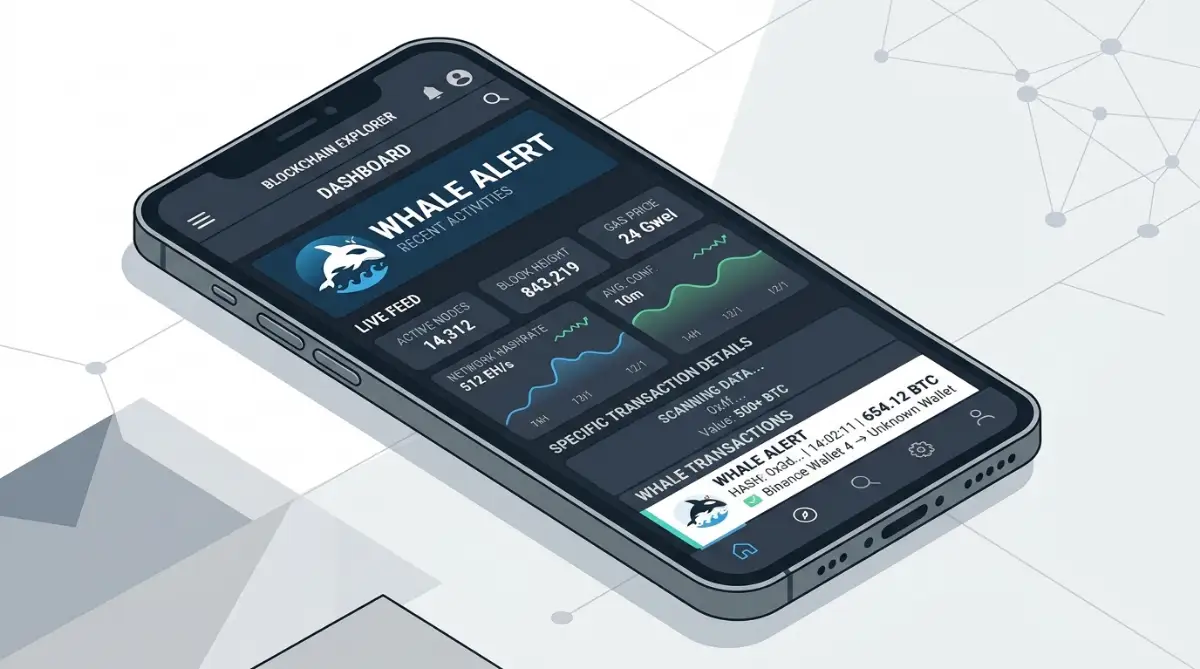
Large wallets, often called "whales," move the market. You can set up alerts to see when these wallets move their tokens to an exchange.
When a massive amount of tokens hits an exchange, it almost always signals that a sale is coming. Using professional data tools provided by firms like Chainalysis can give you a better view of these large-scale movements before they impact your portfolio. Don't be the person who buys right as the whales start their exit.
The Importance of Contract Verification
Never interact with a contract that hasn't been verified. Most blockchain explorers will show a green checkmark next to the contract code if the developers have uploaded and verified it. This confirms that the code running on the network is exactly what the developers claim it is.
If there is no green checkmark, you are essentially flying blind. You have no way of knowing if the contract has hidden functions that allow the creator to drain your funds. Always check this before you try to safely set up your wallet to interact with these decentralized applications.
Recognizing "Honeypots"
A honeypot is a malicious project designed to look like a legitimate investment. The code is written so that you can buy the token, but you can never sell it.
The developer sets it up so that their address is the only one authorized to sell. You might see the price going up and think you are making money, but you are just inflating a balloon that you can never let go of. Avoid any project that does not allow you to trade freely.
Traps That Turn Investors Into Victims
It is easy to get caught up in the excitement of a fast-moving market. However, success in this space is les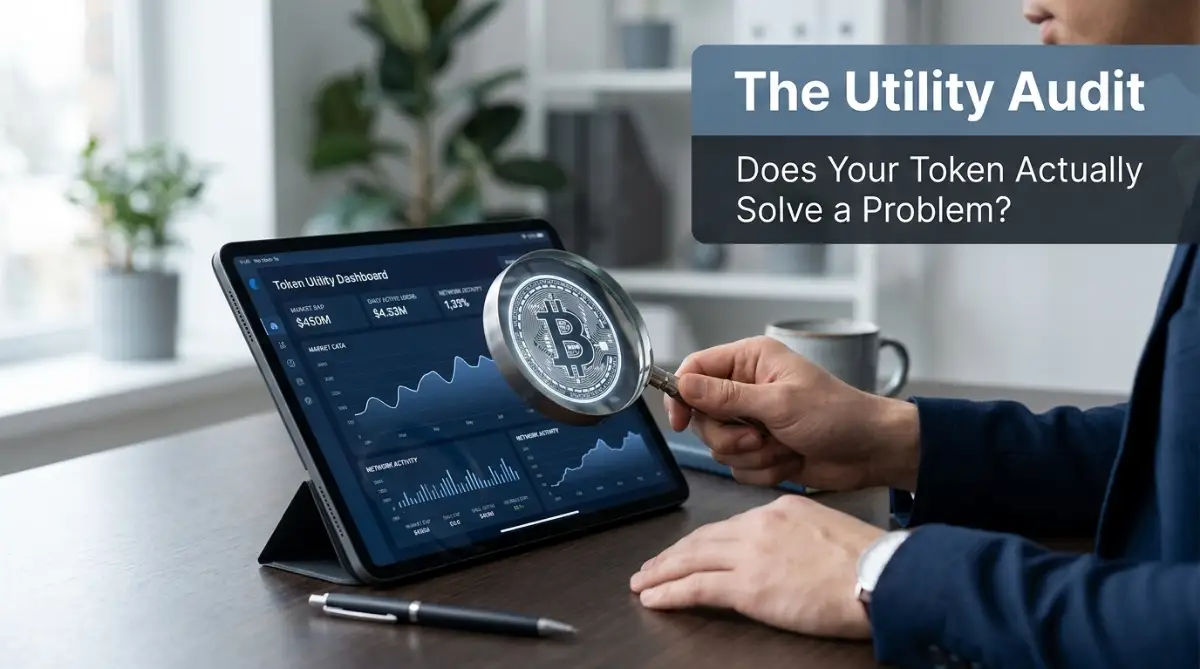 s about picking the winners and more about avoiding the losers. Let’s look at the patterns that lead most people to lose their capital.
The FOMO Feeding Frenzy
Fear of Missing Out (FOMO) is the greatest weapon a scammer has. They build hype on social media, showing fake screenshots of 100x gains, and they wait for you to panic-buy. If you feel like you must buy right now, that is the clearest sign that you should wait.
Real opportunities do not require you to act in five seconds. When you buy out of fear, you ignore your research checklist and rely on hope. That is not investing; that is speculation vs value-based investing, and speculation almost always favors the house, not the player.
Ignoring the "Vesting" Reality
I have watched people buy tokens just days before a massive unlock event. They see the price is stable and assume it will stay that way. They fail to realize that millions of tokens are about to be released to the founders.
When those tokens hit the market, the price collapses instantly. The founders cash out, and the retail investors are left holding the bag. Always check the vesting schedule for any project you touch.
Trusting "Community" Sentiment
Social media communities can be echo chambers. If you go to a Discord or Telegram channel for a specific project, you will only hear people praising the token. Anyone who asks a tough question about the supply or the team is often banned or mocked.
This manufactured positivity is a major red flag. A healthy project should welcome tough questions from its community. If they silence critics, they are hiding something.
Relying on Influencer Opinions
Influencers are often paid promoters, even if they don't say it. When an influencer tells you a token is going to change the world, ask yourself: how do they benefit if I buy this?
If they are selling a course, a premium group, or the token itself, they are not on your team. They are using your attention to grow their own bank account. You can find more details on how to spot these common fraudulent tactics through resources like the FTC’s guide on scams.
Neglecting Your Own Risk Tolerance
Not every project is suitable for every person. Some projects are incredibly volatile and could drop 50% in a single day. If you cannot afford to lose the money, do not put it in a high-risk project.
Understand that your investment time horizon dictates how much risk you can take. If you need this money in the next few years, high-risk speculation is completely inappropriate for you.
Your Path to Smarter Investment Decisions
Building wealth in the crypto space isn't about finding the "next big thing." It is about consistency and education. You don't need to hit a home run on every trade to be successful.
The Power of Patient Research
The best investments I have made were the ones where I spent weeks reading, checking the code, and monitoring the community before buying a single token. Being patient gives you a perspective that hype-buyers never get.
When you do your own research, you know exactly why you are in the trade. You don't need to check the price every ten minutes because you have faith in the project's long-term utility. This allows you to invest wisely even when the market is volatile.
The Value of Fundamental Analysis
Stop looking at charts and start looking at the business. Does the project have a real revenue stream? Do they have real users? Are they solving a problem that people are willing to pay for?
Applying fundamental analysis to crypto projects will change your entire perspective. You will stop seeing tokens as lottery tickets and s