What You’ll Learn in This Guide
- Digital Ownership: Why exchanges are risky and how cold storage gives you back control.
- Risk Management: How to use your time horizon to dictate your investment strategy.
- The "Moat" Theory: How to spot businesses and assets that actually have long-term potential.
- Automated Habits: Simple steps to rebalance your portfolio and keep your risk in check.
The Night the Screen Went Blank
Waking up at 3 AM to check your crypto balance is a sign that you’ve lost control of your financial peace of mind. If you’re constantly worried about platform glitches or market volatility, you’re not investing—you’re gambling with your stress levels. It’s time to move your digital assets into a true fortress and align your strategy with your actual goals. Let’s look at how to stop fearing the market and start mastering it.
I thought about all the hours I had spent researching, the money I had saved, and the dreams I had attached to those digital coins. In that moment of darkness, I realized I had no control over my own property. I was trusting a third party to guard my future, and at any second, that access could disappear. It was a wake-up call I didn't know I needed, but it changed everything about how I view digital money.
You might be living in that same state of quiet anxiety. You keep your assets on an exchange because it feels easy, but deep down, you know the risk is real. You are always one platform glitch or one security breach away from losing it all. It is a heavy burden to carry, and it keeps you from enjoying the actual growth of your investments.
It is time to move past the fear. We are going to look at how to build a digital fortress that is simple, effective, and completely under your control. Let's break down the fundamentals of cold storage and make you the master of your digital kingdom.

The Vault vs. The Locker: Understanding True Ownership
To understand cold storage, you must first understand why leaving money on an exchange is different from using a wallet. Think of an exchange like a public locker at a train station. You can put your things in, but the station master holds the key.
| Storage Method | Control Level | Risk of Hack | Best For |
| :--- | :--- | :--- | :--- |
| Exchange | Low | High | Short-term trading |
| Software Wallet | Medium | Moderate | Small amounts |
| Hardware Wallet | Full | Extremely Low | Long-term HODL |
Why Exchanges Are Not Your Bank
When you hold crypto on an exchange, you are essentially trusting them to keep a promise. If they get hacked, go bankrupt, or experience technical errors, your coins are at risk. You do not have the "keys" to the locker; the exchange does.
The Concept of the "Cold" Vault
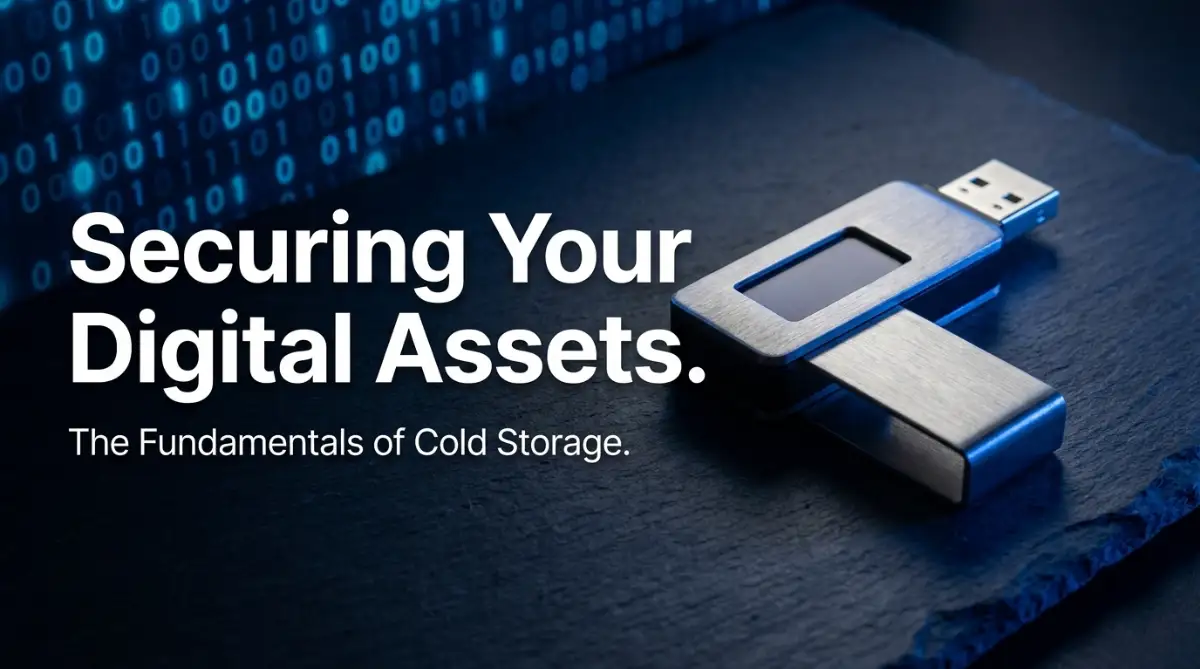
Cold storage is the act of keeping your assets in a place that is not connected to the internet. Think of this as a digital safe in your own home. Even if the entire internet has a massive security issue, your safe remains closed and unreachable to outsiders.
The Keys to the Kingdom
In the world of crypto, your "keys" are long strings of numbers and letters. If someone has these keys, they have your money. Cold storage works by keeping these keys off the internet where hackers cannot see them. It is the most effective way to prevent theft because you remove the digital "bridge" that thieves use to steal funds.
Myth vs. Reality
Many people think cold storage is too hard for average folks. They imagine complicated software and hours of setup.
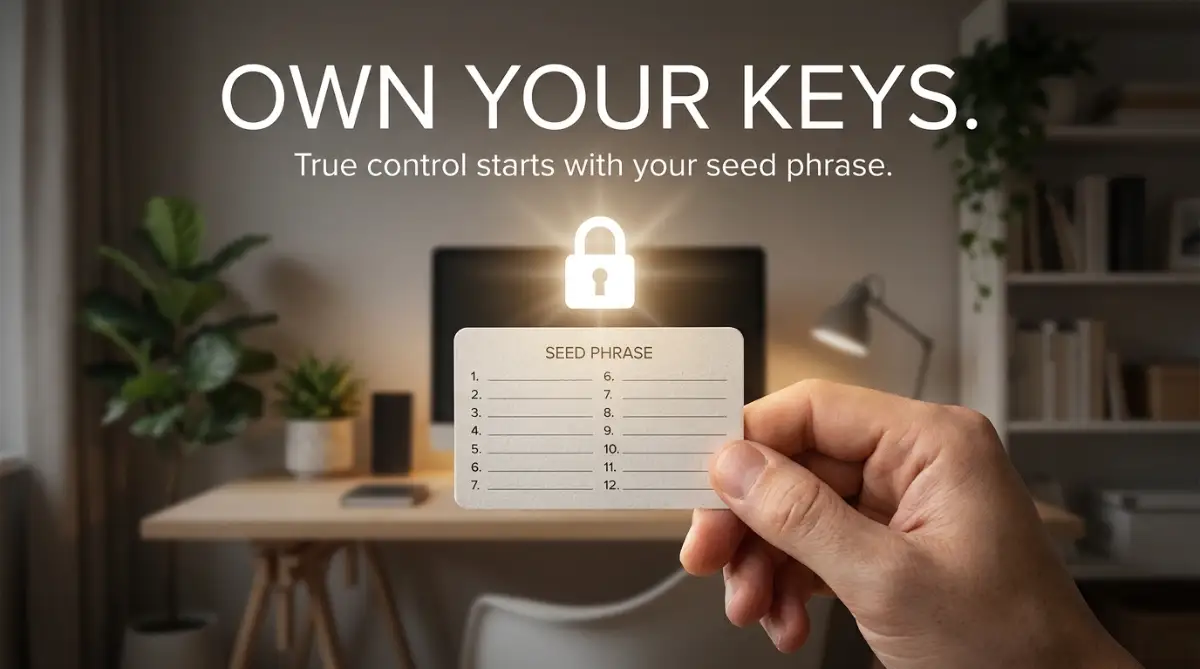
Pro Tip: I remember when I first set up my hardware wallet, I was so worried about losing the "seed phrase." I tried to memorize it instead of writing it down. That was a disaster waiting to happen. My realization? Write down your recovery phrase on paper and hide it in a fireproof place. Don't try to be a hero with your memory. Your brain is not a storage device, but paper is a proven record-keeper.
The Blueprint to Your Digital Fortress
You don't need a PhD in computer science to do this. You just need a systematic approach to setting up your environment. Let's walk through the steps to get you secured.
Phase One: Selecting Your Hardware
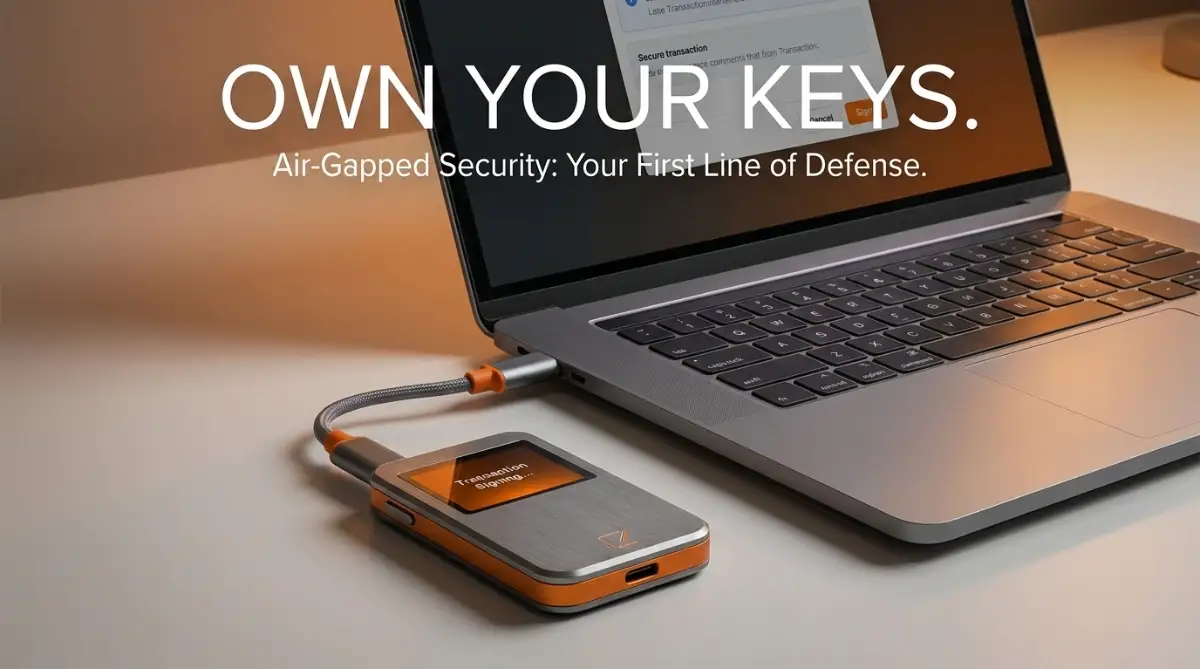
Not all wallets are the same. You want a device that is dedicated solely to storing keys. Look for wallets that have an "air-gapped" design, which means they never expose your private keys to your computer, even when you are signing a transaction.
- Check the source: Only buy hardware wallets directly from the manufacturer. Never buy a used wallet from a third-party marketplace.
- Verify the seal: Ensure the packaging hasn't been tampered with before you receive it.
- Simple is better: You don't need a wallet with a dozen extra features. You need one that is secure, reliable, and easy to backup.
Phase Two: The Setup Routine
Once you have your device, the setup process is where the real security happens. This is the only time your wallet is truly vulnerable, so do it in a private space.
- The Initialization: The device will generate your private keys for you.
- The Seed Phrase: This is the list of 12 to 24 words that recover your wallet if the device breaks. This is your money. Do not take a photo of it. Do not store it on your computer. Write it down with a physical pen.
- Verification: Some wallets will ask you to re-enter the words to confirm you wrote them down correctly. Take your time with this.
Phase Three: The Transfer Strategy
Now that your fortress is built, you need to move your assets safely.
- Test with a small amount: Do not send your life savings in the first transaction. Send a tiny test amount first to ensure you have the right address.
- Verify the address: Double-check every single character of the destination address. Malware can sometimes swap addresses in your clipboard.
- Confirm on the device: A secure wallet will show you the address on its small screen. Compare the address on your computer screen to the one on your device. If they don't match, do not proceed.
Phase Four: Maintaining the Wall
Firmware updates: Occasionally, the manufacturer will release updates to fix bugs. Keep your device updated, but only through the official software.
- Avoid Phishing: No reputable wallet company will ever ask you to type your seed phrase into a website. If a site asks for those words, it is a scam.
- Physical Security: Your seed phrase should be treated like a bar of gold. Keep it away from water, fire, and prying eyes.
Watch this video to understand the mechanics of how a hardware wallet actually communicates with the blockchain without ever exposing your keys:
This quick explanation will show you exactly how your device signs a transaction while keeping your digital assets safe from online prying eyes.
The Psychology of Secure Storage
Most people don't lose their crypto because of a sophisticated hacker in a dark room. They lose it because they got lazy, tired, or hurried. You have to fight your own human nature when it comes to security.
The "Urgency" Trap
Hackers often create a sense of panic. They might send you an email saying, "Your wallet is compromised, click here to recover your funds." They want you to panic-click. If you ever feel a sudden urge to rush, stop. That feeling is the sign that you are being targeted.
Why You Need a Routine
A routine is the enemy of mistakes. If you always use the same computer for your wallet, and you always follow the same checklist for verifying addresses, you are much less likely to make a slip-up. Treat your wallet management like a professional procedure.
The Importance of Privacy
Stop telling people how much crypto you have. The less people know about your assets, the safer you are. You don't need to be a target. Maintain a low profile, and keep your wallet activities private.
Managing Your Assets Over Time
You have taken the first step. You have moved your assets to cold storage. Now, how do you keep them safe for the next decade? It is all about how you manage your backup data.
The Multi-Location Strategy
What happens if your house burns down? If your paper seed phrase is in the house, it's gone. Many serious investors keep their seed phrase backed up in two or three separate, secure locations. Some use steel plates to engrave their phrase, which is fireproof and waterproof.
Passing on the Legacy
What happens to your crypto if you aren't around? This is a tough conversation, but it is necessary. You need a plan to ensure your loved ones can access your assets if something happens to you. You can share access with a trusted family member or include instructions in your estate planning.
Staying Updated on Threats
The tech changes fast. New vulnerabilities can appear. Stay plugged into the community news, but be careful of "FUD" (fear, uncertainty, and doubt). You don't need to obsess over every single threat, but you should have a general idea of how to keep your systems patched.
Building a Fortress That Lasts
You are now equipped with the mindset and the tools to look at storage differently. Remember that this is a journey, not a sprint. You are building a system that will serve you for your entire life, not just for the next trade.
Focus on what you can control. You cannot control the market. You cannot control the platforms. But you can control where your keys live. That is the ultimate form of power in this new digital economy.
Stay committed to your safety plan even when others are rushing. The people who reach the finish line of their financial goals are not the ones who made the most noise; they are the ones who stayed quiet, diligent, and consistent. You have the power to create a legacy of security for yourself and your loved ones.
Your "Safe Investing" Checklist:
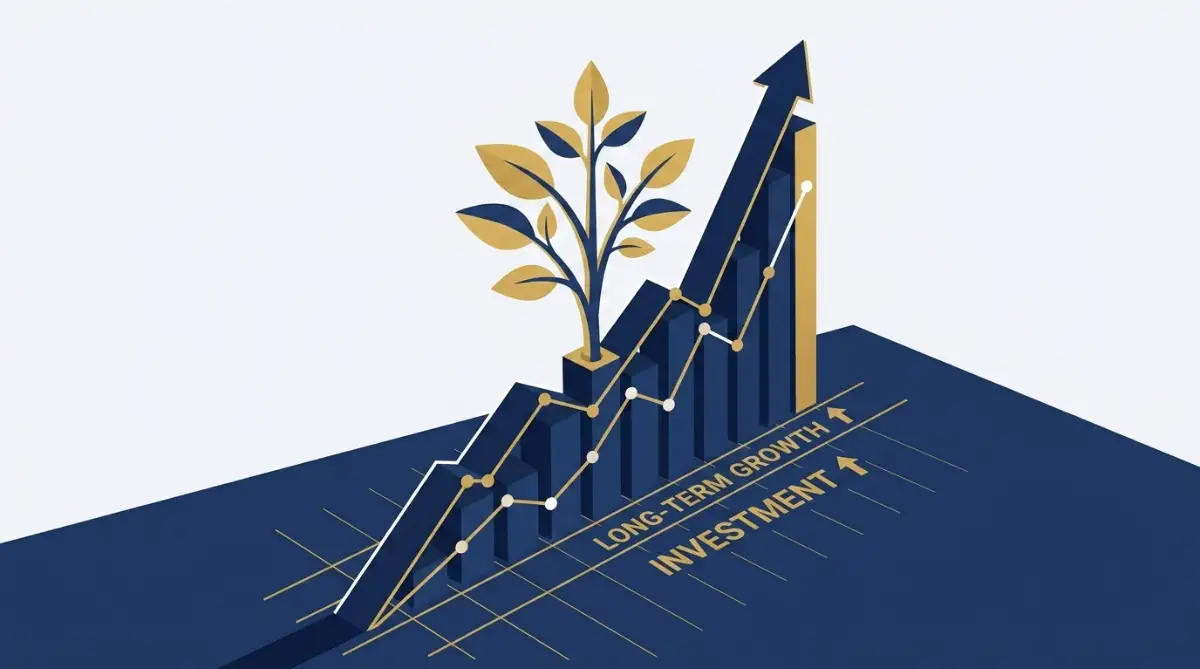
- Verify your time horizon: Are you in this for 1 year or 20? Your asset choice must match your timeline.
- Audit your fees: If you’re paying over 1% in management fees, you are losing massive compound growth.
- Secure the keys: If you don't own your private keys, you don't own your coins. Move to cold storage today.
- Ignore the noise: Market news is designed to trigger panic—stick to your plan.
Trust the process. I spent so many nights awake worrying about my digital wallet, only to realize that true peace of mind comes from simple, physical control. My personal realization was that I didn't need to be lucky; I just needed to be careful. I encourage you to take that first step today, get your hardware wallet, secure your keys, and let your assets grow in peace.
Common Questions About Digital Security
Is a hardware wallet really worth the cost?
Think of it like insurance. You wouldn't leave your physical cash in an unlocked room, so why leave thousands of dollars of digital wealth exposed? A hardware wallet is a low-cost, high-value insurance policy for your financial future.
What happens if I lose my hardware wallet?
If you lose your device, your money is not gone. You simply buy a new device, use your seed phrase to restore your wallet, and your assets are right there. Your money lives on the blockchain, not on the physical device.
Can I store all my different coins on one wallet?
Most modern hardware wallets support thousands of different assets. You can usually manage your Bitcoin, Ethereum, and other tokens from one single device. Always check the manufacturer's compatibility list before you buy.
How do I know if my wallet is legitimate?
Only buy directly from the manufacturer's official website. Never buy from third-party sites like eBay or random marketplace sellers. If the seal on the box is broken, do not use it; contact the manufacturer immediately.
Do I need to be online to move my crypto?
You will need to connect your device to a computer or phone to sign a transaction, but your private keys never leave the device. The device sends the signature to the blockchain. This is why it is called "cold" storage—the actual keys stay "cold" and isolated from the online world.
Sophisticated Methods for Long-Term Portfolio Alignment
Once you have established your timeline, the real work begins. Many people think that once they set their asset allocation, they can walk away for a decade. I have found that a more active, yet patient, approach serves the long-term investor much better.
The most effective strategy I have used is automated rebalancing. When your stocks perform well, they eventually make up a larger percentage of your portfolio than you originally planned. This leaves you taking on more risk than you intended to handle.
By rebalancing once or twice a year, you force yourself to sell high and buy low. It takes the emotion out of the process, ensuring you don't get too exposed to one asset class. You can find more details on why this discipline is required in how to stay calm and invest wisely during market volatility.
Another pro-level secret is to maximize your tax-sheltered accounts before putting money into taxable ones. I made the mistake of ignoring this early on, thinking it was "too complicated." In reality, using tax-advantaged vehicles is one of the easiest ways to accelerate your wealth building.
You can look at how to build wealth through smart dividend investing to understand how dividends can be reinvested tax-free within those accounts. It turns your portfolio into a snowball that rolls faster as it gets larger.
I also recommend treating your financial health like your physical health. When I neglected my financial clarity, I found that my overall stress levels peaked. You might be surprised to find that why mental health check-ups are just as essential as physical screenings is actually a great parallel for your portfolio. A stressed mind makes poor investment decisions.
Pro Tip: I learned the hard way that "tracking too often" is a recipe for disaster. I used to check my accounts on my phone during my lunch break. My realization? If you are a long-term investor, your daily balance is irrelevant noise. Now, I only check my accounts quarterly, which keeps me from making unnecessary trades based on temporary market moods.
For those who want to see how the experts evaluate risk-free assets, you can check the official data provided by Treasurydirect.gov. It helps you understand what a "risk-free" return looks like in the current market. Using this as a baseline helps you decide how much extra risk you are willing to take for potential gains.
Finally, remember that the most complex financial tools are often not the best. You do not need to trade derivatives or use massive leverage to reach your goals. Sometimes, the most sophisticated strategy is simply buying a diversified index fund and holding it for thirty years.
The Hidden Traps That Undermine Your Financial Goals
It is easy to think you are being smart, but most investors are tripping over the same stones. These mistakes happen when we stop thinking about our timeline and start thinking about our feelings.
One major pitfall is the "performance chasing" cycle. You see a sector—like tech or energy—do well for two years, and you decide to move your retirement money into it. This is a classic example of buying at the top. The market has a way of rotating, and by the time you join the party, the best gains are usually already gone.
Another trap is ignoring the "inflation tax." People save cash in high-yield savings accounts and feel proud. While that is great for your emergency fund, it is not a retirement strategy. If your returns are lower than the inflation rate, you are effectively losing purchasing power every single year.
Many investors also fail to account for big life changes. You plan for a perfect thirty-year run, but then life throws a curveball. You might find that breaking down legal separation and divorce what you must know becomes a necessity. Financial plans that are too rigid will shatter under the weight of major life transitions.
Then there is the mistake of "education procrastination." We often put off learning how money works because we think it is boring or too hard. We prefer to read about celebrity news instead of learning about asset classes.
You can use why traditional study habits often fail to retain complex information as a guide to learn better ways to educate yourself. If you don't understand what you are buying, you will panic when it goes down. Panic leads to selling at the wrong time.
Finally, don't ignore your fees. I have seen portfolios where high management fees eat up nearly 2% of the return every year. Over three decades, that small 2% difference can result in losing hundreds of thousands of dollars. Always check the expense ratios of your funds.
Your Path Forward: Actionable Steps for Success
If you feel overwhelmed, stop looking at the whole mountain and look at your feet. You don't need to be perfect today. You just need to be better than you were yesterday.
Start by checking your asset allocation tonight. Does it match your age and your retirement date? If you are young, make sure you have enough growth potential. If you are close to the finish line, make sure you have enough stability.
Next, look at your fees. Are you paying someone 1% to manage a fund that you could buy for 0.05%? Switching to low-cost index funds is an immediate win for your future self.
Finally, automate your savings. Make the decision once, and let the bank do the heavy lifting. You will find that when money leaves your paycheck before you even see it, you adapt your lifestyle to live on what remains.
I used to be the person who worried about every single market headline. I would lose sleep over a 2% drop in my total account value. My life became much better when I realized that my plan was built for decades, not days. My goal for you is to find that same sense of control and calm. You have the tools, you have the logic, and you have the time—now go use them.
Common Questions About Investment Timelines
How do I know if I am being too conservative?
If your money is losing value after accounting for inflation, you are too conservative. You need your assets to grow faster than the cost of living. If your primary goal is twenty years away, having all your money in cash or low-interest bonds might actually be the riskiest choice you can make.
Is it okay to change my time horizon halfway through?
Life changes, and so do goals. If your goals shift—for example, if you decide you want to retire earlier than planned—you should adjust your horizon and your strategy accordingly. Just make sure you aren't changing your strategy simply because you are reacting to short-term market fears.
What if I have multiple goals with different time horizons?
This is very common. You might be saving for a house and retirement at the same time. You should treat these as separate "buckets" with different asset allocations. Don't mix your short-term house fund with your long-term aggressive growth stocks.
How often should I review my portfolio strategy?
An annual review is usually enough for most people. There is no need to look at it daily or even weekly. If your life circumstances change, such as a major salary increase or a family addition, that is a good time to re-evaluate your long-term plan.
Why does my risk tolerance change as I get older?
As you get closer to needing your money, you have less time to recover from a market crash. You want to prioritize protecting what you have already built over chasing high growth. It is a natural shift from "building" to "preserving."
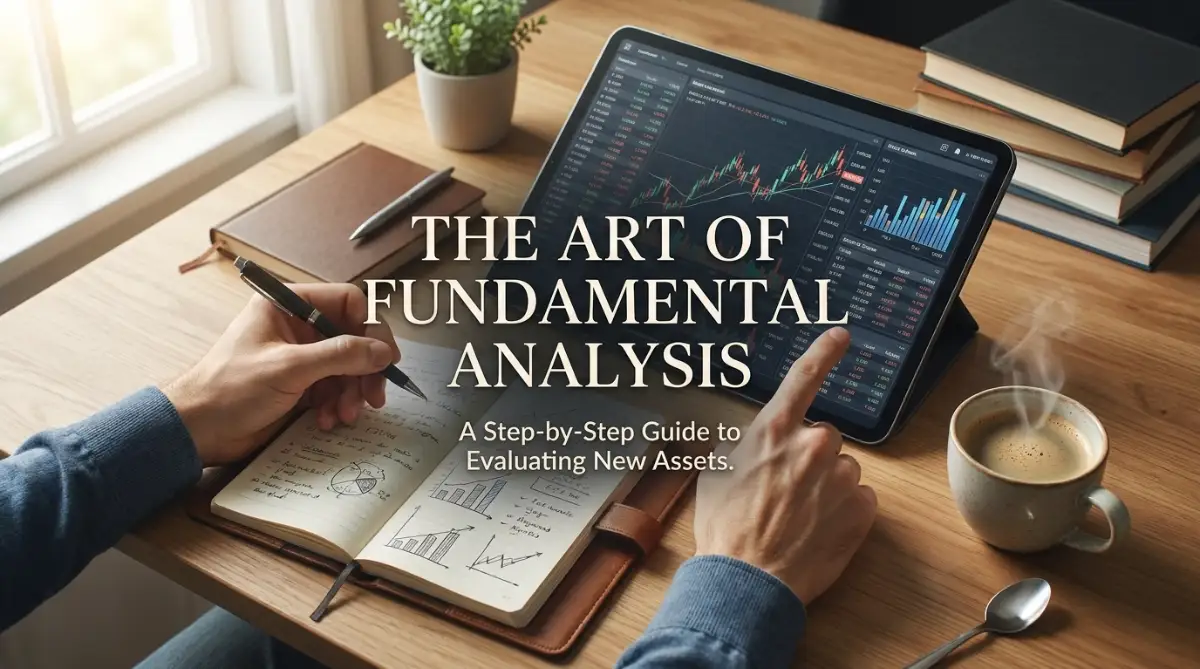
How do I start fundamental analysis for the long term?
You can use resources like Investor.gov to find tools and calculators. Focus on the company’s ability to generate cash and its long-term competitive advantages. Do not worry about the daily price swings.
Disclaimer: This article is for informational purposes only and does not constitute professional legal, financial, or insurance advice. Every financial situation is unique, and you should consult with a qualified financial advisor before making any decisions regarding your retirement or investment strategy.