

The Missing Piece: Why I Felt Like My Mind Was Foggy
It is 2 PM, and my brain feels like it is moving through wet cement. I stare at the same email for ten minutes, but the words just won't stick. This wasn't just tiredness; it was a heavy, gray fog that made simple tasks feel impossible. I used to think this was just "getting older" or being stressed, but I was dead wrong. It turns out, my brain wasn't the problem—my gut was.
At the time, I assumed my problem was purely mental. I thought I was just burned out or maybe stressed about my workload. I spent months searching for answers in self-help books and trying to "think positive," but nothing changed. I was frustrated, angry at my own lack of energy, and frankly, I felt hopeless. I assumed this was just how life was going to be from now on.
Then, by complete accident, I started changing what I ate. It wasn’t because I wanted to fix my brain; I just had some digestive issues that were bothering me. I cut out some processed junk and added more fermented foods because I read it might help my stomach. Within two weeks, the most amazing thing happened. That heavy curtain lifted.
It was not a sudden "aha" moment, but a slow, steady change. I realized I was sleeping better, my anxiety was lower, and I could actually concentrate again. That was when I realized the truth: my mood, my focus, and my mental health were not just in my head. They were being dictated by what was happening in my gut.
You might be going through the exact same thing right now. You are likely dealing with mood swings, a lack of focus, or unexplained anxiety, and you feel like your brain is the enemy. It is exhausting to live this way, especially when you feel like you are doing everything "right" but still feel off. Please know that it is not all in your head, and it is not a sign of weakness. You are simply dealing with a physical system that needs attention.
When your gut is not happy, your brain feels it instantly. It is a two-way street that we rarely talk about. If you are feeling overwhelmed, remember that you are not broken. You are just a human being whose biology is trying to tell you something. Let's look at how we can fix this, one small meal at a time.
Quick Summary: Your Gut-Brain Cheat Sheet
- The Connection: Your gut produces 95% of your serotonin; when your gut is inflamed, your mood and focus drop.
- Start Small: Don't overhaul your diet; add one portion of fermented food and extra fiber each day.
- Stress Matters: Your gut cannot digest food if you are in "fight or flight" mode; eat in a calm, relaxed environment.
- Listen to Feedback: Pay attention to how specific foods make you feel (heavy, tired, or sharp) and keep a simple note of it.
Decoding the Second Brain: How Your Gut Talks to Your Mind
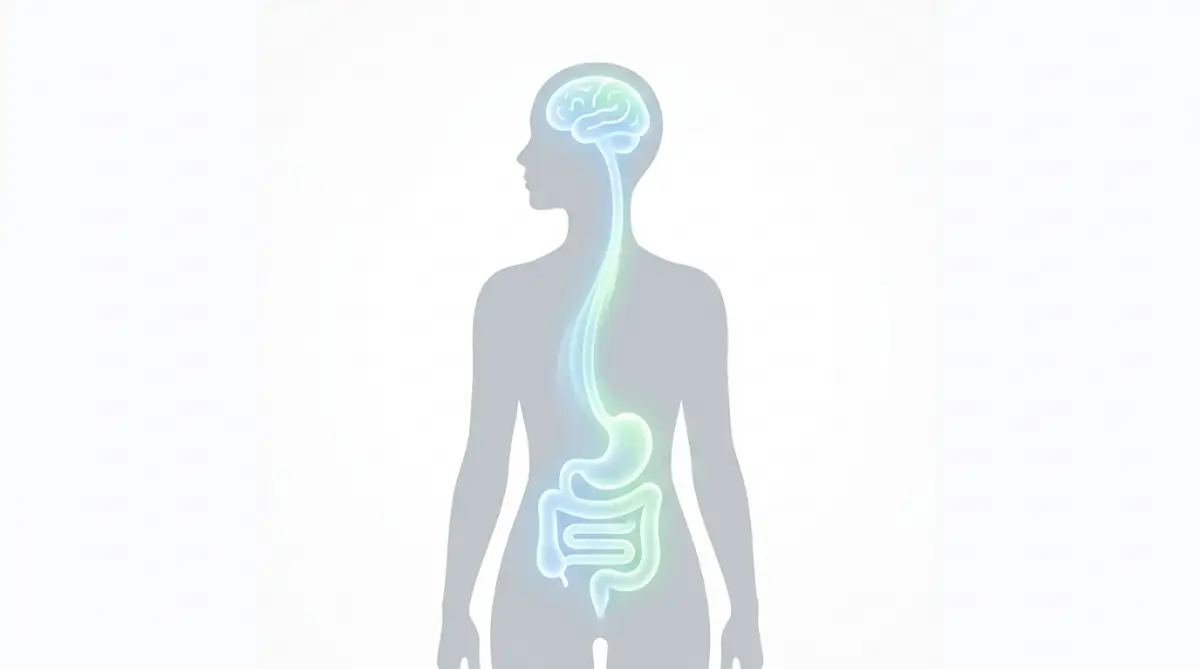
Your gut is often called your "second brain" for a good reason. It has its own network of neurons, known as the enteric nervous system, that works closely with your actual brain. This is why you feel "butterflies" when you are nervous or get a "gut feeling" about a decision.
The connection works through the vagus nerve, a long highway that runs from your stomach to your brain. Information travels up and down this highway constantly. When your stomach is inflamed or filled with bacteria that do not belong, it sends stress signals to your brain. This can trigger feelings of sadness, worry, or inability to focus.
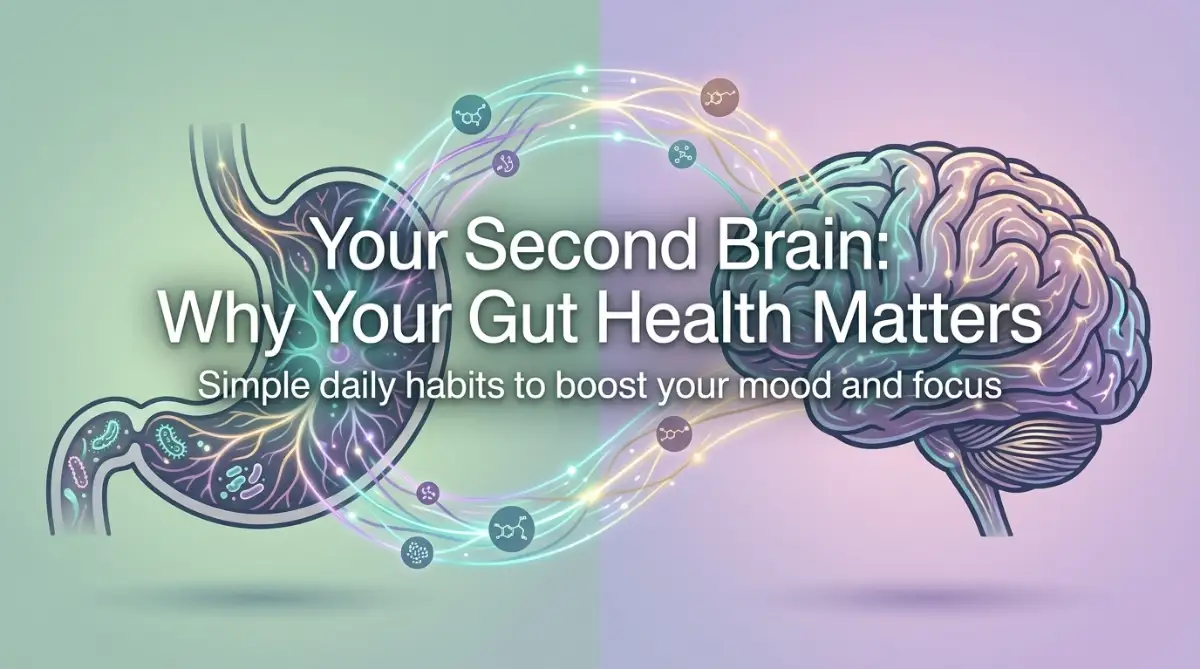
The Role of Serotonin
Serotonin is the "happy chemical" that helps regulate your mood, sleep, and appetite. If your gut is not healthy, your body struggles to produce enough of this chemical.
- Low gut health often means lower serotonin production.
- Lower serotonin can lead to feelings of depression or high anxiety.
- Inflammation in the gut creates signals that tell the brain to enter "fight or flight" mode.
This is why fixing your gut is one of the most effective ways to improve your mental state. You are not just changing your diet; you are literally fueling your brain's ability to be happy.
Simple Steps to Start Healing Your Gut Today
You do not need a restrictive diet or expensive pills to get started. Small, consistent changes are much better than radical shifts that you cannot keep up with. Think of this as training your microbiome—the community of tiny organisms living in your stomach—to work for you instead of against you.
Step 1: Add Fiber, Don't Just Remove Junk
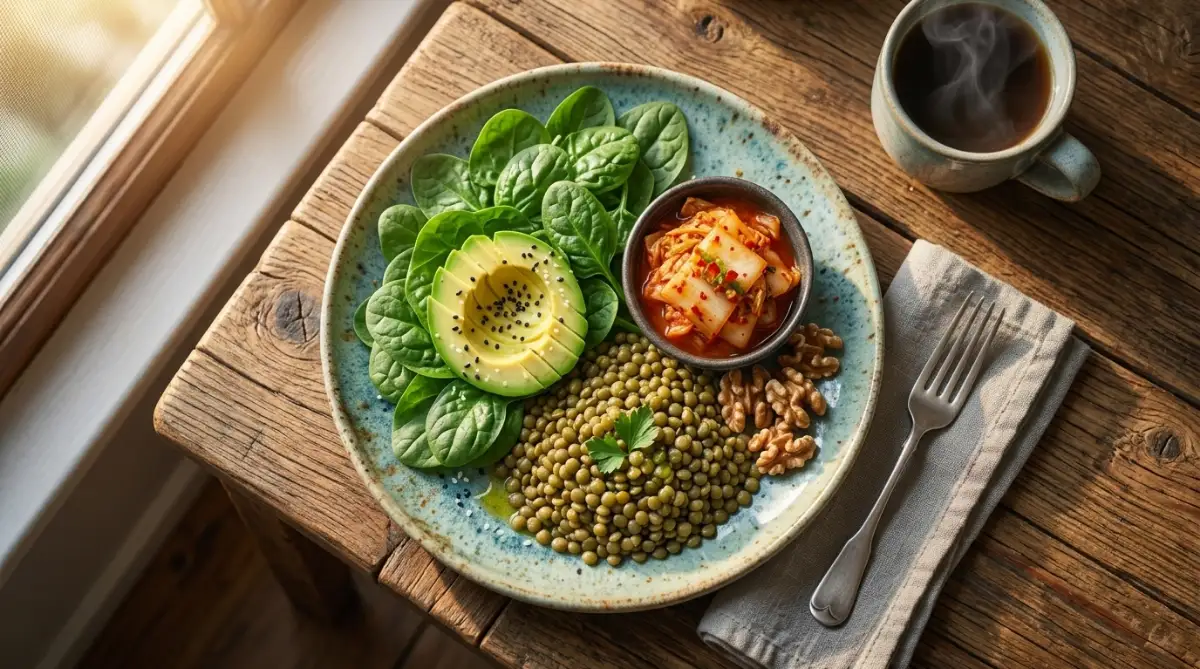
Most people focus on what they need to cut out, like sugar or processed foods. While that is helpful, it is even better to focus on what you add. Fiber is the food that your "good" gut bacteria love to eat.
- Eat more plants: Beans, lentils, oats, and vegetables are packed with prebiotics.
- Mix it up: Try to have at least three different colors of vegetables on your plate daily.
- Start slow: If you are not used to high fiber, increase your intake slowly to avoid bloating.
Step 2: Introduce Fermented Foods
Fermented foods are nature's probiotic supplement. They introduce healthy, live bacteria directly into your digestive system. Think of them as reinforcements for your gut team.
- Yogurt or Kefir: Make sure the label says "live and active cultures."
- Sauerkraut or Kimchi: A small forkful with lunch or dinner is perfect.
- Kombucha: A great alternative to sugary sodas.
Pro Tip: I used to think I had to eat huge bowls of fermented vegetables to see results. I was wrong and ended up with a massive stomach ache. My advice is to start with just one tablespoon a day. Your gut needs time to adjust to these new residents, just like any new team member needs training.
Step 3: Manage Your Stress Signals
A Simple Gut-Brain Routine to Try
Stress is a gut-killer. When you are stressed, your body diverts blood away from your stomach, which slows down digestion and hurts the balance of bacteria. Even if you eat the best food in the world, chronic stress will keep your gut from absorbing it well.
[Watch this short video to understand the powerful science behind the gut-brain axis and how your daily habits can either harm or heal your mental health.]
Myth vs. Reality: Clearing the Confusion
There is so much noise online about gut health that it is easy to get lost. Let’s clear up a few things so you can focus on what actually works.
The Impact of Processed Foods on Your Mood
Expert Insight: If you feel that "brain fog" hitting hard right now, try this: Stop for 60 seconds. Drink a glass of cool water and take five slow breaths into your belly (not your chest). This shifts your nervous system from "fight or flight" to "rest and digest" almost instantly. It helps your gut relax and sends a signal to your brain that it is safe to focus.
Processed foods are designed to be shelf-stable, but they are also designed to be easy for your body to break down quickly. This causes rapid spikes in your blood sugar. When blood sugar spikes and crashes, your mood follows.
I used to grab a sugary snack when I felt sad, hoping for a boost. It worked for ten minutes, but then the crash made me feel twice as anxious as before. By switching to complex carbohydrates like sweet potatoes or whole grains, I kept my energy stable.
Why Staying Hydrated Matters
Water plays a simple but important role in digestion. Your body needs enough fluid to help move food through the digestive system, and not drinking enough can contribute to constipation. When you’re dehydrated, you may also notice that you feel more tired or generally out of sorts.
- Keep water nearby: Having a glass or bottle on your desk makes it easier to sip throughout the day.
- Pay attention to your urine: Dark yellow urine can be a sign that you need more fluids, although urine color can also be affected by certain foods, supplements, and medications.
- Try warm drinks: Herbal tea can be a pleasant way to add more fluids to your day, especially when you want something warm and calming.
Understanding the "Fight or Flight" Response
When your gut is inflamed, your brain perceives this as a constant, low-level stressor. This puts you in a state of hyper-arousal. You might find yourself snapping at friends, overthinking small problems, or feeling jumpy for no reason.
This is not a character flaw. It is a physiological reaction. By cooling down the inflammation in your gut with anti-inflammatory foods like berries, nuts, and leafy greens, you help your brain exit that "fight or flight" mode.
The Importance of Mindful Eating
How you eat is just as important as what you eat. If you are rushing, standing up, or working while eating, your body cannot digest food efficiently.
- Sit down: Give your body the signal that it is time to relax.
- Chew thoroughly: Digestion starts in the mouth, not the stomach.
- Eat without screens: Give your brain a break and focus on your meal.
Building Your Long-Term Gut Wellness Plan
You do not need to overhaul your life overnight. Pick one thing from this guide—maybe it is adding a spoonful of sauerkraut to your lunch or drinking more water—and stick to it for a week. See how your focus and mood change.
I look back at that time when I was struggling with brain fog, and I realize how much I was suffering for no reason. I thought it was all just stress. I didn't realize that my stomach was begging for support. Once I gave it that support, the mental fog lifted, and I got my life back.
You deserve to feel clear, calm, and present. It starts with what you put on your plate and how you treat your body. Start small, stay consistent, and be kind to yourself. You are building a foundation for a better mood, and that is a journey worth taking.
Advanced Strategies for Sustaining Mental Clarity Through Gut Wellness
You have established the basics. You are eating better and feeling a bit more balanced. Now, let’s talk about how to keep this progress moving forward for the long haul. Gut health is not a temporary fix; it is a permanent lifestyle update.
The first secret to long-term success is microbiome diversity. Do not just focus on one type of "healthy" food. If you only eat yogurt for probiotics, your gut will get bored and unbalanced.
The Power of Plant Diversity
Science shows that people who eat over thirty different types of plants every week have much healthier guts than those who stick to the same five or six vegetables. When I say plants, I mean everything: nuts, seeds, fruits, vegetables, beans, and grains.
- Try a new item every trip: When you go to the store, pick one fruit or vegetable you have never tried before.
- Mix your herbs: Fresh herbs like cilantro, parsley, and rosemary count as plants and are amazing for gut diversity.
- Keep it simple: You do not need a complex recipe. Just sprinkle some seeds on your salad or add a handful of berries to your morning snack.
By eating a wide variety, you feed different types of beneficial bacteria. This creates a resilient internal environment. You can learn more about how to structure these healthy eating habits in this guide on how to manage chronic conditions through daily nutrition choices. When your nutrition is varied, your brain receives a stable supply of nutrients.
The Vagus Nerve Connection
Your vagus nerve is the main communication line between your gut and your brain. If you are always in a rush or stressed, this nerve gets "stuck" in a high-alert state. You can actually train this nerve to be calm.
Deep, slow breathing is the easiest way to do this. When you breathe deeply into your belly, you physically stimulate the vagus nerve. This tells your gut it is safe to digest food and tells your brain it is safe to relax.
Exercise and Your Gut Microbes
Did you know that physical movement changes the composition of your gut bacteria? Research from The National Institutes of Health (NIH) suggests that regular exercise increases the diversity of healthy microbes in the digestive tract.
You do not need to run a marathon. Even a brisk daily walk can do wonders. The key is consistency. When you move your body, you also improve blood flow to your digestive system. This helps with nutrient absorption and keeps your mood stable.
The Role of Polyphenols
Polyphenols are plant compounds that act like food for your beneficial bacteria. You can find them in colorful foods like dark chocolate, berries, green tea, and even coffee.
I started adding a square of dark chocolate or a handful of walnuts to my day, and I noticed a shift in my overall energy levels. It is an easy, enjoyable way to support your gut. These compounds work to reduce inflammation throughout your body, which helps your brain stay clear and focused.
Sleep as a Gut-Health Pillar
If you are exhausted, your gut will struggle. Poor sleep actually changes the balance of bacteria in your stomach within just a couple of nights. It makes the "bad" bacteria grow faster.
If you are struggling to wind down at night, it might be the reason your gut feels off. You can check out these seven evidence-based steps to rest better to help align your sleep with your gut health goals. Think of sleep as the time when your gut "repairs" itself from the stress of the day.
Listening to Your "Gut Feelings"
We often ignore the signs our body gives us. If you feel bloated, tired, or anxious after eating a specific meal, take note. This is your body giving you data.
You do not need to be a doctor to understand this. Keep a simple mental note. If a food makes you feel "foggy" or "heavy," it is probably not the best fuel for your brain. Over time, you will build a personal map of what makes you feel your best.
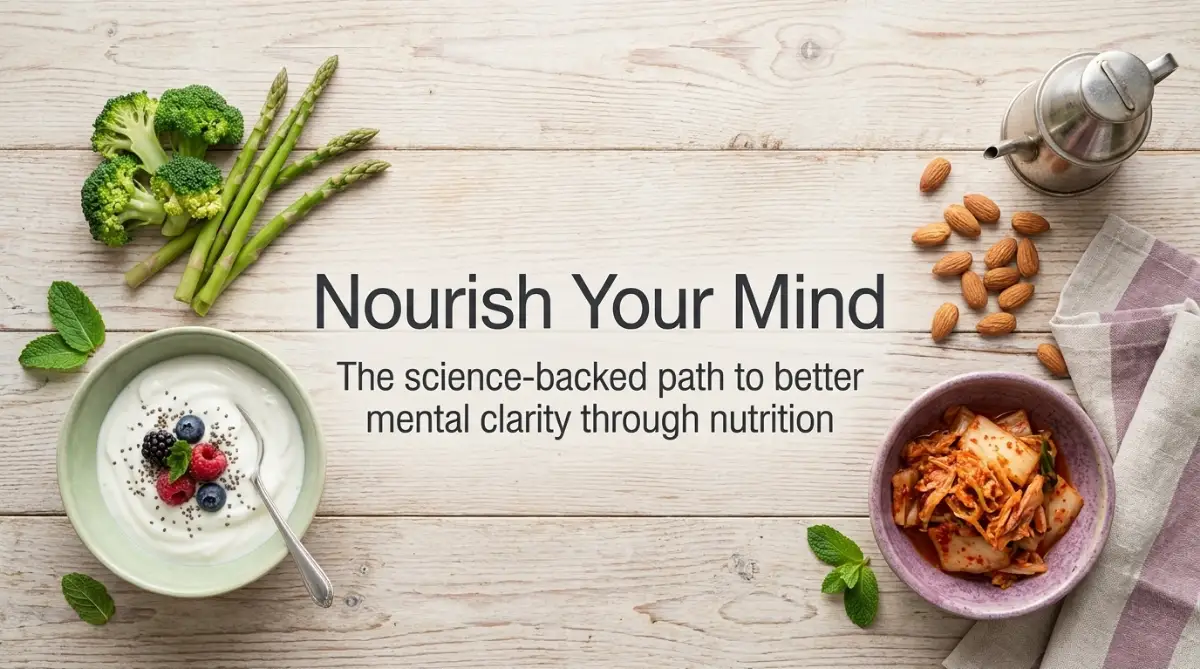
Mistakes That Can Undo Your Hard Work
It is easy to get excited and try to change everything at once. But often, the biggest errors come from trying to be "perfect" or moving too fast. Let’s look at the pitfalls that trip up most people.
The “All or Nothing” Trap
It can be tempting to change everything at once—cutting out sugar, dairy, gluten, and other foods overnight. But making too many drastic changes at the same time can make a new eating routine difficult to maintain. For some people, feeling overly restricted may also lead to cravings or eventually overeating the foods they were trying to avoid.
Your digestive system and eating habits may need time to adjust to meaningful changes. A sudden shift in what and how much you eat can also cause temporary digestive discomfort for some people, although the effects vary from person to person.
Instead of trying to overhaul your entire diet in one day, start by adding more nutritious foods you enjoy. Gradually include more vegetables, fruits, whole grains, legumes, or other foods that fit your needs. As these choices become part of your routine, you may naturally find yourself relying less on foods you want to limit.
Ignoring the Mental Aspect of Eating
If you eat healthy food while you are furious or deeply anxious, your body will have a hard time digesting it. Stress shuts down your digestive system.
If you are going through a tough time, don't just focus on the food. Focus on your mind, too. Remember that mental health check-ups are just as essential as physical screenings for your long-term wellness. If your stress levels are out of control, no amount of fermented cabbage will fix your digestion.
Relying Too Heavily on Supplements
It is tempting to think that a pill will do the work for you. Many people spend a fortune on probiotics without ever changing their diet.
Supplements are just that—a supplement. They cannot replace the fiber and nutrients found in real food. If you are stressed about finances or the cost of healthcare, you don't want to waste money on things you don't need. You can learn how to be smarter with your health spending by checking this guide on how to decode medical bills.
Misinterpreting "Bloating"
People often mistake the natural expansion of the stomach for "bad gut health." If you eat a lot of fiber, you will feel a bit of fullness. That is your bacteria working.
Don't mistake that for a "reaction." If you immediately stop eating fiber because of a little gas, you starve the good bacteria you are trying to grow. Give your system at least two weeks to adjust. If the pain is severe, then talk to a doctor, but don't quit at the first sign of adjustment.
Neglecting Fluid Intake
You cannot have a healthy gut without water. Fiber needs water to move through your system. If you eat a high-fiber diet but stay dehydrated, you will feel worse than before.
Hydration is simple, but it is often the first thing we drop when life gets busy. Keep a bottle with you. Your mood and your clarity depend on it.
Your Path to a Happier Mind Through Gut Health
Improving your gut health is really an act of self-care. It is about slowing down, paying attention, and fueling your body with the things it needs to thrive. It is not about reaching a destination of "perfect health." It is about feeling a little bit better, every single day.
You have the power to change how you feel. It starts with your next meal and the way you treat your body during the day. When you feel anxious or overwhelmed by the world, remember that you have a tool right inside you. You can calm your mind by soothing your stomach.
It is normal to have days where you slip up or feel frustrated. I have had plenty of those days myself. Just pick yourself up and start again with the next meal. You are building a stronger, calmer version of yourself, and that is a journey that pays off for a lifetime.
Take that first step today, even if it is just drinking an extra glass of water. Your gut—and your brain—will thank you for it.
Common Questions About Gut Health and Mood
Can I fix my anxiety just by changing my diet?
While diet is a huge part of the puzzle, mental health is complex. Nutrition is a powerful tool to support your mood, but it should be part of a larger plan that includes rest, stress management, and support from professionals if needed.
How do I know if my gut is actually "unhealthy"?
Common signs include persistent bloating, irregular digestion, brain fog, and unexplained mood swings. If you feel like your digestion is constantly holding you back from your daily life, it is worth exploring these habits to see if things improve.
Is it necessary to get expensive gut testing?
For most people, the answer is no. You can learn a lot about your gut by paying attention to how you feel after eating certain foods. A simple food journal and consistent healthy habits are often more effective than expensive tests.
Does coffee hurt my gut health?
For many people, coffee is fine in moderation. However, if it makes you feel jittery or causes digestive issues, it might be affecting your gut-brain axis. Try switching to decaf or tea for a few days to see if your mood stabilizes.
How long does it take to see changes in mental clarity?
Many people report feeling better within two to four weeks of consistent changes. It takes time for your microbiome to shift, so be patient and stay consistent.
Disclaimer: The information in this post is for educational purposes only and does not constitute medical advice, diagnosis, or treatment. Always seek the