The Moment the Gavel Hits: My Realization About Justice
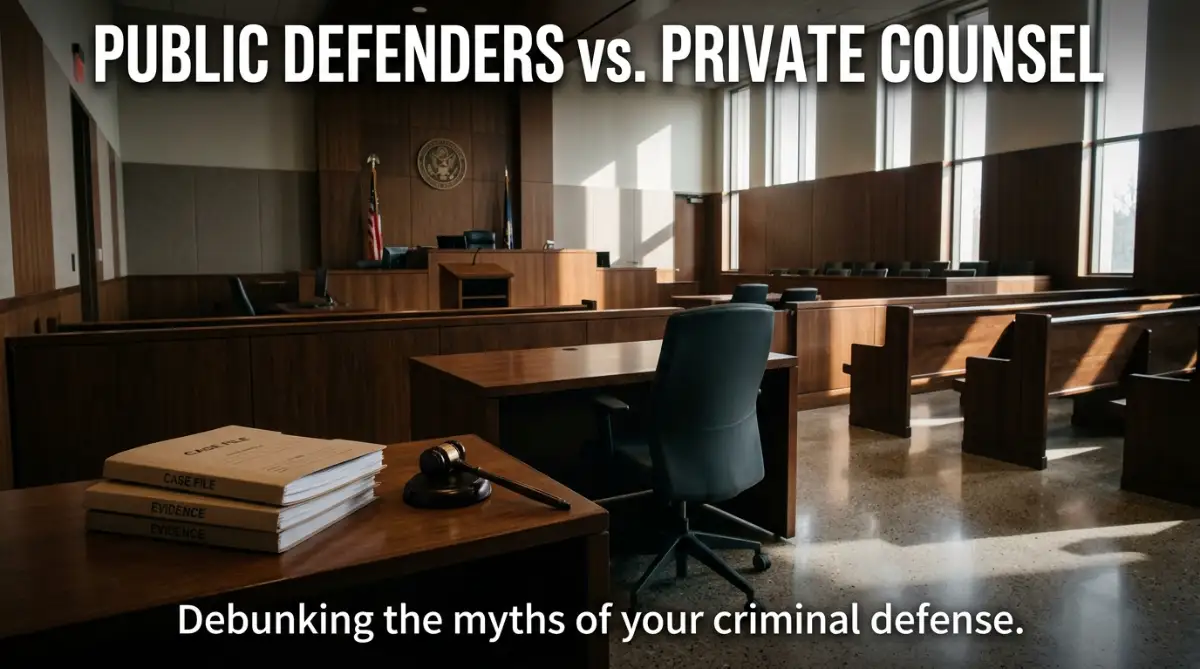
I remember the first time I walked into a courtroom. It was quiet, cold, and the air felt heavy with the weight of pending decisions. I was sitting on a hard wooden bench, watching the lawyers move around the room. I had this idea in my head, one I’d gotten from too many TV shows, that the wealthy people had the "real" lawyers and everyone else was just going through the motions.
I was terrified that if I ever ended up on the other side of that table, I would be at a massive disadvantage. I truly believed that a public defender was just a placeholder, someone who didn't care or didn't have the time to fight for me. It was a paralyzing thought. I felt like the system was rigged and that my future depended on a bank account balance I didn't have.
Then, I started talking to people who had actually been through the process. I met individuals who had been defended by public attorneys and walked away with their lives intact. I met people who had paid for private counsel and felt just as confused and left in the dark. That is when I realized my understanding of the legal system was based on scripts, not reality.
The stress of navigating the legal system is overwhelming, and it stems from these deep-seated myths. You worry that you aren't "getting enough" or that your case is being pushed to the side. This fear makes it hard to focus on the facts. It makes you feel small in a room where you need to feel strong. But the truth is, the system is more complex than a simple "private is better" narrative.
Dismantling the Legal System Myths
The world of criminal defense is not as black and white as we are led to believe. When you are looking at your options, you need to strip away the cinematic drama. You need to look at the professionals themselves, the resources they have, and how they actually function within the court.
The Myth of the "Public Placeholder"
There is a massive misconception that public defenders are less skilled or less motivated than their private counterparts. The reality is that many public defenders are brilliant lawyers who choose that path because they are deeply committed to public service. They spend every single day in the courtroom. They know the judges, they know the prosecutors, and they know the local laws better than almost anyone else in that building.

The "Private is Always Better" Illusion
People assume that if they write a big enough check, they are guaranteed a different outcome. While private counsel can often dedicate more time to a single case, they are not magic. They have to follow the same rules of evidence, the same laws, and the same procedures. A private lawyer cannot change the facts of your case. You need to assess if the "extra" attention you are paying for is actually changing your legal standing or just providing more frequent updates.
The Reality of Caseloads
It is true that public defenders carry heavy caseloads. This is an undeniable strain on the system. However, private lawyers have their own pressures—they need to keep the lights on and manage the business side of their firm. You have to consider which lawyer has the genuine ability to focus on your specific case right now.
Getting the Facts on Your Side
When you are evaluating who should stand by your side, you need to ask tough questions. Don't worry about hurting feelings. This is your future. Ask about their experience with cases like yours. Ask about their track record in this specific jurisdiction. A great public defender and a great private attorney share the same goal: protecting your rights.
The Professional Roadmap for Your Defense
You need a clear plan of action. Do not jump into a choice based on fear or common gossip. Your defense is a technical process that requires careful steps. Here is how you should approach this.
Step 1: Understand the Role of the Defender
A public defender is a court-appointed official. They are assigned to you if you meet certain financial criteria. Their job is to hold the government to its burden of proof. They are not there to "cut a deal" as quickly as possible; they are there to challenge the evidence. Start by recognizing that they are legitimate members of the bar who took an oath to defend you.
Step 2: Evaluating Your Legal Needs
Are you facing a complex case involving digital forensics, multiple witnesses, and intricate law? Or is it a straightforward matter? Private counsel can often hire private investigators or expert witnesses to analyze complex data. If your case needs extra resources, private counsel might be the necessary path. If your case is a standard matter, your public defender might already have the expertise you need.
Step 3: Communication is the Key
The biggest complaints I hear about any lawyer—public or private—are about a lack of communication. If you feel like you aren't being heard, address it. If you have a public defender, be organized. Bring your questions written down. Respect their time. You will get much better results if you act as a partner in your own defense rather than a passive observer.
Step 4: The Initial Consultation
If you are considering private counsel, treat the initial meeting as an interview. Do not be intimidated. Ask them specifically: "What is your strategy for a case like mine?" If they give you vague answers or promise a specific outcome, be careful. No honest lawyer promises a specific result because the outcome depends on many factors, including the judge and the prosecutor.
Step 5: Being Prepared for the Long Haul
Whether you choose a public or private route, be prepared for a slow process. The legal system moves at its own pace. You need to keep your own records. Store your legal documents in a safe place. Keep your own log of what has happened. Being organized helps your attorney, regardless of who they are, do their job more effectively.
Pro Tip: My Realization on Advocacy
I once sat in on a consultation where the client was so worried about the "type" of lawyer that they forgot to tell the attorney the most important detail of the case. They spent an hour arguing about fees but didn't provide the timeline of events. Remember, the lawyer is the driver, but you are the navigator. You must provide the map. If you aren't giving your attorney the full, honest truth, they cannot defend you, no matter how much you pay them.
Want to see how the experts evaluate legal counsel options? Watch this guide to prepare for your defense.
The Role of Transparency
Legal issues are messy. Don't try to hide facts from your attorney because you are ashamed. They have heard everything. They need the truth to protect you. If you lie to your counsel, you are essentially tying their hands behind their back. Being honest is the best way to get the best result.
Managing Your Expectations
The legal process is rarely like the movies. It is full of paperwork, delays, and quiet negotiations. If you go in expecting a dramatic courtroom speech every single day, you will be disappointed. Expect a steady, professional effort to get the best possible outcome for your situation. Stay focused on the long-term goal.
Building Your Support System
Beyond the lawyer, you need to take care of yourself. This is a high-stress time. Lean on your friends or family. Don't try to carry the emotional burden of a legal issue entirely on your own. You need a clear head to make good decisions during the process.
Final Thoughts on Your Defense
You are dealing with a serious matter, and you deserve to be informed. By stripping away the myths and looking at the reality of public versus private counsel, you are already making a smarter choice than most. You are taking the wheel of your own situation. Keep digging for the facts, keep communicating clearly with your team, and stay focused on the truth. You are capable of navigating this. Take it one step at a time, and don't let fear make your decisions for you.
Common Questions About Legal Defense
Will a public defender try as hard as a private lawyer?
Most public defenders are deeply dedicated to their clients and work incredibly hard. While they have heavier caseloads, they are trained experts in the local court system. Their commitment to your rights is protected by their ethical obligations as attorneys.
Can I fire my public defender?
It is difficult to fire a court-appointed attorney. If you have a serious conflict or feel your representation is failing, you must speak to the judge and provide specific reasons. You cannot simply switch because you want a "different personality." You have to demonstrate that your legal rights are not being protected.
When should I absolutely hire a private lawyer?
You should consider private counsel if you have the resources and feel your case requires specialized attention that a public defender cannot provide due to their caseload. For example, if you have complex assets, a high-profile case, or need specific expert witnesses, private counsel may have the extra flexibility to focus solely on your needs.
Does a private lawyer guarantee a better result?
No lawyer can guarantee an outcome. The legal system involves many factors, including the prosecution's evidence and the judge's rulings. A private lawyer can provide more time and resources, but the law and the facts of your case remain the core drivers of the result.
The Social Health Blueprint
- Social Fitness: Treat social interaction like exercise—it requires consistency, not intensity.
- Depth Matters: Three deep connections are worth more than fifty superficial social media followers.
- Active Listening: Listen to understand, not to respond, to build instant trust.
- Set Boundaries: Use tech-free zones to ensure you are truly present with the people who matter.
Strategic Approaches to Building Real Social Momentum
Most of us treat our social lives as an afterthought, believing that connection is something that just 'happens.' But science suggests that your social circle is actually a foundational pillar of your physical health, right alongside nutrition and sleep. If you have been feeling drained or struggling to stay motivated, the problem might not be your work—it might be your lack of meaningful engagement. Let’s look at the hard data behind why your social habits are the real key to longevity.
| Health Metric | Impact of Active Socializing | Impact of Chronic Isolation |
| :--- | :--- | :--- |
| Cortisol (Stress) | Decreases | Increases |
| Immune System | Strengthens | Weakens |
| Cognitive Health | Improves | Declines |
The Social Fitness Framework
Think of your social health as "social fitness." Some people have high social stamina and can talk to anyone for hours. Others, like me, might feel drained after thirty minutes of intense conversation. You need to know your own limits and build your stamina slowly.
Instead of forcing big gatherings, start with what feels sustainable. A simple coffee with one friend once a week is better than a huge party that you dread attending. You can learn more about how social interactions affect long-term brain health through research provided by Harvard Health Publishing. They highlight how consistent, low-stress interactions help maintain cognitive function as you age.
Quality Over Quantity Every Time
We often think that having hundreds of acquaintances is a sign of social success. But science suggests that the quality of your bonds matters far more than the number of people in your contact list. It is better to have three people you can call in a crisis than fifty people who only like your photos online.
Focus on friends who make you feel heard and understood. When you are with them, put your phone away. That is a small action, but it tells the other person that they are your priority. It is much easier to practice this when you aren't worried about other areas of your life, such as decoding medical bills as a plain english guide for patients which can be a huge source of stress that distracts you from your relationships.

The Art of Active Listening
Most people listen while waiting for their turn to speak. That isn't connection; that is just a monologue with an audience. If you want to build a real bond, you need to listen to understand, not to respond. Ask follow-up questions about things they mentioned last time you spoke.
It makes people feel valued. When someone feels valued, they are much more likely to open up and build a lasting connection. This is a skill that takes practice, much like why traditional study habits often fail to retain complex information if you don't use active recall. You have to actively engage with the conversation to make it stick.
Scheduling Social "Training"
If it isn't on the calendar, it probably won't happen. Life gets busy, and before you know it, a month has passed since you saw your closest friends. Treat social events like you treat your gym time or your meetings.
Put a standing date in your calendar. Maybe it is "Donut Friday" with a coworker or a monthly game night with your neighbors. When it is scheduled, it becomes a part of your routine. You don't have to scramble to make plans because the plans are already there. It takes the decision fatigue out of socializing.
Quick Social Habit Audit:
- Did I have a 1-on-1 talk this week?
- Did I put my phone away during my last conversation?
- Have I reached out to someone who makes me feel energized?
- Action: If you answered 'No' to 2 out of 3, schedule a quick coffee break for next week today."
The Digital Detox Rule
Sometimes, the best way to socialize is to unplug. You cannot connect deeply with someone if you are constantly checking your phone for notifications. Create "tech-free zones" when you are with others. It shows respect and invites the other person to be present with you.
If you are struggling to set boundaries with your tech, take a look at my tips on why you should stop granting unnecessary permissions to newly installed android apps. Taking control of your phone is the first step to taking control of your time. When you own your time, you can give it freely to the people who matter.

Pitfalls That Keep You Feeling Disconnected
It is easy to think that you are "socializing" when you are really just passing time. We all fall into habits that feel like connection but actually leave us feeling emptier than before. If you want to fix your social health, you need to steer clear of these common traps.
The Social Media Illusion
We often trade real-life conversations for scrolling through a feed. We see pictures of our friends' lives and feel like we are "keeping up" with them. But looking at a screen is not the same as hearing a voice or seeing a smile. The American Psychological Association has published research showing that heavy social media use can actually increase feelings of loneliness. Don't let a digital like replace a real-life laugh.
The "Introvert Trap"
Many people tell themselves, "I'm an introvert, so I don't need to socialize." That is a dangerous mistake. Every human—even the quietest introvert—needs some level of connection to thrive. You don't need to be the center of attention. You just need to find your "quiet" people. Hiding behind your personality type is a way to stay in your comfort zone, not a way to live a healthy life.
Oversharing to Fill the Silence
Have you ever met someone who tells you their entire life story five minutes after you say hello? It creates an awkward barrier. Real connection is a two-way street. If you find yourself doing all the talking to fill a quiet space, take a breath. It is okay to have silence. It is also okay to ask the other person a question and let them lead.
Letting Past Rejections Hold You Back
Maybe you reached out to someone and they didn't reply. It happens. Don't take it as a sign that you are unwanted. People are often busy, distracted, or just going through their own mess. Don't let one ignored text stop you from trying again with someone else. Most social barriers are in our heads, not in reality.
Neglecting the "Mental Check-in"
If you don't keep up with your own head space, you won't have the energy for others. You cannot pour from an empty cup. Always make sure you are attending to your internal needs, perhaps by ensuring that why mental health check-ups are just as essential as physical screenings is a priority. When you are feeling good, it is so much easier to be the friend others need.
Your Roadmap to a Healthier Social Life
You have the power to change how you feel by changing who you talk to and how you talk to them. It is not about becoming a new person; it is about embracing the human need for others.
Action Plan for Tomorrow
- Reach out: Send a text to one person you haven't spoken to in a while. Just ask how they are, no strings attached.
- Be a listener: Next time you are in a conversation, try to listen for five minutes before you share your own story.
- Pick a spot: Go to a place where you can be around people—a coffee shop, a park, or a library. Even "being around" others without talking has health benefits.
- Set a goal: Aim for one low-stress social interaction every single week.
I have realized that my social life is the best insurance I have against the stress of the world. Knowing that I have people in my corner makes the hard days feel manageable and the good days feel twice as bright. I want you to feel that same warmth in your own life. Start small, stay consistent, and remember that you are worth knowing.
Take that first step today. It might feel a little awkward at first, but that is how you know you are growing. You are doing a great thing for your body and your mind. Keep showing up, keep reaching out, and you will build a life filled with the right kind of company. You have so much to offer, and the world is better when you share it with others.
Common Questions About Social Connection
Is it normal to feel lonely even when I am around people?
Yes, it is very common. Loneliness is not about being alone; it is about a lack of meaningful connection. You can be in a crowded room and still feel isolated if you don't share a bond with anyone there. Focus on depth rather than the number of people around you.
What if I feel awkward when I try to talk to new people?
Awkwardness is just a side effect of trying something new. Most people are just as nervous as you are. If you stumble over your words or have a quiet moment, just laugh about it. People usually find that kind of honesty very refreshing.
How much socializing do I actually need?
There is no "magic number." Some people feel great with one deep conversation a week, while others need daily interactions. Focus on your own energy levels. If you feel energized and calm, you are likely doing the right amount for you.
Does introversion mean I don't need friends?
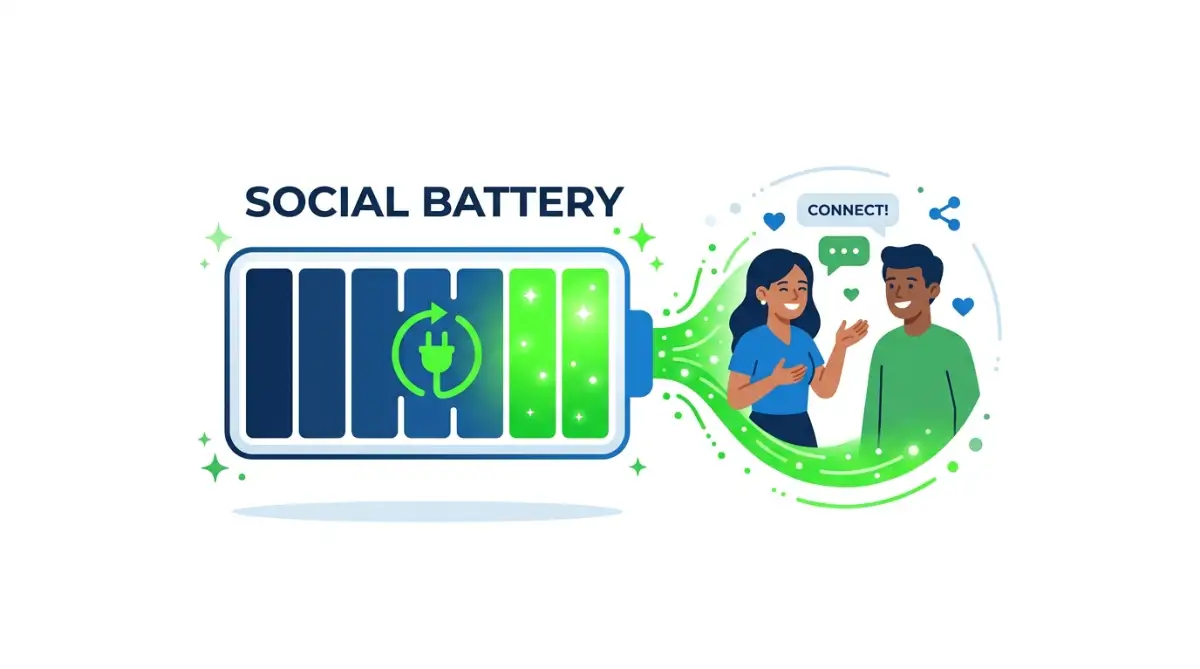
Not at all. Introversion just means you get your energy from quiet time rather than external stimulation. You still need social bonds to maintain your health. Your "social battery" might drain faster, but the connections themselves are just as important for your well-being.
Disclaimer: This content is for educational purposes only and does not constitute medical, psychological, or professional health advice. I am not a doctor or mental health professional. If you are struggling with severe feelings of isolation or mental health concerns, please consult with a qualified healthcare provider or a licensed counselor.