Writing for Intent: Aligning Your Blog Content with What Readers Actually Need
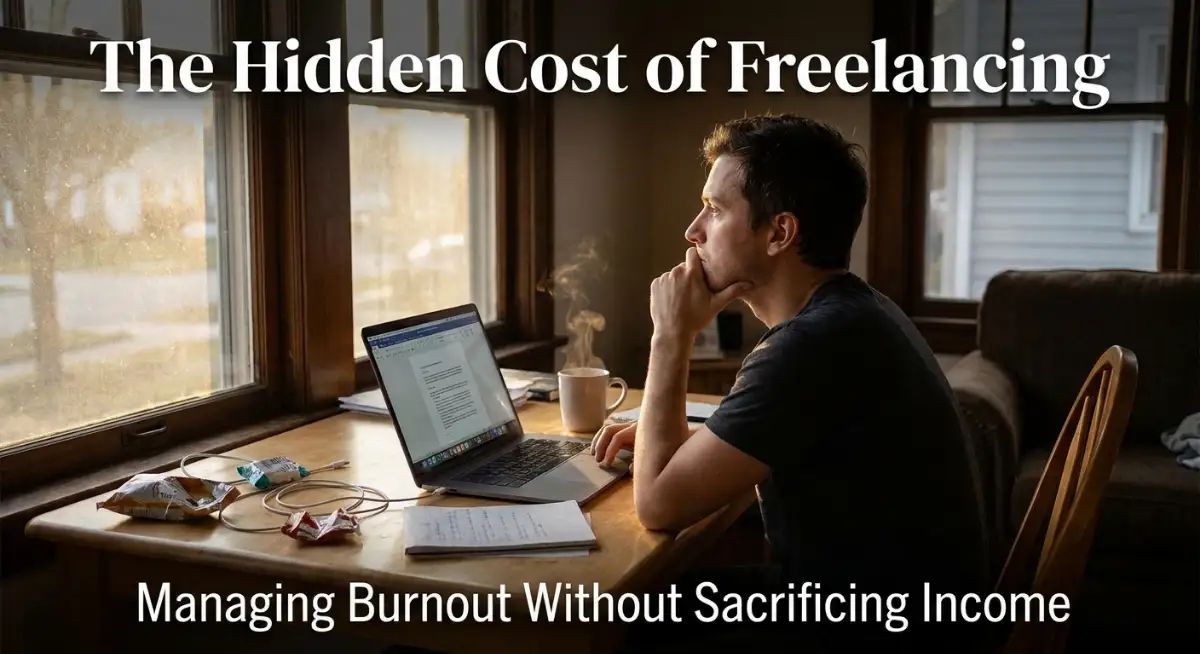
I remember sitting in my room, staring at my laptop screen until my eyes felt like sandpaper. I had written what I thought was a perfect blog post. I spent hours researching keywords, adding them in all the right places, and making sure my formatting was spot on. I hit publish, confident that the traffic would start pouring in.
But when I checked my analytics the next day, the numbers were flat. Zero engagement. No comments. It felt like shouting into a void. I was frustrated and honestly a bit hurt because I had worked so hard. It wasn't until I stopped looking at my blog as a machine to be gamed and started looking at it as a service to a human being that things finally changed.
I realized I was writing for a search engine, not for the person behind the screen. That person was asking a question, and my post was giving them a generic lecture instead of an answer. My frustration turned into a lesson that completely changed how I approach my work today. You are likely feeling this same disconnect if your content isn't performing the way you want it to.
The Hidden Cost of Misaligned Content
When your content doesn't meet the needs of the reader, the impact goes deeper than just low numbers. It affects your mental energy and your motivation. You put so much effort into researching and drafting, only to see people click away within seconds. This high bounce rate is a clear signal. It tells Google that your page isn't what the user is looking for.
This creates a cycle of discouragement. You feel like blogging is a waste of time. You wonder if you should just quit. But the problem isn't that you are a bad writer. The problem is a mismatch in intent. Your reader comes to your site with a specific problem or a burning question. If you start your article with a long, irrelevant introduction or try to sell them something before you have helped them, they leave.
Think about your own behavior. When you search for a solution to a problem, do you stay on a site that beats around the bush? No, you leave instantly to find a site that gives you the answer. Your readers are exactly the same. When you fail to provide what they need, you lose their trust. You lose their future visits. And worst of all, you lose the opportunity to build a community around your work.
It is a painful realization, but once you accept it, you become free to write better. You stop chasing algorithm hacks and start focusing on the human on the other side of the screen. This is the shift that separates successful blogs from those that get lost in the noise.
Decoding the Searcher's Mindset
To write for intent, you first have to understand why someone typed a specific phrase into a search bar. They aren't just looking for words; they are looking for a transformation. They want to move from a state of "not knowing" to "knowing," or from "frustrated" to "solved."

Step 1: Analyze the "Hidden Why"
Before you write a single word, look at your primary keyword. But do not just look at the search volume. Look at the intent behind it. If someone searches for "how to fix a leaking sink," do they want a history of sinks? Do they want a 2,000-word essay on the importance of plumbing? No. They want a step-by-step guide on how to stop the water from dripping right now.
If you write an academic article about the history of plumbing, you have failed the intent. To succeed, you need to provide an immediate, actionable solution. Every piece of content you create should start with this simple question: "What is the very first thing this person needs to know to solve their problem?"
Step 2: Match the Content Format to the Need
Not all content should be the same. Some searches require a simple "Yes" or "No" answer. Others require a long, detailed tutorial. If you are writing a guide on "Best Coffee Makers," the reader expects a list of options with pros and cons. They are in the shopping or research phase.
If you provide a 500-word story about your morning coffee routine instead of the list they wanted, they will hit the back button. Always ask yourself: "Does the format of my post match the intent of the query?" If the user wants a quick answer, give them a table or a bulleted list at the top. If they want a deep dive, give them a comprehensive guide.
Want to see these strategies in action? Watch this video to learn exactly how to align your content with what readers are searchinor!
Step 3: Speak Their Language, Not Yours
We often make the mistake of using industry jargon to sound smart. But when a reader is searching for help, they are often in a state of confusion or stress. They don't need you to impress them with fancy words. They need you to be a friend who explains things clearly.
Use the words they use. If they search for "easy ways to lose weight," don't write about "metabolic optimization strategies." Write about "easy ways to lose weight." Stick to simple, clear language. If you keep your writing at a grade-eight level, you make your content accessible to everyone. This is how you build a loyal audience.
The Pro Tip: My Realization
I once spent three days writing a long, poetic introduction for a post about troubleshooting internet connection issues. I thought it was great. When I finally shared it, a reader commented, "I just needed to know which button to press to reset my router. Why did I have to scroll through four paragraphs of your life story to find it?" That hit me hard. I realized I was being selfish. I was using my reader's time to show off my writing style. My realization was simple: respect the reader's time by giving them the solution first, and save the stories for the end or a newsletter.
Solving the Problem Effectively
To help you get better at this, let’s talk about how to structure your posts so they actually serve your readers. You want to make sure that the moment they land on your page, they feel they are in the right place.
The "Answer First" Strategy
Whenever you tackle a topic, try to provide the core answer or solution within the first 100 words. Imagine the reader is in a hurry. If they can get the core solution immediately, they will stay on your page to read the rest of the details because they know you are helpful.
Structuring for Scanability
Most people do not read every word on a page. They scan. They look for bold text, headers, and bullet points. If your page is a wall of text, they will leave. Use short paragraphs. Keep your sentences punchy. Use H3 and H4 headers to break up your content so the reader can find exactly what they need in seconds.
Addressing the "What Now?" Phase
Once you have solved their immediate problem, your job isn't done. The reader is now looking for the next step. If you taught them how to fix a leaking sink, maybe the next step is "How to prevent leaks in the future." By answering that follow-up question, you provide extra value and keep them on your site longer.
Making Your Content Actionable
Everything you write should lead to some kind of action. Even if you are writing a lifestyle post, the reader should come away with a new perspective or a tip they can try today. If your content is just a collection of opinions with no practical application, it feels like fluff. People love content that helps them do something better.
Why This Approach Boosts SEO
Google wants to rank pages that users love. When your content aligns perfectly with intent, users stay longer. They click on other links on your site. They come back. These signals are powerful. They tell Google that your site is a good destination.
You don't need to overthink the algorithm. You don't need to try and outsmart the search engine. Just out-help the other websites. When you prioritize the reader's need above everything else, the traffic and rankings usually follow as a natural result of your quality.
Optimizing for the Next Search
Think about what the reader will search for after they solve their current problem. By naturally linking to your other related posts, you create a helpful path for them to follow. This is not about trapping them on your site; it is about guiding them to more answers.
The Importance of Human Connection
Ultimately, blogging is a human activity. It is one person sharing knowledge with another. When you remove the barriers of complex language and rigid structures, you create a real connection. People can tell when a post was written with the intent to help versus one written just to fill space.
Be authentic. If you made a mistake, share it. If you found a hack that saves time, explain it clearly. Your readers are looking for a guide, not a textbook. Be that guide. Show up for them, answer their questions with empathy, and keep your focus on their success.
Final Thoughts on Writing for Intent
You have the power to change how people interact with your site. It starts with a simple change in perspective. Every time you open your document to write, pause and ask yourself: "Who is on the other side of this screen, and what is the one thing they need to walk away with?"
If you can answer that clearly, you are already ahead of most of the internet. The rest is just about being consistent, being clear, and being helpful. It is not about the word count or the perfect keyword density. It is about the value you provide.
Focus on being the most helpful voice in your niche. When you make the reader the hero of your content, everything else—the traffic, the trust, and the success—will follow. Start today by reviewing your most recent post. Ask yourself if it truly serves the person searching for that topic. If it doesn't, edit it. Make it better. Keep refining, keep learning, and keep putting your reader first. Your blog will transform, and your audience will thank you for it.
Taking Your Content Strategy to the Pro Level
Once you have mastered the basics of aligning your blog posts with what people are actually searching for, you need to think about how to maintain this performance over the long term. Many writers get a quick spike in traffic and then watch it fade away because they treat content as a one-time project. To stay relevant and helpful, you must adopt a mindset of continuous improvement.
Think of your blog as a garden. You cannot just plant seeds once and hope for the best; you have to nurture, prune, and adapt to the seasons. This means regularly checking if your content still answers the questions your readers are asking today. Sometimes, a search term stays the same, but the answer a user expects changes.
Mastering Content Refresh Cycles
One of the best secrets of top-tier writers is the "refresh cycle." I make it a point to revisit my top-performing posts every few months to see if the information is still the most helpful version available. If I find a more efficient way to explain a concept, or if there is a new, relevant tip I can add, I update the post immediately. This shows both Google and your readers that your site is active and cares about accuracy.
Using Data to Drive Your Next Moves
You do not need fancy, expensive software to know what your readers want. Pay attention to the comments section of your blog or the questions people ask on social media. If you notice a recurring theme in those questions, that is your next article topic. This is how you build a resource that feels like it was written just for your audience.
If you are dealing with complex topics, the way you present information matters just as much as the accuracy of the facts. People often struggle to remember detailed advice, which is why why traditional study habits often fail to retain complex information is something you should consider when planning how to break down your own lessons. Keep it simple, and your readers will thank you.
The Power of Specificity in Intent
Avoid writing broad, vague guides that try to cover everything for everyone. Instead, target specific scenarios. For instance, when people search for advice, they often have a very specific goal in mind. If you are writing about complex industries like solar energy, being vague is a mistake. Why professional solar placement matters more than you think is a great example of a targeted post that answers a specific "why" for the reader.
Building Trust Through Transparency
Expertise is not about having a degree; it is about having real experience. When you share your wins and your losses, you build a bond with your readers. If you want to dive into financial topics, you need to show that you understand the nuances. Readers appreciate when you explain how to build wealth through smart dividend investing using honest, real-world examples rather than just textbook definitions.
This level of honesty builds a reputation. According to Google’s guidance on helpful content, the primary goal of any site should be to serve the people visiting it. When your content reflects this focus, you naturally align with what search engines look for.

The Traps That Can Sink Your Content Strategy
There are many ways to go wrong when you are trying to rank your blog. The most common error is ignoring the emotional state of your reader. We often treat SEO as a technical puzzle, forgetting that a human being is sitting on the other side of the screen.
If a reader comes to your site looking for help with a stressful situation, and you greet them with a wall of academic jargon, you have failed. They are already anxious or confused, and your cold tone will only push them away. You must match the energy of the reader. Be warm, be calm, and offer comfort.
The Keyword Stuffing Temptation
Another major mistake is the obsession with repeating a keyword until it sounds unnatural. This practice is outdated and harmful to your credibility. When you force a phrase into every single sentence, the text becomes unreadable. Google’s algorithms are smart enough to understand the context without you needing to repeat a phrase ten times. Write for people, not for robots.
Ignoring the User’s Next Question
Many writers stop at the surface level. They answer the immediate question but fail to address the underlying worry. For example, if you are writing about why businesses struggle, do not just list the problems. Explain the solutions. Often, when people look for answers, they are also dealing with other stressors, which is why it is helpful to understand the silent killers unspoken reasons startups fail in cycle one. By answering the question they didn't ask yet, you establish yourself as a true expert.
The "Style Over Substance" Fallacy
Do not let your fancy design or complex writing style get in the way of the actual message. Users online are scanners. Research from the Nielsen Norman Group shows that people rarely read word-for-word; they scan for information. If you hide the value behind long, flowery sentences, the reader will leave. Keep your points easy to find.
Failing to Maintain Calm and Clarity
When your content is confusing, it creates friction. Friction leads to bounces. If you are writing about stressful topics, make sure you offer a path to clarity. Whether you are helping them how to stay calm and invest wisely during market volatility or explaining a technical guide, your job is to lower the reader's stress levels. If they leave your site feeling more overwhelmed than when they arrived, you have missed the mark.
Your Roadmap to Better Content Performance
You now have a clear path forward. Stop chasing trends and start chasing the needs of your audience. Every post you write from this day forward should be a tool that helps someone solve a problem or understand a concept.
The Daily Habit of Service
Make it a goal to write at least one thing each week that makes someone’s life a little easier. It does not have to be a masterpiece. It just has to be helpful. If you consistently show up with answers, your audience will grow.
Checking Your Own Work
Before you hit publish, read your post out loud. If you stumble over a sentence, your reader will too. If you get bored, your reader will leave. Make sure every paragraph adds something new.
I have spent years trying to figure out the "secret" to success, and I found that it is actually quite simple. The secret is to stop thinking about what you want to say and start thinking about what the reader needs to hear. My advice to you is to be that helpful person today. Start by fixing your oldest, most underperforming post, and watch how much better it performs when you prioritize the reader.
Common Questions About Writing for Intent
Does my word count determine if I will rank on the first page?
No, word count is just a number. What matters is the depth and quality of your answer. If you can solve the user's problem in 500 words, that is better than a 2,000-word essay that is filled with filler.
How do I know if I am targeting the right search intent?
Look at the top-ranking pages for your chosen keyword. If they are all guides, you should write a guide. If they are all product pages, you should aim for a product page. Let the current results be your roadmap.
Should I use AI to write my content?
AI can help with brainstorming and outlines, but it cannot replace human experience. Your unique voice, your personal stories, and your empathy are what make your content rank and keep people coming back.
How often should I update my old posts?
Try to review your content at least once or twice a year. If the information is outdated or if you have learned new ways to explain the topic, update it to keep it fresh and relevant.
Is it bad to have short paragraphs?
Not at all. Short paragraphs are actually better for the web. They make your text easy to read on mobile devices, which is where most people will be reading your work.
Disclaimer: The information provided in this blog post is for educational and informational purposes only. While I strive to provide accurate and helpful advice, I am not a professional advisor in all fields mentioned. Please perform your own research and consult with qualified experts before making decisions based on this content. Your success depends on your unique circumstances and efforts.