
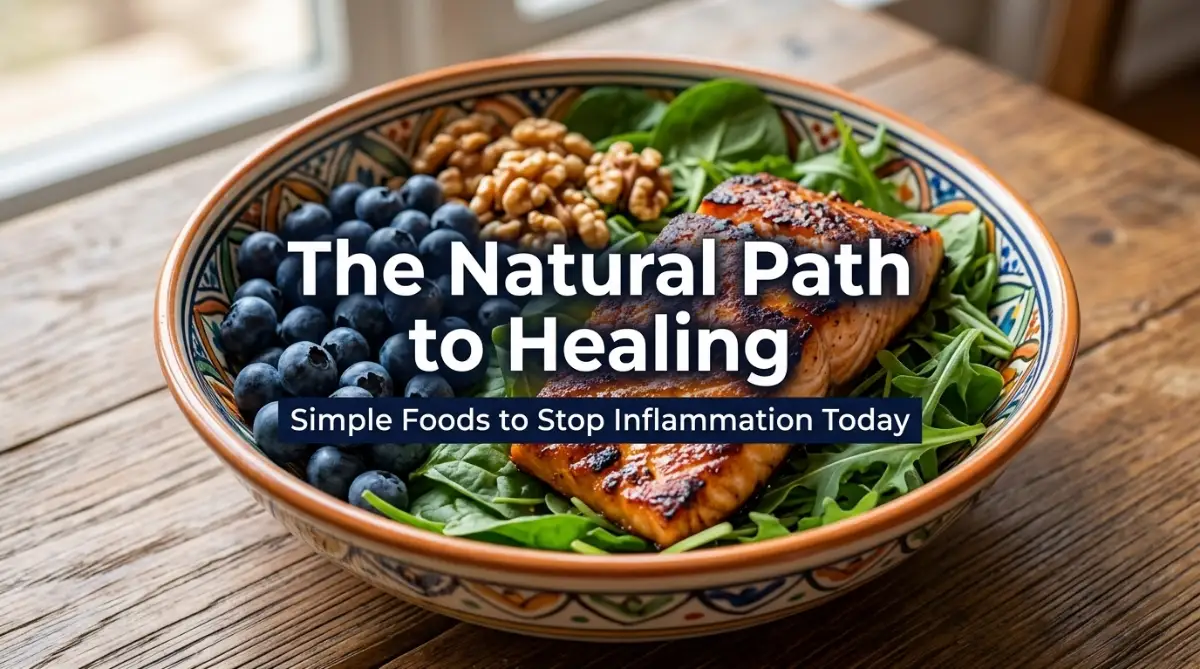
When Your Body Feels Like It’s Working Against You
Ever feel like your body is fighting back? That constant, dull ache that doesn't go away with sleep, or the brain fog that makes simple tasks feel impossible? You aren't imagining it, and it’s not just "getting older." It’s often quiet inflammation, and you can stop it right from your own kitchen, not a pharmacy.
The truth is, many of us deal with this low-level inflammation without even realizing it. It shows up as skin issues, digestive trouble, or just that lingering feeling of being "off." I realized that my lifestyle—the processed snacks, the lack of real movement, and the stress—was adding fuel to the fire. I had to make a change, not for a week, but for my life.
I want to share exactly how I did it, and how you can start today. It does not require a massive budget or a complete overhaul of your personality. It is about small, smart choices that build up over time. If you are ready to reclaim your energy and stop the constant battle with inflammation, keep reading. Let’s break down the science of food and how it actually changes your body.
Common Inflammation Myths: The Truth Revealed
Quick Summary: Your Anti-Inflammatory Roadmap
- Start Small: Don't overhaul your diet in a day. Add one vegetable or one spice at a time.
- Focus on Whole Foods: If it comes in a box with a long ingredient list, put it back.
- Use Food as Medicine: Ingredients like turmeric, ginger, and Omega-3 fish fats are your best tools.
- Listen to You: Your body knows what it likes. If a food makes you feel tired or bloated, remove it.
The Science of Quietly Healing Your Body
Inflammation is not always the enemy. In fact, it is your body’s way of healing after a cut or an infection. But when that fire keeps burning when there is no "invader" to fight, it becomes a problem. This is called chronic inflammation. It is like having a smoke alarm that won't stop ringing even when there is no fire.
To fix this, we have to look at what we are putting into our systems every day. Think of your body as a high-performance machine. If you put low-quality fuel into that machine, it is going to sputter. My goal here is to help you swap that low-quality fuel for high-quality, anti-inflammatory nutrition.
Why Whole Foods Are Your Best Defense
The processed food industry has done a great job of making things taste good while hurting our bodies. When I talk about processed foods, I mean things with long ingredient lists you cannot pronounce. These foods often contain hidden sugars and bad fats that trigger the body’s inflammatory response.
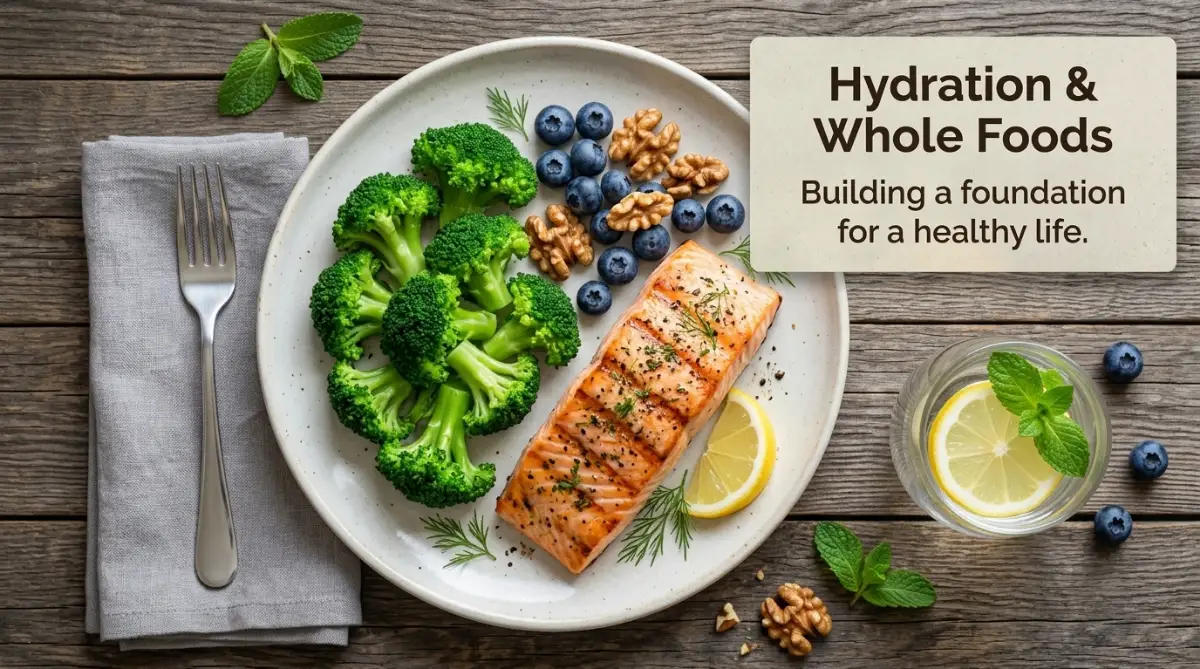
When you switch to whole foods—things that grow in the earth or come from simple sources—you are essentially cooling down that internal fire. You are giving your cells the nutrients they need to repair themselves. It is not magic; it is biology.
Pro Tip: I remember when I first tried this, my biggest mistake was thinking I had to go "perfect" overnight. I threw away everything in my pantry and tried to eat only kale. I lasted three days. My realization was simple: it’s better to add one good thing at a time rather than trying to change everything at once. Start by adding one extra serving of vegetables to your dinner, or swapping your afternoon soda for water. Small wins stack up.
The Power of Berries and Fruits
Berries can be an easy way to add more nutrient-rich foods to your diet. Blueberries, strawberries, and raspberries contain antioxidants and other plant compounds that help protect cells from oxidative stress. Some research also suggests that diets rich in fruits and other plant foods may support a healthy inflammatory response.
I started adding a small handful of mixed berries to my breakfast each morning. It was a simple change that didn’t require me to completely rethink what I was eating. You also don’t need to buy expensive or exotic fruit. Fresh, frozen, or locally available seasonal options can all be practical choices.
Why Fatty Fish Matters
If you eat fish, this is a game-changer. Salmon, mackerel, sardines—these are full of Omega-3 fatty acids. Most of us get too many Omega-6s (found in many vegetable oils) and not enough Omega-3s. That imbalance alone can drive inflammation.
I make it a point to have fish at least twice a week. If you aren't a fan of fish, plant-based options like walnuts, chia seeds, and flaxseeds are also great sources. These fats help calm the body down and support brain health, too.
The Role of Spices in Your Kitchen

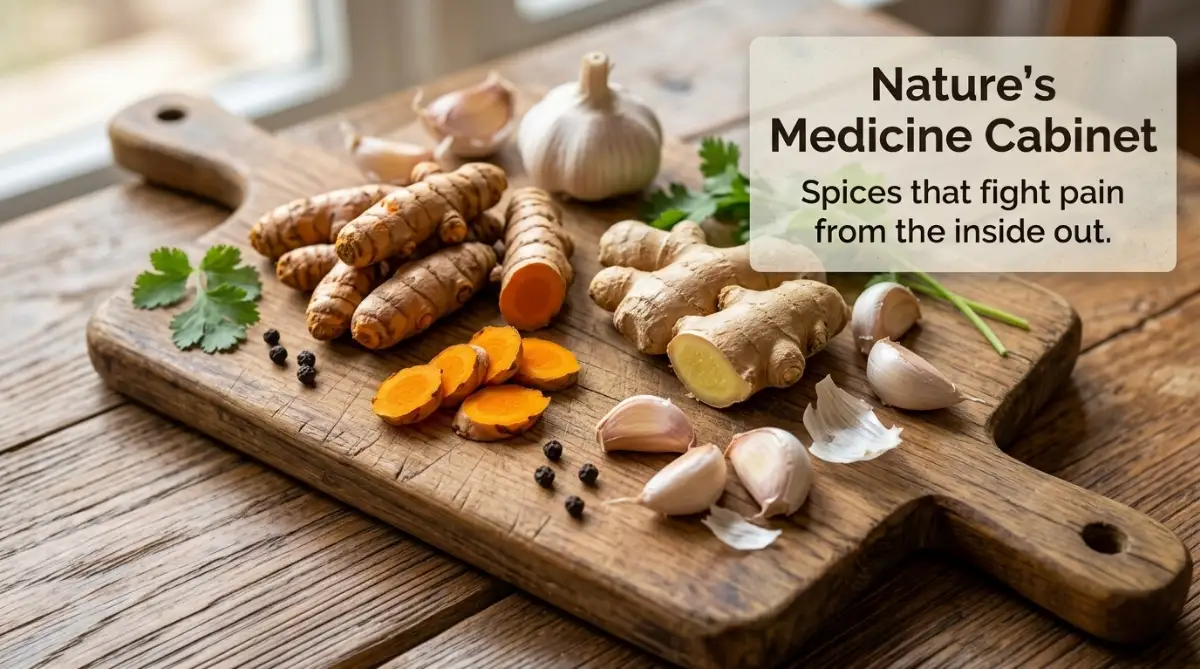
Spices are not just for flavor; they are potent medicine. Turmeric is probably the most famous one. It contains curcumin, which is a powerful compound that helps fight inflammation. I started adding a pinch of turmeric to my soups and rice dishes.
Ginger is another one I keep on hand. It helps with digestion, and since the gut is where a lot of inflammation starts, keeping it healthy is a top priority. Don't worry about measuring everything to the gram. Just start experimenting with adding these spices to your regular cooking.
Is Your Kitchen Fighting Inflammation? (Quick Checklist)
Before you cook, check your pantry against this list:
- The Green Light (Eat Often): Leafy greens, berries, fatty fish, walnuts, olive oil, turmeric, ginger.
- The Red Light (Limit These): Soda, sugary sauces, deep-fried snacks, processed meats (hot dogs, deli slices).
- Small Win: If you have more than 3 "Red Light" items in your pantry, don't throw them away. Just buy one "Green Light" item next time you shop. That’s how you start.
Hydration: The Simple Often Overlooked Factor
We talk about food so much that we forget about water. Inflammation can actually be worse when you are dehydrated. Your cells need water to function, to transport nutrients, and to flush out waste.
I set a goal to drink water throughout the day, not just when I was thirsty. If plain water feels boring, I add a slice of lemon or a sprig of mint. It makes a difference in how my joints feel and how clear my head is by the afternoon.
Want to see how I prep my anti-inflammatory meals in under 30 minutes? Check out this quick video guide below:
Watching someone else walk through the steps makes the process feel much more achievable and less daunting for beginners.
Building Your Anti-Inflammatory Routine
Knowing which foods can support a balanced eating pattern is only part of the process. The bigger challenge is turning those choices into habits you can realistically maintain. Consistency matters more than perfection. You don't need to eat perfectly every day to build a healthier routine.
There will be days when you choose foods that don't fit your usual plan, and that's completely normal. Instead of treating one meal as a failure, simply return to your usual habits with your next meal.
A sustainable approach is about what you do most of the time, not about getting every choice right. Focus on adding more nutritious, minimally processed foods to your routine and making changes that you can realistically maintain over the long term.
Mastering the Art of the Plate
A good rule of thumb I use is to fill half my plate with colorful vegetables. The more colors, the better. Green, red, orange—different colors mean different antioxidants. If your plate looks brown or beige, it’s a sign that you might be missing out on those inflammation-fighting nutrients.
I also try to keep protein portions moderate. Whether it is chicken, beans, lentils, or fish, focusing on the quality matters. Avoiding processed meats like hot dogs or deli slices is one of the easiest ways to reduce your intake of inflammatory additives.
Avoiding the Hidden Traps
Sugar is probably the biggest trigger for many people. It’s not just in candy; it’s in bread, sauces, and almost every packaged snack. When I cut back on added sugar, my energy levels stayed steady all day. No more mid-afternoon crashes.
Read labels. If you see "high fructose corn syrup" or "added sugar" in the top three ingredients, put it back. It is simple, but it is effective. You don't have to live a sugar-free life, but reducing it significantly helps your body recover much faster.
Healthy Fats vs. Unhealthy Fats
Not all fats are bad. In fact, your body needs healthy fats to absorb vitamins. Extra virgin olive oil is my go-to. It contains oleocanthal, a compound that has an effect similar to anti-inflammatory drugs. I use it for salads and light cooking.
On the flip side, avoid trans fats and heavily processed vegetable oils like soybean or corn oil if you can. These can promote inflammation rather than stop it. Stick to olive oil, avocado oil, or just eat the whole food like an avocado or nuts.
The Connection Between Gut and Inflammation
Your gut health is tied to everything. If your digestion is slow or irregular, your body is under stress. Fiber is your best friend here. Vegetables, fruits, legumes, and whole grains keep everything moving and feed the good bacteria in your gut.
When the good bacteria are happy, they produce substances that help lower inflammation. I started eating more fermented foods like plain yogurt or sauerkraut. They are easy to add to a meal and they pack a punch for digestive health.
Keeping It Practical and Affordable
You might worry that eating this way is expensive. I found the opposite to be true. When you stop buying expensive processed snacks, sugary drinks, and frozen meals, your grocery bill actually goes down.
Buy in-season produce, which is cheaper and tastes better. Buy dried beans instead of canned if you want to save money. Cooking at home is the best way to control what goes into your body, and it doesn't have to be complicated. Simple roasted vegetables and a piece of protein are enough for a great dinner.
Listen to Your Own Body
Everyone is different. Some people feel great with grains; others feel better without them. The best way to know what works for you is to pay attention. Keep a mental note of how you feel after you eat certain meals.
Do you feel bloated? Do you feel tired? Or do you feel light and energized? Use that information to adjust. This is not about following a strict, rigid plan written by someone else. It is about becoming an expert on your own body.
Moving Forward
Reducing inflammation is a journey. It is not a quick fix that happens overnight. It took me a few weeks to really notice a difference, but once I did, I never wanted to go back.
The goal is to move away from relying on meds to "fix" how you feel, and instead, use food to support your body's natural ability to heal. You have the power to change how you feel every single day. Start small, stay consistent, and be kind to yourself as you learn.
Your body does a lot for you every day. Giving it the right fuel is the best way to say thank you. You don't need to be perfect to see results. You just need to start, and today is as good a day as any to make that change.
Keep it simple, eat real food, and pay attention to how your body responds. You might be surprised at how much better you can feel just by changing what is on your plate. Your health is worth the effort, and the results are waiting for you at the next meal.
Advanced Habits to Master Your Body’s Internal Balance
Once you have mastered the basics of adding fresh ingredients to your daily meals, you might feel like you have hit a plateau. This is normal. When you want to take your health to the next level, you need to look at how different foods work together. It is not just about what you eat; it is about how you prepare it and when you consume it.
Think of your body as a high-end engine. It needs premium fuel, but it also needs the right environment to run smoothly. One of the most overlooked secrets is the concept of food synergy. Some foods actually work better when paired with their partners.
For instance, if you are adding turmeric to your meals, you should always add a pinch of black pepper. Research from the National Institutes of Health shows that piperine, a compound in black pepper, significantly helps your body absorb the healing properties of turmeric. Without it, you are likely missing out on the full benefits of that golden spice.
I started paying attention to these small details, and it made a world of difference. Instead of just throwing ingredients into a pan, I began to think about the "team" of nutrients I was putting together. It turned my kitchen time into a science experiment, which actually made the whole process much more fun and engaging.
Mastering Your Cooking Methods
We often talk about what to eat, but we forget that how we cook it matters. High-heat cooking—like deep-frying or charring meat until it is black—creates compounds that can trigger inflammation. I shifted my habits toward gentler cooking methods.
Steaming, poaching, and gentle roasting became my go-to techniques. When I roast vegetables, I keep the temperature moderate. This keeps the nutrients intact and prevents the formation of harmful chemicals that processed foods often contain.
It might sound like a lot of work, but it really isn't. You can use your oven to roast a tray of colorful peppers, onions, and broccoli in about twenty minutes. It is simple, effective, and much better for your long-term health than frying.
The Role of Mindful Eating
I used to eat standing up, or while scrolling through my phone. I realized that this distracted way of eating was stressing my system. Digestion requires energy and focus. When you eat while stressed, your body shifts away from "rest and digest" mode.
I now treat my meals as a break. I sit down, put my phone away, and actually taste my food. This might sound like a "soft" tip, but it has a real impact on how my stomach feels afterward. If you want to dive deeper into this, you can learn more about how to manage chronic conditions through daily nutrition choices to see how your habits shape your physical state.
Consistency Over Perfection
I often get asked if one cheat meal will ruin everything. The answer is a simple no. If you spend 90% of your time eating well, your body is resilient enough to handle an occasional treat.
The danger is when the "occasional" treat becomes a daily habit. If you are struggling to build a solid foundation, check out these tips on wellness made simple how to build a routine that actually sticks. It will help you frame your journey in a way that feels like a lifestyle, not a chore.
Managing Your Environment
Sometimes, our environment makes it hard to be healthy. If your pantry is full of processed snacks, you will eat them. I decided to make my healthy choices the "default" choices.
I keep a bowl of fruit on the counter. I keep nuts in a visible jar. This way, when I am hungry and in a rush, I grab the healthy option without even thinking. You don't need willpower if you remove the temptation from your sight.

The Pitfalls: Common Mistakes That Stall Your Progress
We all want to see results, and we want to see them fast. But in my journey, I found that the biggest hurdles weren't the "bad" foods I ate—they were the habits I refused to change. If you feel like you are doing everything "right" but still feel inflamed, you might be falling into one of these common traps.
The "Superfood" Fallacy
People often ask me, "If I eat blueberries every day, can I eat junk food for the rest of my meals?" I wish the answer was yes, but it isn't. Adding one "superfood" to a poor diet is like putting a tiny bandage on a deep wound. It just doesn't work that way.
You cannot out-eat a diet that is high in processed sugar and bad fats with just a few healthy additions. Your body needs a steady stream of good nutrition across the board. Focus on the big picture of your diet rather than relying on one specific fruit or supplement to save you.
Ignoring Your Mental State
I learned the hard way that stress is a massive physical trigger for inflammation. You can eat the perfect anti-inflammatory diet, but if you are constantly anxious or sleep-deprived, your body will stay in a state of high alert.
I had to start looking at my stress levels as part of my physical health. If you are constantly feeling "on edge," it might be time to read about why mental health check-ups are just as essential as physical screenings. Ignoring your mental fatigue is a sure way to keep that inflammatory fire burning.
The Sleep Deprivation Trap
Sleep is when your body repairs itself. It is the nightly reset button. When I was getting six hours of sleep or less, I felt stiff, puffy, and foggy, no matter how much spinach I ate.
If you are not sleeping well, your hormones get out of balance, and your body struggles to calm down. I highly suggest looking into how to fix your sleep naturally 7 evidence based steps to rest better. It is often the missing piece of the puzzle for many people.
Relying Too Much on Supplements
There is a huge market for pills that claim to "fix" inflammation. I spent a lot of money on these early on. Most of the time, I didn't feel a difference.
Supplements should be exactly that—a supplement to a healthy diet. They are not a replacement. You are much better off spending your budget on fresh, quality food than on a bottle of expensive capsules that might not even be absorbed by your body.
Making It Too Complicated
I used to spend hours meal prepping and counting every gram of fiber. It became exhausting, and eventually, I quit because it was too much work. If you try to change everything overnight, you will burn out.
Start with one meal a day. Change your breakfast, then your lunch, then your dinner. Keep it simple. If you find yourself needing extra help, you can even look into how telemedicine makes managing long-term health easier to get professional advice without the stress of constant clinic visits.
Your Path to a Lighter, More Energized Life
You have all the information you need to start feeling better. It really comes down to the choices you make during your next grocery trip and your next meal. Don't worry about being perfect. Worry about being consistent.
Remember that this is your body, and you are the one in the driver's seat. When I started listening to my body instead of just following trends, everything changed. I stopped the internal struggle, and I started feeling like myself again.
I know it can feel overwhelming at times. But take a deep breath. You are capable of making these changes, and you deserve to feel good every single day. Start by picking one tip from this guide and putting it into practice today. You will be amazed at how quickly your body responds when you treat it with the care it deserves.
Frequently Asked Questions About Anti-Inflammatory Eating
How long does it usually take to feel the difference after changing my diet?
Most people start noticing a change in their energy and digestion within two to three weeks. It is not an overnight fix, but your body is incredibly fast at responding once you stop feeding it the things that cause trouble.
Can I still drink coffee or tea?
Yes, in moderation. Black coffee and green tea are actually rich in antioxidants. The issue usually comes when we add loads of sugar, syrups, and non-dairy creamers that are full of artificial ingredients.
Do I need to be 100% strict with this diet?
Not at all. The goal is to build a lifestyle, not a temporary restriction. If you enjoy a treat occasionally, that is perfectly fine; just try to ensure your next meal is back on track with healthy, whole foods.
Is it necessary to buy organic produce for everything?
Organic is great if your budget allows for it, but it is not a requirement to get the benefits of anti-inflammatory eating. The most important thing is that you are eating more fruits and vegetables, regardless of whether they are organic or conventional.
Should I track my macros or calories?
You don't need to track everything unless you have a specific medical reason to do so. The most powerful strategy is to focus on food quality—filling your plate with real, whole foods—rather than just obsessing over numbers.
Disclaimer
The information provided in this article is for educational purposes only and does not constitute professional medical advice, diagnosis, or treatment. Always seek the advice of your physician or other qualified health provider with any questions you may have regarding a medical condition. Never disregard professional medical advice or delay in seeking it because of something you have read here.