

The Invisible Burden of Traditional Care
Sick days shouldn't involve driving across town, fighting for parking, and sitting in a germ-filled waiting room just for a ten-minute talk. Virtual care changed that for me, not just by saving time, but by making my health feel like a manageable part of my day instead of a massive burden. Let’s look at how to take the wheel of your medical journey without the headache of the traditional system.
My stress levels were high, not because of the diagnosis, but because of the logistics. I had to coordinate childcare, rearrange my professional calendar, and deal with the physical exhaustion of traveling while feeling unwell. It felt like I was constantly fighting against the system just to get a five-minute consultation where I would barely have time to ask my questions. I felt lost, overwhelmed, and disconnected from my own healing process.
manage your weight, or keep a chronic condition stable—but the "how" of getting there is exhausting. Every appointment feels like a hurdle. You want to be proactive, but the traditional way of seeing a doctor feels so rigid that it pushes you toward being reactive instead.
I thought this was just the price of being a patient. I accepted the long waits, the lack of coordination, and the fragmented care as the standard way of doing things. I didn't realize that my frustration was actually a signal that the system needed to change. I wasn't failing; the process was.
Then, the option for virtual care became part of my life. It wasn't just a convenience; it was a shift in how I viewed my own recovery. I realized that managing my health didn't have to be a full-time job. It could be integrated into my day, much like any other important task.
If you are currently feeling this way, know that you are not alone. Many of us have felt trapped by the requirements of traditional medical visits. You are not "bad at being a patient." You are just a person trying to fit a rigid medical system into a flexible life. The good news is that we are entering a time where the system is finally bending toward us, not the other way around.
Master Your Virtual Health Care
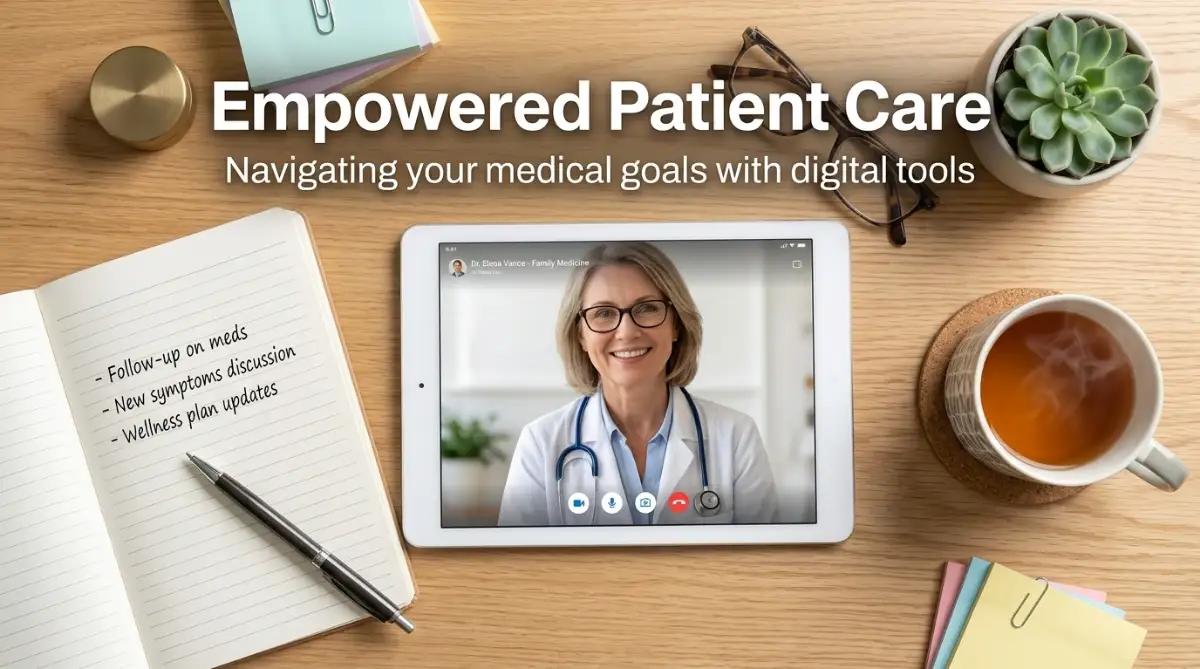
- Be Prepared: Always write down your top 3 questions before the video call starts.
- Track Data: Show your doctor real-life numbers (heart rate, blood sugar, etc.) instead of just describing how you feel.
- Fix Your Space: Find a quiet, well-lit room to ensure the doctor can hear and see you clearly.
- The Follow-Up: Summarize the doctor's plan in writing immediately after the call to keep yourself on track.
Navigating the Shift to Virtual Care
irtual Care vs. In-Person Visits
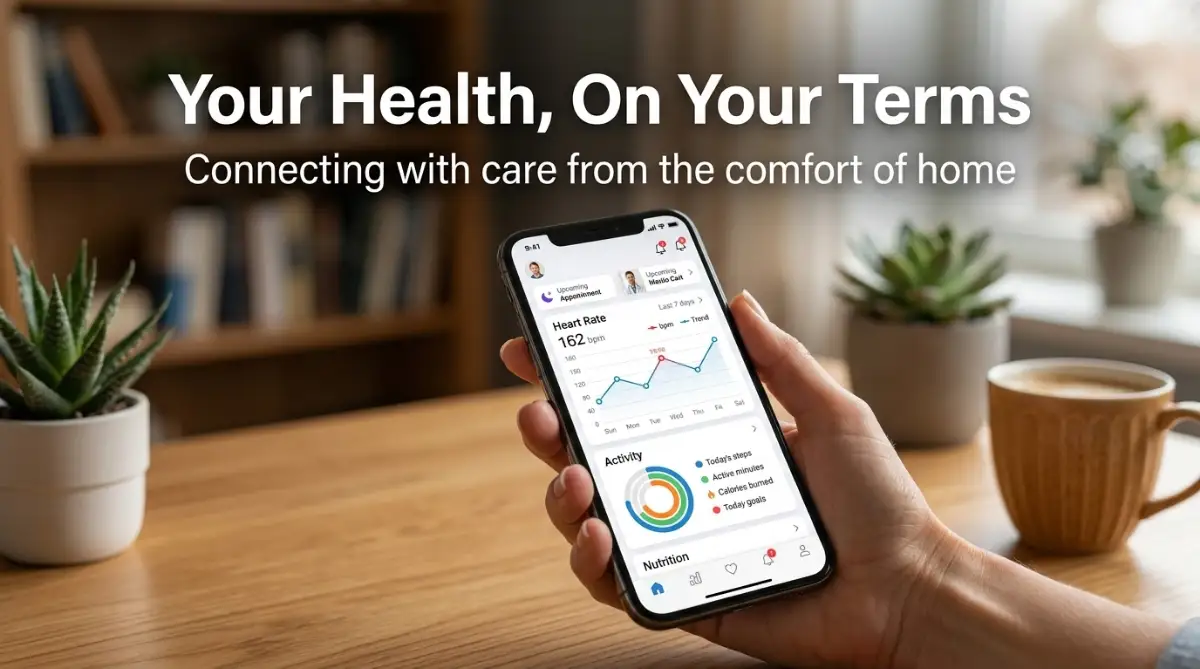
The transition to virtual care has changed the game for long-term health management. It isn't just about avoiding a waiting room. It is about taking the wheel of your own medical journey. When you remove the barriers of travel and time, you suddenly have more energy to focus on the actual goal: getting better.
Why Digital Care Fits Your Life
Think about the last time you had a question for your doctor. Did you wait for three weeks until your next visit? Did you try to Google it, only to feel more anxious? Virtual platforms allow you to communicate with care teams in ways that fit your actual schedule.
You can now track your progress, share data from your home devices, and get feedback without the "all or nothing" stress of an in-person office visit. This constant connection helps you stay on track with your managing chronic conditions through daily nutrition choices because you have someone to check in with more often. You no longer have to wait for a quarterly visit to see if your plan is working.
Tracking Your Progress in Real-Time
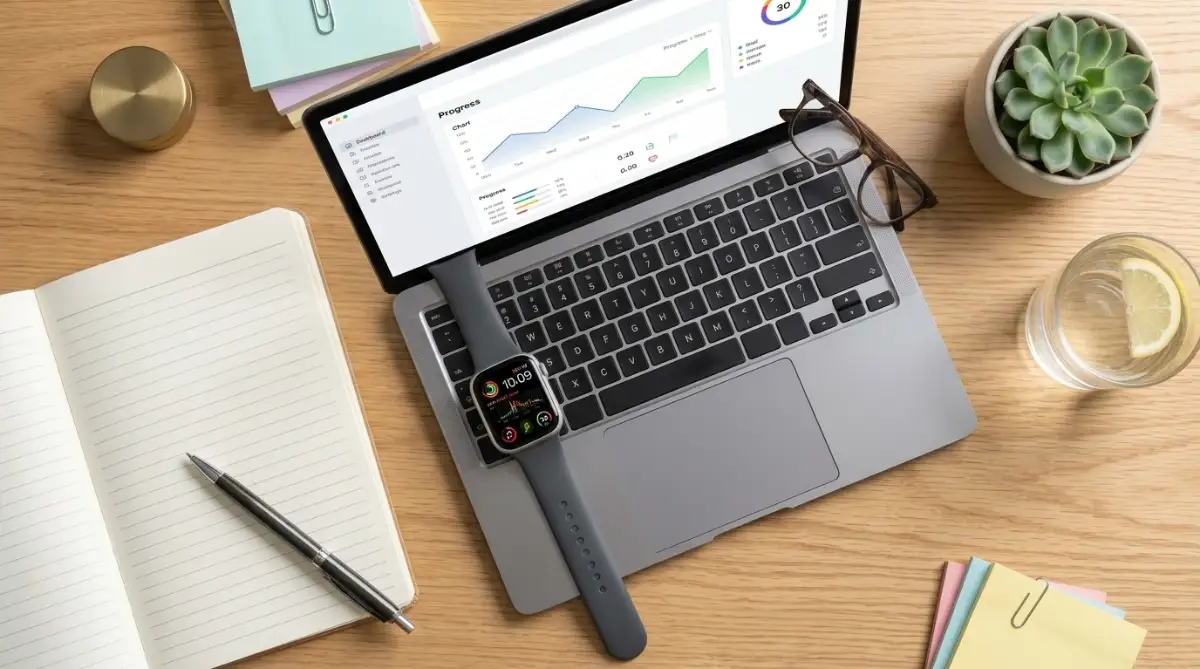
One of the best parts of this modern approach is the ability to use data. Whether it is a wearable device or just a simple app, you can show your doctor exactly how you feel on a Tuesday morning, not just how you feel in their office on a Friday afternoon. This data helps your care team see the full picture.
It is much easier to make adjustments to your treatment plan when you have a clear history to look at. You can review your trends together, making your goals feel achievable rather than abstract. This creates a partnership, where you and your provider are working toward a target based on your real-life numbers.
Step 1: Building Your Digital Medical Toolkit
The 5-Minute Virtual Prep Checklist
Before your video call starts, make sure you have:
- The Log: A list of symptoms and dates written down.
- The Data: Your recent vitals (blood pressure, heart rate, or sugar levels).
- The Tech Check: A quiet room with good lighting and a stable Wi-Fi connection.
- The Questions: Your top 3 must-ask questions ready to go.
To succeed in this new environment, you need to be prepared. This starts with how you organize your medical history. You don't need a PhD in tech, but you do need to know where your documents live.
- Create a digital folder: Keep a copy of your recent lab results, medication lists, and questions.
- Learn the platform: Don't wait until the appointment starts to figure out the video software.
- Set up your space: Ensure you have good lighting and a quiet area where you can speak openly.
Step 2: Communication Strategy for Virtual Visits

Because you aren't sitting in the room, you have to be intentional with your time. Doctors have a limited window, even online. You need to make that time count.
- Write it down: Have your top three questions on a notepad next to you.
- Be specific: Instead of saying "I feel bad," say "I noticed I feel dizzy after I take my afternoon medication."
- Ask for the plan: Always end by asking, "What are the next three steps for my goal?"
Pro Tip: I used to get nervous during appointments and forget half of what I wanted to ask. Now, I keep a shared note on my phone where I add questions the moment I think of them throughout the week. When the appointment starts, I just read from the list. It prevents that post-visit regret of "Oh, I forgot to ask about X!"
Step 3: Integrating Care into Your Routine
The real power of virtual care is consistency. You can schedule your check-ins during your lunch break or right after work, which means you are less likely to cancel them. This consistency is what leads to long-term results.
It is also easier to manage your health when you don't have to stress about the cost and confusion of billing. For instance, decoding medical bills and patient guides can help you feel more in control of your financial health, which reduces the overall anxiety of medical management. When your financial anxiety is lower, you are more likely to stay engaged with your health goals.
[Watch this short video to understand the real-world impact of virtual care on patient outcomes and how it helps maintain consistent medical follow-ups.]
Bridging the Gap: Telemedicine vs. In-Person Care
Many people worry that "virtual" means "lesser" care. That is a common myth. For many chronic health management goals, virtual care is actually superior because it captures you in your natural environment.
The Myth of Distance
Not every part of long-term health management requires an in-person visit. Physical exams and certain tests still need to happen in person, but many routine conversations involve things like tracking symptoms, reviewing progress, adjusting goals, and learning how to manage your health day to day.
Think about what your doctor usually doesn’t see during a short office visit. They don’t see what you eat at home, how well you sleep, how active you are, or how you handle stress throughout the week. With telemedicine, you can bring some of that information into the conversation through health records, symptom notes, home measurements, or other relevant data. That can give your provider a better picture of what’s happening between appointments.
Finding Balance for Mental Wellbeing
Telemedicine has also made it much easier to access mental health support. If you feel like your goals are stalling, it might be tied to your stress levels. You can easily find why mental health check-ups are just as essential as physical screenings and get the help you need without the added friction of travel.
Managing your mind is part of managing your body. By keeping both appointments in the same format—virtual—you lower the effort required to stay healthy. This is how you build a lifestyle, not just a series of doctor's visits.
Data-Driven Decision Making
Modern medical institutions are increasingly relying on peer-reviewed data to support virtual care models. Research, such as studies published by The National Institutes of Health (NIH), shows that remote monitoring leads to better adherence to treatment plans. When you see your own progress, you are motivated to keep going.
This isn't about working harder; it is about working smarter. You are using the tools at your disposal to make the best decisions for your longevity. If you need to focus, remember that why traditional study habits often fail to retain complex information applies to your health journey, too. Don't try to memorize your health plan; keep it written down and accessible.
Overcoming Common Hurdles
It isn't always perfect. Technology can be frustrating, and the adjustment period can take time. But if you know what to watch for, you can handle it.
Tech Frustration
If your internet cuts out or the video glitches, don't panic. Have a backup plan. Keep your phone handy to call the office immediately. Most clinics have a standard procedure for when tech fails.
Privacy Concerns
You have a right to privacy. Ensure you are in a room where you can speak freely. If you are worried about security, ask your provider about the platforms they use. Most are HIPAA-compliant and prioritize your data safety just as much as an in-office file.
Staying Motivated
When your appointments are on a screen, it can feel "less real." You have to remind yourself that the impact on your body is very real. Your blood sugar, your heart rate, and your mood are all improving regardless of the medium of the appointment.
Your Path to Consistent Health
Telemedicine is not just a temporary fix; it is a way to align your medical care with your modern life. It gives you back your time and empowers you to be an active participant in your own longevity.
I encourage you to give it a fair chance. It might feel different at first, but once you experience the freedom of skipping the waiting room, you won't want to go back. Your health is the most important thing you own. By using every tool available—including virtual care—you are taking the best possible care of your future self.
Take one step today. Call your clinic, ask about their virtual options, and start building your own digital health strategy. You have the power to make this journey easier, and the technology is ready to help you get there.
Mastering the Art of Virtual Health Advocacy
You have already taken the first step by adopting virtual care. Now, let’s talk about how to become a "pro" patient. When you are managing long-term health goals, your efficiency during these digital check-ins matters. It is not just about showing up on the screen; it is about how you use that time to drive your outcomes forward.
The Power of Pre-Visit Preparation
Most patients wait until the doctor asks, "How have you been feeling?" to start thinking about their symptoms. This approach often leads to vague answers. Instead, start keeping a simple log of your health data in the days leading up to your appointment.
Note down specific changes in how you feel, patterns in your energy, or any side effects you might be having from medications. By providing this snapshot, you give your doctor clear information rather than guesses. This makes the conversation much more productive and helps you see how to manage chronic conditions through daily nutrition choices more clearly. When you present data, your doctor can make better, faster decisions for your long-term wellness.
Data-Driven Communication Strategies
Your health is a story, and data is the evidence. If you are tracking your blood pressure, heart rate, or blood sugar at home, have that information ready to share. Don't just hold it up to the camera and hope they see it.
Read the numbers out loud or use the chat function if your platform allows it. This clarity helps you and your provider stay aligned on your trajectory. According to research on digital health outcomes, patients who actively participate in tracking their own metrics often see better results over time. A recent study on remote monitoring highlights that patients engaged in their own data collection feel more empowered and compliant with their treatment plans.
Creating a Sustainable Routine
Consistency is the secret sauce for long-term health goals. If you treat your health management like a series of one-off tasks, you will constantly feel behind. Instead, aim for wellness made simple: how to build a routine that actually sticks. This involves scheduling your virtual visits at times when you can be calm and focused, rather than rushing through them between meetings.
Preparing Your Digital Environment
Your physical space affects your mental state. If you are doing your appointment in a noisy kitchen with people walking by, you won't be able to talk about sensitive health topics. Find a quiet spot where you feel comfortable.
Test your microphone and camera five minutes before the start. When you remove the stress of "will this work?", you free up your mind to focus on your health. This is a small logistical step that pays huge dividends in the quality of care you receive.
Asking the Right Questions
Stop saying, "I'm okay" if you aren't. Your doctor needs to know if your long-term goals feel unrealistic or too hard to maintain. If you are struggling, say it directly: "I am having trouble keeping up with this specific part of my plan. Can we adjust it?"
This transparency allows you to build a plan that works for you, not just a generic plan from a textbook. It is a partnership, and you are the expert on your own life. Be brave enough to share what is working and what is causing you stress.
The Pro-Level Secret of Follow-Up
The appointment doesn't end when the video call closes. The most successful patients spend two minutes after the call summarizing what was decided. Write down the action items and the next steps.
If you are confused about something, don't wait for the next visit to bring it up. Send a message through your patient portal if that option is available. Keeping the conversation going, even in small ways, keeps your momentum alive. This is especially helpful if you are also learning how to choose the right medicare plan: a complete beginner’s guide or managing other complex parts of your care.
Maintaining Motivation Through Milestones
Virtual care can sometimes feel impersonal. Combat this by celebrating your milestones, no matter how small they seem. Did you hit your blood pressure goal for the week? Did you stay consistent with your meds?
Share these "wins" with your doctor. Positive feedback reinforces your good habits and makes the journey feel less like a chore. You are working hard, and acknowledging that effort is a valid part of your medical strategy.
Traps That Keep Your Health Goals Stalled
Even with the best tools, it is easy to trip up. These mistakes are common, and they are usually born from a place of trying too hard or not knowing the "unspoken rules" of digital health.
Overlooking Digital Security and Privacy
We live in an age where your personal data is everywhere. A major error many patients make is using unsecured networks or granting permissions to apps they don't actually need for their health tracking. You should definitely read about why you should stop granting unnecessary permissions to newly installed android apps.
If you are tracking health data on your phone, ensure that the apps are from trusted providers. Your health information is sensitive. Don't let your eagerness to track progress lead to a compromise in your digital safety.
The Danger of "Screen Fatigue"
Spending hours staring at devices can be physically and mentally draining. If you have a virtual appointment after a long day of work, you might be too tired to listen effectively. This is where you might start noticing symptoms of burnout or exhaustion.
If you find yourself constantly drained, are you always tired? how to spot the subtle signs of chronic fatigue could be a great resource for you. If your fatigue is high, ask your provider for a phone-only visit to give your eyes a break. You don't always need the video feed if it is just a routine check-in.
Missing the “Between-Visit” Nuances
One common mistake during a telemedicine appointment is assuming that your doctor can tell how you're feeling simply by looking at you on a screen. A video call can provide useful information, but it cannot capture everything. Subtle physical discomfort, muscle tension, changes in movement, or other symptoms may be difficult to notice through a camera.
That's why describing your experience clearly is so important. If something feels unusual—even if you look calm or appear fine on screen—tell your doctor what you're noticing. Explain when it started, how often it happens, what makes it better or worse, and whether it is affecting your daily activities.
You know your day-to-day experience better than anyone else, so don't assume that your doctor will automatically notice every detail. Clear, specific information can help give them a more complete picture and may help guide the next steps in your ca
Expecting a Quick Fix for Long-Term Issues
Telemedicine is a tool, not a miracle. Many patients jump into it expecting their chronic condition to resolve overnight. When it doesn't, they get discouraged and stop showing up.
Long-term health is a marathon. It takes time for medication adjustments to work and for lifestyle changes to show results. Don't let the "ease" of virtual care give you the false expectation of "instant" results. Stay in the game for the long haul.
Neglecting the Human Connection
Virtual care is still care between two humans. It is easy to treat it like a business transaction. But you are talking to a person who cares about your health.
Building rapport takes time, even online. Be polite, be patient with technical glitches, and treat your provider with respect. A strong relationship with your medical team is a huge asset in achieving your goals.
Ignoring Your Mental Health
You might go to a virtual visit to talk about your physical health, but if you leave out your mental state, you are missing a piece of the puzzle. Stress impacts everything. Why mental health check-ups are just as essential as physical screenings is a topic you should always keep in mind.
If you are stressed about work, money, or family, mention it. It affects your physical body and your recovery. Don't hide the "human" parts of your life from your care team.
Taking Charge of Your Health Narrative
You have more control over your health than you likely realize. Virtual care is simply a mirror that reflects the effort you put in. When you treat your digital appointments with the same respect as in-person ones, you get better results.
This journey is about finding what works for your specific life. It is not about fitting into a rigid box. It is about using every resource to make sure you are feeling your best.
I know it can feel like a lot to manage. But think of the time you save by not sitting in traffic. Use that time to rest, to cook a healthy meal, or to simply enjoy your life. That is the real value of this shift.
My personal experience taught me that being a "good" patient doesn't mean being a quiet one. It means being an engaged one. I started asking more questions, taking better notes, and finally feeling like I understood my own health. You can have that same experience. Start by treating your next virtual visit as the start of a better chapter. You are the architect of your own wellbeing, and every digital connection brings you closer to your goal.