The Heavy Weight of the Invisible Backpack: Living with Student Debt
Your paycheck hits your account, you feel a brief win, and then—it’s gone. It isn't just a monthly loan payment; it’s a tax on your future that feels like a weight you simply can't put down. If you feel like your income is just a pass-through for debt interest, you’re not alone. Let’s stop "surviving" the debt and start building a clear exit plan.
This is the reality for millions. It feels like walking around with an invisible backpack full of heavy stones. You want to run toward your dreams, but the weight keeps pulling you back. They want to get married, buy a car, or start a business. Instead, they are just "surviving" their debt.

Does this sound like you? You are not alone. The stress of student loans isn’t just about the money. It is about the missed opportunities. It is about the late-night anxiety when you look at the interest balance. You see your balance staying the same even after you make a payment. It feels unfair. It feels like a trap. But here is the good news: there is a way to change the story. You don’t have to let the debt define your future. By understanding the path you are on, you can start taking the stones out of that backpack.
Debt Reality Check:
- Total Debt vs. Income Ratio: Is your total loan balance higher than your annual salary?
- Interest vs. Principal: Check your last statement. Is 50% or more of your payment going strictly to interest?
- Lifestyle Drain: Are you avoiding career risks or travel because of monthly payments?
- (If you answered 'Yes' to at least two, you need to switch from passive paying to active strategy.)
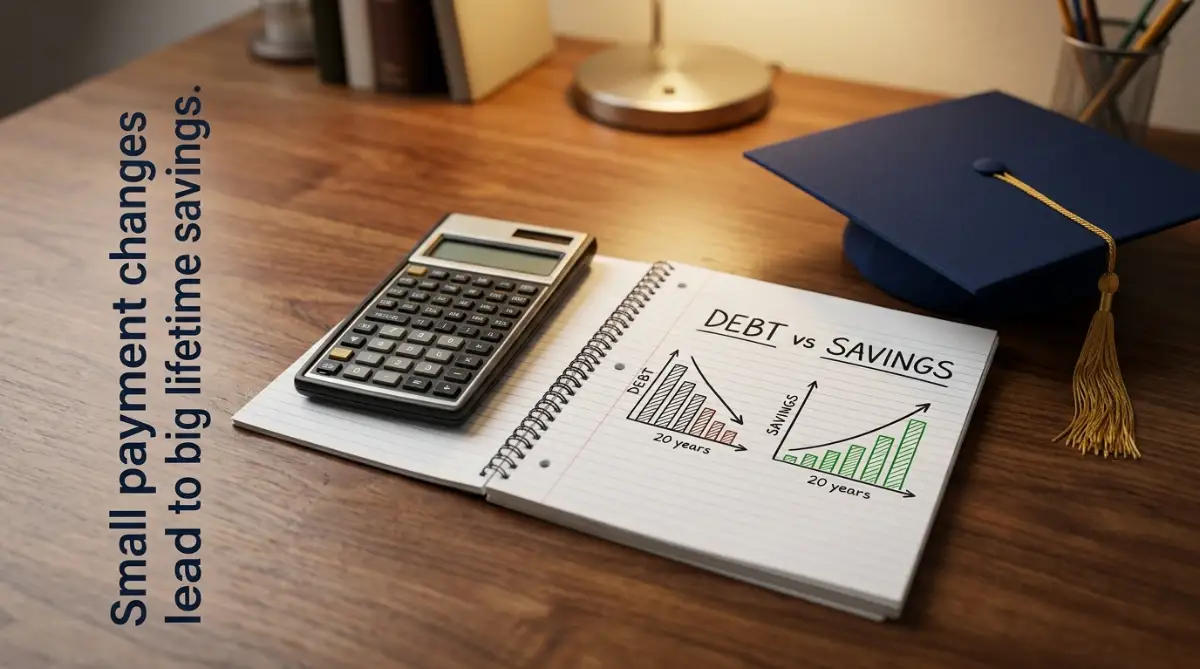
Quick Wins: How to Tackle Student Debt
- Stop the "Interest Monster": Avoid deferment or forbearance unless it is an absolute emergency.
- The "Extra Fifty" Hack: Adding just $50 to your principal payment can save you years of interest.
- Pick Your Method: Use the Avalanche method to save money or the Snowball method to build motivation.
- Automation: Always use auto-pay to snag the 0.25% interest rate discount.
Breaking Down the Path: Why Your Repayment Strategy Matters
Many people think that all repayment plans are the same. They just pay whatever the bill says. This is a big mistake. The path you choose today decides how much you will pay over the next ten or twenty years. It is the difference between paying back $30,000 and paying back $60,000.
The Standard Plan: The Fastest Road to Freedom
The standard repayment plan is usually the default. You pay a fixed amount every month for ten years. It might feel like a high monthly cost. However, this is often the cheapest way to handle your debt in the long run.
Why it works: You pay less interest. Since you finish the loan in a shorter time, the bank has less time to charge you. If you can afford the monthly payment, stay on this path. It is the most direct way to become debt-free.
Income-Driven Repayment (IDR): A Safety Net with a Cost
Life is unpredictable. Sometimes, your salary doesn't match your debt. This is where IDR plans come in. They cap your monthly payment based on how much you earn. On the surface, this sounds amazing. Your monthly bill drops. You have more money for daily life.
The hidden catch: When you pay less each month, the loan lasts longer. Sometimes, the payment doesn't even cover the interest. This means your total balance could actually grow even while you are paying. Use this if you are struggling, but be aware of the long-term cost.
Myth vs. Reality: The Truth About Student Loans
The Power of the "Extra Fifty" Strategy
You don't need a million dollars to change your financial future. You just need a plan. Let’s talk about something I call the "Extra Fifty" Strategy.
If you add just $50 to your principal payment every month, the results are shocking. You aren't just paying $50. You are stopping that $50 from gaining interest for the next ten years. Over time, this small habit can shave months or even years off your loan. It also saves you thousands of dollars in interest.
Think about your daily habits. Can you find $50 a month? Maybe it's one less dinner out. Maybe it's a smaller phone plan. That small sacrifice today is a gift to your future self. I have seen people gain so much confidence just by seeing their balance drop faster than expected.
Evaluating the Impact of Interest Rates
Interest is the "silent thief." It works while you sleep. If you have a 6% interest rate on a $40,000 loan, you are paying thousands just for the "privilege" of borrowing.
Understand your rates: Look at your loan dashboard. Are your loans "subsidized" or "unsubsidized"? Subsidized loans are better because the government pays the interest while you are in school. Unsubsidized loans start growing the moment you take them.
Target high-interest loans first: This is known as the Avalanche Method. If you have multiple loans, put any extra money toward the one with the highest interest rate. This is mathematically the smartest way to save money. You are killing the most expensive debt first.
The Psychological Win of the "Smallest Balance" Method
Sometimes, the math isn't enough. We are humans, not robots. We need to feel like we are winning. This is where the Snowball Method comes in.
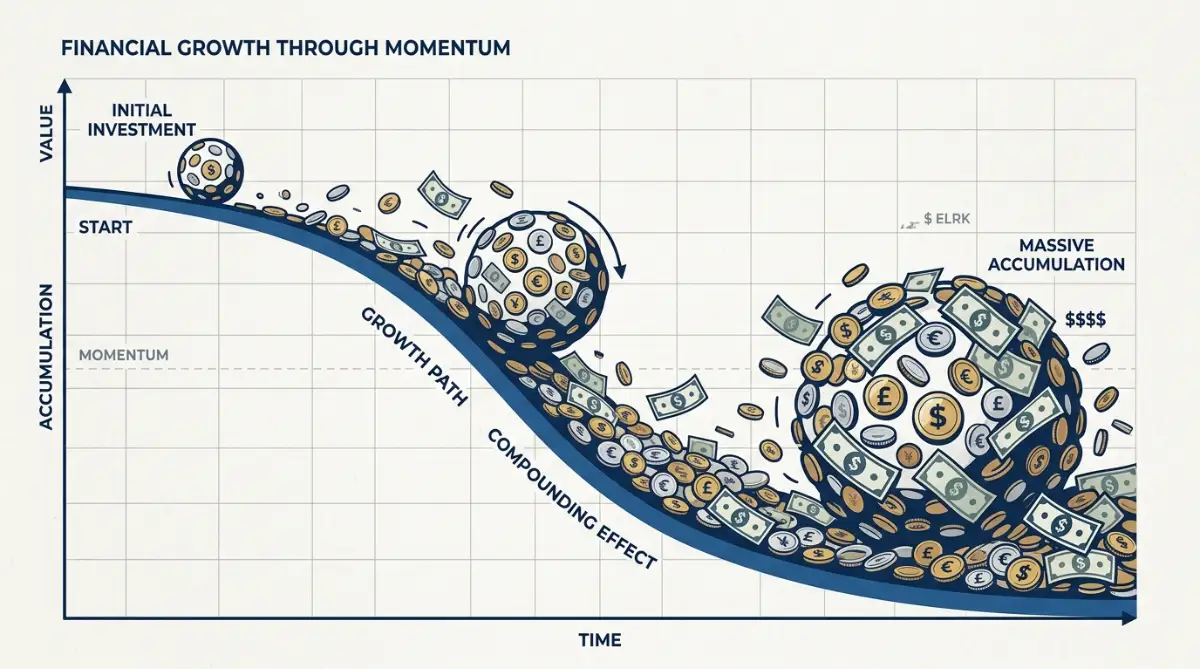
Instead of looking at interest rates, you pay off the smallest loan balance first. When that small loan hits zero, you feel a rush of success. You take that money and move it to the next smallest loan. This creates momentum. It keeps you motivated when the journey feels long.
| Strategy | Best For | Emotional Win |
| :--- | :--- | :--- |
| Avalanche | Math lovers, lower total interest. | Slow, logical wins. |
| Snowball | Motivation seekers, people needing focus. | High, immediate success. |
(Pick the one that keeps you consistent, not the one that looks better on a spreadsheet.)
I often suggest this for people who feel overwhelmed. If looking at your total debt makes you want to cry, start small. Get a "win" under your belt. That positive feeling will give you the energy to keep going.
Is Loan Consolidation Right for You?
You might have five or six different student loans. It is hard to keep track of them all. Consolidation combines them into one single loan with one monthly payment.
The Good: It is simple. You only have one bill to worry about. It can also lower your monthly payment by extending the time you have to pay.
The Bad: Extending the time means paying more in interest. Also, if you consolidate federal loans into a private loan, you lose government protections like "forbearance" or "forgiveness" programs. Be very careful before moving federal loans to a private bank.
Expert Insight: The Importance of the "Emergency Fund" Buffer
Before you throw every extra penny at your student loans, wait! I always tell my readers to build a small safety net first.
Imagine you spend all your savings to pay off a loan. Then, your car breaks down. What happens? You end up putting the repair on a high-interest credit card. Now you are in a worse position.
Pro Tip: Keep at least $1,000 to $2,000 in a separate savings account. This is your "shield." It protects your debt repayment plan from the surprises of life. Once you have this shield, you can attack your student loans with full force.
Thinking About the Long-Term Map
Your student loan path is not just a monthly bill. It is a map of your life for the next decade. If you choose a 20-year plan, you are deciding that a portion of your income will be gone until you are much older.
Most student loan websites have a calculator. Look at the total amount you will pay over the life of the loan. Is that number okay with you? If not, it is time to change the path.
You have the power to make a new choice. You can decide to be aggressive. You can decide to find ways to increase your income or decrease your costs. The goal is not just to pay off a loan. The goal is to own your life.
When you make that final payment, the feeling is incredible. You aren't just debt-free. You are free to build the life you actually want. You can start that business. You can travel. You can save for your children's future so they don't have to carry the same invisible backpack.
Keep going. Every dollar you pay toward the principal is a step toward freedom. You are doing a great job by simply learning about these strategies. Knowledge is the first step to change.
Taking Control: Advanced Strategies to Wipe Out Your Student Debt
Now that you have a solid grasp of the different repayment paths, let’s look closer at the "pro moves" that most people ignore. Managing debt is not just about writing a check every month. It is about outsmarting the system. You want to make sure every penny you spend is working as hard as possible for you.
One of the best hidden secrets is the Student Loan Interest Deduction. The government actually allows you to deduct up to $2,500 of the interest you paid on your loans from your taxable income. You can find more details about this on the official IRS website regarding student loan interest. This means you might get a bigger tax refund or owe less when tax season rolls around. It is essentially free money back in your pocket just for paying your debt.
Another powerful move is checking with your employer. Many companies are now offering Student Loan Repayment Assistance as a benefit. They might contribute $100 or $200 a month directly toward your principal. If your job offers this, it is like getting a raise that goes straight to your freedom fund. Always talk to your HR department to see if this is an option for you.
If you are worried about how these payments affect your overall life, remember that balance is key. While paying off debt is great, you should also be building a small cash reserve to handle car repairs or medical bills. Without this buffer, one bad day could force you to stop your loan payments entirely.
The Math Hack: Bi-Weekly Payments
Most people pay their student loans once a month. But there is a better way. If you split your monthly payment in half and pay it every two weeks, you end up making one extra full payment every year.
Think about it this way. There are 52 weeks in a year. If you pay every two weeks, you make 26 half-payments. That equals 13 full monthly payments instead of the usual 12. You won’t even feel the difference in your budget, but your loan balance will drop much faster. This small shift in timing saves you a massive amount of interest over the life of the loan.
The Truth About Interest Capitalization
Have you ever noticed your loan balance getting bigger even when you aren't in school? This happens because of Interest Capitalization. When your unpaid interest is added to your principal balance, the bank starts charging you interest on your interest. This is a cycle that can keep you in debt for decades.
To stop this, try to pay off any "accrued interest" before it capitalizes. This usually happens at the end of a grace period or after a period of deferment. If you can pay off that interest chunk before it merges with your main loan, you save yourself from a mountain of future costs. It’s like putting out a small fire before it burns down the whole house.
Expert Advice: Protecting Your Future Assets
As you work toward a debt-free life, you might be thinking about starting a side hustle or a small business. Your student debt doesn't have to stop you, but you must be smart about it. Learning how to protect your future business assets is just as important as paying down your debt. You are building a foundation for wealth, and you don't want legal risks or debt to take it all away.

The Danger Zones: Mistakes That Can Cost You Thousands
Even with the best intentions, it is very easy to fall into traps. These mistakes don't just cost money; they steal your time. I have seen people pay their loans for ten years only to find out they owe more than when they started. Let’s make sure that doesn’t happen to you.
The Trap of "Forbearance" and "Deferment"
When money gets tight, your loan servicer might offer to let you stop making payments for a while. This is called forbearance or deferment. While it sounds like a relief, it is often a debt trap.
In most cases, the interest keeps growing while you aren't paying. When you finally start paying again, that interest is added to your total balance. Only use these options if you truly have no other choice. If you can even pay $20 a month during a hard time, do it. It keeps the "interest monster" from growing too large.
Falling for the "Loan Forgiveness" Scams
Be very careful of phone calls or emails promising to "erase your debt instantly." If it sounds too good to be true, it probably is. Real government forgiveness programs, like Public Service Loan Forgiveness (PSLF), are free to apply for. You never have to pay a private company to get your loans forgiven.
You can verify all legitimate forgiveness options directly on the Federal Student Aid website. Giving your personal information to a scammer can lead to identity theft and even more financial pain. Always go to the source.
Neglecting the "Fine Print" on Private Loans
Private loans are very different from federal loans. They don't have the same safety nets. If you lose your job, a private lender might not care. They often have variable interest rates, meaning your monthly payment could go up without warning.
If you have private loans, your main goal should be to pay them off first or look into refinancing to get a lower fixed rate. Just remember that if you refinance federal loans into private ones, you lose all government protections. It’s like trading a sturdy umbrella for a fancy hat—it looks nice until it starts raining.
Forgetting to Re-certify Your Income
If you are on an Income-Driven Repayment (IDR) plan, you have to "re-certify" your income every single year. If you forget, your payment could jump back up to the Standard Plan amount. This sudden spike can ruin your monthly budget.
Pro Tip: Set a reminder on your phone two months before your re-certification date. Don't wait for the mail or an email that might get lost in your spam folder. Staying organized is the best way to keep your payments affordable.
The Lifestyle Creep Mistake
When you get a raise at work, your first thought might be to get a nicer apartment or a better car. This is called lifestyle creep. Instead of increasing your spending, try to keep your lifestyle the same and put that extra income toward your loans.
If you stay focused for just a few years, you can finish your debt and then enjoy your raises fully. It is much better to drive an old car for two years and be debt-free than to drive a new car for ten years while drowning in interest.
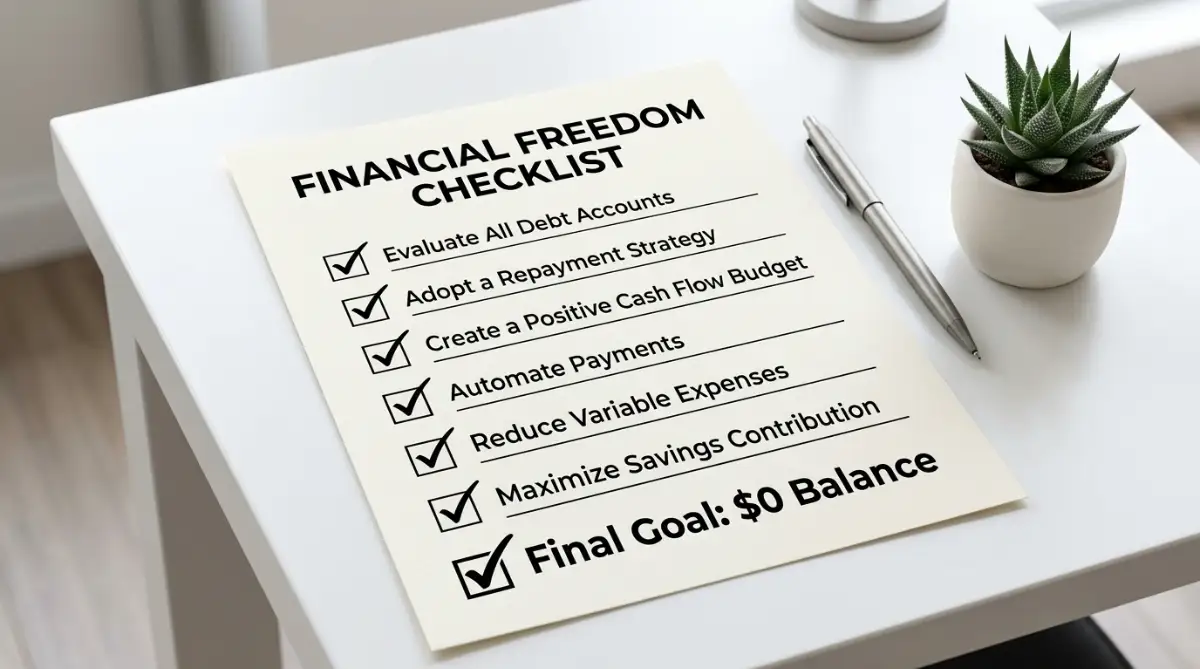
Your Roadmap to a Debt-Free Life
You have done the hard work of learning the strategies. Now, it is time to put them into action. You don't have to do everything at once. Start small, stay consistent, and watch the progress happen.
Your 24-Hour Action Plan
If you want to start changing your financial future today, follow these simple steps:
- Log In: Go to your loan servicer's website. Look at your interest rates and total balance. Face the numbers.
- Check Your Tax Return: See if you claimed your interest deduction last year. If not, remember it for next time.
- Automate Your Payments: Most lenders give you a 0.25% interest rate discount just for setting up auto-pay. It saves you money and ensures you are never late.
- Audit Your Budget: Find $20 or $50 that you can add to your principal payment this month.
- Think Ahead: Consider how much you are spending on other things. For example, managing your out-of-pocket healthcare costs can free up more cash for your debt repayment.
The Light at the End of the Tunnel
I want you to imagine a day when you get an email that says: "Your Balance: $0.00."
Think about how deep you will breathe on that day. Think about the weight finally lifting off your shoulders. You won't be working for the bank anymore. You will be working for yourself. Your paycheck will finally belong to you.
Student loans can feel like a life sentence, but they aren't. They are just a chapter in your story. By choosing a strategic repayment framework, you are taking the pen back. You are writing the ending where you win.
Every extra payment you make is a "thank you" note to your future self. It might feel slow right now, but every dollar counts. You have the tools, the knowledge, and the plan. Now, go out there and make it happen. Your debt-free life is waiting for you, and it is going to be even better than you imagine.
Disclaimer: The information provided in this article is for educational purposes only and does not constitute professional financial, legal, or tax advice. Please consult with a qualified financial advisor or tax professional before making significant changes to your loan repayment strategy or financial plan. Results may vary based on individual loan terms and financial situations.
Thank you for reading. At Finliora, our mission is to provide accurate, practical, and trustworthy information to help you make informed financial and everyday decisions.