
The Reality of Empty Carts and High Numbers
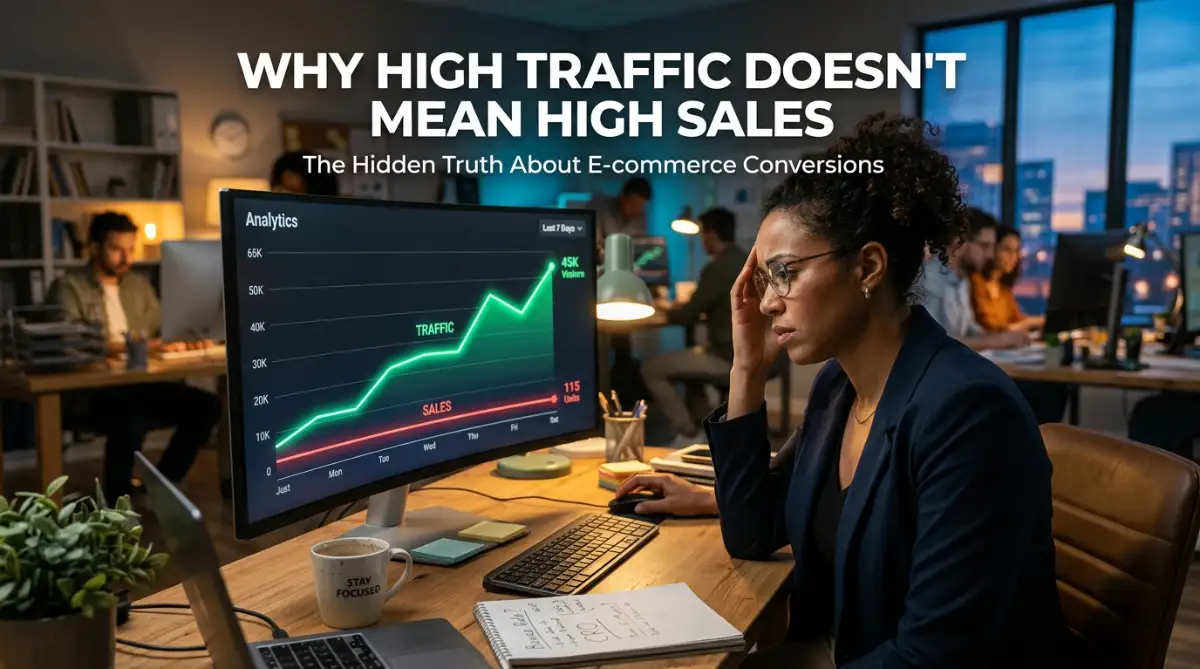
You’re staring at your analytics dashboard, watching the visitor count climb. It looks like a win—until you look at the revenue. Zero. Again. That "busy shop with no sales" feeling is the most frustrating part of e-commerce. You aren't failing because you lack traffic; you're failing because you have a leak in your bucket. Let's fix that leak today.
The "Why Aren't They Buying?" Quick Guide
Before diving in, keep these 4 points in mind:
- Audit Your Traffic: Stop paying for people who don't want your specific product.
- Simplify the Path: Every extra click kills a sale. Make checkout fast.
- Be Human: Use real photos and contact info to build trust instantly.
- Test One Thing: Don't change everything at once; change one element and watch the data.
When Visitors Just Look But Don't Buy
We need to talk about the psychology of the browser. Not everyone who clicks on your site is ready to buy right now. Many are window shopping, comparing prices, or just looking for inspiration. If your site does not guide them toward a decision, they will just keep clicking away. You have to understand that traffic is just the entry. Sales are the goal. If you confuse the two, you will waste a lot of money and time.
The Mismatch Between Audience and Offer
Often, the problem is not your website. It is who you are bringing to your website. If you are selling high-end luxury goods but your ads are targeted at people looking for cheap bargains, you will have high traffic and zero sales. The people clicking your link are simply not your customers. They are looking for something else. You need to audit your marketing channels. Are you talking to the right people?
Check your ad settings or your content strategy. Are you promising something that your product does not deliver? If your ad promises a discount but your store shows full price, that is a huge disconnect. People feel tricked and they leave instantly. Be honest with your marketing. If your product is a premium item, highlight the value, not just the price.
The Friction in Your User Journey
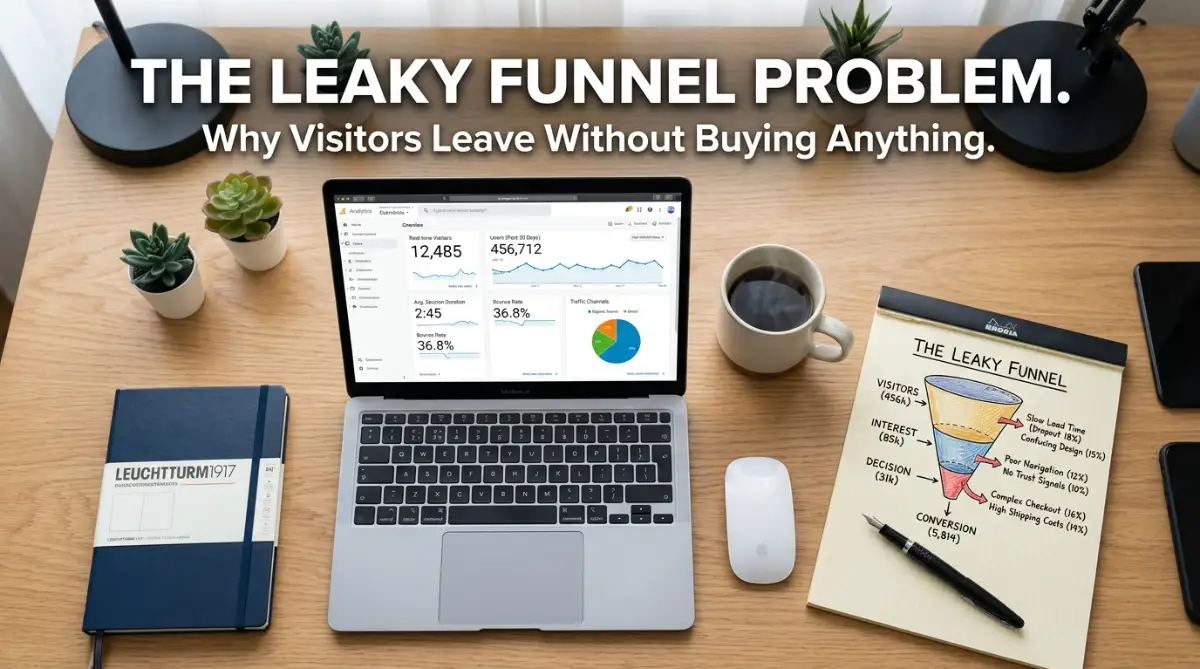
Let’s talk about your store layout. Does it take five clicks to get to the checkout page? Every extra click is a chance for a customer to change their mind. If your site is slow, people will leave before it even loads. People have very short attention spans today. If your store does not load in under three seconds, you are losing money.
- Simplify your navigation: Keep it clean and obvious.
- Fix your checkout process: Allow guest checkouts without forcing account creation.
- Make your images fast: Heavy, large images are site killers.
Building Trust When You Are New
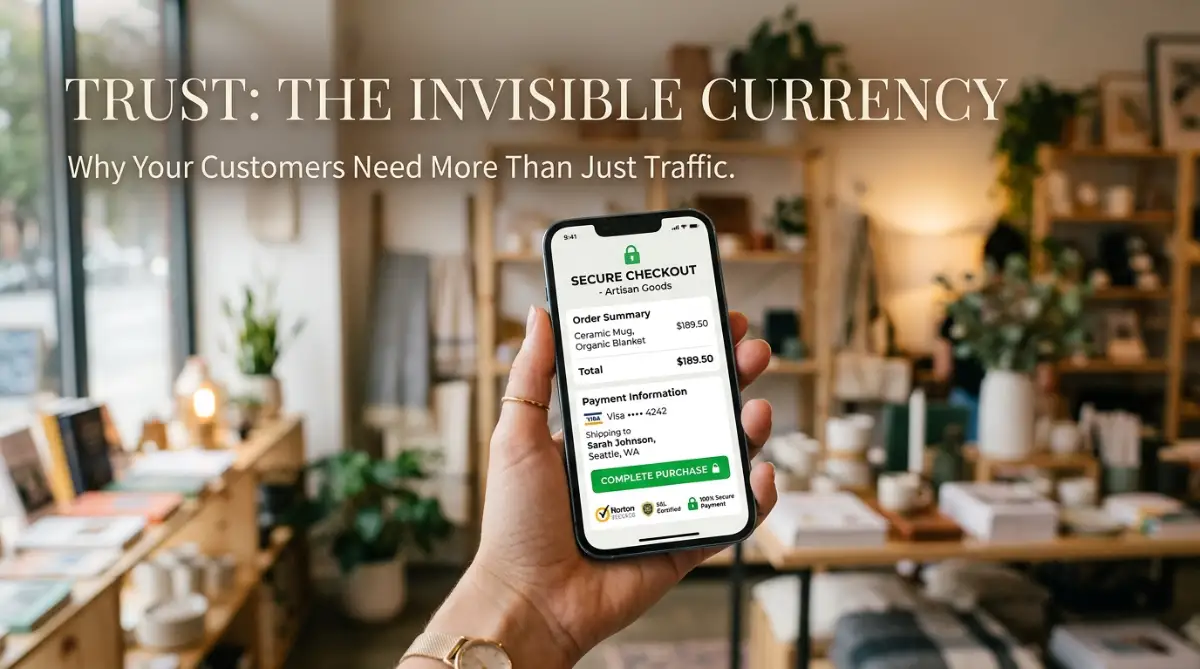
Why would a stranger trust you with their credit card information? If your site looks unprofessional, or if it is missing key contact information, people will be scared. They do not want to get scammed. You need to show that you are a real person or a real company. Include an "About Us" page that tells your story. Include a clear return policy. Add trust badges near your checkout buttons. These small things make a big difference in how safe a customer feels.
Pro Tip: I once realized that my contact page was buried in the footer. I moved my business email and a "Contact Us" link to the header. Within a week, my conversion rate jumped. People just wanted to know that if something went wrong, they could reach a human being. It was a simple change, but it added the trust layer my site was missing.
The Power of Clear Product Descriptions
Many store owners copy-paste descriptions from their suppliers. This is a huge mistake. First, it kills your SEO ranking because your content is not unique. Second, it fails to connect with the reader emotionally. When I write a product description, I do not just list the features. I list the benefits.
Instead of saying "This bag has a leather strap," try saying "Carry your belongings in comfort with a soft, durable leather strap that rests easily on your shoulder all day." You need to paint a picture of how the product makes their life better. This is how you convert a curious visitor into a happy buyer.
Why Your Pricing Might Be The Problem
Sometimes, the traffic is fine, the site looks great, and the products are top-notch, but sales are still missing. The issue might be your price point compared to your competitors. If you are selling a similar item to a big box store, you need to offer something they don't. Maybe it is faster shipping, better packaging, or a personal handwritten note in the box. If you cannot compete on price, you must compete on value.
People are willing to pay more if they feel they are getting a better experience. Do not race to the bottom with your prices. It destroys your margins and makes it harder to grow. Focus on building a brand that people actually want to be a part of.
Analyzing Your Analytics
You cannot fix what you do not measure. Go into your analytics tool and look at your "Exit Pages." These are the pages where people leave your site most often. If they are leaving on your product page, maybe your description or images are not good enough. If they are leaving on the cart page, maybe your shipping costs are too high.
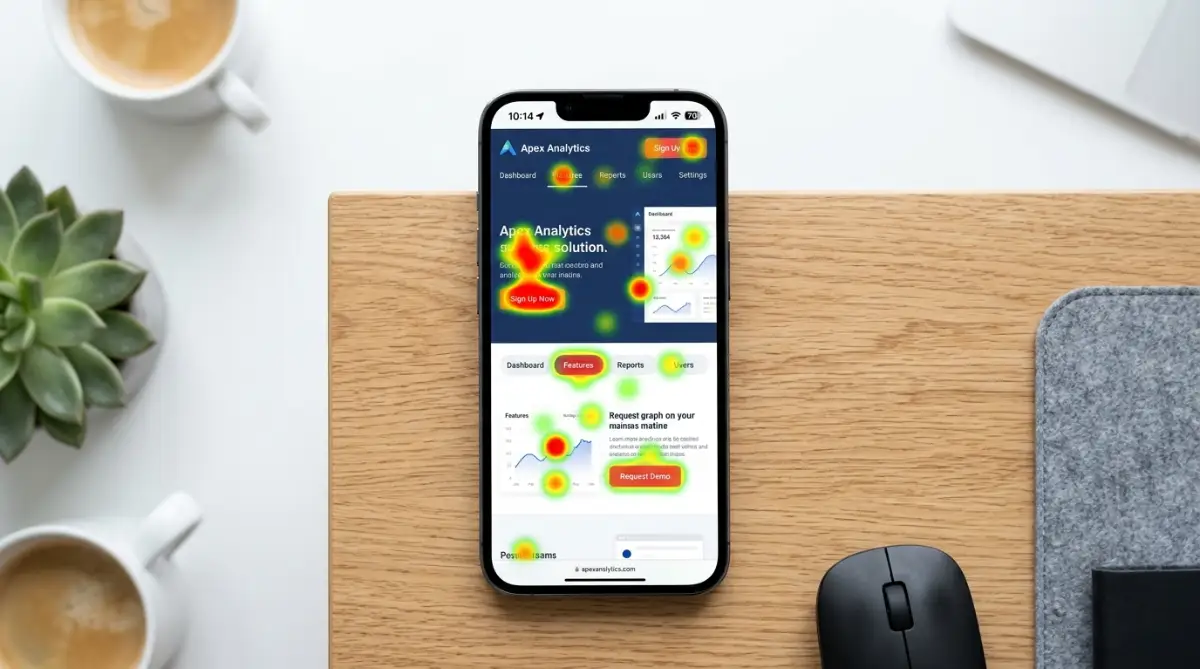
Watch the data like a hawk. Don't just look at total visitors. Look at the behavior. Use heatmaps if you have access to them to see where people are clicking and where they are getting stuck. This data tells the truth, even when you don't want to hear it.
The Importance of High-Quality Visuals
In the online world, your product photos are the closest a customer gets to touching your items. If your photos are blurry, poorly lit, or lack detail, you are giving the customer a reason to doubt the quality of your product. You don't need a professional studio. A smartphone with a good camera and natural sunlight can do wonders.
Take photos from every angle. Show the product in use. If you sell clothes, show them on a person, not just a hanger. Context helps the customer visualize the product in their own life. If they can visualize it, they are much closer to buying it.

The Role of Social Proof
Do you have reviews on your site? If not, you need to start getting them. A new visitor looks at your store and asks, "Has anyone else bought this?" If the answer is "I don't know," they will likely leave. Reviews are the most powerful tool for conversion. Even if you only have a few, put them on your homepage and your product pages.
If you don't have reviews yet, give your product to friends or family in exchange for an honest review. You need to build that social proof as soon as possible. People are herd animals; they trust what others have already tried and liked.
Making Your Mobile Experience Flawless
More than half of your traffic likely comes from mobile devices. If your site is hard to navigate on a phone, you are effectively turning away more than 50% of your potential customers. Check your site on your own phone. Try to buy something. Is the button easy to press? Is the text easy to read?
If you have to zoom in to read the text, you have a problem. Keep your design responsive and clean. Everything should be thumb-friendly. A smooth mobile experience is not a luxury anymore; it is the absolute standard for any successful store.
Why Speed Kills (Or Saves) Your Sales
I cannot stress this enough: speed matters. Every second your page takes to load, you lose a percentage of your visitors. If your site is sluggish, it gives the impression that your business is outdated or poorly managed. Compress your images, use a fast hosting provider, and minimize the number of apps or plugins you have running.
A fast site keeps the user engaged. It shows that you value their time. When a customer lands on a fast-loading page, they feel like they are in a professional, reliable store. This creates a positive first impression that lasts throughout the shopping journey.
The 3-Second Speed Audit Checklist:
Before you panic about marketing, fix these three speed killers:
- Compress Images: Use a tool like TinyPNG to shrink file sizes.
- Limit Apps: Remove any shop app you haven't used in 30 days.
- Test Mobile: Open your site on 4G (not Wi-Fi). Does it load fast? If no, keep optimizing.
Encouraging Returns Without Being Pushy
Sometimes, a customer visits, looks, and leaves. That is okay. It doesn't mean they will never come back. If you can get their email address in exchange for a small tip or a helpful guide, you can stay in touch. This allows you to market to them later, reminding them of why they visited in the first place.
Don't spam them with "buy now" messages. Send them helpful tips, interesting stories related to your products, or updates. Stay on their radar so that when they are ready to buy, your store is the first one they think of. This is how you build a long-term, profitable business rather than just chasing one-time sales.
Understanding the "Abandonment" Mindset
Why do people add things to their cart and then abandon it? Usually, it is because of an unexpected cost, like shipping, or because the process was just too long. If you add high shipping fees at the very last step, people will feel cheated. Be transparent about your costs from the beginning.
If you offer free shipping, make it clear on every page. If you have shipping costs, be upfront about them. People value honesty. If they know what to expect, they are much less likely to leave at the checkout stage. Transparency builds trust, and trust is the direct path to profitable sales.
Creating a Sense of Urgency (The Honest Way)
You don't need to use fake countdown timers to create urgency. If you have a limited supply of a product, be honest about it. "Only 5 left in stock" is a powerful motivator. If you are having a seasonal promotion, be clear about when it ends.
Honest urgency helps a customer make a decision. It nudges them from "I'll think about it" to "I need this now." Just be careful to keep it real. If you use fake urgency, you will lose your customers' trust forever once they realize you are playing games.
Learning From Your “Almost” Customers
Not every visitor who leaves your website without buying is a lost opportunity, but their behavior can still provide useful clues. If you're using analytics, look for patterns in where people leave, which pages they visit, and where they stop moving through the buying process.
Those insights can help you decide what to test. You might try a clearer headline, a different call-to-action, a simpler checkout process, or a new hero image. You don't need to change everything at once. Testing one meaningful change at a time makes it easier to understand what actually affected the results.
A/B testing can be especially useful when you have enough traffic to produce meaningful results. If one version consistently performs better under similar conditions, that's useful evidence—but it doesn't necessarily mean the same change will work forever.
The goal is to keep learning from real customer behavior rather than relying entirely on assumptions. Small, measured improvements can add up when you regularly review the data and refine the experience.
Why You Should Stop Chasing Vanity Metrics
It is easy to get addicted to seeing high traffic numbers. It feels good. It gives you a sense of progress. But vanity metrics do not pay the bills. Profit does. Focus on the metrics that actually matter: your conversion rate, your average order value, and your customer acquisition cost.
If you have to choose between 1,000 visitors who do not buy, or 100 visitors who result in 10 sales, choose the 100 visitors every time. Quality always beats quantity in the world of e-commerce. Stop worrying about how many people visit, and start worrying about how many people actually connect with your brand.
The Journey is Just Beginning
Turning traffic into profit is not a destination; it is a process. You will learn, you will fail, you will fix, and you will grow. It is part of the game. Stay curious, stay helpful to your customers, and always be willing to look at your store through their eyes. That is the secret to building a business that lasts.
If you are feeling stuck, take a step back. Look at your site as if you were a customer who has never seen it before. What is confusing? What is missing? What would make you want to buy? Use these questions to guide your improvements. You have the power to turn that traffic around. Just keep focusing on the value you provide, and the sales will follow.
Check out this video to understand more about optimizing your store for better conversions:
If you are struggling to get your first sales, this video breaks down the psychological triggers that make people actually click the checkout button.
The road to profitability is often paved with small, consistent improvements. Don't look for the "one big secret." Look for the ten small things you can fix today. Improve your images. Simplify your menu. Write better descriptions. Build more trust. Each of these things might only move the needle a little bit, but together, they create a store that people love to shop in.
Keep testing, keep learning, and keep putting your customer first. You have already done the hard work of getting them to your site. Now, just show them why staying is worth their while. Your store has potential—you just need to unlock it.
Mastering the Art of Retaining Your Visitors
Getting a visitor to land on your site is only half the battle. If they leave without taking action, you have essentially thrown away the money or time you spent to get them there. To fix this, you need to understand that your website is not just a digital brochure; it is a conversation.
If you notice that your conversion rates are stuck, you need a high traffic zero sales fix your conversion strategy that looks beyond the obvious. Think of your store like a physical shop. If a customer walks in and looks lost, you would walk up and offer help. Online, you cannot physically walk up to them, but you can use "intent-based" messaging.
Use tools that show you exactly where people are scrolling and clicking. Are they ignoring your buy button? Maybe it is the wrong color, or it is placed in an area that the eye naturally skips over. According to research from the Nielsen Norman Group, users typically scan pages in an F-shaped pattern. Place your most important information—and your call to action—right in that line of sight.
Personalization: The Key to Higher Conversions
One of the biggest secrets to turning traffic into profit is treating every visitor like an individual. You might be tempted to use generic "Buy Now" buttons everywhere. Instead, try to tailor your calls to action based on where the visitor came from.
If they clicked an ad about a specific problem your product solves, your landing page should speak directly to that problem. Do not make them guess if they are in the right place. The more specific your messaging, the more comfortable the visitor feels. When a visitor feels understood, they are much more likely to pull out their credit card.
If you find that your business is not gaining the traction you expected, it might be time to step back and ask is your business failing 7 signs it is time to pivot now. Sometimes, the issue is not the website at all, but the core offer itself. Be brave enough to change your direction if the data tells you that your current path is a dead end.
The Power of Email and Retargeting
Not everyone is ready to buy on their first visit. This is a hard truth, but a helpful one. If you let them leave without a way to contact them again, you have lost them forever. Start building an email list by offering something helpful in exchange for their address.
This could be a guide, a discount, or exclusive access to new products. Once you have their email, you can send them updates that keep your brand on their mind. If they are not ready today, they might be ready next week. This is how you stop the passive income fallacy where your online revenue is stalled because you are only focusing on cold traffic.
Consistency is your best friend here. Do not send sales emails every day. Send tips, stories, and helpful advice. When you finally do ask for a sale, they will be much more receptive because you have provided value first. You can read more about how major brands handle this consumer journey through resources like Google’s Think with Google marketing research hub.
Traps That Keep Your Store From Profitability
It is easy to get caught up in the excitement of "growth hacks." We see ads promising overnight success or tools that claim to automate sales. Often, these are just distractions. The reality is that building a profitable store requires avoiding the common pitfalls that burn out new business owners.
The Danger of Ignoring Your Financial Health
One of the biggest mistakes I see is business owners who focus so hard on marketing that they forget about the money coming in and out. You might be driving thousands of visitors, but if your costs are too high or your cash flow is messy, you are building a house of cards. Ignoring the hidden dangers of mismanaging cash flow and how to fix them will eventually kill your store, no matter how much traffic you have.
Keep your accounting clean. Know your margins for every single product. If you are selling items that cost you more to market than they return in profit, you are not running a business; you are running a charity. Do not be afraid to remove products that are not profitable.
Trying to Fix Everything at Once
When sales are low, the urge to change the entire website overnight is strong. You might change the font, the theme, the colors, and the products all at the same time. This is a recipe for disaster. If you change five things and your sales go up, you will never know which change actually worked.
Instead, act like a scientist. Change one thing at a time. Maybe today you test a different product description. Wait a few days to see the results. Then, try testing the hero image. This methodical approach gives you clear data, which allows you to make smart decisions instead of guessing.
Ignoring the "Why" Behind Silent Failures
Sometimes, the reason for failure is not visible on the surface. It is deeply ingrained in the way the business was set up from day one. If you want to avoid the silent killers and unspoken reasons startups fail in cycle one, you must look at your internal processes.
Are you spending too much time on manual tasks that could be automated? Are you spending your budget on the wrong ads? Be honest with yourself. Admitting that you are doing something wrong is the first step toward fixing it. It takes courage, but it is the only way to turn your store around.
Relying on a Single Source of Traffic
If all your traffic comes from one place—like a single social media platform—you are at risk. If that platform changes its algorithm or decides to shut down your account, your business could disappear overnight. Diversify your traffic sources. Build your presence on search engines, start an email list, and explore different content channels.
A resilient business is built on multiple foundations. It might take longer to build, but it will be much stronger in the long run. Think of it like investing; you would not put all your money into one stock. Do not put all your business prospects into one traffic stream.
Your Path to Consistent Sales
Turning traffic into profit is not a race. It is a marathon that requires patience, observation, and a willingness to learn. You do not need a massive budget to see results. You need a clear understanding of your customer, a website that makes buying easy, and a strategy that values every visitor.
Stop looking at the total number of visitors as your only metric for success. Instead, start looking at the quality of those visitors. Are they staying? Are they clicking? Are they engaging? These are the indicators that point toward actual profit.
I know it feels discouraging when the numbers do not add up. I have been there, staring at an empty order dashboard while my traffic graphs climbed. But remember, every successful brand started exactly where you are today. They did not get there by magic. They got there by fixing one small thing at a time, testing, failing, and trying again.
You have the tools. You have the knowledge. Now, take one of the strategies we discussed and apply it today. Change your headline. Fix your checkout button. Start your email list. The difference between a store that makes money and one that just makes noise is simply the effort you put into the details. I believe in your ability to make this work. Just keep moving forward, stay honest with your data, and treat your customers with the respect they deserve. You have got this.
Common Questions About E-commerce Conversions
Why is my bounce rate so high even with good traffic?
A high bounce rate usually means there is a mismatch between what you promised in your ad and what the user saw on your landing page. If they click expecting a discount but see full price, they will leave immediately. Ensure your ad messaging and page content are perfectly aligned.