The Shiny Key Trap: When Your Car Budget Falls Apart
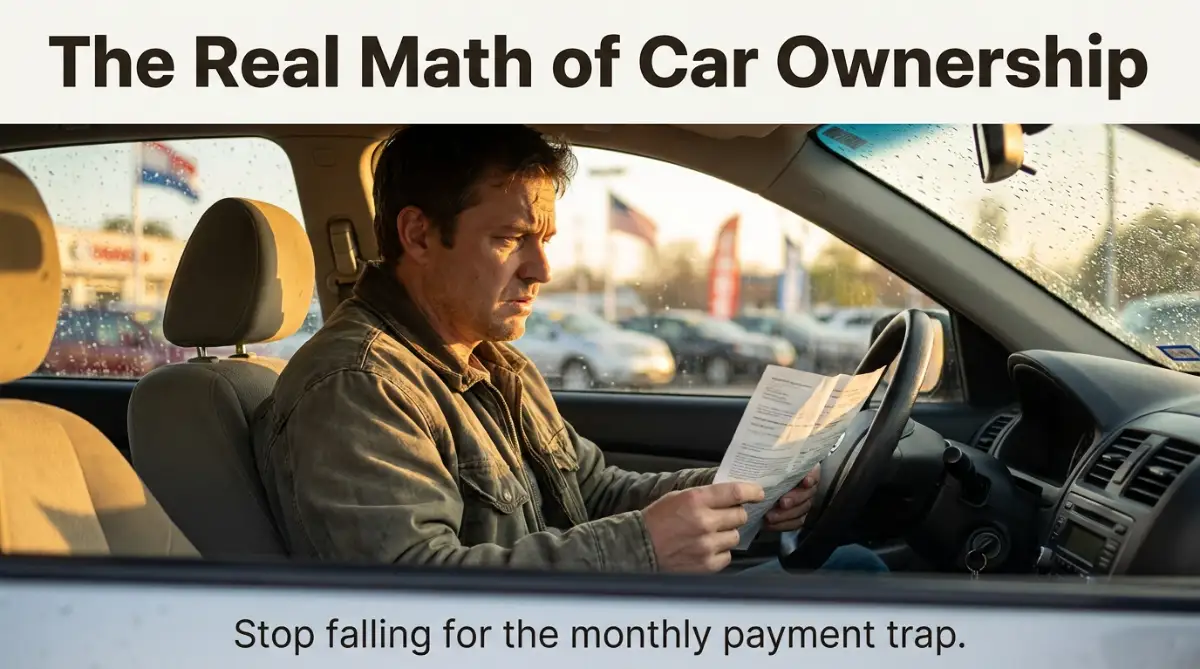
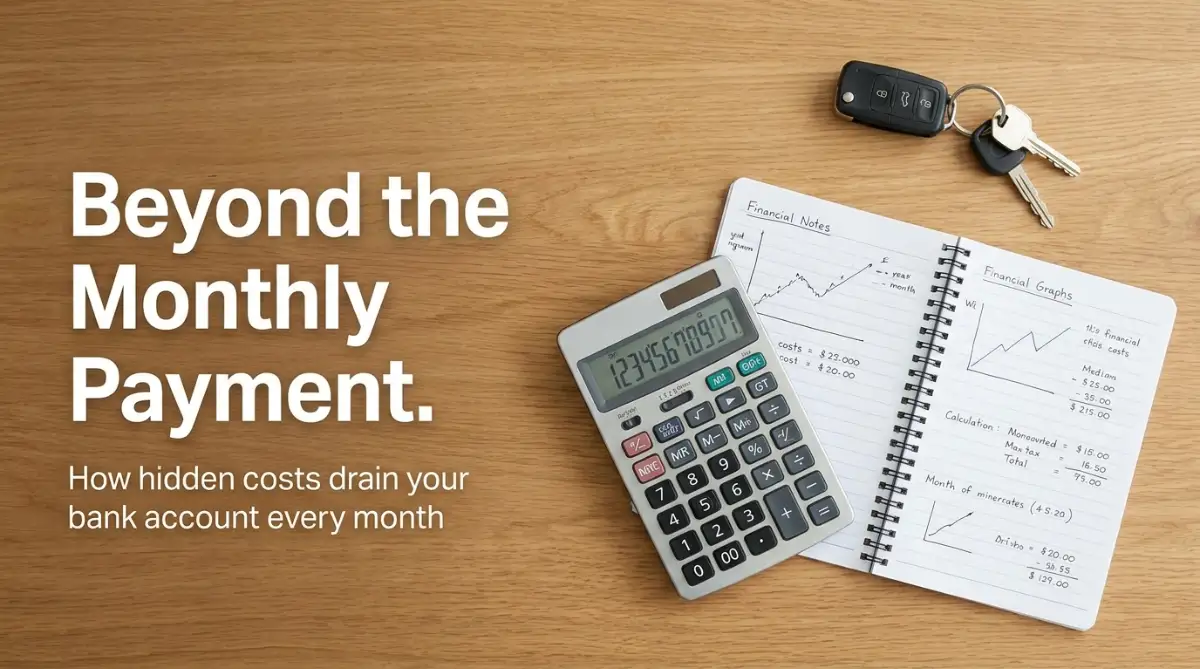
Most people walk into a car dealership and ask for a monthly payment that fits their paycheck. That is the exact trap that keeps them broke. When you focus only on the monthly number, you ignore interest rates, insurance hikes, and the hidden cost of depreciation. You aren't just buying a vehicle; you are signing up for years of ongoing expenses. Let’s run the real math that car dealers hope you never calculate for yourself.
I told them a number that fit into my paycheck, and they smiled. They made it work. I drove off the lot feeling like a genius, thinking I had secured a great deal. It wasn't until three months later, when my insurance premiums spiked and I realized the car needed premium gas, that I understood the error I had made. I had bought a car based on a monthly number, but I hadn't bought a car based on my actual life.
That monthly payment became a dark cloud hanging over my head for the next four years. Every time I had to pay for a repair or fill up the tank, I felt a pinch. It turned my daily commute into a source of stress rather than freedom. I realized then that I had fallen for a classic sales tactic. They distract you with a manageable number to hide the massive total cost you are agreeing to pay.
What You’ll Learn in This Guide:
- The Payment Trap: Why focusing only on the monthly note is a financial mistake.
- True Ownership: Understanding depreciation, insurance, and interest as total costs.
- The Opportunity Cost: What your car money could do if it were invested instead.
- Pro-Negotiation: Simple steps to get the best deal before visiting the dealer.
Decoding the Hidden Math of Your Ride
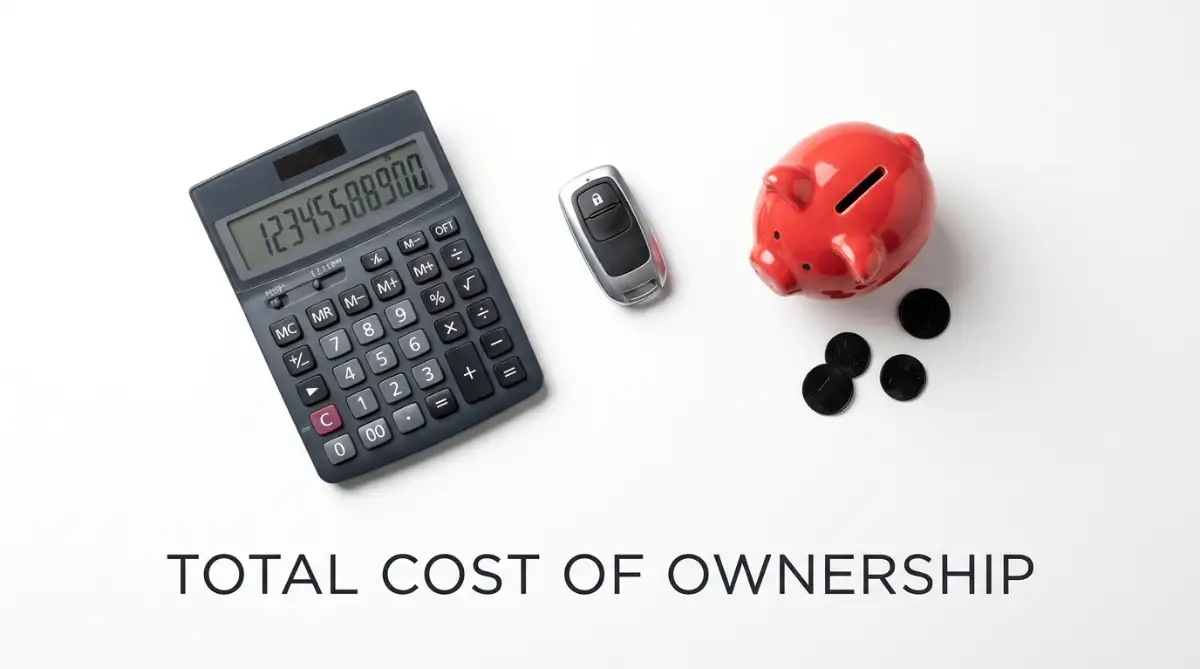
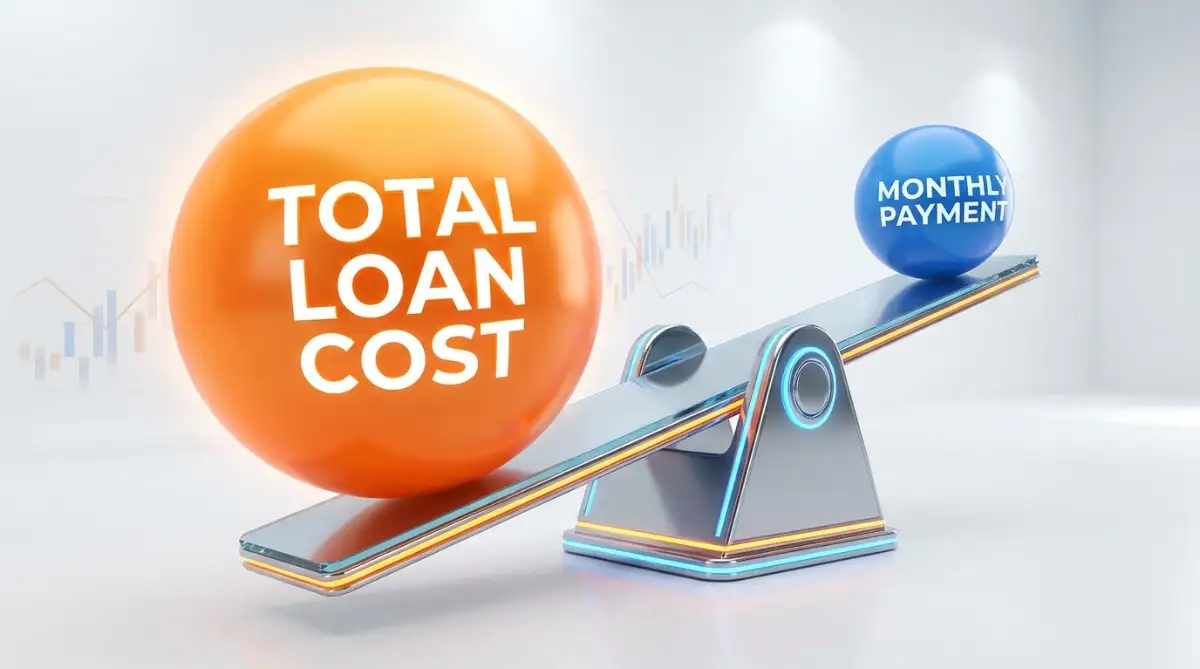
When you focus only on the monthly payment, you are letting the lender drive the conversation. You are essentially telling them to maximize the length of your loan so the payment looks lower, which usually means you end up paying significantly more in interest over time. To get control, you have to look at the Total Cost of Ownership (TCO).
The Interest Rate Reality Check
Interest is the silent thief in your auto loan. A low monthly payment often comes with a longer loan term, like seventy-two or eighty-four months. While that keeps the cash leaving your bank account small each month, it stretches the interest over a much longer period. By the time you pay off that car, you might have paid thousands more than the person who took a shorter loan with a higher monthly payment.
| Hidden Cost | What it actually means |
| :--- | :--- |
| Depreciation | Your car loses value every single day |
| Insurance Hike | Newer cars usually cost more to insure |
| Interest Over Time | Paying for 72 months costs way more than 48 |
| Maintenance | Advanced tech needs expensive repairs |
Depreciation: The Invisible Cost
A car is not an asset that gains value; it is a machine that loses value the second it leaves the lot. If you buy a car for a high price and finance it for a long time, you might find yourself "underwater." This happens when you owe more on the loan than the car is actually worth. If you need to sell the car unexpectedly, you would have to pay the bank out of your own pocket to clear the title.
The Maintenance and Insurance Spiral
Newer cars, or cars that are more expensive, often come with higher insurance rates. Repair parts for luxury or niche vehicles can cost a fortune compared to standard models. When you factor in gas, registration fees, and taxes, that "easy" monthly payment is actually just the tip of the iceberg. You need to calculate these costs before you sign the contract, not after.
Opportunity Cost: What Your Money Could Do Elsewhere
Every dollar you spend on an overpriced car note is a dollar that isn't working for you in an investment account. Think about the power of compound interest. If that monthly payment were invested in a diversified portfolio instead of going toward a depreciating asset, what could it look like in ten years? You aren't just paying for the car; you are paying for the car plus the potential growth you missed out on.
Pro Tip: My Realization on "Affordability"
I learned a simple rule way too late: if I couldn't afford to pay off the car in three years or less, I couldn't afford the car. I stopped looking at what I could pay monthly and started looking at the total price tag. I realized that if I bought a car that was a few years older, I could pay it off in cash or a very short term, and the money I saved on interest went straight to my savings account. It was the most liberating financial shift I ever made.
Want to see how the experts calculate the true cost of a vehicle loan? Watch this guide to prepare for your purchase.
Managing your auto loan is a step toward overall financial health. It teaches you to look at the details, to run the math, and to say no to deals that don't serve your future. You are building a habit of careful spending that will apply to every other major purchase in your life. Keep tracking these costs, keep questioning the sales pitches, and keep focusing on your real financial freedom. You are doing a great job by asking these questions today.
Mas"Before you sign the contract, check these 3 things:
- Ask for the 'Out the Door' price, not just the monthly fee.
- Compare the interest rate from your bank vs the dealer's rate.
- Check the total amount you will pay by the end of the loan term."
tering the Long Game of Car Ownership
Once you grasp the basics of the total cost of ownership, you start to see that a car is really just a large, expensive utility that needs managing. You don't want your vehicle to dictate your ability to reach your other goals, such as managing personal budget effectively. The secret to winning this game is to stop viewing the car as a lifestyle accessory and start viewing it as an asset you need to optimize.
The Power of Maintenance Math
Many owners wait until a light pops up on their dashboard to take their car to the shop. This is a massive mistake that turns small problems into expensive repairs. If you stay on top of the manufacturer’s recommended schedule, you avoid the heavy costs that come with neglect. It is just like how to build a fail-safe emergency fund for your home or health; regular checkups cost a little today but save you thousands tomorrow.
Consider using tools like the Edmunds True Cost to Own calculator. It helps you see beyond the sticker price and understand the reality of fuel, depreciation, and insurance costs for specific models. If you know what to expect, you aren't surprised when the expenses hit. You are prepared, and that puts you in the driver’s seat.
Leveraging Your Trade-In Value
Do not just accept the first offer a dealership gives you for your old car. That is the quickest way to lose money in a trade-in. You should research the market value of your vehicle on independent sites before you step foot on the lot. If the dealer offers you a low price, be ready to walk away or sell the car privately.
Always remember that every dollar you squeeze out of your trade-in is a dollar that lowers your new loan principal. That has a ripple effect on your interest payments over the life of the loan. It is a simple step, yet so many people skip it because they want to get the deal done and over with. Never trade convenience for a lower net worth.
Negotiating the Loan Terms
When you are at the financing desk, the person across from you might try to rush you through the papers. They make money when you pick a longer loan term or buy extra warranties you don't need. Take your time to read the contract. If you have done your research, you will understand beyond the interest rate by decoding your mortgage disclosure form logic—the same applies to auto loans. Know what you are paying, know the total interest, and know the prepayment penalties.
The Credit Score Connection
Your interest rate is largely tied to your credit score. If you aren't in a rush, take a few months to clean up your credit report. If you have been struggling to make payments, look into ways to how to turn monthly bills into a higher credit score. A higher score can shave full percentage points off your interest rate, which is essentially "free money" back in your pocket.
Keeping the Investment Mindset
Don't get so obsessed with the car that you forget your other financial habits. You need to keep investing wisely during market volatility even when you are managing a car note. If you prioritize the car payment over your retirement savings, you are robbing your future self to pay for a present luxury. Balance is the key to true wealth.
If you want to see how vehicle safety ratings factor into insurance premiums, the National Highway Traffic Safety Administration provides crash test data that can save you money. A safer car often means lower insurance premiums over time. It is a win-win for your wallet and your safety.

Traps That Turn a Deal Into a Disaster
It is easy to get caught up in the excitement of a new set of wheels. However, the car buying process is designed to exploit your emotions. If you aren't careful, you will end up with a deal that makes you regret your choice every time you fill up your tank.
Falling for the Monthly Payment Bait
This is the single most common mistake. When you walk into a dealership, the first thing they ask is, "What monthly payment can you handle?" They are training you to ignore the total price of the car. They can easily adjust the loan term to thirty-six or even eighty-four months to hit your "target" number. You end up paying more interest and staying in debt longer.
Ignoring Total Interest Costs
We often look at the interest rate but skip the total interest calculation. If you have a five percent interest rate over seven years, you are going to pay a fortune in interest. Always ask the dealer to print out the total cost of the loan including interest. When you see that number, you might realize that a slightly more expensive car with a shorter loan term is the better deal.
The Extended Warranty Illusion
Dealers make a lot of money on add-ons like extended warranties and paint protection. In most cases, these are not worth the money. Modern cars are reliable enough that you don't need to pay thousands extra for "peace of mind." If you are worried about repairs, put that warranty money into a high-yield savings account instead. You keep your cash, and if you never need a repair, you are still ahead.
Rushing the Financing Process
Never agree to dealer financing without checking your local credit union first. Local banks often have lower rates and fewer hidden fees than big-box dealerships. By getting pre-approved before you go shopping, you gain leverage. You can tell the dealer, "I have this rate from my bank, can you beat it?" They will often find a way to lower their own rate if they know you have options.
Buying More Car Than You Need
It is tempting to buy the "sport" version or the model with all the bells and whistles. But do you actually use those features? Every extra feature adds to the price, the insurance, and the repair costs. Be honest with yourself about what you need versus what looks good in the driveway. Your bank account will thank you for being practical.
Neglecting to Check History
If you are buying a used car, failing to check the vehicle history report is a gamble you cannot win. You have no idea if the car was in a flood, a serious accident, or if the odometer was rolled back. Use services like Carfax or AutoCheck to get the full story. If the seller refuses to provide the history, treat it as a massive warning sign.
Taking Control of Your Financial Path
You are building a lifestyle where your money supports your dreams, not your car note. It might feel like a slow process, but every decision to calculate the real cost is a step toward freedom. You are learning to be a smarter consumer, and that is a skill that will pay off for the rest of your life.
Your Action Plan for Tomorrow
- Run the numbers: Calculate the true cost of your current vehicle or the one you want to buy using a total cost calculator.
- Review your insurance: Check if you can get a better rate by bundling or increasing your deductible.
- Check your reports: Look for any errors on your credit report that might be hurting your loan potential.
- Set your terms: Go to a credit union and get a pre-approved loan letter before you visit any dealership.
I have found that the more I look at the reality of my expenses, the more relaxed I feel about my bank account. The anxiety that comes from "not knowing" is much worse than the temporary effort of tracking. You are doing a great thing by getting ahead of this. You are protecting your future self from the weight of bad decisions made in the heat of the moment.
Take pride in the car you drive because you own it, not because you are making the payments. That sense of ownership is worth far more than any luxury trim level. Stay focused on your goals, keep running the math, and keep your long-term plan in sight. You have got this.
Questions People Often Ask About Auto Financing
Is it ever a good idea to lease a car?
Leasing can make sense if you are a business owner who needs a tax deduction, or if you must have a new car every three years. For the average person, however, it is usually the most expensive way to drive. You end up with no equity at the end of the term, whereas a loan gives you an asset you can keep or sell.
Should I pay off my car loan early?
If your interest rate is high, paying it off early saves you a lot in interest charges. If your interest rate is very low, you might be better off investing that extra money in a diversified account. It depends on your personal risk tolerance and your desire to be debt-free.
Can I refinance my car loan?
Yes, you can. If your credit score has improved since you bought the car, or if interest rates have dropped significantly, you should look into refinancing. It is a simple process that can lower your monthly payment or shorten your loan term, just like why home insurance companies deny claims is something you need to be aware of, you should also be aware of the "fine print" in your loan agreement.
How much should I put down on a new car?
Aim for at least twenty percent down. This helps you avoid being "underwater" on your loan, where you owe more than the car is worth. It also shows the lender that you are a serious borrower and might qualify you for better terms.
What happens if I can't make my car payment?
Contact your lender immediately. Do not wait for them to call you. They are often willing to work out a temporary arrangement or a deferment if you are upfront about your financial situation. Ignoring the problem will only lead to late fees, damaged credit, and eventually, vehicle repossession.
Disclaimer: This content is for educational purposes only and does not constitute financial, legal, or tax advice. I am not a financial advisor. All financial decisions involve risk, and you should perform your own research or consult with a qualified professional before making any investment or loan choices based on your specific situation.