The Moment I Realized I Was Alone
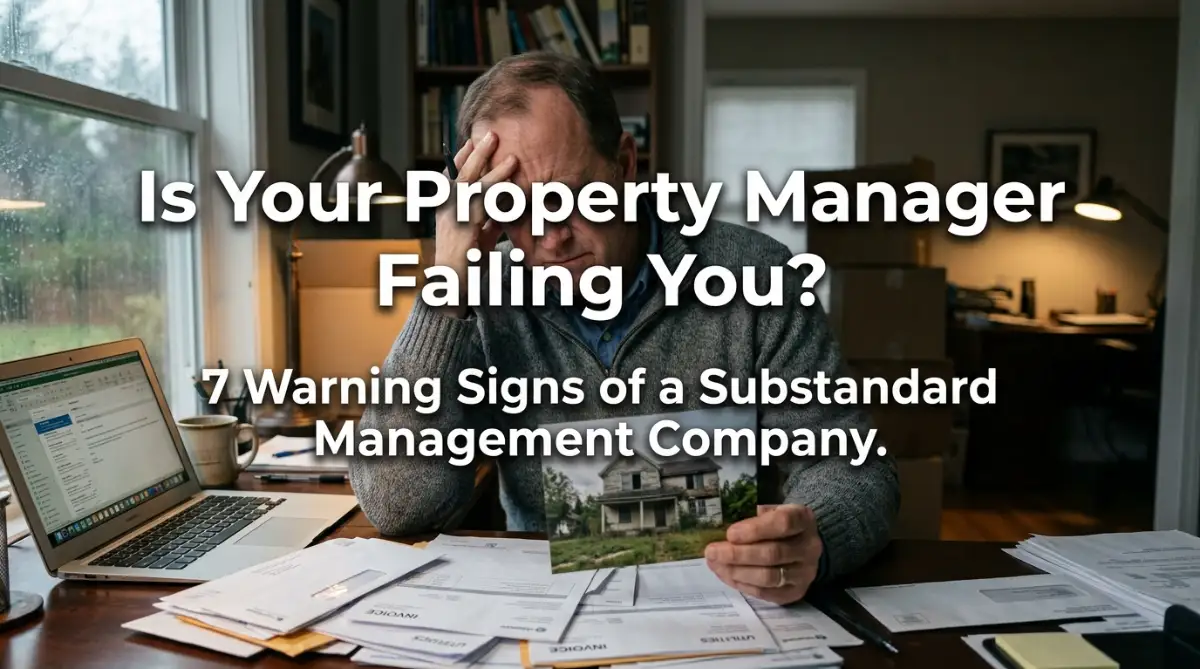
I remember sitting in my living room at 2 AM, staring at an email from my tenant. It wasn't just a simple request for a lightbulb change. It was a formal complaint about a leaking ceiling that had been ignored for three weeks.
My property manager, the person I paid a percentage of my rent to handle these issues, had gone completely silent. I felt a knot in my stomach that had nothing to do with the leak and everything to do with my own choices. I had trusted someone else to look after my investment, and they had let me down in the worst possible way.
The house was empty, the yard was a disaster, and my tenant was ready to move out. I had to step in and handle the repairs myself, costing me a small fortune in emergency service fees. That night, I realized that I had been blinded by a smooth sales pitch. I wasn't just paying for service; I was paying for peace of mind, and I was getting the exact opposite.
This is the reality for many landlords who pick a company based on a fancy logo or a low fee. You think you are protected, but often, the cracks are already forming. Your mental health takes a hit, your wallet drains, and you find yourself doing the work you hired someone else to do.
It is a lonely feeling to realize that the person managing your assets does not care about them as much as you do. I spent weeks cleaning up the mess and finding a new team. That experience taught me one thing: you have to be the first line of defense for your property.
If you are feeling that same pit of dread every time the phone rings, you might be in the same position I was. It is time to look at the signs before your investment loses its value entirely.
The Communication Black Hole
One of the most immediate signs of a bad manager is the "ghosting" behavior. If you find yourself sending three emails to get one response, you have a problem. Effective management is built entirely on the foundation of clear, timely communication.
When your manager stops replying, they are likely overwhelmed or simply not tracking their tasks. A good partner will keep you in the loop without you needing to beg for updates. They should be proactive, not reactive.
If you have to chase them for rent reports or status updates, they are not managing your property. You are managing them, which defeats the entire purpose of outsourcing. Look for a team that sets clear expectations for response times.
When the Numbers Don't Add Up
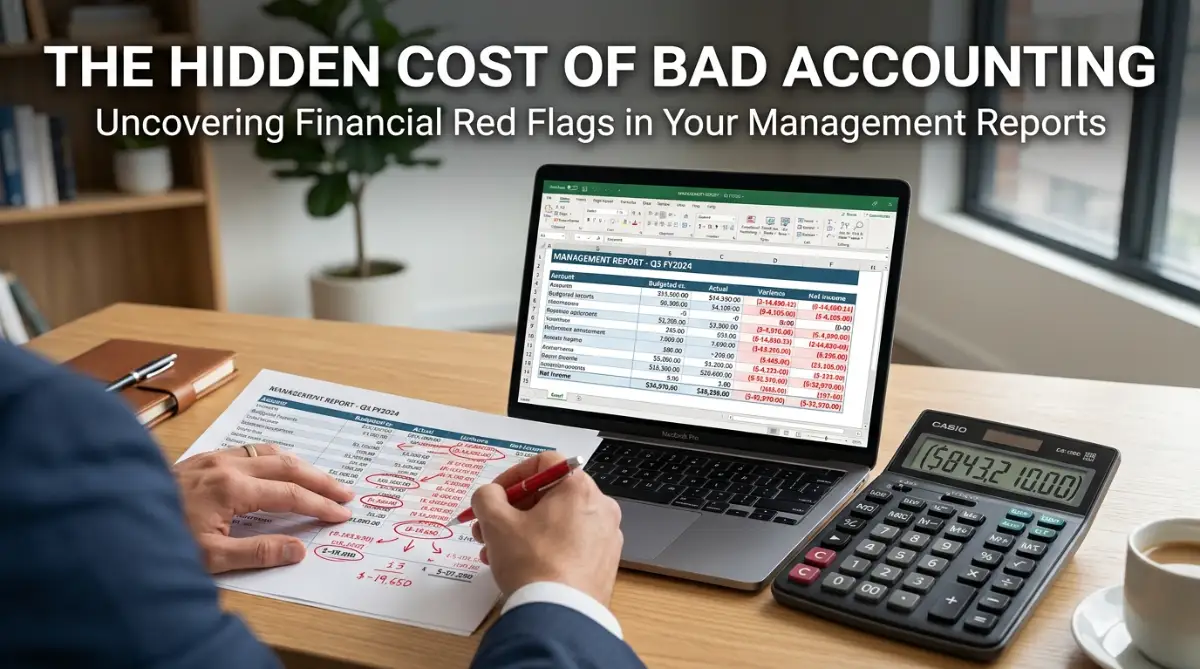
Accounting errors are more than just a nuisance; they are a massive red flag. If your monthly statements are confusing or consistently late, stop and investigate. You deserve total transparency regarding where every cent of your income is going.
Some managers hide costs or create vague line items to mask their own inefficiencies. You should be able to look at your statement and understand exactly what was repaired and how much it cost. If they cannot explain a charge, do not accept it.
Ask for original invoices for any repair over a certain amount. If they get defensive or refuse to show you the receipt, move your money elsewhere. Trust is earned through open books, not promises.
Maintenance That Never Ends
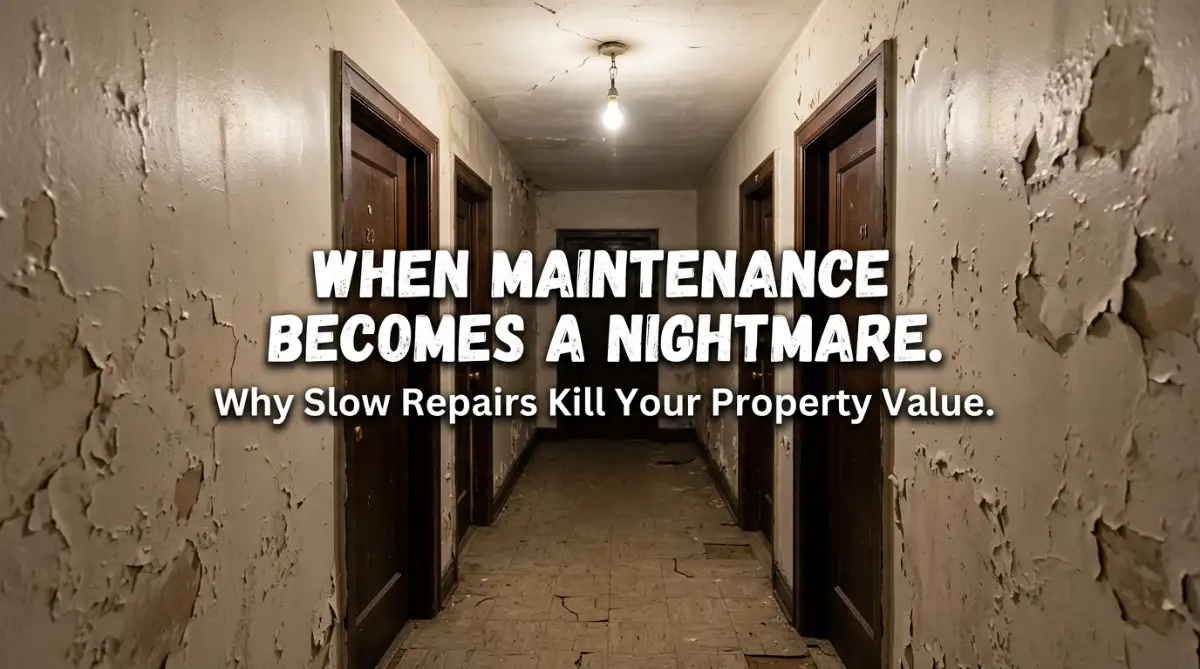
A major warning sign is the "repeat repair" cycle. This happens when a manager fixes a problem with the cheapest, fastest solution possible, only for it to break again a month later. It is a drain on your cash flow and a nightmare for your tenants.
Good managers care about the longevity of your property. They perform preventative maintenance so you do not have to deal with emergency repairs on a Sunday night. They should be recommending upgrades that add value, not just patching holes.
If your maintenance costs are rising while the property condition is declining, you have a mismatch. A manager who is truly on your side will treat your money like it is their own.
The Tenant Turnover Problem
Tenants are the lifeblood of your investment. If your property manager has a high turnover rate, they are doing something wrong. Tenants do not leave good apartments with good management; they leave when they feel ignored or mistreated.
When a tenant moves out, you lose money on cleaning, advertising, and a vacant unit. A substandard manager often fails to screen tenants properly, leading to conflicts or missed payments. They might also be slow to address tenant concerns, driving them away.
Check your vacancy rates over the last year. If they are higher than the market average, ask your manager why. Their answer will tell you everything you need to know about their management style.
Pro Tip: My Realization
I realized that I was too focused on the "management fee" percentage and ignored the quality of service. I would have gladly paid an extra two percent for a manager who actually answered the phone and protected my property. Saving money on the fee was actually costing me thousands in lost rent and bad repairs.
Understanding the Legal Risks
A bad property management company does not just cost you money; they can put you at legal risk. Laws regarding rental properties change often, and your manager must stay updated. If they are not compliant with local housing rules, the liability eventually falls on you.
They should handle security deposits, lease agreements, and eviction processes with absolute precision. If they seem "loose" with the rules or tell you not to worry about legal details, run. You need a partner who protects you from lawsuits, not one who invites them.
Is Your Manager Ignoring the Rules?
- Do they conduct regular inspections of the property?
- Are they aware of the latest tenant-landlord laws in your area?
- Do they keep proper records of all interactions with tenants?
If you answered "no" to any of these, you are exposed to significant risk. You need to ensure they are following standard procedures to keep your license and your property safe.
Check this guide below for a deeper look at what legal standards your manager should be hitting.
The Importance of Routine Inspections
A property manager who never visits your unit is a ticking time bomb. How can they manage what they do not see? Routine inspections are how you catch small leaks, mold growth, or unauthorized damage before it becomes a disaster.
A substandard company will treat your unit like a "set it and forget it" asset. They might assume everything is fine because the rent is paid on time. But rent payment is not the only metric of a healthy property.
Require your manager to send a report with photos after every inspection. If they cannot provide that, they likely aren't performing the inspection at all. You need a visual account of your asset's condition.
When to Cut Ties
Knowing the warning signs is only half the battle; knowing when to leave is the other. If you have had the same conversation about poor performance three times with no improvement, it is time to part ways. Do not fall for the "we are changing our systems" excuse.
Transitioning to a new manager can feel daunting, but it is often easier than living with a bad one. Look for a company that has a strong reputation, clear communication channels, and a track record of stability. Your property deserves professional care, not neglect.
Evaluating Your Current Performance
Take a moment to audit your relationship with your manager. Are you happy with the current state of your rental? Do you feel confident that your investment is growing? If the answer is no, you owe it to yourself to make a change.
You are the owner, and you have the right to demand excellence. If your management company is not delivering, they are failing to meet the terms of your agreement. Protect your hard-earned assets by being bold enough to enforce high standards.
The Myth of the "Busy" Manager
Sometimes managers use being "busy" as an excuse for poor performance. They might tell you that their portfolio is so large they cannot focus on every single property. This is a red flag. If they cannot handle the current workload, they should not be taking on your property in the first place.
You are paying for their undivided attention to your asset. Do not let them off the hook because they have too many clients. A professional manages their capacity just as well as they manage your property.
Transparency in Maintenance Invoicing
Let’s talk about the "markup." It is common for managers to add a small fee to maintenance work. However, this fee must be clearly stated in your contract. If they are secretly inflating repair costs without your knowledge, that is a breach of trust.
Always compare their maintenance quotes with independent contractors. If their pricing is significantly higher without a clear reason, ask for an explanation. Honest companies will be open about their costs.
Evaluating Tenant Screening Practices
A great manager will tell you why they chose a specific tenant. They will walk you through the credit check, the background check, and the employment verification. A substandard manager will just say, "The tenant is fine," and hand over the keys.
You want a manager who treats your property like a high-value asset. They should be looking for tenants who will pay on time and take care of the unit. Proper screening saves you from months of legal headaches and unpaid rent.
The Cost of Staying
Staying with a bad manager is expensive. Every month of poor management is a month where your property value declines and your stress levels rise. Calculate the cost of the last six months of repairs, vacancy, and lost rent.
That number is what it is actually costing you to stay with a subpar company. Once you see the number in black and white, the decision to switch becomes much easier. Your investment is meant to produce wealth, not consume it.
Establishing Better Standards
Moving forward, demand an annual review meeting. This meeting should cover your property's performance, the local market trends, and any necessary maintenance goals for the upcoming year. This keeps your manager accountable and aligns your goals.
Communication should be on a schedule, not just when things break. You are the boss, and your manager reports to you. Setting these expectations early will filter out the companies that aren't willing to put in the work.
Final Thoughts on Management
Finding the right property manager is like hiring a business partner. You want someone who shares your vision and respects your investment. Do not settle for anything less than a partner who communicates clearly, accounts for every dollar, and keeps your property in top shape.
Your peace of mind is worth more than a slightly cheaper management fee. Take the time to find the right fit, and your rental property will reward you for years to come. You have built this investment with hard work, so protect it with the management it deserves.
Frequently Asked Questions
How often should my property manager send me financial reports?
You should receive a statement every single month. It should be detailed enough for you to review and keep for your own tax records without confusion.
Should I be involved in maintenance decisions?
Yes, especially for large repairs. While you hire them for their expertise, you should always approve significant expenses before the work begins.
How do I know if a property manager is reputable?
Look for companies with established local presence, positive reviews from other landlords, and clear, written contract terms. Don't be afraid to ask for references.
Can I switch property managers mid-lease?
Yes, usually you can. You will need to check your current contract for termination clauses and work with your new manager to transfer the tenant files smoothly.
What is a reasonable management fee?
Fees vary by location and the level of service provided. It is less about finding the cheapest fee and more about finding the best value for the protection and service they offer.
Taking Action Today
Review your current contract and your last three months of statements. Look for the signs we discussed. If you find them, do not wait for a bigger disaster. Start interviewing other companies and see what high-quality management looks like.
You are the captain of your investment ship. Ensure that you have a crew that is capable, honest, and hardworking. Your future self will thank you for making the hard decision to prioritize quality over convenience.
Taking Control: Secrets of Elite Property Oversight
To truly protect your investment, you have to shift your mindset from being a passive landlord to an active overseer. The best results come when you stop treating your property manager like a silent partner and start treating them like a hired professional who needs clear direction.
The Power of the "Digital Paper Trail"
You should demand that your manager uses a property management software platform that gives you real-time access. If they are still sending you spreadsheets made in a basic program, you are losing out on transparency. A professional manager will grant you a "read-only" login where you can see every invoice, every repair request, and every rent payment in real-time.
If they refuse to provide this, they might be hiding something. I always insist that my management team uses digital property protection 101 why your documents are your best defense to ensure every transaction is recorded and verifiable. You want to see the original invoice from the plumber, not just a "Maintenance - $200" line item.
Conducting Your Own "Mystery Shop"
One of the most effective ways to see if your manager is actually working is to act like a potential tenant. Call their office pretending to be someone looking for an apartment in your building. Do they answer the phone with a smile? Do they have information ready?
If they treat a "prospective tenant" with annoyance, they are likely treating your actual tenants the same way. A great manager understands that their primary job is customer service. If they can’t sell your unit when it's vacant, they are costing you serious money. You can learn more about verifying industry standards through resources like the National Association of Residential Property Managers (NARPM) to understand what professional behavior should look like.
The "Sample Report" Strategy
Before you ever sign a contract, ask for a sample of the monthly report they send to other clients. If they claim it is private, ask them to redact the personal info. You want to see how the data is presented.
Does it show year-to-date income vs. expenses? Is there a breakdown of repairs? If the sample report looks like a messy napkin, don't expect their professional work to be any cleaner. You need to verify that they are capable of managing personal budget principles when it comes to your property’s cash flow.
Why You Should Audit Their Vendor List
Ask your manager who they use for plumbing, electrical, and general repairs. Are these licensed contractors, or are they just "handy friends"? A property manager might be taking a "kickback" from low-quality vendors.
Always verify that their vendors are licensed and insured. If a handyman breaks something in your unit, you need to know there is a business license and insurance policy to back it up. Dealing with unlicensed work is one of the fastest ways to turn a small issue into a massive liability, similar to how why home insurance companies deny claims and how to stay protected when the documentation is not up to par.
Developing an "Exit Plan" for Your Manager
Even when things are going well, you should know exactly how to end the relationship. Review your contract today. Does it require a 30-day notice? A 60-day notice? What happens to the security deposits currently in their escrow account?
Knowing your exit strategy keeps you in the driver’s seat. It removes the fear of "being stuck." When you know you can leave, you are less likely to tolerate poor service because you are no longer operating from a place of dependency. Think of this as your financial insurance policy, much like how to stay calm and invest wisely during market volatility requires a plan before the panic sets in.
Automating Your Insight
If you have multiple properties, you shouldn't be manually checking every detail. I recommend how to bridge the professional skill gap by mastering basic automation tools to set up alerts for certain financial thresholds. If a repair exceeds a certain amount, my system alerts me immediately. This keeps me informed without requiring me to sit in front of a spreadsheet all day.
Traps That Lead to Financial Stress
We often fall into the trap of convenience, thinking that paying someone to manage our assets means we don't have to think about them anymore. This "set it and forget it" mentality is the fastest path to losing your investment's value.
The "Cheap Fee" Mirage
When a company offers a significantly lower management fee than the market average, ask yourself why. They have to make up that revenue somewhere. Often, they do it by inflating maintenance bills or skipping routine inspections.
You get what you pay for. A cheap manager is usually a busy manager who lacks the staff to handle your needs. They are volume-based, meaning they need hundreds of units to make a profit, and you become just another number.
Signing Without Reading the Fine Print
Never assume a contract is "standard." I once saw a contract that gave the manager the right to make repairs up to $1,000 without my permission. That is an insane amount of authority to give a stranger.
Always negotiate the "threshold" for repairs. I prefer to be notified of any repair over $200 unless it is a life-safety emergency. If you don't read the contract, you have no ground to stand on when they spend your money on things you didn't approve.
Ignoring Local Tenant-Landlord Laws
You might trust your manager to know the law, but many companies operate on outdated info. If they perform an illegal eviction or violate a tenant’s privacy rights, you are the one who gets sued.
Always cross-reference what your manager tells you with the U.S. Department of Housing and Urban Development (HUD) guidelines or your local state government website. Don't take their word as the absolute law. Your liability is far greater than theirs.
Falling for the "Friendship" Trap
I have seen landlords hire their friends or family to manage their properties. This is almost always a disaster. When things go wrong—and eventually they will—you have to choose between your money and your relationship.
Professional boundaries are required in real estate. A manager should be someone you can hold accountable, not someone you are afraid to offend. Keep your business and personal life separate to ensure you can make objective decisions.
Neglecting the Property Yourself
Even with the best manager, you should walk your property at least once a year. Seeing the unit with your own eyes tells you things a report never will. You might notice a smell, a hidden stain, or a general lack of care that photos try to hide.
Your presence keeps the manager on their toes. When they know you are an active owner who cares, they tend to work harder. It is just human nature to do better work when the boss is watching.
Moving Toward a More Profitable Future
You have worked incredibly hard to acquire your property. It is not just a building; it is a vital part of your future. Do not let mismanagement turn your asset into a burden.
By applying the steps we discussed, you are not just watching over your property; you are building a system that works for you. You deserve a partner who adds value, respects your capital, and acts with the integrity you expect.
I know it feels intimidating to challenge a management company or start the process of switching, but I promise you that the peace of mind is worth it. I have been in your shoes, and taking control was the best financial decision I ever made. Start today by reviewing your latest statement or scheduling that property walkthrough. You are the architect of your own success, and your investment deserves your best effort.
Common Questions About Property Management
How can I verify if my manager is actually licensed?
Most states have a real estate commission website where you can search for a licensee by name or company. If they aren't listed, that is an immediate red flag.
What should I do if I suspect my manager is stealing?
First, gather all your documentation, bank statements, and invoices. If the numbers don't match, consult with a local attorney before confronting the manager. You need to protect yourself legally before you make a move.
Can I fire a manager if they are in the middle of a lease?
Yes, usually you can. The lease between the tenant and the property is between the tenant and the landlord (you). Firing the manager just changes who the tenant sends the rent to. Check your management agreement to see how to handle the transfer of files and deposits.
Why do some managers charge a "vacancy fee"?
Some managers charge this to cover the time spent showing the unit, marketing, and screening tenants. While common, ensure it is clearly outlined in your agreement. If they charge this fee but never actually market the unit, that is a problem.
How often should I increase the rent?
A good manager should monitor the local market and suggest rent increases based on current data. If you haven't had a rent increase in years, ask your manager why they haven't suggested one. Your income should grow with inflation.
What is the difference between a real estate agent and a property manager?
An agent’s job is usually done once the property is sold or rented. A property manager’s job is ongoing. You want someone who specializes in the day-to-day operations, not just the initial transaction.
Disclaimer: This content is for educational purposes only and does not constitute financial, legal, or tax advice. I am not a financial advisor or an attorney. All financial and legal decisions involve risk, and you should perform your own research or consult with a qualified professional before making any choices based on your specific situation.