The Moment Everything Changed: My Lesson in Staying Calm
When an accident hits, the first thing you lose isn't your balance—it's your ability to think clearly. That split-second of shock is followed by a flood of questions: Do I need a doctor right now? Who should I call? Is it my fault? The reality is, what you do in the next sixty minutes will shape your entire recovery journey and legal standing. Let’s cut through the panic and focus on the exact steps you need to take to protect yourself.
After the dust settled, I sat in my seat, hands shaking, heart pounding against my ribs. I had no idea what to do. Should I get out? Should I call the police? Who do I tell about the pain in my neck? My mind was a complete blank. I spent the next few hours making mistakes that I wish I could undo. That day taught me that while pain is inevitable, the way you handle the aftermath is a choice.
You are likely reading this because you, or someone you care about, are standing in that same fog. The medical bills feel like a mountain you cannot climb. The insurance companies are calling, asking for statements that feel like traps. Your daily routine is broken, and the stress is keeping you up at night. It feels like your life is paused while the world keeps moving.
I know how heavy that silence feels when you are alone in your thoughts. You wonder if things will ever get back to normal. You worry that one wrong move might ruin your chance to get the help you deserve. That fear is real, and it is exhausting. It drains your energy and makes it hard to focus on getting better.
The truth is, you do not have to figure it all out alone. You do not have to be a legal expert to handle this. You just need to know how to move forward one small step at a time. This guide is built to help you clear that fog so you can focus on what matters most: your health and your future.
Quick Summary: What You Need to Do Right Now
- Medical First: Even if you feel "fine," get a professional medical evaluation to create a paper trail.
- Visual Evidence: Use your phone to document the scene, injuries, and any property damage immediately.
- Watch Your Words: Do not admit fault at the scene and keep your statements strictly about facts.
- Centralize Records: Create one folder (physical or digital) to house every receipt, doctor's note, and police report.
Getting Through the First Few Hours: A Practical Path Forward
When an injury happens, your body enters a state of shock. You might not feel the full extent of your injuries until the adrenaline wears off. This is why your actions in the first few hours are the most significant. Here is how you can stay in control of your situation.

Prioritize Your Health Above All Else
Many people make the mistake of ignoring pain to "wait and see." This is a dangerous move. Your health is the base of everything. Go to a doctor or an emergency room immediately after the incident. Even if you think the injury is minor, get it checked by a professional.
A doctor will provide a medical record. This record is the strongest piece of evidence you can have. It ties your injury directly to the event that caused it. Without this paper trail, proving your situation later becomes much harder. Do not skip this step, even if you feel "fine" in the moment.
Quick "Safety First" Checklist:
- Check Breathing: Are you or anyone else having trouble breathing? If yes, call for an ambulance immediately.
- Move to Safety: If you are in the middle of a road, move to the shoulder or a safe sidewalk if you can do so without worsening your injury.
- Hazards: Look for leaking fluids, broken glass, or oncoming traffic before you step out of your vehicle.
- Don't Rush: Do not try to run or perform quick movements until you have assessed where you feel pain.
Capture the Scene Before It Changes
If you are physically able to move, use your phone. Take photos of everything. Take pictures of the area where it happened. If there were hazards like a spill, a pothole, or a broken sidewalk, capture those clearly. These images tell a story that words cannot.
Also, take photos of your injuries, even if they look like simple bruises. Documenting how they look now shows the immediate impact. Take photos of the damage to your clothing or personal items. Do not worry about angles or lighting. Just make sure the facts are captured while the scene is fresh.

Watch What You Say to Others
This is a point where many people trip up. When you are stressed, you might want to apologize or explain yourself to others involved. Resist that urge. Do not admit fault at the scene. Do not say "I am sorry" or "I did not see you."
These comments can be used against you later, even if you were not at fault. Keep your interactions polite but brief. Stick to the facts. If asked, simply state that you need to wait for official information. You do not owe anyone a detailed explanation of your actions or your state of mind.
Pro Tip: My Own Experience with Statements
I learned this the hard way. During my incident, I told the other driver I was "feeling okay" just because I was polite. Later, when I realized I had whiplash, the insurance company used that phrase to argue I wasn't hurt. The Pro Tip: Never guess about your condition. If you don't know, say "I don't know" or "I am currently assessing my situation." Always play it safe with your words.
Gather Contact Information Carefully
If there were people nearby who saw what happened, try to get their contact details. These witnesses can provide a neutral account of the event later. Politely ask for their names and phone numbers. If they are willing, ask them to write down what they saw while it is still fresh in their minds.
Having a contact list can be a game-changer. It provides objective evidence that backs up your version of events. Even if you think the situation is clear, memories fade quickly. Having this information stored safely can save you a lot of headache down the road.
Understanding the Role of Official Reports
Always ensure that an official report is filed if the situation warrants it. If the police come to the scene, cooperate fully. Make sure you get the report number or the officer's contact information before they leave.
If the incident happened at a store or a workplace, report it to the manager or supervisor immediately. Ensure that they create an incident report. Ask for a copy of this report for your own records. If they refuse, make your own written note of the time, date, and the person you spoke with.
Staying Organized with Your Records
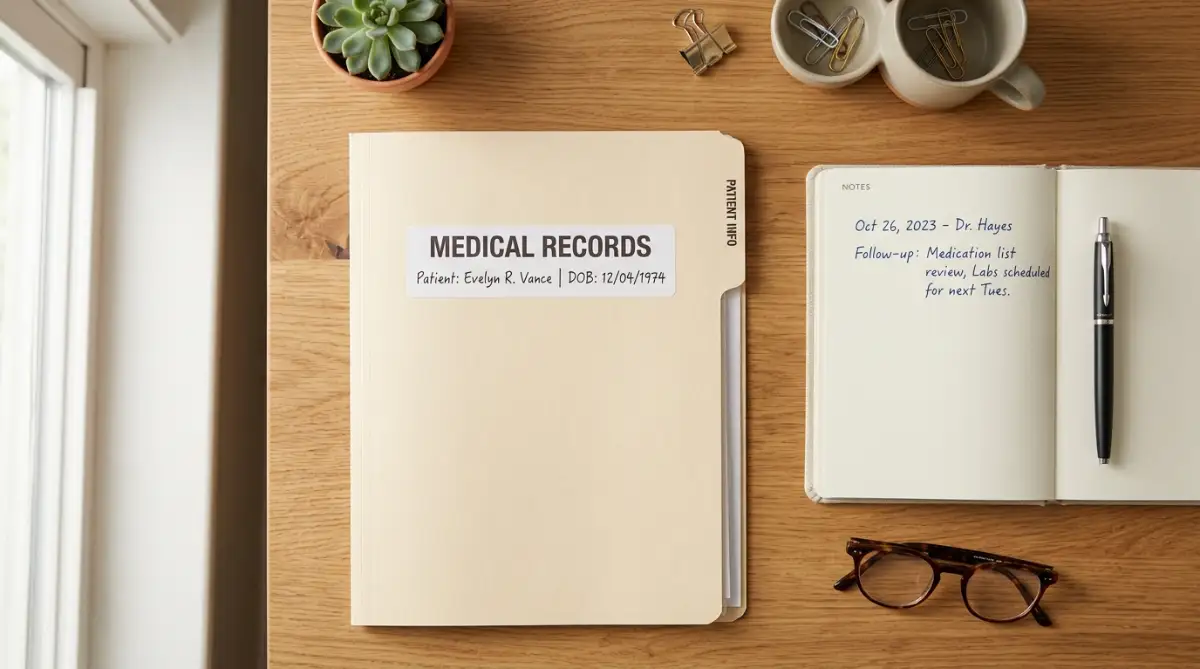
Start a physical or digital folder today. Put everything in it. Keep your medical bills, your doctors' notes, and receipts for any medicine or medical supplies you buy. Keep a log of your pain levels and how the injury is affecting your day-to-day life.
This log is not just for legal purposes. It helps you see your own progress. It also helps your doctor understand your recovery path. When you are organized, you feel more in control. That control is a powerful tool against the stress of an injury.
Are you wondering how to organize your evidence effectively? This video provides a clear, simple method to manage your documents so you don't get overwhelmed.
Myth vs. Reality: Does Time Solve Everything?
A common myth is that if you wait, the insurance companies will offer a fair settlement automatically. The reality is that they often rely on you not having a clear record. They hope you will forget the details. They hope you will miss deadlines.
Another myth is that you need to be angry to get results. The truth is, being calm and collected is much more effective. Logic and clear facts win arguments. Emotional outbursts or frantic behavior often weaken your position. Keep your cool.
| The Myth | The Reality |
| :--- | :--- |
| "If I feel fine, I don't need a doctor." | Adrenaline masks pain; soft tissue injuries often show up 24-48 hours later. |
| "I'll handle the insurance claim next week." | Evidence (skid marks, CCTV footage, witness memory) disappears fast. |
| "I should be nice to the other driver." | Apologizing can be legally interpreted as an admission of fault. |
Preparing for the Long Haul
Recovery is not a straight line. Some days you will feel better, and other days you might feel a setback. This is normal. The most important thing is to stick to your recovery plan. Do not rush back to your normal activities until your doctor says it is safe.
Your focus should be on your physical and mental well-being. If you are struggling with the emotional side of things, reach out to friends or family. You do not have to carry the burden alone. Let your support system help you navigate these days.
Summary Checklist for Your Immediate Steps
To make sure you are on the right track, keep this list handy. It is simple but powerful.
- Seek medical help as soon as possible.
- Document everything with photos and written notes.
- Limit your conversations about fault.
- Collect contact info from any witnesses.
- File reports with the correct authorities.
- Keep all records in one safe place.
Taking these steps creates a safety net for your future. It gives you the space to heal without the constant worry of "did I do enough?" You have done your part by being prepared. Now, you can give yourself permission to focus on getting better.
The journey after an unexpected injury is never easy. It takes time, patience, and a bit of smart planning. By staying organized and keeping your health as the top priority, you are doing exactly what you need to do. Remember, you have the power to manage this situation, one day at a time. Keep taking those small, right steps. They lead to the best possible outcome for you.
Mastering the Recovery Process and Claim Strategy
When the immediate dust of an accident settles, the true marathon begins. You might think the hardest part is over, but this is when you need to be at your sharpest. This phase is about consistency and protecting your long-term interests.
Think of your recovery as a professional project. You are managing your health, your records, and your interactions with external parties. Small details in this phase often decide the final outcome of your situation.
The Art of Detailed Documentation
Most people write down the big things, like the initial emergency room visit. However, the details that happen weeks later are just as impactful. Start keeping a daily symptom log.
Write down how you feel when you wake up. Note if your pain changes after a long day of work or after sitting for too long. If you want to understand how different injuries impact your daily routine, you can look into decoding medical bills to see how healthcare costs are structured.
Be specific. Instead of saying "I am in pain," write "My lower back throbs when I stand for more than ten minutes." This creates a narrative of your recovery that is clear and hard to dispute.
Managing Your Interactions with Insurance Adjusters
Insurance adjusters are trained professionals whose goal is to resolve claims efficiently, often meaning with the lowest payout possible. When they call, they might sound friendly and helpful. Be aware that every conversation is being documented.
Never feel pressured to give a recorded statement immediately. You have the right to request time to gather your thoughts or speak with someone who knows the legal process. If you feel that your case is dragging on, you might want to read about why your personal injury settlement is taking longer than expected.
Stick to the facts. If they ask about your injury, describe your current physical status without making broad guesses about your future health. If you are unsure about something, it is perfectly acceptable to say, "I am currently focusing on my treatment and do not have an answer for that yet."
The Connection Between Mental and Physical Health
We often forget that an injury affects the mind just as much as the body. The stress of not being able to walk your dog, drive your car, or work your job takes a toll. Many people realize later that their mental health was affected by the accident.
Do not ignore this part of your experience. As discussed in why mental health check-ups are just as essential as physical screenings, your well-being is holistic. If you are struggling with anxiety or sleep issues, tell your doctor. This is a legitimate part of your recovery journey and should be documented.
Consistency in Medical Treatment
Stopping your treatment early because you feel "mostly better" is a common trap. If a doctor prescribes physical therapy for six weeks, finish all six weeks. Discontinuing treatment sends a signal that your injuries were not severe or that you have fully recovered.
This can negatively affect your ability to claim damages later. If you are ever hurt in an accident, take these 7 steps right now to ensure you are creating a strong record. Consistency proves that your injury required ongoing, necessary care.
The American Bar Association often highlights that thoroughness is your best friend when dealing with legal or insurance matters. By staying consistent, you show that you are taking your health seriously.
Common Hurdles That Can Derail Your Case
Even with the best intentions, people often trip over avoidable obstacles. These pitfalls can turn a straightforward situation into a complicated headache. Let’s look at how to steer clear of them.
The Social Media Trap
We live in a world where we share everything online. After an injury, this is a dangerous habit. Posting a photo of you out at dinner or hiking might seem innocent, but it can be twisted to suggest you are not actually hurt.
Insurance investigators look for these posts. Even if you are in pain, a smiling photo can be used to discredit your claim. Take a break from social media, or at least keep your profile private until your situation is fully resolved.
The Temptation of a Quick Settlement
Insurance companies often reach out early with a "quick and easy" settlement offer. They know you are stressed and might need money for bills. This is a strategy to settle for less than your case is worth.
Once you sign a release form, you cannot go back and ask for more, even if your medical issues worsen later. Patience is your greatest asset. If you are dealing with home insurance companies, you know that they often deny claims based on technicalities; the same logic applies to personal injury adjusters.
Failing to Keep Track of Financial Impact
Your injury costs more than just medical bills. It costs you time. Did you miss work? Did you have to pay for help with childcare or house cleaning because you could not do it yourself?
These are known as "out-of-pocket" expenses. If you do not track every dollar, you cannot claim it. Keep a separate folder for receipts, pay stubs, and invoices. If you are ever confused about how expenses work in other areas, like understanding the gap between deductibles, it will help you realize why organized record-keeping is a skill worth having.
Giving Too Much Information
You do not need to give your entire medical history to an adjuster. You only need to provide information relevant to the current injury. Adjusters may ask broad questions to find "pre-existing conditions" they can blame for your pain.
Be polite, but guard your privacy. You have a right to control what information is shared and why. If you feel a question is intrusive, ask them to explain how it relates to your specific injury.
Taking Charge of Your Path to Recovery
You have faced a difficult situation, and the process of handling the aftermath is a test of your patience. Remember that you are the primary advocate for your health and your future. By staying organized, you are building a solid foundation for your recovery.
The steps you take today will pay off in the peace of mind you have tomorrow. You are doing the hard work now so that you do not have to worry later. Keep your focus on your healing, and lean on your support system when the days feel long.
I have walked this path, and I know the weight of the stress you are carrying. It feels like a lot, but you are more than capable of managing these details. Take a deep breath, keep your records in order, and move forward one day at a time. Your journey to recovery is your own, and you have every right to protect it.
Common Questions About Managing Your Accident Case
Do I have to pay for my medical treatment upfront?
Usually, you are responsible for the bills as they come in. However, keep all records, as these are often part of the compensation you seek later. You may want to check with your healthcare provider about payment arrangements while your case is pending.
What if I did not feel hurt immediately after the accident?
It is very common for symptoms to appear hours or even days later due to adrenaline. Go to a doctor as soon as you notice any pain or stiffness. Getting a late medical evaluation is always better than ignoring a potential injury.
Should I speak to the insurance adjuster without a lawyer?
You have the right to represent yourself, but understand that adjusters are experts at their craft. If you feel overwhelmed or unsure of what to say, it is wise to speak with a professional. They can help you navigate the conversation without accidentally hurting your case.
How long do I have to file a claim?
Every location has different rules, known as statutes of limitations, that set a deadline for filing. You should look up the specific rules for your area to ensure you do not miss your window. Waiting too long can result in losing your right to seek compensation.
Can I change doctors if I am not happy with my current care?
Yes, you generally have the right to choose your healthcare provider. Your health is the priority, so make sure you are seeing someone who listens to you and documents your condition accurately. If you switch, ensure all your records are transferred so your medical history remains continuous.
Legal Disclaimer
This blog post is for informational purposes only and does not constitute legal, medical, or financial advice. Every situation is unique, and laws vary significantly by location. You should consult with a qualified attorney or professional in your jurisdiction to discuss the specifics of your case before taking any action. The information provided here is not a substitute for professional counsel.